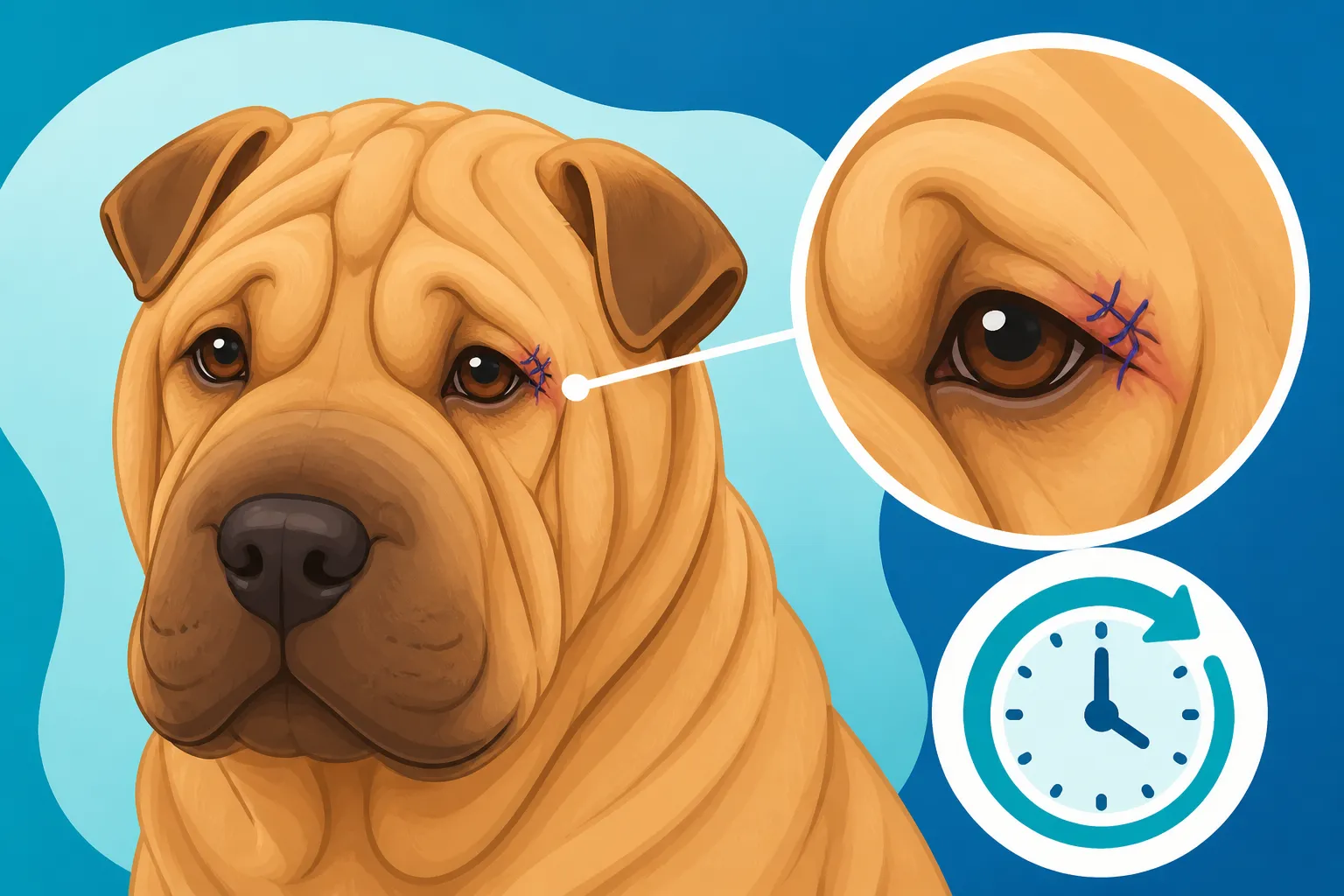
How Long Eye Tacking Sutures Stay In a Shar Pei
It's incredibly distressing to see your precious Shar Pei puppy squinting, tearing up, or even struggling to open their eyes fully. That pain and discomfort from entropion, where their eyelids roll inward, rubbing against their delicate cornea, is something no pet parent wants to witness. When eye tacking becomes the immediate, temporary solution to alleviate this, a big question often arises: how long do those tiny sutures actually stay in? This guide will walk you through the typical timeline, what to expect, and how to best care for your pup's eyes during this critical period.
Understanding Eye Tacking for Shar Pei Puppies
Entropion is unfortunately a common issue in Shar Pei puppies, a direct consequence of their wonderfully wrinkled skin. But while the wrinkles are part of their charm, when they cause the eyelid to roll inward, it becomes a medical emergency. Understanding the procedure and its necessity is the first step in ensuring your puppy's comfort and long-term eye health.
What Exactly Is Eye Tacking and Why It's Needed
Eye tacking is a temporary surgical procedure designed to evert, or roll outwards, an inverted eyelid. Imagine a tiny stitch strategically placed on the eyelid, gently pulling it away from the surface of the eye. This provides immediate relief from the constant irritation caused by eyelashes and fur rubbing against the cornea. For a Shar Pei puppy, it's not uncommon for their head skin to be quite loose, leading to the eyelids drooping or rolling inward. This rubbing isn't just uncomfortable; it can lead to corneal ulcers, infections, and even permanent scarring or vision impairment if left unaddressed. It is truly an urgent situation, which is why we discuss how Entropion in a Shar Pei Puppy Is an Emergency, Not a Cosmetic Issue.
The procedure itself is relatively simple. Often, puppies don't even need full general anesthesia, sometimes just a local anesthetic and mild sedation is sufficient, depending on the individual puppy's temperament and the vet's approach. Fine sutures are placed through the skin of the eyelid and secured, creating tension that pulls the lid into the correct position. This relief is instant, and most puppies show a marked improvement in comfort almost immediately after the tacking is done. The primary goal is to protect the cornea and allow the puppy to grow, giving the facial skin a chance to tighten naturally as they mature.
The Urgency of Entropion in Shar Pei Puppies
The timeline for intervention with entropion in Shar Pei puppies is critical. Often, puppies will show signs of entropion as young as a few weeks old. This aligns with The Age a Shar Pei Puppy Shows Entropion. The constant irritation from the inward-rolling eyelid can quickly lead to painful corneal ulcers. These aren't just minor scrapes; they can be deep, infected, and vision-threatening. A puppy that can't see properly or is in constant pain will struggle to thrive, socialize, and learn. Their whole world is affected.
Early diagnosis and prompt tacking prevent irreversible damage. Your veterinarian will assess the severity of the entropion and decide if tacking is the right first step. Sometimes, puppies need repeat tacking sessions as they grow, especially if they have a lot of excess skin or if the first set of sutures doesn't hold perfectly. It’s always about protecting that precious vision and ensuring your Shar Pei can experience the world without pain. This early intervention is a cornerstone of responsible Shar Pei ownership, and a good breeder will often have started this process or at least alerted you to the possibility.
The Goals of the Eye Tacking Procedure
When a vet performs eye tacking, they're not just putting in a few stitches; they're aiming for several key outcomes. First and foremost, the immediate goal is pain relief. Imagine having something constantly irritating your eye – it's excruciating. Tacking stops that rubbing. Secondly, it's about preventing further damage to the cornea. Without the irritation, existing corneal ulcers can heal, and new ones are less likely to form. This preservation of eye health is paramount.
Longer term, the hope is that as your Shar Pei puppy grows, their skull and facial structures will mature, and the skin around their eyes will tighten sufficiently that permanent eyelid surgery won't be necessary. Puppies, particularly those with a lot of loose "meat mouth" wrinkling, often have much more skin than they'll need as adults. Tacking gives them a chance to "grow into" their skin. It's a temporary fix, a bridge to maturity, providing a window for natural development. Think of it as buying time for their head to grow into their wrinkles, allowing the eyelids to assume a normal position.
The Lifespan of Tacking Sutures in a Shar Pei
Once the initial stress of the procedure is over, one of the most common questions is precisely about those sutures: how long will they be in there? The answer isn't a single, fixed number because several factors play a role in the duration.
Typical Duration of Sutures and Influencing Factors
Generally speaking, eye tacking sutures in a Shar Pei puppy are left in for anywhere from two to four weeks. However, this is a guideline, not a hard-and-fast rule. The exact duration can be influenced by several factors, including:
- The Individual Puppy's Growth Rate: Some puppies grow and fill out their skin faster than others. A rapidly growing puppy might need sutures removed sooner as the skin around their eyes naturally tightens.
- Severity of the Entropion: If the entropion was severe, the vet might opt to leave the sutures in for the longer end of the spectrum to ensure adequate healing and to give the eyelid maximum time to re-position.
- Suture Material and Technique: The type of suture material used (some are designed to dissolve slowly, others are non-absorbable and require removal) and the specific technique employed by the veterinarian can influence the recommended duration.
- Healing Process: Each puppy heals at its own pace. Your vet will assess the eye's condition and the stability of the eyelid during follow-up checks.
- Complications: While rare, if the sutures become loose, cause irritation themselves, or if an infection develops, they might need to be removed sooner.
Your vet will provide a specific timeline for your puppy. It's crucial to stick to their advice regarding follow-up appointments, as they are the best judge of when the sutures have served their purpose.
How Vets Determine When to Remove Them
Determining the optimal time for suture removal is a careful process involving veterinary assessment. Your vet won't just pull them out after an arbitrary number of days; they'll evaluate several key indicators.
- Eyelid Position: The primary indicator is the natural position of the eyelid. Has the tacking successfully trained the eyelid to roll outward, away from the eye? Is it holding that position even when the puppy blinks or moves their head?
- Corneal Health: The vet will check for signs of ongoing irritation or healing corneal damage. If the cornea looks clear, healthy, and there are no signs of discomfort, it's a good sign.
- Puppy's Age and Growth: As mentioned, growth is a major factor. The vet will consider how much the puppy has grown and how their facial skin has developed. They want to be sure the puppy has matured enough that the eyelid will likely stay in the correct position without the sutures.
- Suture Condition: The sutures themselves will be examined. Are they intact? Are they causing any localized irritation or signs of infection?
- General Comfort: Is your puppy comfortable? Are they squinting less, no longer tearing excessively, and behaving normally? This anecdotal feedback from you, the owner, combined with clinical observation, is important.
Based on these assessments, your veterinarian will advise on the best time for removal. Don't be shy about asking questions if you're unsure or worried; that's what your vet is there for. It's always a good idea to discuss the long-term prognosis as well, including whether Eye Tacking Has to Be Repeated or if permanent surgery might be a consideration down the line.
What Happens If They Stay in Too Long
While the general advice is to keep sutures in for 2-4 weeks, leaving them in significantly longer than recommended can potentially lead to a few issues.
- Local Irritation and Infection: Any foreign material on the skin, including sutures, can become a source of irritation. If left in too long, they might cause local inflammation, itching, or even provide an entry point for bacteria, leading to a localized skin infection around the suture sites.
- Suture Breakage or Loosening: Over time, especially with active puppies, sutures can loosen or break. If this happens, they lose their effectiveness and may even become irritating dangling threads around the eye.
- Skin Reaction or Scars: Although rare with the fine sutures used for tacking, prolonged presence of sutures could theoretically contribute to minor skin reactions or, in very sensitive individuals, slightly more noticeable scarring at the removal sites. This is generally not a major concern with proper tacking techniques.
- Unnecessary Restriction: The goal of tacking is to allow the skin to settle into a new, natural position. If the sutures are kept in much longer than needed, they might unnecessarily restrict the natural movement and development of the eyelid as the puppy grows, though this is less common than other issues.
It's truly a balancing act. The sutures need to stay in long enough to be effective, but not so long that they become problematic. This is why those follow-up appointments with your vet are so important, even if your puppy seems perfectly fine.
Post-Tacking Care and What to Expect
Bringing your Shar Pei puppy home after eye tacking can feel a little daunting. You want to ensure they're comfortable and healing well. Knowing what to do and what to watch out for will make the experience much smoother for both of you.
Home Care Instructions After Tacking
Your veterinarian will give you specific post-operative care instructions, and it's essential to follow them diligently. Here are some common recommendations you might receive:
- Keep the Area Clean and Dry: Gently clean any discharge from around the eyes using a clean, damp cloth or sterile saline solution, as advised by your vet. Avoid rubbing the sutures directly. Keeping the area dry is paramount to prevent moisture-related skin issues, especially common with a Shar Pei's folds.
- Prevent Rubbing or Scratching: This is probably the biggest challenge! Your puppy might be tempted to rub their face on furniture or scratch at their eyes. An Elizabethan collar (e-collar or "cone of shame") is almost always necessary to prevent them from interfering with the sutures, which could lead to them coming out prematurely or causing infection. Consistency with the e-collar is key, even if they hate it. This is where a good pet insurance plan like one from Healthy Paws can be a lifesaver, covering unexpected costs if your pup manages to injure themselves or pull out sutures, necessitating another vet visit.
- Administer Medications as Prescribed: Your vet might prescribe antibiotic eye drops or ointment to prevent infection, and potentially pain relief medication. Make sure you administer these exactly as directed.
- Monitor for Swelling or Redness: Keep a close eye on the area around the sutures and the eye itself. Some mild swelling or redness is normal initially, but excessive or worsening signs should be reported to your vet.
- Limit Strenuous Activity: Encourage calm behavior for the first few days post-tacking to allow the sutures to settle and prevent accidental dislodgement.
- Avoid Bathing: You'll want to avoid full baths during this period to keep the surgical site dry and free from contaminants. Spot cleaning is generally okay, but confirm with your vet.
It might feel like a lot to manage, but remember, this intensive care is temporary and vital for your puppy's recovery and long-term eye health.
Signs of Complications to Watch For
Even with the best care, sometimes complications can arise. Knowing what to look for means you can get your puppy the help they need quickly.
- Excessive Swelling or Redness: While some post-operative inflammation is normal, if the eyelid or surrounding tissue becomes significantly swollen, bright red, or hot to the touch, it could indicate an infection or an adverse reaction.
- Pus or Foul-Smelling Discharge: Any yellow, green, or thick discharge, especially if accompanied by an unpleasant odor, is a strong indicator of infection and needs immediate veterinary attention.
- Increased Pain or Discomfort: If your puppy seems to be in more pain than expected, is constantly pawing at their face despite the e-collar, or becomes withdrawn and lethargic, it's a concern.
- Sutures Coming Loose or Falling Out: While some vets use absorbable sutures that dissolve over time, non-absorbable ones should not fall out prematurely. If you notice a suture is loose, broken, or has come out before your vet's recommended removal time, contact them right away. This could mean the eyelid rolls back in, jeopardizing the cornea again.
- Worsening Eye Symptoms: If the original symptoms of entropion (squinting, excessive tearing, redness of the eye itself) return or worsen, it means the tacking might not be holding or is no longer sufficient. This is particularly important for preventing a Shar Pei's Cornea Scars From Entropion.
- Lethargy, Loss of Appetite, or Fever: These are general signs that your puppy is not feeling well and should always prompt a call to your vet.
It's better to be overly cautious than to let a problem fester. If you notice any of these signs, don't hesitate to call your veterinarian. They can advise whether an immediate visit is necessary.
When Follow-up Vet Visits Are Necessary
Follow-up appointments are a non-negotiable part of the eye tacking process. Your vet will usually schedule a check-up within a few days of the procedure to ensure everything is healing correctly and the sutures are holding. Then, another appointment will be set for the actual suture removal, typically around the 2-4 week mark.
During these visits, the vet will:
- Carefully examine the sutures and the surrounding skin.
- Assess the position of the eyelid and its stability.
- Check the cornea for any signs of irritation or healing ulcers.
- Evaluate your puppy's overall comfort and progress.
- Discuss the next steps and long-term management of your Shar Pei's eye health.
These appointments are also your opportunity to ask any questions you have about home care, your puppy's behavior, or future considerations. Consistent veterinary care, especially for a breed like the Shar Pei with its unique health predispositions, is vital. Good pet insurance providers like Healthy Paws understand these breed-specific needs and can help ease the financial burden of such frequent, necessary vet visits.
| Aspect | Eye Tacking (Temporary) | Permanent Eyelid Surgery (Entropion Correction) |
|---|---|---|
| Purpose | Immediate relief, prevent corneal damage, allow puppy to grow into skin | Permanent correction of eyelid position, usually for adult dogs |
| Typical Duration | Sutures typically 2-4 weeks; procedure is temporary | Permanent, though rare revisions may be needed |
| Anesthesia | Often light sedation and local anesthetic | General anesthesia required |
| Cost | Generally less expensive per procedure | More expensive, but a one-time cost (per eye) for permanent fix |
| Recovery | Shorter, less invasive, e-collar typically 2-4 weeks | Longer, more involved recovery, e-collar often 2-3 weeks |
| When Performed | Puppies (typically 4-16 weeks) | Adults (usually after 6-12 months of age, when facial structure is mature) |
| Risk of Recurrence | High if not followed by growth or permanent surgery | Low, but not impossible |
Beyond Tacking: What Comes Next for Your Shar Pei
Eye tacking is often just the beginning of a journey to ensure your Shar Pei's eye health. As they grow and mature, continued vigilance and potentially further interventions may be necessary.
Monitoring for Recurrence as the Puppy Grows
Even after successful tacking and suture removal, the story isn't always over. As your Shar Pei continues to grow and their head develops, you need to remain observant. Sometimes, despite tacking, the entropion can recur, or new areas of the eyelid might begin to roll inward. This is because puppy skin is very pliable, and growth isn't always perfectly symmetrical or predictable.
You should regularly check your puppy's eyes for any signs of irritation:
- Squinting or holding an eye closed: This is usually the first sign of discomfort.
- Excessive tearing: More tears than usual, or wetness around the eyes.
- Redness of the eye or inner eyelid: Inflammation is a clear indicator of irritation.
- Discharge: Any mucus or pus.
- Rubbing or pawing at the face: Another sign your pup is uncomfortable.
If you notice any of these symptoms, contact your vet. It might mean a second round of tacking is needed, or your vet might advise waiting a bit longer to see if the puppy grows out of it naturally, which sometimes happens. Discussing Whether a Shar Pei Outgrows Entropion is a common conversation to have with your vet.
The Potential Need for Permanent Eyelid Surgery
For some Shar Pei, eye tacking provides temporary relief, but as they reach adulthood (typically around 6 to 12 months of age, when their facial structure has largely matured), permanent eyelid surgery might be necessary. This procedure, often called blepharoplasty, involves surgically removing a small strip of skin and muscle from the affected eyelid to permanently evert it and prevent it from rolling inward.
Your vet, or an ophthalmology specialist, will determine if permanent surgery is needed based on:
- Persistence of Entropion: If tacking isn't enough, or if the entropion keeps recurring into adolescence.
- Severity of the Problem: If the entropion is severe and consistently causing corneal damage.
- Age and Maturity: Surgeons typically prefer to wait until the dog is fully grown to perform permanent surgery, as their head and facial structure will have stabilized, allowing for a more precise and lasting correction.
Choosing to proceed with permanent surgery is a big decision, but it's often the best long-term solution for severe cases, preventing lifelong pain and vision problems. If this path is recommended, you'll want to ask about When a Shar Pei Needs Permanent Eyelid Surgery to ensure the timing is right. Understanding the potential costs, like What Permanent Entropion Surgery Costs on a Shar Pei, can help you prepare financially, and it’s another scenario where having pet insurance could really come in handy.
Long-Term Eye Health Considerations for the Breed
Beyond entropion, Shar Pei are prone to a few other eye conditions that responsible owners should be aware of. Their unique facial structure, with deep-set eyes and often prominent wrinkles, can make them susceptible.
- Eyelash Abnormalities: Sometimes, eyelashes can grow in abnormal locations (distichiasis or ectopic cilia), rubbing on the cornea even if the lid position is correct. These often require surgical removal.
- Cherry Eye: While not exclusive to Shar Pei, they can be predisposed to "cherry eye," where the gland of the third eyelid prolapses and becomes visible as a red mass in the corner of the eye.
- Glaucoma: Though less common than entropion, some Shar Pei can develop glaucoma, a condition where pressure builds up within the eye, leading to pain and potential blindness.
Regular veterinary check-ups are essential for detecting these issues early. Your vet can perform routine eye exams, and if any concerns arise, they might recommend a referral to a veterinary ophthalmologist for specialized care. Proactive care and knowing that a Shar Pei's Eyes Should Be Checked Yearly can make a significant difference in preserving your beloved companion's vision and quality of life. Even seemingly small issues can become major problems for this sensitive breed, so always communicate any concerns with your veterinary team.
Disclaimer
The information provided in this article is for general informational purposes only and is not a substitute for professional veterinary advice. Always consult with a qualified veterinarian for any health concerns or before making any decisions related to your pet's medical care.


