Whether a Shar Pei Gets Glaucoma
The thought of your beloved Shar Pei struggling with vision problems is enough to send a shiver down any owner's spine. With their naturally deep-set eyes and characteristic wrinkles, eye health is often a top concern for Shar Pei parents, and conditions like glaucoma can be particularly frightening. This guide aims to shed light on whether Shar Pei are indeed susceptible to glaucoma, what it means for your dog, and how you can protect their precious sight.
The Shar Pei's Vulnerability to Eye Issues, Including Glaucoma
It's a tough truth that our unique, wrinkly companions come with a predisposition to a host of health challenges, and their eyes are often at the forefront of those concerns. While many people are aware of conditions like entropion, where the eyelids roll inward causing irritation, the risk of glaucoma is another serious threat that Shar Pei owners absolutely need to be aware of. They are, unfortunately, predisposed to this debilitating eye disease.
The breed's distinct facial structure, with those magnificent folds and often deep-set eyes, can unfortunately contribute to their ocular vulnerabilities. It's not just about the external wrinkles; it's about the internal anatomy too. Shar Pei can have narrower drainage angles within their eyes, making them more prone to developing primary glaucoma, an inherited condition where the eye's internal fluid can't drain properly. This isn't just a minor inconvenience; it's a condition that, if left untreated, inevitably leads to blindness and significant pain. We, as their guardians, need to be extra vigilant and understand these inherent risks to provide the best possible care for them throughout their lives. It's a heavy responsibility, but one that comes with the joy of owning such a special dog.
Understanding Glaucoma: More Than Just Pressure
When we talk about glaucoma, most people immediately think of high eye pressure, and while that's a central component, it's far from the whole story. Glaucoma is a complex, progressive disease that leads to damage of the optic nerve, the critical cable that transmits visual information from the eye to the brain. This damage is most often, though not exclusively, caused by an increase in intraocular pressure (IOP). Imagine your dog's eye as a tiny balloon that constantly produces fluid to maintain its shape and health. This fluid, called aqueous humor, needs to drain out at a steady rate. If the drainage system gets blocked or is simply not efficient enough, the fluid builds up, and the pressure inside the eye rises. This sustained high pressure then compresses and damages the delicate optic nerve fibers, leading to irreversible vision loss.
Primary vs. Secondary Glaucoma in Shar Pei
For Shar Pei, understanding the distinction between primary and secondary glaucoma is crucial. Primary glaucoma is an inherited condition, meaning your dog is born with an anatomical predisposition in their eyes that makes them more likely to develop it. In Shar Pei, this often manifests as primary closed-angle glaucoma. The drainage angle, where the aqueous humor is supposed to exit, is either malformed or gradually closes over time, leading to fluid accumulation and pressure spikes. Because it's genetic, it typically affects both eyes, though one eye might develop symptoms earlier than the other. This type of glaucoma is particularly heartbreaking because it's not something you could have prevented through lifestyle choices; it's part of their genetic lottery.
Secondary glaucoma, on the other hand, develops as a result of another underlying eye condition. This could be due to severe inflammation inside the eye (uveitis), a dislocated lens, advanced cataracts, or even an eye injury or tumor. Shar Pei are unfortunately also prone to certain inflammatory conditions, like uveitis, which can complicate matters and potentially lead to secondary glaucoma. The critical difference here is that if the primary cause of secondary glaucoma can be treated effectively, you might be able to prevent further damage or even save the eye, though often the pressure needs to be managed concurrently. This dual risk of both inherited and acquired forms of glaucoma further underscores the need for proactive and informed veterinary care for our wrinkly friends.
Recognizing the Early Warning Signs and Acting Fast
The cruel reality of glaucoma is that it often progresses silently in its early stages, making it incredibly difficult to spot until significant damage has already occurred. This is why vigilance and knowing what to look for are paramount, especially with a breed like the Shar Pei that can sometimes be stoic about discomfort. Many owners only notice something is wrong when their dog is already experiencing considerable pain or a noticeable decline in vision.
The earliest signs can be subtle. You might notice your dog blinking more than usual, rubbing their eye with a paw, or pressing their head against furniture. They might become a bit withdrawn, less playful, or even grumpy, as chronic eye pain can really affect their overall demeanor. As the disease progresses and pressure builds, the signs become more apparent and alarming. The key is to never ignore any change in your Shar Pei's eyes, no matter how minor it seems. Delaying a vet visit, even for a day or two, can be the difference between saving some vision and complete blindness.
What to Look For: Specific Symptoms
Here’s a breakdown of symptoms that demand immediate veterinary attention:
- Redness of the Eye: The white part of the eye (sclera) might appear bloodshot or very pink. This is a common sign of inflammation or increased pressure.
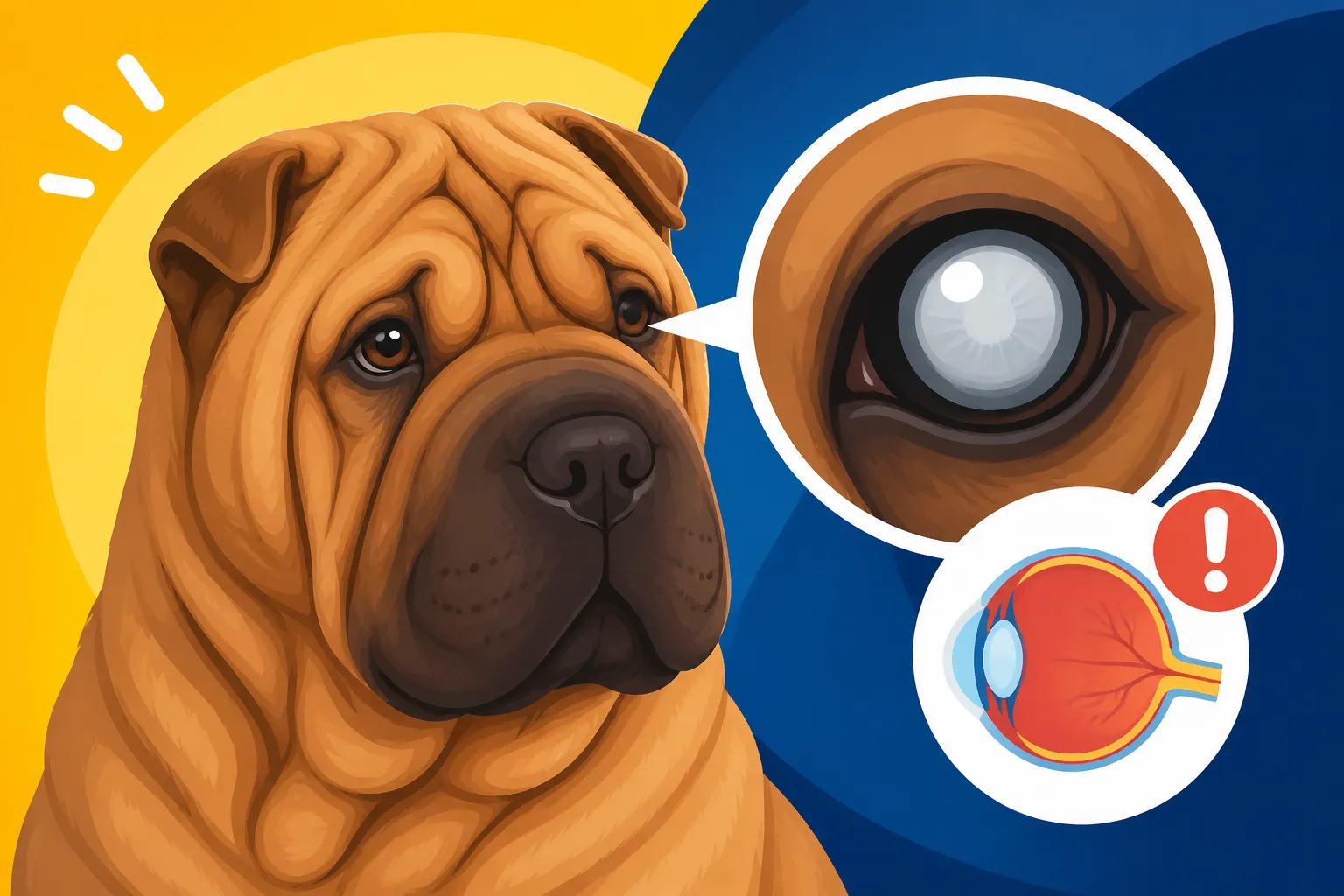
- Cloudiness or Bluish Haze: The cornea, the clear outer layer of the eye, can start to look cloudy or develop a bluish tint as fluid accumulates within it due to high pressure.
- Dilated Pupil: The pupil might appear larger than normal and may not react to light as quickly or as much as the healthy eye. In advanced stages, it can become fixed and unresponsive.
- Bulging or Enlargement of the Eyeball (Buphthalmia): This is a very late and serious sign. The constant high pressure physically stretches the eyeball, making it appear larger than the other eye. By this point, vision is often severely compromised or lost.
- Squinting, Tearing, or Pawing at the Eye: These are clear indicators of pain or irritation. Your Shar Pei might be trying to alleviate discomfort.
- Vision Loss or Disorientation: You might notice your dog bumping into objects, especially in dim light or unfamiliar surroundings. They might be hesitant to jump on furniture or navigate stairs. This can be harder to spot if it affects only one eye.
- Appetite Changes or Lethargy: Pain and discomfort can manifest as a general decline in well-being. A dog in pain might lose interest in food or become unusually quiet.
| Symptom | Urgency | What it Might Indicate |
|---|---|---|
| Mild Redness / Blinking | Moderate | Early irritation, potentially initial pressure rise. |
| Cloudiness / Blue Haze | High | Fluid accumulation in cornea, indicating elevated IOP. |
| Dilated / Unresponsive Pupil | Very High | Optic nerve damage or severe pressure affecting iris function. |
| Bulging Eyeball (Buphthalmia) | Emergency | Chronic, severe glaucoma; significant vision loss likely. |
| Squinting / Pawing at Eye | High | Pain and discomfort, necessitates immediate vet visit. |
| Vision Loss / Disorientation | High | Significant optic nerve damage; vision is failing or lost. |
| Lethargy / Appetite Loss | High | Systemic effect of pain; animal is suffering. |
It's also worth remembering that because Shar Pei often have deep-set eyes, observing these changes can be more challenging. You might need to gently part their wrinkles to get a clear view. If you have any doubt, always err on the side of caution and contact your veterinarian immediately. Early intervention is truly the only chance you have to preserve your Shar Pei's vision and comfort. This is where Whether a Shar Pei's Eyes Should Be Checked Yearly becomes more than just a recommendation, but a crucial part of their ongoing health management.
Diagnosis and Treatment Options for Your Shar Pei
When you suspect glaucoma, your veterinarian will likely refer you to a veterinary ophthalmologist, a specialist in animal eye care. While your regular vet can perform an initial assessment, an ophthalmologist has specialized equipment and expertise to accurately diagnose and manage this complex condition. This visit isn't just a formality; it's a critical step to get a precise diagnosis and understand the best path forward. The urgency of these visits cannot be overstated; time truly is vision when it comes to glaucoma.
The Diagnostic Process
The ophthalmologist will conduct a thorough eye examination. Key diagnostic tools include:
- Tonometry: This is the primary method for measuring intraocular pressure (IOP). A small, specialized instrument, often a TonoPen or iCare tonometer, is gently touched to the surface of the eye after a numbing drop is applied. This measurement gives an immediate reading of the pressure inside the eye. A consistently high reading is a strong indicator of glaucoma.
- Goniometry: This procedure uses a special contact lens with mirrors to allow the ophthalmologist to directly visualize the drainage angle of the eye. This helps determine if the glaucoma is primary (closed-angle) or secondary, which impacts treatment decisions. For Shar Pei, observing a narrow or closed angle would confirm their predisposition to primary closed-angle glaucoma.
- Ophthalmoscopy: The ophthalmologist will examine the optic nerve and retina at the back of the eye. Damage to the optic nerve is the hallmark of glaucoma, and observing this damage helps assess the severity and progression of the disease.
- Ultrasound (Ocular Ultrasound): In cases where the internal structures of the eye are obscured by corneal edema or cataracts, an ultrasound can provide valuable information about the structures behind the pupil, helping to identify underlying causes of secondary glaucoma.
Treatment Strategies: Medical and Surgical Approaches
Once glaucoma is diagnosed, the goal of treatment is twofold: to reduce the intraocular pressure as quickly as possible and to manage pain, thus preserving vision and quality of life. Unfortunately, glaucoma cannot be cured, but it can be managed.
Medical Management: This is usually the first line of defense, especially in acute cases. It involves a regimen of eye drops designed to either decrease the production of aqueous humor or increase its outflow. Common medications include prostaglandin analogs (e.g., latanoprost), carbonic anhydrase inhibitors (e.g., dorzolamide), and beta-blockers (e.g., timolol). These drops often need to be administered multiple times a day, every day, for the rest of your dog’s life. It's a significant commitment, both in terms of time and cost. Understanding Whether a Shar Pei's Eye Drops Are a Lifetime Cost is important for managing expectations.
Surgical Options: When medical management isn't enough to control the pressure or if vision has already been lost, surgical interventions may be considered.
- Laser Cyclophotocoagulation: This procedure uses a laser to destroy some of the cells that produce aqueous humor, thereby reducing fluid production and pressure. It's often performed on eyes with some remaining vision, but it's not always a permanent fix, and repeat procedures might be necessary.
- Aqueous Shunt Implantation: A tiny tube (shunt) is surgically implanted into the eye to create an alternative drainage pathway for the aqueous humor, helping to lower the pressure.
- Enucleation (Eye Removal): This is often recommended for eyes that have become blind and are chronically painful despite maximal medical and surgical efforts. While it sounds drastic, removing a blind, painful eye can dramatically improve a dog's quality of life, freeing them from constant discomfort.
- Intraocular Prosthesis: In some cases, after enucleation, an artificial eye can be implanted for cosmetic reasons. This maintains the natural look of your dog's face without the pain of the diseased eye.
The financial implications of glaucoma treatment can be substantial, ranging from ongoing medication costs to thousands of dollars for surgical procedures. This is where pet insurance, like a comprehensive plan from Healthy Paws, can be an absolute lifesaver. Planning for these potential expenses is a realistic part of Shar Pei ownership, as their health challenges often require specialized and costly care.
Proactive Eye Care and Long-Term Management for Your Shar Pei
Living with a Shar Pei means embracing their unique quirks and also proactively managing their potential health issues. When it comes to their eyes, vigilance isn't just a suggestion; it's a lifeline. The proactive approach starts the day you bring your wrinkly friend home and continues throughout their entire life. Regular, routine care, coupled with an awareness of their breed-specific vulnerabilities, can make a monumental difference in catching issues like glaucoma early.
It’s crucial to understand that while we can manage glaucoma, we cannot undo the damage already done. Therefore, the focus of long-term care shifts towards prevention of further loss and maintaining your dog's comfort and quality of life. This requires a dedicated partnership between you, your primary veterinarian, and a veterinary ophthalmologist.
The Importance of Regular Veterinary Check-ups
Given the Shar Pei's predisposition to eye issues, routine veterinary check-ups should always include a thorough eye examination. Don’t be afraid to specifically ask your vet to pay extra attention to your Shar Pei’s eyes. While a standard vet visit may not include tonometry unless there's a specific concern, discussing your Shar Pei’s breed risk might prompt them to perform one, especially as your dog ages. These regular check-ups can also catch other issues, like entropion, early on. Remember, Entropion in a Shar Pei Puppy Is an Emergency, Not a Cosmetic Issue, and addressing it promptly can prevent secondary complications that might indirectly impact overall eye health.
Furthermore, consider an annual visit to a veterinary ophthalmologist, especially if your Shar Pei has any history of eye problems or if glaucoma runs in their lines. These specialists have the equipment and experience to detect the most subtle changes that a general practitioner might miss. For a breed already prone to limited peripheral vision due to their facial structure—sometimes Why a Shar Pei Cannot See to the Side—maintaining central vision is even more critical.
Monitoring at Home and Environmental Adaptations
As a Shar Pei owner, you are the first line of defense. Daily, gentle examination of your dog’s eyes should become a routine. Look for any changes in color, clarity, pupil size, or discharge. Watch for signs of discomfort such as squinting, rubbing, or excessive tearing. Because a Shar Pei's deep-set eyes and prominent wrinkles can sometimes obscure subtle changes, you might need to gently pull back the skin around their eyes to get a clear view.
If your Shar Pei has been diagnosed with glaucoma in one eye, it's highly probable the other eye will eventually be affected. Therefore, consistent medication for the affected eye and often preventative medication for the "good" eye is paramount. This adherence to medication is non-negotiable for managing the disease and slowing its progression. Consistent care can truly feel like a full-time job, but it's essential.
For Shar Pei living with vision impairment, making some adjustments to their home environment can significantly improve their quality of life. Keep furniture and dog beds in consistent locations to minimize confusion and bumping. Use consistent verbal cues for navigation. If they have partial or complete vision loss, ensure their environment is safe and free of hazards. While Whether a Shar Pei's Wrinkles Block Its Vision is a different issue, it highlights that their visual field is already somewhat compromised, making any further loss even more impactful.
Financially planning for long-term conditions like glaucoma is also a huge part of responsible ownership. The costs associated with medications, regular specialist visits, and potential surgeries can add up quickly. A pet insurance provider like Healthy Paws can offer crucial financial support for these ongoing expenses, making sure you don't have to choose between your dog's health and your wallet. Understanding these commitments and preparing for them is key to giving your Shar Pei the best possible life.
Disclaimer
This article is intended for informational purposes only and does not constitute veterinary advice. Always consult with a qualified veterinarian or a board-certified veterinary ophthalmologist regarding any health concerns or before making any decisions about your Shar Pei's medical care.


