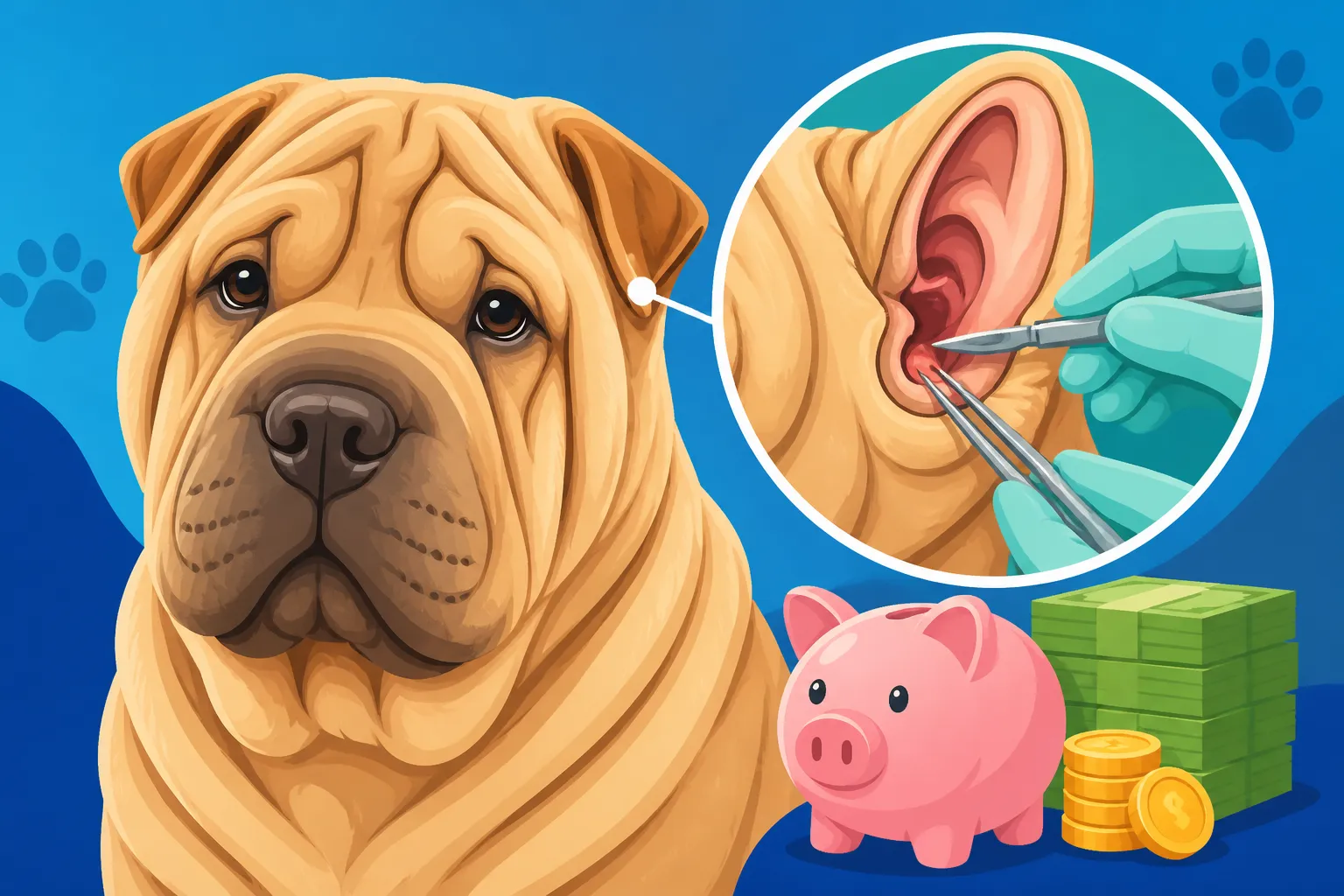
What Ear Canal Surgery Costs on a Shar Pei
Few things are as frustrating for a Shar Pei owner as the endless cycle of ear infections. You try drops, cleanings, special diets, but sometimes, the problem goes beyond simple management, leading you down the path of considering total ear canal ablation (TECA) surgery. This guide is here to break down what ear canal surgery entails for your beloved Shar Pei, and crucially, what costs you can realistically expect to incur along the way, helping you navigate this challenging decision with clear eyes.
Understanding the Problem: Why Shar Pei Need Ear Canal Surgery
If you're reading this, chances are you've already experienced the persistent battle against your Shar Pei's ear issues. It's a sad reality for many owners of this wonderful breed, and often, it's rooted in their unique physical characteristics. Understanding why surgery becomes necessary is the first step in accepting its potential expense.
The Unique Anatomy of a Shar Pei's Ear
Imagine trying to clear a drainpipe that's naturally narrower than most, then add some twists and turns. That's a bit like what it's like inside a Shar Pei's ear canal. These dogs are genetically predisposed to having incredibly narrow ear canals, making them a perfect breeding ground for trouble. This isn't just a minor inconvenience; it's a fundamental structural issue. Not only are the canals narrow, but they often have more hair and glandular tissue than other breeds, producing excessive wax and creating a moist, warm environment where bacteria and yeast thrive. It's a perfect storm for chronic inflammation and infection, and it's a primary reason why A Shar Pei Has the Narrowest Ear Canals of Any Breed.
This unique anatomy means that air circulation is severely restricted. When moisture gets trapped—from bathing, swimming, or even just humidity in the air—it doesn't dry out easily. This constant dampness combined with the lack of airflow allows pathogens to proliferate, leading to discomfort, pain, and a constantly recurring cycle of infection. For many Shar Pei, their ears are a lifelong struggle, making ear care a regular, almost ritualistic, part of their routine.
Chronic Infections and Their Impact
Chronic ear infections are far more than just an annoyance. They cause immense pain and suffering for your dog. You see the head shaking, the scratching, the whimpering, and sometimes, the way they shy away from touch around their head. These aren't just one-off events; they're recurring nightmares for both pet and owner. Over time, repeated infections cause irreversible changes to the ear canal itself. The lining of the canal thickens and calcifies, becoming hard and bony. This process, known as stenosis, further narrows the canal, making it even harder for medications to penetrate and reach the source of the infection.
Imagine putting ear drops into a rock-hard, almost-closed tube; it's practically impossible for the medicine to work effectively. This persistent inflammation and hardening can also lead to the ear canal actually closing over, which is a truly dire situation where airflow is completely cut off and infections become impossible to treat non-surgically. The constant pain can also affect your Shar Pei's overall temperament, making them withdrawn or even irritable. It's a vicious cycle where each infection makes the next one more likely and harder to resolve. This is why for many Shar Pei owners, the phrase Ear Infections Are a Subscription With a Shar Pei rings painfully true.
When Conservative Treatment Fails
So, you've tried everything, right? You've diligently administered prescription ear drops, performed countless ear cleanings, adjusted their diet in case of allergies, and made numerous trips to the vet. You might have even had What a Shar Pei's Sedated Ear Cleaning Costs done, hoping to get a fresh start. Yet, the infections keep coming back with a vengeance. The painful head shaking returns, the unpleasant odor persists, and your dog's quality of life diminishes. This is the point where conservative medical management has truly failed.
When the ear canal walls have thickened and become calcified, and the infection has burrowed deep, often into the middle ear, topical medications simply cannot penetrate the affected areas anymore. Oral antibiotics might offer temporary relief, but they rarely resolve the underlying structural problem. At this stage, your veterinarian might recommend a total ear canal ablation (TECA) as the only viable long-term solution. It's not a decision made lightly, as it's a major surgery, but for many Shar Pei suffering from intractable, painful ear disease, it offers the only path to lasting comfort and freedom from chronic pain. You're left asking, How Long a Shar Pei's Ear Infection Ever Clears, and often the answer is, without surgery, it won't.
The Surgical Procedure: What Total Ear Canal Ablation (TECA) Involves
Total Ear Canal Ablation, or TECA, sounds daunting, and it is a significant surgery. However, for dogs suffering from severe chronic ear disease, it's often a life-changing procedure that eliminates their constant pain and improves their overall well-being. Knowing what to expect can help ease some of the anxiety.
What TECA Actually Is
Total Ear Canal Ablation (TECA) is a surgical procedure where the entire diseased ear canal (both the vertical and horizontal parts) and the tympanic bulla (a bony cavity in the skull that surrounds the middle ear) are removed. Essentially, the problematic ear structure is completely taken out, and the outer ear opening is permanently sealed. The goal is to remove all diseased tissue that has been the source of chronic infection and pain.
This leaves a clean, closed wound, preventing any further infections from developing in that ear. It's an irreversible procedure, meaning once done, there's no going back, and the dog will lose hearing in the affected ear. However, for a dog whose ear canal is already calcified and perpetually infected, their hearing in that ear is often already significantly compromised, and the relief from pain far outweighs the functional loss. The procedure requires a highly skilled veterinary surgeon, often a specialist, due to the delicate anatomy surrounding the ear, including facial nerves.
Anesthesia and Monitoring During Surgery
Given the complexity and invasiveness of TECA, your Shar Pei will require general anesthesia. This isn't just a quick jab; it's a carefully managed process. Before surgery, your dog will undergo a thorough pre-anesthetic evaluation, which includes blood tests, and sometimes chest X-rays, to ensure they are healthy enough for anesthesia. During the surgery, a dedicated veterinary technician will monitor your dog's vital signs meticulously: heart rate, respiratory rate, blood pressure, oxygen saturation, and temperature. This continuous monitoring is crucial for minimizing risks associated with anesthesia, especially in a breed like the Shar Pei which can sometimes have unique physiological responses or sensitivities.
Fluids are typically administered intravenously to maintain hydration and blood pressure. Pain management begins even before your dog wakes up, with pre-emptive analgesia to ensure a smoother and more comfortable recovery. Modern veterinary anesthesia is incredibly safe, but it's still a serious undertaking, and the level of monitoring required adds to the overall cost, reflecting the expertise of the veterinary team involved.
Potential Risks and Complications
No surgery comes without risks, and TECA is no exception. While the success rate is generally very high in eliminating chronic ear infections, potential complications can arise. One of the most common concerns is damage to the facial nerve, which runs very close to the ear canal. If this nerve is bruised or damaged during surgery, it can lead to temporary or permanent facial paralysis on the affected side. This might manifest as a droopy eyelid, lip, or difficulty blinking, potentially requiring lubricating eye drops to protect the eye.
Other potential complications include hemorrhage during or after surgery, infection of the surgical site (despite removing the diseased canal, bacteria can still be present), or the formation of a seroma (a pocket of fluid) under the skin. While less common, some dogs might experience vestibular signs like head tilt or difficulty with balance, usually temporary. Your veterinary surgeon will discuss these risks with you in detail, and their experience and skill play a huge role in minimizing these possibilities. Despite these potential complications, for a dog that has suffered for years, the relief from chronic pain often makes the decision to proceed with TECA a clear one.
Components of the Cost: Breaking Down the Bill
The total cost of ear canal surgery on a Shar Pei isn't just a single figure; it's a sum of many individual services and items. Understanding each component can help you prepare financially and appreciate the value of the care your dog receives.
Pre-Surgical Diagnostics and Consultations
Before your Shar Pei even gets to the operating table, there's a significant amount of preparatory work. This typically starts with several consultations with your primary veterinarian, who will likely perform various tests to confirm the extent of the ear disease. This often includes ear cytology (looking at samples under a microscope), ear cultures to identify specific bacteria or yeast, and sensitivity testing to determine which antibiotics will be most effective. You might also have already paid for What a Shar Pei's Ear Culture Costs several times over the years.
Once surgery is a serious consideration, your dog will usually be referred to a veterinary specialist, such as a board-certified surgeon or a veterinary dermatologist, for an in-depth evaluation. This specialist consultation itself will incur a fee. They may recommend further diagnostics, such as CT scans or MRI of the head, to visualize the ear canal and surrounding structures in detail, assess the extent of the disease, and rule out other issues like tumors. These advanced imaging studies are crucial for surgical planning but also represent a substantial part of the pre-surgical expenses. All of these steps are vital to ensure the surgery is appropriate and planned meticulously.
The Surgical Fee Itself
This is often the largest single component of the total bill. The surgical fee encompasses the surgeon's time and expertise for performing the complex TECA procedure. This isn't a simple procedure; it requires precise dissection and careful navigation around critical structures like the facial nerve. As such, the fee reflects the specialist's training, experience, and the intricate nature of the operation. If you're consulting with a board-certified veterinary surgeon, their fees will naturally be higher than a general practitioner, but their specialized knowledge greatly reduces risks.
The surgical fee also covers the use of the operating room, surgical equipment, and consumables like sutures, sterile drapes, and blades. It can also include the immediate post-operative care provided by the surgical team. The range for this fee can vary significantly based on the region, the specific veterinary hospital or specialist clinic, and the complexity of the individual case (e.g., if one or both ears are being operated on). It's always wise to get a detailed estimate from your veterinary team, outlining exactly what is included in this major charge.
Hospitalization and Medication Costs
After such an invasive surgery, your Shar Pei will need to stay at the veterinary hospital for a period of recovery and monitoring, typically for one to three nights. This hospitalization allows the veterinary team to manage pain effectively, monitor for any immediate complications, and ensure your dog is comfortable and stable before going home. The daily charge for hospitalization covers nursing care, intravenous fluids, and continuous observation.
Medications are another significant cost. Your dog will likely go home with a regimen of pain relievers, antibiotics (to prevent post-operative infection), and potentially anti-inflammatory drugs. These prescription medications, like What Prescription Ear Drops Cost a Shar Pei Owner, are essential for a smooth recovery and will add to the overall expense. Some dogs may also require special protective collars (e.g., an E-collar or recovery cone) to prevent them from scratching or licking the surgical site, which is also an additional cost to consider. The staff will also educate you on how to administer these medications and care for the surgical site at home.
| Cost Component | Description | Example Items |
|---|---|---|
| Pre-Surgical Diagnostics | Tests and consultations to diagnose the problem and plan surgery. | Vet consultations, ear cytology, ear cultures, sensitivity testing, specialist referral, CT/MRI scans, bloodwork. |
| Surgical Fee | The cost for the surgeon's expertise and the use of surgical facilities. | Surgeon's time, operating room, anesthesia, surgical instruments, basic post-op monitoring in recovery. |
| Hospitalization | Overnight stays for recovery and continuous monitoring. | Daily boarding fee, nursing care, IV fluids, monitoring equipment. |
| Medications | Pain relief, antibiotics, anti-inflammatories, and sedatives if needed. | Oral pain medications, antibiotics, anti-inflammatory drugs, Elizabethan collar (E-collar). |
| Post-Operative Follow-ups | Subsequent visits to check healing and remove sutures. | Vet check-ups, bandage changes, suture removal, potentially additional diagnostics if complications arise. |
Beyond the Surgery: Post-Operative Care and Long-Term Expenses
The financial commitment doesn't end when your Shar Pei comes home from the hospital. The post-operative period is crucial for successful healing, and there will be ongoing costs associated with managing their recovery and adapting to life after TECA.
Medications and Follow-Up Visits
Once your Shar Pei is discharged, you'll be responsible for continuing their medication regimen at home. This usually involves several weeks of oral antibiotics to ensure any lingering infection is completely cleared and to prevent new ones from taking hold in the healing tissues. Pain medication will also be crucial for the initial recovery phase, tapering off as your dog becomes more comfortable. These medications, prescribed by your vet, are vital for managing discomfort and preventing complications, and their cost should be factored into your budget.
Regular follow-up visits with your veterinary surgeon will also be necessary. Typically, there will be appointments for wound checks, suture removal (if non-dissolvable sutures were used), and general assessment of the healing process. These visits ensure that the surgical site is healing properly and that your dog is recovering without issues. If any complications arise, additional visits or treatments will, of course, add to the expenses. It's a structured recovery process that requires diligence and commitment.
Managing Pain and Recovery at Home
Bringing your Shar Pei home after TECA surgery means a period of focused care. They will be on restricted activity for several weeks, meaning no strenuous play, jumping, or roughhousing. This might involve keeping them in a quiet, confined space to prevent accidental injury to the surgical site. A comfortable, clean bed is essential. You'll need to closely monitor the surgical incision for any signs of swelling, redness, discharge, or pain, and report any concerns to your vet immediately.
Your dog will also likely need to wear an Elizabethan collar (the dreaded "cone of shame") for a period to prevent them from scratching or licking at the incision, which could lead to infection or dehiscence (the wound opening up). This can be a challenging adjustment for both dog and owner, but it's absolutely critical for proper healing. Providing mental enrichment through gentle play or puzzle toys while restricting physical activity will be key to keeping your Shar Pei happy during this recovery phase. These adjustments to routine and the need for constant supervision contribute to the "hidden" costs of time and effort in recovery.
Addressing Hearing Loss
After a TECA procedure, your Shar Pei will permanently lose hearing in the operated ear. This is a significant change, but for many dogs who have lived with chronic pain and severely compromised hearing due to disease, the improvement in comfort is well worth it. However, it does require some adaptation from both the dog and the owner. If only one ear was affected, your dog will still have hearing in the other ear, and most adapt remarkably well. They might simply turn their head more often to orient sound.
If both ears require TECA (which is sometimes the case in severe, bilateral disease), your Shar Pei will become completely deaf. This requires a more substantial adjustment. You'll need to learn to communicate using hand signals and visual cues rather than verbal commands. Ensuring a safe environment, where they can't be startled or unaware of approaching dangers, becomes paramount. Many deaf dogs live full, happy lives, but it does mean a conscious effort from the owner to adapt communication and safety protocols. This shift in lifestyle and communication, while not a direct financial cost, is an important long-term consideration after surgery. You can read more about Whether a Shar Pei Loses Hearing After Ear Surgery.
Financial Planning and Support: Managing the Expense
The costs associated with TECA surgery can be substantial, making financial planning a critical part of the process. Luckily, there are various avenues to explore to help manage these expenses and ensure your beloved Shar Pei gets the care they need.
The Role of Pet Insurance
Pet insurance can be an absolute lifesaver when faced with unexpected and expensive veterinary procedures like TECA surgery. If your Shar Pei was enrolled in a comprehensive pet insurance plan before chronic ear infections became a diagnosed problem, there's a good chance a significant portion of the surgical costs would be covered. Policies vary widely, but many will reimburse a percentage of veterinary bills after a deductible is met. It's really worth researching Whether Pet Insurance Is Worth It on a Shar Pei, as their breed-specific health issues often make it a wise investment.
However, it's crucial to understand the concept of pre-existing conditions. If your Shar Pei already had a history of ear infections before you purchased a policy, the insurance company will likely classify it as a pre-existing condition, meaning the TECA surgery and related treatments would not be covered. This is why getting pet insurance early in a dog's life, ideally as a puppy, is always recommended. Companies like Healthy Paws offer comprehensive plans, but always review their terms regarding waiting periods and pre-existing conditions very carefully. While pet insurance can't cover everything, for many, it provides the peace of mind and financial buffer needed for major medical decisions.
Payment Options and Financial Aid
Even with careful planning or partial insurance coverage, the cost of TECA can still be daunting. Thankfully, most veterinary clinics understand this and offer various payment options. Many provide installment plans, allowing you to pay off the balance over several months. You might also look into third-party financing options like CareCredit, which offers special financing and payment plans for healthcare expenses, often with deferred interest if paid within a certain timeframe. It's essentially a credit card specifically for medical expenses.
Additionally, there are numerous charitable organizations and foundations that offer financial assistance to pet owners facing high veterinary bills. These organizations often have specific criteria based on income, type of illness, or breed. A quick online search for "veterinary financial aid" or "pet assistance grants" in your area can reveal resources. Your veterinary clinic might also be able to provide a list of local and national organizations they've worked with previously. While not a guaranteed solution, these resources can provide much-needed relief during a stressful time.
Preventing Future Ear Issues
While TECA surgery eliminates the problem in the affected ear, a Shar Pei's predisposition to ear problems doesn't vanish entirely if the other ear is still intact, or if they have other breed-specific issues. Prevention becomes the best long-term strategy for maintaining overall health and minimizing future veterinary costs. This involves diligent, routine care. Regular cleaning of the remaining ear (if applicable) with appropriate, vet-approved cleansers is crucial, especially after baths or swimming. You can find excellent ear cleansers and other pet care supplies through retailers like Chewy.
Maintaining a healthy diet is also important. Some Shar Pei have food sensitivities or allergies that can manifest as skin or ear issues. Working with your vet to find a suitable diet, perhaps a limited ingredient food, can make a significant difference. Brands like Ollie offer fresh, customized meal plans that might suit a sensitive Shar Pei, and good nutrition can boost overall immunity and skin health. Regular veterinary check-ups are paramount, too, as early detection of any new issues can prevent them from escalating into another costly crisis. Remember, consistent preventive care, while it has its own minor costs, is almost always less expensive than treating a full-blown medical emergency.
Disclaimer
This article is for general informational purposes only and does not constitute professional advice. Laws, prices and regulations vary by location and change over time. Consult a qualified professional for guidance on your specific situation.