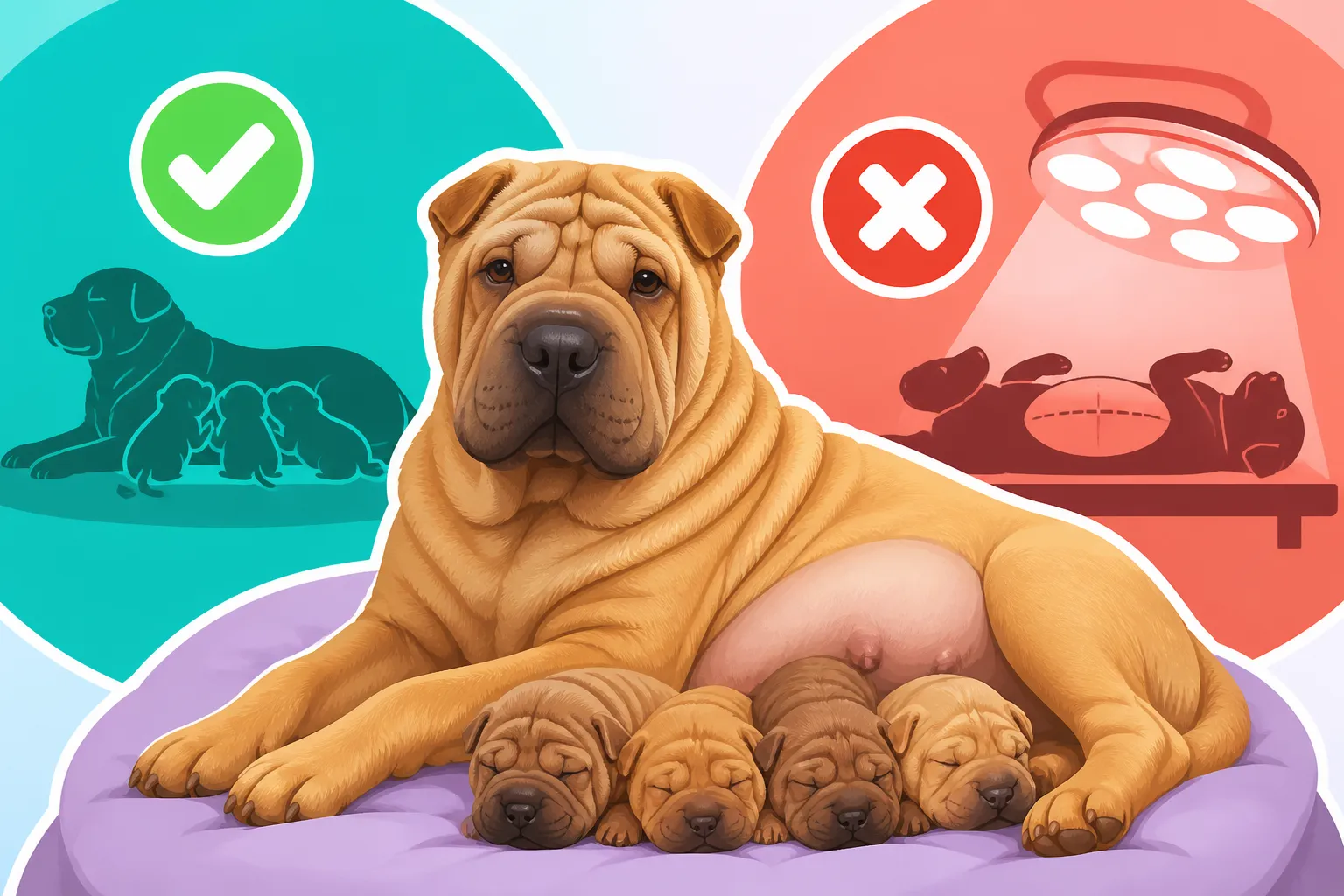
Whether a Shar Pei Litter Needs a Cesarean
Bringing a litter of Shar Pei puppies into the world is an exciting, yet often nerve-wracking, experience for any owner or breeder. While many breeds can manage natural births with minimal intervention, the unique physiology of the Shar Pei means that preparing for a potential Cesarean section isn't just a precaution; it's often a necessary part of responsible breeding and ownership. This guide will walk you through why Shar Pei are prone to difficult births, what signs to watch for, and how best to prepare for the possibility of a C-section, ensuring the safety of both mother and puppies.
The Shar Pei's Unique Pregnancy and Birthing Realities
It's no secret that Shar Pei are a breed with distinctive traits, and unfortunately, some of these traits can complicate the birthing process. Understanding these realities beforehand can help you feel more prepared and less panicked if things don't go exactly as planned. We're talking about a breed that has often faced a "boom" and "bust" in popularity, sometimes leading to less-than-ideal breeding practices that can inadvertently exacerbate birthing challenges.
Why Shar Pei Deliveries Can Be Tricky
The primary reason Shar Pei deliveries can be difficult often boils down to a mismatch between the size of the puppies and the mother's pelvic canal. Shar Pei puppies, even with their adorable wrinkles, can have heads that are disproportionately large relative to the birth canal. This isn't just about general breed size; it's often due to the same genetic factors that give them their signature look. Think about it: a larger skull for all those lovely folds, even if the body isn't enormous, can create a serious physical obstruction.
Furthermore, Shar Pei mothers can sometimes experience what's known as uterine inertia. This means the uterus simply becomes too tired or inefficient to contract effectively, leading to prolonged labor without progress. This can be especially frustrating and worrying, as the mother might be trying her hardest, but her body just isn't cooperating. This can be more common in breeds that have historically large litters or, conversely, very small litters where puppies grow exceptionally large. While Shar Pei typically have moderate litter sizes, these issues still present a real risk. It’s vital to remember that these aren't failings on the part of your dog; they are physiological challenges that require careful management.
Genetic Factors and the Wrinkle Gene's Role
The very genes responsible for the Shar Pei's iconic wrinkles, particularly the genetic mutation that causes an overexpression of hyaluronic acid, can indirectly play a role in birthing difficulties. While not a direct cause of a large head size, this genetic background contributes to the breed's overall conformation, which includes a more substantial skull structure in some lines. When you combine this with the breed's general propensity for certain health issues, the stress of a difficult labor can compound existing vulnerabilities.
It’s worth noting that the "meat mouth" type of Shar Pei, known for its extensive padding and wrinkles, tends to have a more exaggerated head shape, which could contribute to larger puppy heads compared to the "bone mouth" type. This isn't a hard and fast rule, but it highlights how distinct breed characteristics can have unforeseen consequences in areas like reproduction. Responsible breeders are constantly striving to balance desired breed traits with overall health and ease of whelping, but even with the best intentions, complications can arise. Understanding Which Gene Duplication Causes a Shar Pei's Wrinkles helps us appreciate the deeper genetic landscape of the breed.
Recognizing the Red Flags: When Your Shar Pei Needs Veterinary Intervention
Knowing when to call the vet is probably one of the most stressful parts of managing a Shar Pei pregnancy. It’s easy to second-guess yourself, especially if it’s your first time or if previous experiences have been straightforward. But with a Shar Pei, being overly cautious is always the best approach. Don't wait until it's too late; a few hours can make all the difference for the lives of the mother and her puppies.
Key Indicators of Dystocia in Shar Pei
Dystocia, or difficult birth, manifests in several ways. For Shar Pei, these signs should trigger an immediate call to your veterinarian.
- Prolonged Gestation: While a normal gestation period is around 63 days, if your Shar Pei goes significantly past day 65 without showing signs of labor, it's a red flag. Puppies can become too large, and placental function can decline.
- Strong, Unproductive Contractions: The mother is having strong, visible contractions for 30-60 minutes without producing a puppy. She might be straining, pushing, and showing discomfort, but nothing emerges. This is a classic sign of an obstruction.
- Weak or Infrequent Contractions: She starts labor, perhaps passes one or two puppies, and then contractions become weak, sporadic, or stop entirely for more than two hours while you know there are more puppies inside. This suggests uterine inertia.
- Greenish or Black Discharge Without a Puppy: This discharge, often called meconium staining, indicates placental separation or fetal distress. If you see this and a puppy doesn't appear within 30 minutes, it's an emergency. This means a puppy is in distress and needs out now.
- Mother in Obvious Distress or Collapse: Beyond normal labor discomfort, if your Shar Pei is panting excessively, trembling uncontrollably, appears weak, or collapses, she needs immediate veterinary attention. This could indicate exhaustion, pain, or other underlying complications.
- More Than 2 Hours Between Puppies: After the first puppy, it's normal for there to be a pause. However, if more than two hours pass between puppies, and you know there are more to come, it's time to worry. The risk of fetal death increases significantly with prolonged intervals.
- Visible Puppy Stuck: If you can see a puppy partially emerged but it's not progressing despite contractions, do not pull on it. This can cause serious injury to both mother and puppy. Call your vet immediately.
The Critical Timing of Veterinary Care
Timing is absolutely everything when it comes to a difficult Shar Pei birth. What might be a "wait and see" situation for some other breeds can quickly become life-threatening for a Shar Pei. Waiting too long can lead to fetal death due to lack of oxygen or the mother becoming too exhausted to recover, even with a C-section. A rule of thumb many experienced breeders follow is: "When in doubt, check it out." This means a call to the vet the moment you notice any of these red flags.
Your veterinarian will likely perform a physical examination, potentially an abdominal palpation, and often an X-ray to determine the number, size, and position of the remaining puppies. They'll also assess the mother's overall health. This information is crucial for deciding if a C-section is necessary. Sometimes, an X-ray can reveal a puppy that is simply too large to pass naturally, or one that is positioned incorrectly. Don't be afraid to ask for these diagnostics; they are your best tools. Many emergencies could be lessened in severity if prompt action is taken. Learning What a Shar Pei Owner Should Have at Home includes having the vet's number on speed dial!
| Sign of Dystocia (Difficult Birth) | Immediate Action Required | Potential Implication |
|---|---|---|
| Strong, unproductive contractions for >30-60 minutes | Call vet immediately, describe situation | Puppy obstruction, uterine inertia |
| Weak/infrequent contractions for >2 hours (after first pup) | Call vet immediately, describe situation | Uterine inertia, exhausted mother |
| Green/black discharge without a puppy within 30 minutes | Emergency vet visit | Placental separation, fetal distress |
| Mother in severe distress (collapse, extreme panting, trembling) | Emergency vet visit | Exhaustion, pain, internal complications |
| No puppies after 65 days of gestation (from last breeding) | Call vet for assessment | Overdue, puppies too large, placental issues |
| More than 2 hours between puppies | Call vet for assessment | Uterine inertia, fetal distress |
| Puppy partially visible but stuck | Call vet immediately; do not pull | Puppy obstruction, improper presentation |
Proactive Planning for a Shar Pei Litter
While you can't prevent every complication, you can significantly increase the chances of a healthy outcome for your Shar Pei and her litter through diligent planning. This includes everything from choosing the right breeding pair to setting aside the necessary funds. Responsible breeding is about more than just cute puppies; it's about safeguarding the health and future of the breed, which involves a deep understanding of its unique needs.
Choosing the Right Breeder and Preparing the Dam
If you're considering breeding your Shar Pei, the journey begins long before conception. Selecting a healthy dam and sire from a reputable breeder is paramount. A good breeder will have health-tested their dogs, including screenings for conditions common in Shar Pei, such as familial Shar Pei fever (FSF) and kidney issues, which could compound stress during pregnancy. They should be transparent about their dogs' health histories and any past birthing difficulties in their lines. Ask about the pedigree and any instances of C-sections in immediate ancestors. A healthy dam is far better equipped to handle pregnancy and birth.
Once you have a healthy dam, her prenatal care is crucial. This includes a high-quality, balanced diet – perhaps even transitioning to a performance or puppy formula during the latter stages of pregnancy and lactation. Companies like Ollie provide fresh, human-grade food that can be excellent for supporting the nutritional needs of a pregnant or nursing mother, offering a boost in quality that might make a difference. Regular veterinary check-ups throughout her pregnancy are non-negotiable. Your vet can monitor her weight, ensure proper nutrition, and perform late-stage ultrasounds or X-rays to get an estimate of puppy count and size, which can help predict potential difficulties. Discuss early the possibility of an elective C-section if deemed necessary.
Financial Preparedness: The Cost of a Planned vs. Emergency C-section
Let's be brutally honest: owning a Shar Pei can be expensive, and breeding one dramatically multiplies those costs. A C-section is a significant veterinary expense, and the difference between a planned, elective C-section during normal business hours and an emergency C-section in the middle of the night can be substantial. An emergency surgery almost always costs more due to after-hours staffing and urgent protocols. This is one of the Four Bills Every Shar Pei Owner Should Expect when considering breeding.
It is absolutely essential to have an emergency fund specifically earmarked for potential veterinary costs if you're breeding a Shar Pei. This isn't a "nice to have"; it's a "must have." Consider pet insurance from providers like Healthy Paws. While most pet insurance plans won't cover pre-existing conditions (and planned breeding itself is often excluded), some may cover emergency C-sections if they arise unexpectedly during labor and are not considered elective. It's crucial to read the policy details carefully and speak directly with the insurance provider to understand what is and isn't covered regarding pregnancy and birth. Self-insuring by putting money aside into a dedicated savings account is often the most reliable strategy for breeders, ensuring you have the funds available immediately when needed. The cost of intervention can be high, but the alternative of losing the mother or entire litter is far worse.
What to Expect: The Cesarean Section and Post-Operative Care
If, despite all your proactive measures, a C-section becomes necessary, knowing what to expect can help ease your anxiety. It's a major abdominal surgery for your dog, but for an experienced veterinary team, it's a common and often life-saving procedure.
The C-section Procedure Itself
When your Shar Pei arrives at the vet for a C-section, whether planned or emergency, the team will act quickly. They will perform a quick pre-surgical assessment, which often includes blood tests to ensure she's healthy enough for anesthesia and surgery. She'll be prepped by having her abdomen shaved and disinfected. Anesthesia will be administered, and she'll be intubated to ensure her airway is protected. Whether a Shar Pei Tolerates Anesthesia Well is a common concern, but with modern anesthetics and careful monitoring, the risks are significantly minimized.
The veterinary surgeon will make an incision into her abdomen and then into her uterus to gently remove each puppy. As each puppy is delivered, veterinary technicians will immediately begin resuscitating them, clearing airways, rubbing them vigorously to stimulate breathing, and clamping umbilical cords. This is a critical period, as sometimes puppies are weak from prolonged labor. Once all puppies are removed, the uterus will be carefully inspected and then sutured, followed by the abdominal incision. The goal is always to get the mother into recovery as quickly and safely as possible so she can begin bonding with her pups.
Recovery and Caring for Mom and Pups
Immediately after surgery, your Shar Pei will be carefully monitored as she wakes up from anesthesia. The veterinary team will manage her pain with appropriate medication, ensuring her comfort without compromising her ability to care for her puppies. Pain management is crucial, as a comfortable mother is more likely to accept her new role.
Once she is fully recovered and alert, she will be reunited with her puppies. This is often an emotional moment. She will instinctually start to clean and nurse them. It's important to keep the environment warm and quiet for the new family. You might need to assist the weaker puppies in latching onto a nipple, or even tube-feed them if they are too weak to nurse independently. You can find essential supplies for this, like puppy formula and nursing bottles, on sites like Chewy.
The incision site will need to be monitored daily for any signs of infection, swelling, or discharge. Keep her comfortable and prevent her from licking or chewing at the stitches, using an Elizabethan collar if necessary. Her appetite should return quickly, and it's vital she eats well to produce milk for her growing litter. High-quality food, possibly supplemented with additional calories and nutrients, is essential. Regular potty breaks will be necessary, but limit strenuous activity until she is fully healed, usually around two weeks post-surgery. Throughout this period, keep a close eye on both mother and pups for any signs of illness or distress. This entire experience can be physically demanding for the mother, and observing What Changes in an Old Shar Pei's Care for her senior years can start even earlier if she's had a difficult delivery.
Remember, while a C-section might sound daunting, it's a routine and often life-saving procedure that allows your beloved Shar Pei to deliver healthy puppies and recover safely. With careful planning, a good relationship with your vet, and a strong understanding of your breed's needs, you can navigate this journey successfully.
Disclaimer
This article is for general informational purposes only and does not constitute professional advice. Laws, prices and regulations vary by location and change over time. Consult a qualified professional for guidance on your specific situation.