Whether a Shar Pei’s Eyelid Surgery Is Ever Repeated
One of the most heart-wrenching concerns for any Shar Pei owner, especially those new to the breed, revolves around their beautiful, expressive, yet often problematic eyes. When a Shar Pei puppy squints, tears, or shows signs of irritation, the diagnosis of entropion often comes with the added worry: will this surgical fix truly be a permanent one, or is this just the first step in a long, expensive journey of repeat procedures? This guide will dive deep into the realities of Shar Pei eyelid surgery, exploring why it might, or might not, need to be repeated, and what you can do to navigate this challenging aspect of their care.
The Initial Eyelid Procedures: Tacking vs. Permanent Surgery
Before we can even talk about repeat surgeries, it's crucial to understand the initial steps taken to correct entropion, the inward rolling of the eyelid that causes eyelashes and hair to rub painfully against the delicate surface of the eye. These initial interventions set the stage for everything that follows.
Why a Shar Pei Puppy Might Need Tacking
Often, the first sign of entropion appears in Shar Pei puppies, sometimes as young as a few weeks old. Their developing faces, coupled with the breed's characteristic deep-set eyes and abundant facial skin, make them highly susceptible. Puppy entropion is considered an emergency, not just a cosmetic issue, because the constant irritation can quickly lead to corneal ulcers, pain, and even permanent vision damage. For these young pups, the initial intervention is frequently "tacking." This isn't a permanent surgical fix in the traditional sense. Instead, a veterinarian will use sutures, or sometimes surgical staples, to temporarily evert the eyelid, pulling it away from the eye. It's a quick procedure, often done with minimal sedation, and the sutures are usually left in for a few weeks to give the puppy's face a chance to grow and develop.
The idea behind tacking is to provide immediate relief and protect the eye while the puppy matures. As their skull and facial structures develop, sometimes the problem resolves itself, or at least lessens significantly. It’s a bit of a gamble, but a necessary one to protect their eyesight without committing a rapidly growing puppy to a major, potentially permanent, alteration that might become incorrect as their face changes. Think of it as a temporary bandage, buying time for growth.
The Goal of Permanent Entropion Surgery
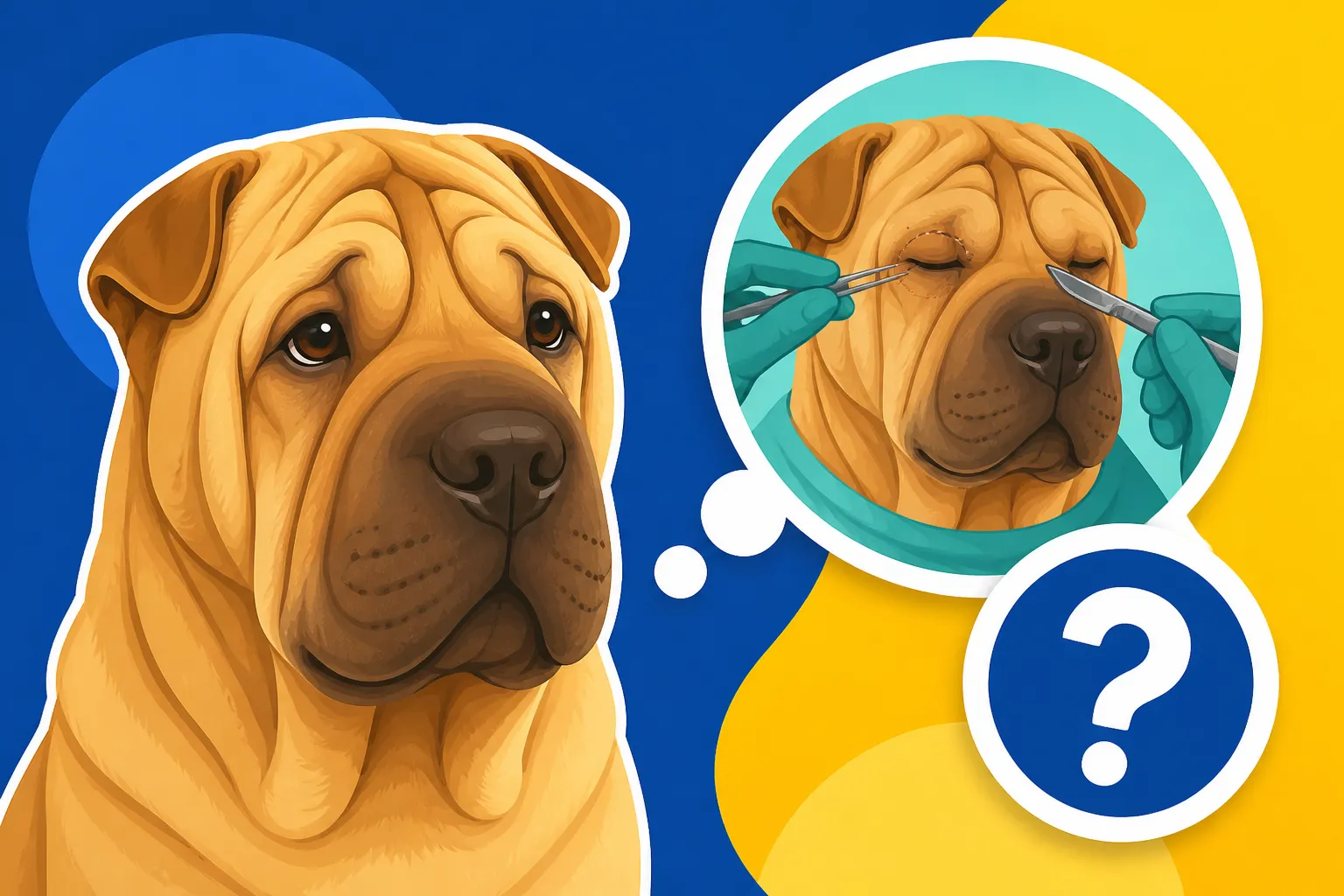
If tacking proves insufficient or if entropion persists into adulthood, a more definitive surgical procedure is performed. This is typically a blepharoplasty, where a wedge of skin and muscle is carefully removed from the affected eyelid, and the remaining edges are sutured together to permanently roll the eyelid outwards. This procedure requires general anesthesia and a much more delicate hand, as the goal is to create a functional, comfortable eyelid without over-correcting and causing ectropion (the eyelid rolling outwards excessively), which comes with its own set of problems.
This permanent surgery aims to be a one-time fix. The surgeon meticulously measures and removes just enough tissue to correct the inward roll, allowing the eyelid to sit comfortably and prevent further irritation. When performed correctly, the vast majority of dogs who undergo this surgery experience lasting relief and no further issues with that particular eyelid. The hope is always that this significant investment in your Shar Pei's eye health will be the end of the journey for entropion.
Factors Influencing the Need for Repeat Surgery
While the goal of permanent entropion surgery is indeed permanence, there are several very real factors that can lead to a Shar Pei needing additional eyelid procedures down the line. It's not always a reflection of poor initial surgery, but rather the complex nature of the breed itself and individual circumstances.
The Impact of Growth and Development
This is perhaps the biggest wild card, especially for dogs who had their first surgery as puppies or adolescents. A Shar Pei puppy has a lot of growing to do, and their head shape can change quite dramatically during their first year or two. While initial tacking is designed to accommodate this, even a permanent blepharoplasty performed on a younger dog might be rendered less effective as their facial bones and skin continue to mature. Imagine a perfectly tailored suit that no longer fits after a growth spurt – the same can happen with eyelid corrections.
Sometimes, a pup might have one eye corrected successfully, but then the other eye develops entropion later, or the initially "fixed" eye simply doesn't grow quite as expected, leading to a residual inward roll. This isn't necessarily a failure of the first surgery, but rather an outcome of the dynamic biological process of growth. Owners might find themselves discussing a second, or even third, procedure if their Shar Pei continues to develop in ways that weren't fully predictable at the time of the first operation.
Surgical Technique and Expertise
The skill and experience of the veterinary surgeon play a significant role in the success rate and the likelihood of needing repeat surgery. While many general practice veterinarians are competent at performing entropion surgery, a board-certified veterinary ophthalmologist has specialized training and a deeper understanding of ocular anatomy and surgical nuances. They are often better equipped to assess the precise amount of tissue to remove to achieve a lasting correction.
An under-correction means the eyelid still rolls inward slightly, leading to ongoing irritation and the need for a revision. An over-correction, leading to ectropion, exposes the eye and can cause dryness and other issues, also necessitating a corrective procedure. It's a delicate balance, and choosing an experienced surgeon can significantly reduce the chances of these outcomes. It's always worth discussing the possibility of an ophthalmology referral if your general vet has concerns or if the issue is particularly severe or complex. What an Ophthalmology Referral Costs for a Shar Pei can be a factor, but the long-term benefit of a skilled surgeon is often invaluable.
Underlying Breed Characteristics
Let's face it, the Shar Pei's iconic wrinkles and deep-set eyes are also the source of many of their health challenges. The very genetic traits that define the breed contribute to the propensity for entropion. Their abundant skin can make it inherently difficult to achieve a perfectly stable eyelid margin. Even with excellent surgery, the sheer volume and elasticity of the skin around their eyes can sometimes lead to a gradual re-rolling over time.
Furthermore, some Shar Pei have exceptionally prominent "meat mouths" or very heavy brow wrinkles, which can put constant pressure on the eyelids, encouraging them to turn inward again. While breeding efforts are being made to produce less exaggerated types, many Shar Pei still carry these traits. This doesn't mean surgery is futile; it simply acknowledges that the underlying anatomy presents a greater challenge for a truly permanent fix compared to breeds with less facial skin.
Recognizing Signs That Repeat Surgery Might Be Needed
As a Shar Pei owner, you become acutely aware of your dog's subtle cues, especially when it comes to their eyes. Knowing what to look for can help you identify if the entropion is returning or if new issues are developing, signaling a potential need for further veterinary intervention.
Persistent or Returning Eye Irritation
The most obvious signs that your Shar Pei might need another eyelid procedure are a return of the symptoms that prompted the first surgery. You might notice your dog squinting, holding one or both eyes partially closed, or rubbing their face excessively with a paw or against furniture. Increased tearing, often staining the fur beneath their eyes, is another common indicator, as is any discharge – whether clear, mucus-like, or yellowish. The eyes might appear red or inflamed, and you might even be able to visually detect that the eyelid margin is rolling inward again, causing the tiny hairs to brush against the eye surface.
It's important to keep a close watch, as these signs can sometimes be subtle initially. Regular, gentle examination of your Shar Pei's eyes can help you catch problems early. If you're wiping away tear stains more often than usual, or if your dog seems sensitive to light, it's definitely time for a check-up with your veterinarian. This vigilance is crucial because chronic irritation is not just uncomfortable, it's actively damaging the eye.
Corneal Damage and Vision Concerns
The real danger of untreated or recurring entropion isn't just discomfort; it's the potential for serious damage to the cornea, the clear outer layer of the eye. The constant abrasion from ingrown hairs can cause superficial corneal ulcers, which are open sores on the eye surface. If these ulcers become deep or infected, they can be incredibly painful and, in severe cases, lead to rupture of the eyeball. Even if they heal, repeated ulcers can cause corneal scarring, which appears as cloudy spots or patches on the eye. These scars can impair vision and, if extensive enough, even lead to partial or complete blindness in the affected eye.
Beyond ulcers and scarring, chronic irritation can predispose the eye to other issues, such as chronic inflammation or even secondary infections. Any change in your Shar Pei's vision, such as bumping into objects on one side, or hesitation in navigating familiar surroundings, should be taken very seriously. These are critical indicators that the eye is severely compromised and that prompt veterinary attention, potentially including repeat surgery, is absolutely necessary to preserve their sight and quality of life. Whether a Shar Pei Goes Blind From Untreated Entropion is a question that highlights the urgency of addressing these issues.
Managing Expectations and Costs for Ongoing Eye Care
Owning a Shar Pei often means accepting that their unique characteristics come with specific health considerations, and eye care is certainly one of them. It's wise to go into Shar Pei ownership with realistic expectations about potential ongoing needs and to plan financially for them.
The Importance of Regular Veterinary Check-ups
Even after successful entropion surgery, regular veterinary check-ups are paramount for a Shar Pei. These appointments aren't just for vaccinations or general health; they're an opportunity for your vet to thoroughly examine your dog's eyes, even if you haven't noticed any immediate issues. A skilled vet can often spot subtle signs of irritation or a potential recurrence before it becomes obvious to an untrained eye. They can also check for other Shar Pei eye issues, such as glaucoma or cherry eye.
These routine exams allow for early intervention, which can often prevent minor issues from escalating into major, more costly problems. It might be as simple as a prescription eye drop or a discussion about a minor revision rather than a full repeat surgery if caught soon enough. Think of it as preventative maintenance for their vision; it's much better to be proactive than reactive when it comes to eye health. Regular check-ups are also crucial for managing other breed-specific conditions, like monitoring kidney health, which often involves routine urine tests and blood work.
Budgeting for Potential Repeat Procedures and Insurance Considerations
The reality is that eyelid surgery, whether initial or repeat, comes with a cost. While we can't put a precise number on it here, it's fair to say that veterinary ophthalmic procedures can be a significant financial undertaking. This is why budgeting specifically for potential Shar Pei health issues, especially those related to their eyes, is a responsible approach for any owner. You might set up a dedicated savings fund or explore pet insurance options.
When considering pet insurance, it's vital to read the policy details carefully. Many policies have clauses regarding pre-existing conditions. If your Shar Pei had entropion before you acquired insurance, subsequent surgeries for the same condition might not be covered. However, if new issues arise, or if you had insurance before the initial diagnosis, coverage might apply. Companies like Healthy Paws offer comprehensive plans, but understanding their specific terms around hereditary and breed-specific conditions is crucial.
| Feature | Temporary Tacking (Puppy) | Permanent Entropion Surgery (Adult) |
|---|---|---|
| Purpose | Immediate relief, protect eye during growth | Long-term correction of eyelid inversion |
| Age | Typically puppies (weeks to months old) | Older puppies, adolescents, adults |
| Anesthesia | Often light sedation or local anesthetic | General anesthesia |
| Cost Implications | Generally lower per procedure, but potentially multiple needed as pup grows | Higher per procedure, aimed to be a single fix |
| Recovery | Relatively quick, sutures removed in weeks | Longer, more involved post-op care |
| Permanence Goal | Temporary | Permanent |
| Likelihood of Repeat | High, often followed by permanent surgery as adult | Possible, but less likely if successful |
| Corneal Protection | Essential, prevents immediate damage | Essential, prevents chronic damage |
Prevention and Proactive Care to Minimize Recurrence
While some factors are beyond an owner's control, there are proactive steps you can take to minimize the likelihood of your Shar Pei needing repeated eyelid surgery and to support their overall eye health. These actions often start even before you bring your Shar Pei home.
Choosing a Reputable Breeder
The foundation of a healthy Shar Pei often begins with responsible breeding practices. A reputable breeder is not just focused on producing beautiful puppies, but healthy ones. They will screen their breeding stock for genetic predispositions to common Shar Pei ailments, including entropion. They should be able to provide clear health histories for the parents and previous litters, detailing any instances of entropion and the corrective measures taken. A breeder who actively selects against exaggerated features, such as overly deep-set eyes or excessive facial wrinkles, can contribute significantly to reducing the incidence of severe entropion in their puppies.
When researching breeders, ask specific questions about their experience with entropion, the percentage of their puppies that have required tacking or surgery, and what kind of support or health guarantee they offer regarding eye issues. While no breeder can guarantee a dog will never have health problems, a conscientious breeder strives to minimize the risks through careful genetic selection and transparency. Asking Whether Breeders Knew the Wrinkle Gene Carried the Fever is also important, as it highlights a breeder's awareness of broader health issues related to the breed's conformation.
Post-Operative Care and Long-Term Eye Health
After any eyelid surgery, diligent post-operative care is absolutely crucial for proper healing and to maximize the chances of a successful, lasting outcome. This typically involves administering prescribed eye drops or ointments, preventing your dog from rubbing or scratching their eyes (often requiring an Elizabethan collar), and keeping the surgical site clean and dry. Following your vet's instructions precisely during this critical healing period can make all the difference.
Beyond the immediate post-op phase, maintaining good long-term eye health involves regular cleaning and monitoring. Gently wiping away any tear staining with a soft, damp cloth can prevent irritation and infection in the skin folds around the eyes. Some owners find specific eye wipes or washes helpful, readily available from retailers like Chewy. Ensuring your Shar Pei has a balanced diet can also support overall health, including skin and eye health. Brands like Ollie focus on fresh, high-quality ingredients, which can be beneficial for a breed prone to sensitivities, though always consult your vet about specific dietary needs for your individual dog, especially if they have allergies. Paying attention to other aspects of their care, such as knowing What a Shar Pei's Skin Costs a Year, helps you understand the holistic investment in their well-being.
Disclaimer
This article is for general informational purposes only and does not constitute professional advice. Laws, prices and regulations vary by location and change over time. Consult a qualified professional for guidance on your specific situation.