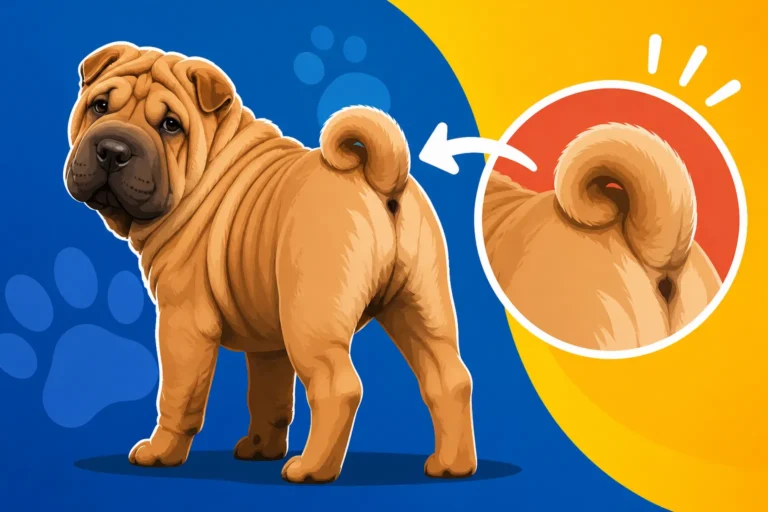
Whether the Shar Pei Was a Pit Dog
The Shar Pei is sometimes described as a Chinese fighting dog, and its loose skin can make that story sound convincing. But the historical picture is more complicated: the breed was valued for several practical jobs, and evidence that it was created primarily for fighting is limited. This guide separates documented context from popular claims and explains what that history does—and does not—mean for a Shar Pei today.
Was the Shar Pei historically a pit dog
A multipurpose working dog, not a single-purpose breed
The Shar Pei developed in southern China as a practical working dog. Accounts of its traditional roles commonly include guarding homes and property, helping with hunting, and working around farms. Those jobs are compatible with a sturdy, watchful dog, but they do not establish that the breed was specifically developed for fighting.
The word “pit dog” can mean different things. Sometimes it refers to a dog deliberately bred for organized fighting; sometimes it is used loosely for any dog that may have been made to fight. Those are not the same claim. A dog being used in a fight in a particular place or period would not prove that fighting was the breed’s original or defining purpose.
Historical records about everyday dogs in rural China are not as complete as modern breed histories. That makes sweeping statements risky. It is more responsible to describe the Shar Pei as a multipurpose Chinese working dog and to treat claims about a specific fighting-dog origin with caution. For a broader look at its traditional roles, see What the Shar Pei Was Used for in China and What Job the Shar Pei Held in Rural China.
Why the fighting-dog story became attached to the breed
The Shar Pei’s appearance has helped keep the fighting story alive. Its loose skin, compact build, and small ears can invite an easy explanation: perhaps those features were designed to help a dog in a fight. But a feature that might be useful in one context is not proof of why it developed. The same physical traits can have several possible explanations, and historical function cannot reliably be inferred from appearance alone.
The story also tends to get repeated without clear distinctions between regional dog-fighting practices, individual dogs used in fights, and a breed deliberately shaped for that purpose. These claims can blur together until “some Shar Pei may have been fought” becomes “the Shar Pei was bred as a fighting dog.” That stronger version needs stronger evidence than a plausible-sounding account.
If you are comparing claims about fighting with claims about other traditional jobs, Whether the Shar Pei Was a Fighting Dog and What the Shar Pei Was Used for in China help frame the question without treating one dramatic label as the whole history.
What the Shar Pei’s physical traits do and do not tell us
Loose skin is not proof of a fighting design
A popular explanation says a Shar Pei’s loose skin allowed it to turn around when grabbed in a fight. It is an intuitive story, but intuition is not documentation. Loose skin can move independently of the body to some degree, yet that does not establish that the trait was deliberately bred for fighting, or that fighting was the breed’s primary purpose.
The breed’s modern appearance also reflects changes over time. The dogs familiar to many people today may look more heavily wrinkled than some historical depictions of Chinese working dogs. Breeding choices, changing preferences, and the development of modern breed standards all complicate attempts to read a simple purpose into the folds.
There is a practical side to those folds, too: they need sensible skin care, not romantic interpretation. Moisture and irritation can collect in folds, so owners should pay attention to redness, odor, discomfort, or persistent itching and ask a veterinarian when something looks wrong. For a closer look at the popular claim, read Whether the Shar Pei's Loose Skin Was Bred for Fighting.
A dog’s shape cannot tell you its temperament
A broad head, strong body, or distinctive skin does not determine whether an individual dog will be aggressive. Temperament develops through a mix of inherited tendencies, early experiences, health, training, and the situations a dog encounters. It is misleading to assume that a Shar Pei must be dangerous because of a historical label—or harmless because the label is disputed.
The breed is often described as independent and reserved with unfamiliar people. That description is not the same as saying every Shar Pei is aggressive. A dog that is uncomfortable, startled, in pain, poorly socialized, or tightly restrained may react defensively; the same can be true of dogs from many breeds. Give the dog space, avoid forcing greetings, and watch its body language rather than relying on a stereotype.
For a balanced distinction between breed history and present-day behavior, see Whether a Modern Shar Pei Retains Fighting Instinct and How a Shar Pei Behaves Toward Other Dogs. They can help owners think about individual behavior without assuming that a historical story predicts what a particular dog will do.
| Claim | What can reasonably be said | What the claim does not prove |
|---|---|---|
| The Shar Pei has been called a fighting dog | Some accounts associate the breed with fighting, and individual dogs may have been used that way | That the breed was created primarily for fighting |
| Loose skin helped in fights | It is a commonly repeated explanation | That the trait was deliberately selected for fighting |
| A Shar Pei may be reserved or dog-selective | Individual dogs can be cautious or uncomfortable around unfamiliar dogs | That every Shar Pei is aggressive or destined to fight |
| The breed has a working history | The Shar Pei is associated with several practical roles in China | That one job explains every physical trait or behavior |
How the breed’s past relates to a Shar Pei you meet today
History is context, not a behavior forecast
A breed’s history may help explain why people describe it as alert, independent, or protective. It cannot tell you exactly how a particular dog will behave. Two Shar Pei from different homes can have very different experiences: one may have been carefully introduced to visitors and other dogs, while another may have had little exposure or may have learned that unfamiliar approaches are stressful.
Health matters as well. A dog with sore skin, an ear problem, or eye discomfort may be less tolerant of handling or close contact. If behavior changes suddenly, it is worth considering pain or illness rather than assuming the dog is being “stubborn” or showing an inherited fighting instinct. A veterinarian can help assess potential physical causes.
For owners, the useful question is not simply “Was the Shar Pei a pit dog?” It is “What does this dog find comfortable, and how can I manage situations safely?” Notice whether the dog stiffens, turns away, tries to leave, or becomes tense when another dog approaches. Increase distance before the interaction escalates, and reward calm behavior without forcing contact.
Safe handling does not require treating every Shar Pei as dangerous
Good everyday management is based on the individual dog. Use a secure leash, give unfamiliar dogs room, and make introductions gradual. If your Shar Pei is reactive or has a bite history, work with a qualified, reward-based trainer or veterinary behavior professional. A properly introduced basket muzzle can also be a useful safety tool for some dogs, but it should be conditioned patiently so the dog learns to wear it comfortably.
For equipment and enrichment, some owners look at retailers such as Chewy for harnesses, long-lasting food puzzles, or muzzle options. Fit and suitability matter more than the retailer: check that equipment is secure, does not rub the dog’s folds, and allows comfortable movement. If you are unsure about a muzzle or harness fit, ask a trainer or veterinarian to help you assess it.
Chewy may also be one place to compare practical supplies for low-stress training, such as treat pouches or puzzle feeders. Those items can support training, but they are not a substitute for gradual introductions, thoughtful supervision, or professional guidance when a dog is showing concerning behavior. Owners facing dog-to-dog tension may find How Dog Aggressive a Shar Pei Really Is useful alongside a plan tailored to their own dog.
How to talk about the Shar Pei’s history responsibly
Separate possibility from certainty
When a breed history is incomplete, it is tempting to choose the most vivid explanation and repeat it as settled fact. A more careful account distinguishes what is broadly accepted from what remains uncertain. The Shar Pei had a working history in China; fighting appears in some descriptions of the breed’s past; neither statement by itself proves that the breed was primarily created as a pit dog.
This distinction matters because labels travel. Calling every Shar Pei a fighting dog can encourage fear, unfair restrictions, or poor decisions about an individual animal. At the same time, dismissing all historical discussion of fighting would also overstate what can be known. A thoughtful answer leaves room for uncertainty instead of turning a complicated past into a simple slogan.
The Shar Pei also belongs to a wider group of wrinkled breeds whose appearances and histories are often compared too casually. If you want to place the breed in context, The Shar Pei Against the Other Wrinkled Breeds offers a useful point of comparison without assuming that similar looks mean identical origins or behavior.
Keep breed history separate from responsible ownership
Whether or not a Shar Pei was used in fighting in some historical setting, modern owners still have ordinary responsibilities: supervise interactions, teach cooperative handling, provide appropriate exercise, and seek help for health or behavior problems. A dog’s past is not a reason to provoke it, test it, or assume it will behave a certain way.
If you meet a Shar Pei, approach respectfully. Ask the owner before petting, avoid reaching over the dog’s head, and give it space to move away. If you own one, introduce people and dogs at a pace your dog can manage, and do not rely on forced greetings to make it “get used to” something. A calm, predictable environment is often more useful than trying to prove or disprove a breed stereotype.
Chewy can be a convenient option for routine supplies such as training treats or enrichment toys, but the important decisions are about the dog’s comfort and safety. For an owner who wants a broader view of the breed’s role and reputation, Whether the Shar Pei Was a Fighting Dog is a natural companion topic to this history.
Disclaimer
This article is for general informational purposes only and does not constitute professional advice. Laws, prices and regulations vary by location and change over time. Consult a qualified professional for guidance on your specific situation.