What Eye Tacking Involves for a Shar Pei
Bringing home a Shar Pei puppy is an absolute joy, filled with the promise of delightful companionship and endless wrinkles. But for many new owners, that joy can quickly turn to worry when they notice their puppy constantly blinking, tearing up, or even struggling to open their eyes fully. This distressing issue, often entropion, is a real concern and can lead to severe pain and permanent damage if not addressed quickly. This guide will walk you through what eye tacking involves for a Shar Pei, helping you understand this common temporary solution and how it protects your furry friend's precious eyesight.
Understanding Shar Pei Entropion and Its Urgency
If you've spent any time around Shar Pei, particularly puppies, you've likely heard the term "entropion" thrown around. It’s not just a fancy veterinary word; it’s a very real and often painful condition that affects a significant number of our beloved wrinkly friends. Understanding what causes it and why it's such an urgent matter is the first step in ensuring your Shar Pei's comfort and long-term eye health.
The Root Cause: Extra Skin and Inward-Rolling Lids
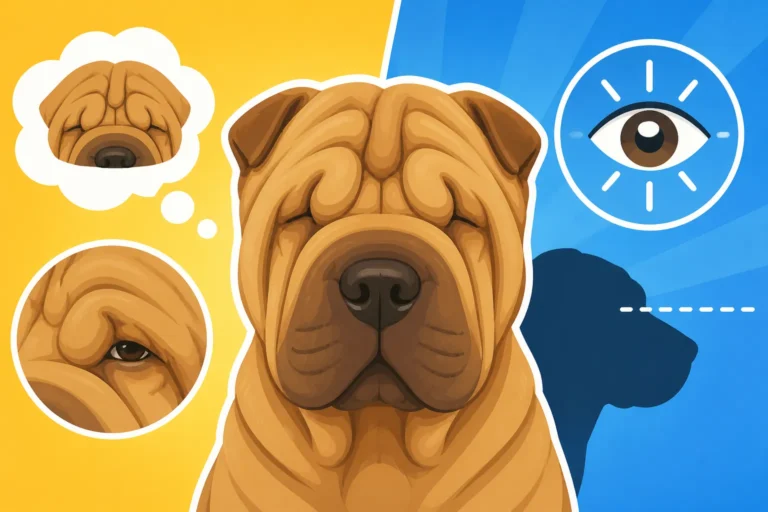
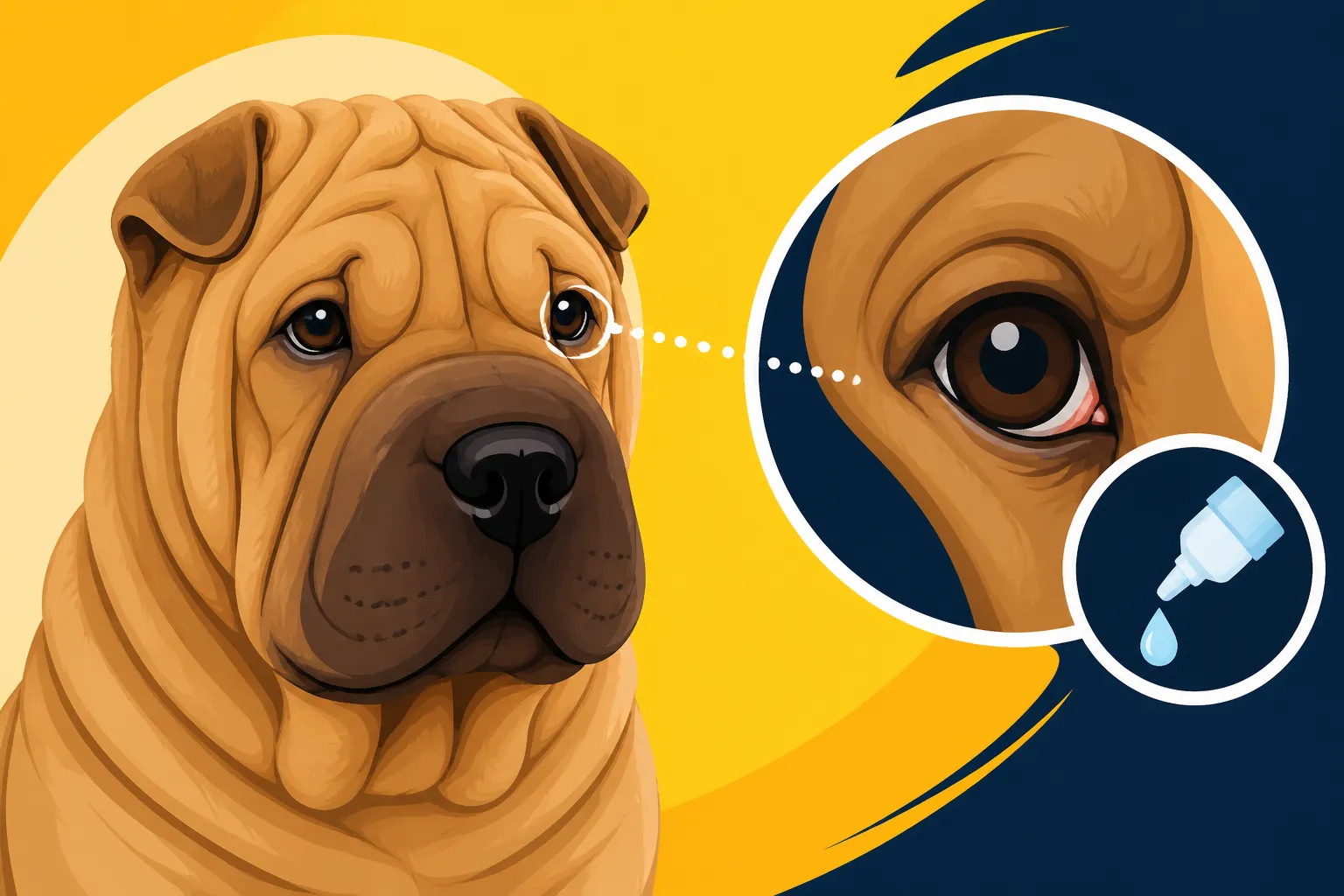
At its heart, Shar Pei entropion is a direct consequence of the very feature that makes them so distinct: their abundant, loose skin. In many breeds, the eyelids fit snugly against the eyeball, protecting it without causing irritation. However, in a Shar Pei, especially during their rapid growth phases as puppies, the excess skin and sometimes the structure of their head and facial folds can cause the eyelid margin, usually the lower lid, to roll inward. Imagine trying to see clearly while your eyelashes are constantly poking your eye – that’s essentially what your puppy is experiencing. This isn’t a small irritation; those stiff little eyelashes and the coarser hairs around the eye are like tiny needles constantly scratching the delicate surface of the cornea with every blink. The severity can vary wildly, from a mild, intermittent inward roll to a complete inversion of the eyelid, leaving the eye constantly exposed to trauma. It's a structural problem, not something that can be trained away or cured with drops alone in many cases.
Why Entropion in a Shar Pei Puppy Is an Emergency, Not a Cosmetic Issue
It’s crucial to understand that when a Shar Pei puppy is showing signs of entropion, it’s not just an aesthetic concern. This is a medical emergency that demands prompt veterinary attention. Every minute that those eyelashes are rubbing against the cornea, they are causing damage. This damage can range from superficial scratches to deep corneal ulcers, which are incredibly painful and can become infected. If left untreated, these ulcers can perforate the eye, leading to irreversible blindness or even the loss of the eye itself. Think of it like a stone in your shoe: at first, it's annoying, but if you keep walking on it, it will eventually cause a serious wound. For a puppy, their vision is paramount for exploring their world, learning, and developing properly. The pain from entropion can also make a puppy withdrawn, less playful, and hesitant to engage with its environment or family, impacting its overall socialization and development during a critical period. This is why addressing it quickly is so important; it protects not only their physical health but also their emotional well-being. Getting to the vet as soon as you suspect an issue is non-negotiable, and remember that Entropion in a Shar Pei Puppy Is an Emergency, Not a Cosmetic Issue.
Identifying the Signs of Puppy Entropion
So, how do you spot this problem in your little wrinkly bundle of joy? It’s not always obvious, especially if you’re a first-time Shar Pei owner or new to the breed's unique health quirks. The classic signs usually appear when the puppy is quite young, often between 2 to 8 weeks of age, though it can sometimes show up later. You might notice excessive tearing, a constant stream of wetness running down their face, which veterinarians call epiphora. Their eyes might look red and inflamed, and the puppy might squint, hold one or both eyes partially closed, or blink more frequently than normal. Some puppies might even rub their faces on furniture or paw at their eyes, trying to relieve the discomfort. You might also see a cloudy appearance to the eye itself, which indicates corneal damage. In more severe cases, the puppy might seem generally uncomfortable, sleeping more, and having less energy for play. If you gently pull down on their lower eyelid and it immediately rolls back inward, that’s a strong indicator. Observing your puppy during different times of the day, especially after they've been sleeping, can help you catch subtle signs. Pay close attention to The Age a Shar Pei Puppy Shows Entropion.
What Exactly is Eye Tacking?
When a Shar Pei puppy is diagnosed with entropion, especially in its early stages, a veterinarian might recommend a procedure called "eye tacking." It sounds a bit intimidating, but it's a relatively simple and temporary solution designed to provide immediate relief and protect your puppy's eyes while they grow. It's not a permanent surgery, but a crucial bridge to better eye health.
The Goal and Mechanism of the Procedure
The primary goal of eye tacking is straightforward: to manually evert, or roll out, the inwardly turned eyelid margin so that the eyelashes and surrounding hairs no longer rub against the cornea. It's about providing instant relief from the constant irritation and preventing further damage to the eye's surface. Think of it like pinning back a curtain that keeps falling into a doorway – you're just holding it out of the way. The mechanism involves strategically placing sutures (stitches) through the skin of the eyelid, pulling it taut and outward, effectively "tacking" it into the correct position. These sutures are temporary and are designed to stay in place for a few weeks, giving the puppy's head and facial tissues a chance to grow and mature. In some cases, as the puppy grows, the issue resolves itself naturally, but even if it doesn't, tacking buys valuable time and prevents scarring that could complicate future, more permanent surgical options.
The Tacking Process: A Detailed Look
The actual tacking procedure is usually quite quick. First, the veterinarian will thoroughly examine your puppy’s eyes to assess the extent of the entropion and check for any existing corneal damage, like ulcers. They'll likely apply a local anesthetic cream or injection to the eyelid area to numb it, making the process more comfortable for your puppy. Then, using very fine suture material, often dissolvable threads, the vet will place several stitches in a specific pattern along the affected eyelid. These sutures are usually placed a few millimeters away from the eyelid margin and then secured further up on the skin, creating tension that pulls the lid outward. The number of sutures depends on the severity and length of the affected eyelid.
For example, a puppy with a mild inward roll on just the central part of the lower lid might only need two or three stitches, while a more severe case extending across the entire lower lid might require four or five. The vet might use a simple interrupted pattern or a continuous pattern, depending on their preference and the specific needs of the puppy. The whole process typically takes less than 15-30 minutes for an experienced veterinarian. It's a delicate procedure that requires precision to ensure the lid is everted correctly without causing excessive tension or discomfort. Your vet might also prescribe antibiotic eye drops to prevent infection and pain relief to keep your puppy comfortable during the healing process.
Is Anesthesia Needed for This Temporary Fix?
This is a common question, and the answer can vary depending on the individual puppy and the veterinarian's approach. For very young, calm puppies with mild entropion, some vets might perform tacking with just a local anesthetic to numb the eyelid and perhaps a mild sedative to keep the puppy still. This avoids the risks associated with general anesthesia, which can be a concern for very small puppies.
However, many veterinarians, including board-certified veterinary ophthalmologists, prefer a light sedation or even full general anesthesia, especially if the puppy is particularly squirmy, anxious, or if the entropion is more severe, requiring more precise placement of sutures. General anesthesia ensures the puppy remains completely still, allowing for accurate suture placement and minimizing stress and pain during the procedure. It also allows the vet to do a more thorough eye exam without the puppy resisting. If your puppy needs tacking, discuss the anesthesia options with your vet. They will assess your puppy's overall health, age, temperament, and the severity of the entropion to recommend the safest and most effective approach. Knowing Whether a Shar Pei Puppy Needs Anesthesia for Tacking can help you prepare for the procedure.
The Recovery and Follow-Up from Eye Tacking
Undergoing any procedure, even a minor one like eye tacking, means there's a period of recovery and careful aftercare. As a Shar Pei owner, you'll want to be prepared for what comes next to ensure your puppy heals properly and avoids any setbacks. It’s all part of the journey of caring for this wonderful breed.
Caring for Your Shar Pei Puppy After Tacking
Once your Shar Pei puppy comes home after their eye tacking, your job as their primary caregiver truly begins. The first few days are critical. Your vet will provide specific instructions, but generally, you'll need to keep a close eye on the sutures and the overall condition of your puppy's eyes. You’ll likely be sent home with a course of anti-inflammatory and antibiotic eye drops or ointment to apply several times a day. This helps prevent infection and reduces swelling and discomfort. Administering these can be a bit of a challenge with a wiggly puppy, so practice patience and use plenty of praise and treats.
A very important piece of equipment your puppy will likely need is an Elizabethan collar, often called a "cone of shame." This is absolutely essential to prevent your puppy from rubbing, scratching, or pawing at the sutures, which could pull them out prematurely or introduce infection. While your puppy might look utterly miserable in it, the cone is their best friend for preventing complications. You'll need to monitor for excessive swelling, redness, discharge, or any signs that the sutures are coming loose. Keep their environment clean and calm, limiting rough play or situations where they might bump their head. You'll also need to make sure they can eat, drink, and sleep comfortably with the cone on, adjusting their bowls if necessary.
How Long Eye Tacking Sutures Stay In a Shar Pei
The duration the sutures remain in place is typically between 2 to 4 weeks, depending on the individual puppy's growth rate, the severity of the entropion, and the type of suture material used. Some vets might use dissolvable sutures that naturally break down over time, eliminating the need for a follow-up visit to remove them. However, non-dissolvable sutures are also common, and these will require a return visit to the vet for removal.
Your vet will schedule a follow-up appointment to check the healing progress and determine if the sutures are ready to come out. During this time, the puppy's facial muscles and bone structure are continuing to develop, and often, this natural growth helps the eyelids to reposition correctly. For many Shar Pei puppies, one round of tacking is enough to see them through the critical growth phase, and their eyelids will stay in a normal position even after the sutures are removed. However, sometimes the issue might recur, or the initial tacking might not fully correct the problem, leading to the need for a second tacking or consideration of permanent surgery. Understanding How Long Eye Tacking Sutures Stay In a Shar Pei is key for planning.
Potential Complications and When to Worry
While eye tacking is generally a safe procedure, like any medical intervention, it's not without potential complications. The most common issues include the sutures coming loose prematurely due to the puppy rubbing them or a particularly active play session. If a suture comes out too early, the eyelid might roll back inward, requiring another tacking. Infection at the suture sites is also a possibility, though this is minimized by sterile technique during the procedure and the use of post-operative antibiotics. You might notice increased redness, swelling, or pus-like discharge around the sutures, which warrants an immediate call to your vet.
Less commonly, excessive scar tissue can form around the suture sites, though this is rare with proper technique and usually resolves as the puppy grows. More seriously, if the entropion recurs or wasn't fully corrected, the cornea remains at risk. Persistent squinting, excessive tearing, or cloudiness of the eye (indicating corneal ulceration) even with the sutures in, are red flags. If you see any of these signs, don't hesitate to contact your veterinarian. Early intervention is always best to prevent permanent damage and ensure your puppy's comfort. It's helpful to discuss these possibilities with your vet beforehand so you know exactly what to look out for. Reputable pet insurance providers like Healthy Paws can be a real lifeline if complications arise, covering unexpected veterinary costs.
The Long-Term Outlook: Tackling vs. Permanent Solutions
Eye tacking is a fantastic short-term solution for Shar Pei puppies, offering immediate relief and a chance for natural correction as they grow. However, it's essential to consider the bigger picture and understand that tacking might not be the final chapter in your Shar Pei's entropion story. Sometimes, a more permanent solution is necessary to ensure lasting eye health.
Will Your Shar Pei Puppy Outgrow Entropion?
This is the million-dollar question for many Shar Pei owners, and unfortunately, there's no single definitive answer. The hope with eye tacking is that as your puppy matures and its head grows, the facial skin will tighten and the eyelids will naturally fall into a more normal position, thus correcting the entropion without further intervention. Many puppies do indeed "grow into" their skin and resolve the issue after one or two tacking procedures. This is more common in puppies with milder cases of entropion or those where the condition is primarily due to the sheer volume of puppy skin that hasn't quite caught up with their skeletal growth.
However, it's equally common for entropion to persist or recur even after tacking. For these puppies, the underlying structural issue — perhaps the conformation of their skull or the amount of excess skin — is more pronounced. In these cases, it becomes clear that the problem isn't just a temporary growth phase but a chronic condition that will require more definitive treatment. It's a delicate balance of waiting and monitoring, with your vet providing guidance on the best timing for further action. Knowing Whether a Shar Pei Outgrows Entropion can help manage expectations.
Considering When a Shar Pei Needs Permanent Eyelid Surgery
If tacking provides only temporary relief, or if the entropion is severe and consistently recurs, then permanent eyelid surgery becomes the necessary next step. This usually involves a procedure called blepharoplasty, where a veterinary ophthalmologist surgically removes a small strip of skin and muscle from the eyelid, effectively tightening and everting the lid permanently. This surgery is typically performed once the Shar Pei is closer to skeletal maturity, usually around 6-12 months of age, when their head and facial structures have largely finished growing. Performing it too early risks under- or over-correction as the puppy continues to mature.
The decision for permanent surgery is usually made after careful consideration between you and your vet, often after multiple tacking attempts or if the initial entropion was too severe for tacking to offer long-term hope. The goal is to achieve a functional eyelid that protects the eye without irritation, while also trying to maintain the breed's unique appearance as much as possible. This type of surgery is more invasive than tacking and carries a higher cost and recovery period. It's a significant decision, but one that can dramatically improve your Shar Pei's quality of life and prevent severe, lasting damage like a scarred cornea or even blindness. This is why it’s vital to consider When a Shar Pei Needs Permanent Eyelid Surgery.
The Financial Aspect: What Eye Tacking Costs on a Shar Pei Puppy
Let's be real: owning a Shar Pei can be an investment, and their unique health needs often come with financial considerations. Eye tacking is generally less expensive than permanent surgical correction, but it still represents a bill you need to be prepared for. The cost can vary widely depending on your geographic location, the specific veterinary clinic (general practitioner vs. veterinary ophthalmologist), whether sedation or anesthesia is used, and the number of sutures required.
On average, you can expect the cost for a single eye tacking procedure to range from a few hundred dollars to upwards of $500 per eye. This usually includes the vet's fee, local anesthetic/sedation, the procedure itself, and initial post-operative medications. If multiple tackings are needed, those costs can add up. For example, if your puppy needs tacking on both eyes, and then a second round of tacking a few months later, you could easily be looking at over $1000 just for the temporary fixes. Permanent eyelid surgery, in comparison, can cost anywhere from $1,500 to $3,500 or more per eye, especially if performed by a specialist. These are not insignificant amounts, and it really highlights the importance of asking What Eye Tacking Costs on a Shar Pei Puppy upfront. Having pet insurance, especially a comprehensive plan like those offered by Healthy Paws, can be incredibly beneficial, potentially covering a significant portion of these expenses, reducing the financial stress during an already worrying time.
| Procedure Type | Typical Cost Range (per eye) | Anesthesia Required | Purpose | Permanence |
|---|---|---|---|---|
| Eye Tacking | $200 – $500 | Often local/sedation | Temporary relief, aids natural growth | Temporary |
| Permanent Eyelid Surgery (Blepharoplasty) | $1,500 – $3,500+ | General Anesthesia | Permanent correction of lid position | Permanent |
Note: Costs are estimates and can vary widely based on location and veterinary practice.
Living with a Puppy Prone to Entropion
Bringing a Shar Pei into your life means embracing their unique characteristics, and sometimes, that includes managing their specific health needs. If your puppy is prone to entropion, it’s not just about the procedures; it’s about diligent daily care and proactive partnership with your veterinary team.
Preventing Corneal Damage and Blindness
The biggest long-term concern with entropion, whether it’s mild or severe, is the potential for chronic corneal irritation, damage, and ultimately, blindness. Your immediate goal after tacking is to prevent any further scratching of the cornea. This means strict adherence to your vet’s instructions for medication, using the Elizabethan collar diligently, and closely monitoring your puppy’s eyes. Even after sutures are removed, if you notice any squinting, tearing, or redness, it’s a sign that the entropion might be recurring, or that corneal damage might be present. Ignoring these signs can lead to serious consequences. A scratched cornea can quickly escalate to a painful corneal ulcer, which can then become infected. Severe ulcers can perforate the eye, leading to rupture, infection within the eye, and ultimately, permanent vision loss.
To prevent this, regular veterinary check-ups are essential, even after a successful tacking. Your vet will continue to monitor your Shar Pei's eye health and watch for any subtle changes. If your puppy has had corneal ulcers, their eyes might be more susceptible to future irritation or dryness, requiring lifelong lubrication with specific eye drops. It’s a commitment, but one that is absolutely worth it to preserve your furry friend's vision. Without proper care, Whether a Shar Pei Goes Blind From Untreated Entropion becomes a very real concern.
Advocating for Your Shar Pei at the Vet
As a Shar Pei owner, you are your dog's strongest advocate. This is particularly true when it comes to breed-specific issues like entropion. While many general practice veterinarians are knowledgeable, some may not have extensive experience with the nuances of Shar Pei conformation and the optimal management of their unique eye issues. Don't be afraid to ask questions, voice your concerns, and seek a second opinion from a veterinary ophthalmologist if you feel it's necessary. These specialists have advanced training and experience specifically in eye conditions and can often offer the most precise diagnostic and treatment plans.
When you go to the vet, come prepared with notes: when you first noticed symptoms, what those symptoms were, any changes you’ve observed, and a log of any medications you’ve administered. Ask about all available options, the pros and cons of each, and the expected outcomes. Discuss prevention strategies and long-term management plans. If you have pet insurance like Healthy Paws, ensure you understand what is covered for breed-specific conditions. Being an informed and proactive owner not only empowers you but also ensures your Shar Pei receives the best possible care throughout their life, protecting them from preventable pain and vision loss.
Disclaimer
Please remember that the information provided in this article is for educational purposes only and should not be considered a substitute for professional veterinary advice. Always consult with a qualified veterinarian for any health concerns or before making any decisions about your pet's medical care.