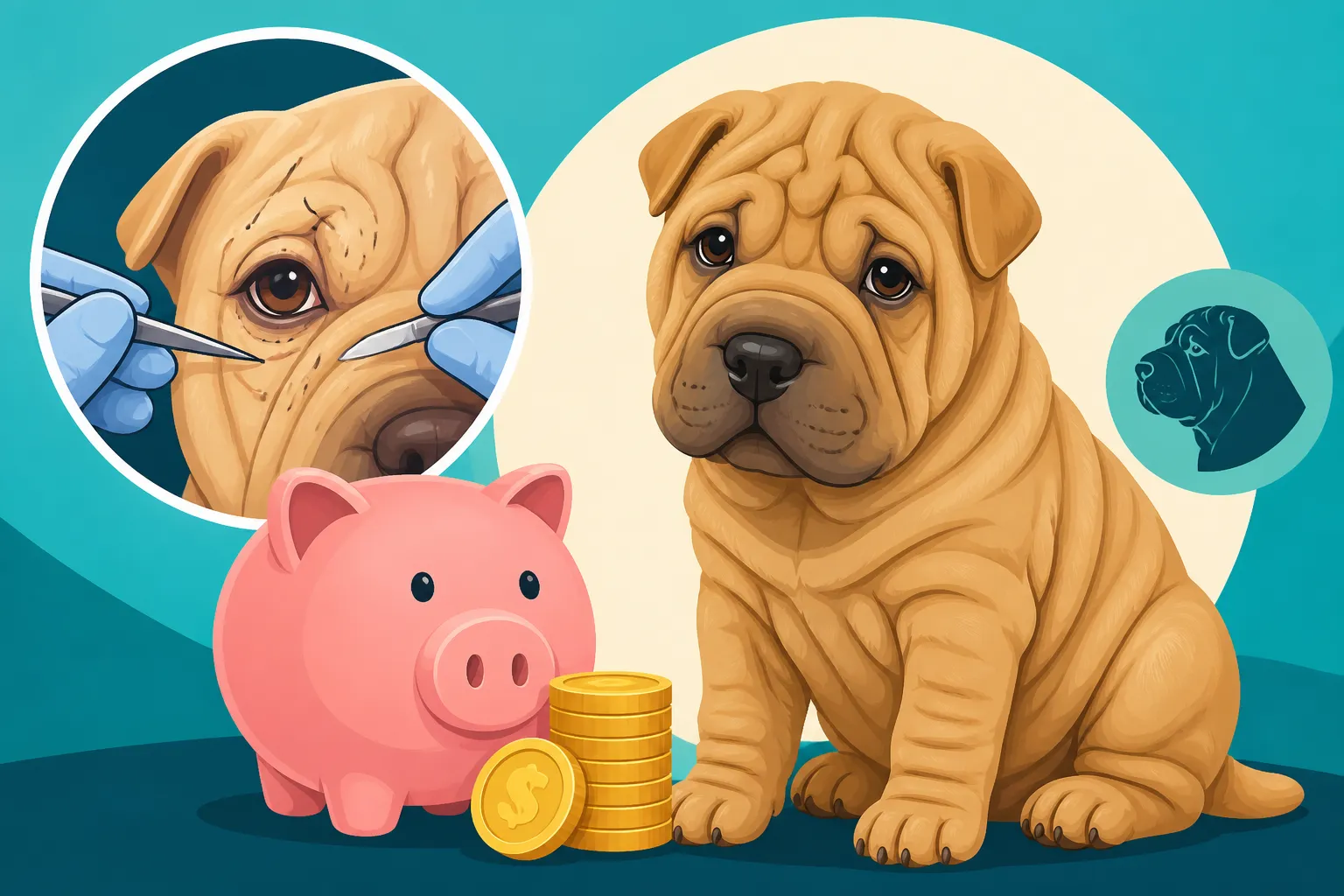
What Eye Tacking Costs on a Shar Pei Puppy
It’s a heart-wrenching moment for any new Shar Pei puppy owner: you eagerly anticipate those bright, mischievous eyes, only to find your little one struggling to open them, or worse, with eyelids rolled inward, causing visible irritation. This isn't just a minor cosmetic issue; it's a painful condition called entropion, and for many Shar Pei puppies, eye tacking becomes an urgent, necessary step to protect their vision. This guide will walk you through what to expect when it comes to the costs associated with this critical early intervention.
Understanding Entropion in Shar Pei Puppies
Before we dive into the financials, it's crucial to understand exactly what entropion is and why it's such a common, painful issue for our beloved wrinkly companions. It's more than just a funny quirk; it's a serious health concern that demands attention.
What Entropion Actually Is for a Shar Pei Puppy
Imagine having your eyelashes constantly rubbing against your eyeball. That’s essentially what a Shar Pei puppy with entropion experiences. The condition occurs when the eyelid, most commonly the lower one, rolls inward, causing the fur and eyelashes on the outer surface of the lid to scrape against the delicate cornea. This isn't a comfortable feeling; it's incredibly irritating and painful, leading to excessive tearing, squinting, and discharge.
The constant abrasion can quickly lead to more severe problems. Without intervention, that constant rubbing will create corneal ulcers, which are open sores on the surface of the eye. These ulcers are not only excruciating but can become infected, leading to scarring, vision impairment, or even permanent blindness if left untreated. For a detailed look at the impact, you can read more about What Entropion Does to a Shar Pei Puppy's Eye. This isn't a wait-and-see situation; it's a ticking clock for your puppy's eyesight.
Why Shar Pei Puppies Are Prone to Entropion
It’s no secret that the Shar Pei's defining feature is its abundance of loose skin and wrinkles. While undeniably charming, this very trait is the root cause of their predisposition to entropion. The genetic mutation responsible for those characteristic wrinkles, specifically the excess mucin (hyaluronic acid) in their skin, often extends to the eyelids. This extra skin around the eyes can cause the eyelids to sag or roll inward, especially in puppies before their head "fills out" and their skull develops more fully.
It’s a breed-specific challenge that breeders, ideally, try to mitigate, but it remains a common reality. When a Shar Pei puppy is born with overly pronounced wrinkles around the eyes, or the muscle tone around the eye isn't quite right yet, the lid can flip inward. Sometimes, it’s a temporary issue that corrects itself as the puppy grows, but often, it requires intervention. Understanding The Age a Shar Pei Puppy Shows Entropion can help owners be prepared.
Recognizing the Signs of Entropion Early
Spotting entropion early is key to preventing long-term damage and minimizing your puppy's discomfort. It's not always obvious, especially with the Shar Pei's naturally "scowling" or "squinting" expression. However, there are clear indicators to watch for. The most telling signs include excessive tearing, often leading to wet fur stains around the eyes, and a persistent squinting or holding the eye partially closed. Your puppy might also frequently rub its face or eyes with its paws, indicating irritation.
You might also notice a cloudy appearance to the eye, or redness and swelling around the eyelids. Sometimes, discharge, ranging from clear to thick and yellowish, can be present. If you gently pull down your puppy's lower eyelid and it immediately rolls back inward, that's a strong visual cue that entropion is at play. Don't hesitate to seek veterinary advice if you observe any of these symptoms. Early detection truly makes a world of difference.
Eye Tacking: The Initial Intervention for Shar Pei Puppies
Once entropion is diagnosed, especially in a young puppy, eye tacking is often the first line of defense. It's a temporary, yet vital, procedure designed to bring immediate relief and prevent irreversible damage while your puppy grows.
What Eye Tacking Involves
Eye tacking is a relatively simple procedure where sutures are strategically placed in the skin of the eyelid to gently evert (turn outward) the margin of the eyelid, preventing it from rolling inward and rubbing against the cornea. Think of it as a temporary facelift for the eyelid. Fine dissolvable or non-dissolvable sutures are threaded through the skin, pulling the excess tissue away from the eyeball. The goal isn't to permanently change the eyelid structure, but rather to hold it in the correct position long enough for the puppy to grow, allowing the head and facial structures to develop.
The procedure is usually performed with light sedation and local anesthetic, but for squirmy or anxious puppies, a short general anesthesia might be recommended. This ensures the puppy remains still, allowing for precise placement of the sutures and minimizing stress. You might be surprised to learn that sometimes puppies do need more than just local numbing, and you can learn more about Whether a Shar Pei Puppy Needs Anesthesia for Tacking. The sutures typically remain in place for a few weeks, or until they naturally dissolve or are removed by your vet.
The Immediate Benefits and Limitations of Tacking
The primary benefit of eye tacking is instant relief from pain and irritation. As soon as the eyelids are everted, the constant rubbing stops, and the cornea has a chance to heal. This prevents corneal ulcers from forming or worsening and protects the puppy's vision. It's a quick fix that buys time, which is invaluable for a growing Shar Pei. Your puppy will be much more comfortable, able to see clearly, and generally happier without the constant discomfort.
However, it's crucial to understand that tacking is a temporary solution. It addresses the symptom (the eyelid rolling in) but doesn't permanently change the underlying genetics or the excess skin. Many puppies will outgrow the need for further intervention as their head develops and the skin tightens. But some may require repeated tacking sessions, and a significant percentage will eventually need permanent surgical correction once they reach adulthood. It's a bridge to a more definitive solution, not always the final destination. How Long Eye Tacking Sutures Stay In a Shar Pei varies, but it's typically a short-term fix.
When Tacking is Recommended
Eye tacking is usually recommended for Shar Pei puppies who are showing clear signs of entropion, particularly if there's evidence of corneal irritation or ulceration. Veterinarians prefer this less invasive approach for puppies because their facial structures are still developing. Performing permanent surgery too early carries the risk of over-correction or under-correction as the puppy continues to grow. Tacking allows the vet to assess how the puppy's face changes over time.
It's also often chosen for puppies that are too young or small for full anesthesia, or for owners who want to avoid a more complex surgical procedure if possible. If the entropion is mild and intermittent, your vet might suggest a wait-and-see approach, perhaps with lubricating eye drops. But if the pain is evident or the cornea is at risk, tacking becomes the go-to solution to protect that precious puppy eyesight.
Deconstructing the Cost of Shar Pei Puppy Eye Tacking
Understanding the costs involved in eye tacking for your Shar Pei puppy can help you prepare financially. This isn't usually a "one size fits all" bill, as several components contribute to the total.
Veterinary Consultation and Exam Fees
Before any procedure, your puppy will need a thorough veterinary examination. This initial consultation is critical for diagnosing entropion, assessing its severity, and determining if tacking is the appropriate first step. The exam will include a general physical, a detailed eye exam (which might involve staining the cornea to check for ulcers), and discussion of your puppy's overall health history.
These fees typically cover the vet's time, expertise, and the use of diagnostic equipment. If your puppy is already a patient, this might be a follow-up exam fee. If it's a first visit or a referral to an ophthalmologist, the consultation fee might be higher due to the specialized nature of the assessment. Expect these fees to be a baseline cost before the procedure itself even begins.
The Tacking Procedure Itself
The actual cost of the eye tacking procedure covers the materials used (sutures, needles), the veterinary technician's assistance, and the veterinarian's surgical time. This portion of the bill reflects the hands-on work involved in placing the tacks correctly to alleviate the entropion. The number of tacks needed can influence this cost; some puppies might only need a couple, while others with more severe or widespread entropion might require several.
Some clinics might bundle the tacking procedure with the consultation and post-op check, while others will itemize each component. It's always a good idea to ask for a detailed estimate upfront so there are no surprises. This is the core expense directly related to the physical intervention on the eyelid.
Anesthesia and Sedation Costs
While eye tacking is less invasive than permanent surgery, many veterinarians still opt for light sedation or general anesthesia, especially for active or nervous puppies. This is done for the safety and comfort of the puppy, ensuring they remain perfectly still during the delicate procedure around their eyes. The cost of anesthesia includes the medications used, monitoring equipment (like pulse oximeters and ECG), and the dedicated time of a veterinary technician to oversee your puppy's vital signs throughout the sedation.
Anesthesia costs can vary significantly based on the type of anesthetic used, the duration of the procedure, and your puppy's weight and general health. Factors such as pre-anesthetic blood work, which is highly recommended to ensure your puppy can safely metabolize the drugs, will add to this component of the bill. This is a non-negotiable expense for many clinics to ensure the safest possible procedure for your young Shar Pei.
Post-Procedure Care and Medications
The care doesn't stop once the tacks are in place. Your puppy will need a course of medications to aid healing and prevent infection. This typically includes antibiotic eye drops or ointment to prevent bacterial infections and often a pain reliever to manage any discomfort after the sedation wears off. Depending on the extent of irritation or corneal damage, anti-inflammatory drops might also be prescribed.
Follow-up visits are also crucial to monitor the healing process, ensure the tacks are holding properly, and check for any complications. These visits are essential to ensure the success of the tacking and to determine if additional tacking might be needed, or if permanent surgery will be necessary down the line. Each follow-up appointment will incur its own exam fee. Buying any necessary supplies, like medicated wipes or special cleaning solutions, might be an additional cost, though many can be found conveniently on sites like Chewy.
| Cost Component | Typical Range (Estimate) | Notes |
|---|---|---|
| Initial Consultation/Exam | Check with your vet | Varies by clinic, location, and if specialist is involved. |
| Pre-Anesthetic Bloodwork | Check with your vet | Highly recommended for safety. |
| Sedation/Anesthesia | Check with your vet | Varies by puppy weight, duration, and clinic monitoring protocols. |
| Tacking Procedure (per eye) | Check with your vet | Depends on number of sutures and complexity. Some clinics charge per eye. |
| Post-Op Medications | Check with your vet | Eye drops, pain relief, anti-inflammatories. |
| Follow-up Visits (1-2) | Check with your vet | Essential to monitor healing and assess need for further intervention. |
| Total Estimated Cost | Check with your vet | This is an estimated range; always get a detailed quote from your veterinarian. |
Factors Influencing Eye Tacking Costs
The total cost of eye tacking can fluctuate quite a bit, even for the same procedure. Understanding what drives these variations can help you prepare and ask the right questions when you consult with your veterinarian.
Geographic Location and Clinic Type
Just like human healthcare, veterinary costs are heavily influenced by where you live. Clinics in large metropolitan areas or regions with a higher cost of living generally have higher overheads, leading to higher prices for services. Conversely, clinics in rural areas might offer lower rates. The type of clinic also plays a significant role. A general practice veterinary office will typically charge less for eye tacking than a specialty veterinary ophthalmology clinic.
While a specialist might initially seem more expensive, their expertise in specific eye conditions can sometimes lead to more efficient and effective treatment, potentially reducing the need for repeated procedures. However, for initial tacking, many general practitioners are perfectly capable. It's worth getting quotes from a couple of different reputable clinics in your area to compare.
Severity of Entropion and Number of Tacks Required
Not all cases of entropion are created equal. A puppy with mild entropion that only affects a small segment of one eyelid might only need one or two sutures. In contrast, a puppy with severe entropion affecting both eyelids, or a longer segment of the eyelid, will require more extensive tacking. More sutures mean more materials, more time, and potentially more sedation, all of which contribute to a higher overall cost.
Your veterinarian will assess the severity during the initial exam. They'll look at how much of the eyelid is rolling in, whether it's just the lower lid or both, and if the condition is present in one or both eyes. This assessment directly informs the complexity and duration of the procedure, and thus, its cost.
Emergency vs. Scheduled Procedure
Timing can also impact the bill. If your Shar Pei puppy's entropion has progressed to the point of a severe corneal ulcer or an acute infection, requiring immediate emergency care, the costs can escalate significantly. Emergency veterinary services often charge higher fees for after-hours appointments, urgent procedures, and overnight stays if necessary. This is due to the immediate availability of staff and resources required for critical care.
Ideally, entropion is caught early and the tacking can be scheduled during regular business hours, allowing for more predictable costs. However, if you notice your puppy in extreme pain, with a very red eye or thick discharge, it's always best to seek immediate veterinary attention, even if it means an emergency visit. Protecting their eyesight is paramount, regardless of the higher price tag.
Repeat Tacking Sessions
Unfortunately, eye tacking isn't always a one-and-done solution. Shar Pei puppies grow rapidly, and sometimes, as their head develops, the initial tacking might not be sufficient, or the eyelids might start to roll inward again. This means your puppy might require one or more repeat tacking sessions before they reach an age where permanent surgical correction can be considered.
Each repeat session will incur similar costs to the initial procedure, including consultation, sedation, the tacking itself, and post-op medications. This cumulative cost can add up quickly, which is why it's important for owners to be aware of How Many Tacking Sessions a Shar Pei Puppy Needs and factor this potential into their budget. It's a journey, not a sprint, for many Shar Pei with this condition.
Financial Planning and Support for Shar Pei Owners
Navigating the costs of Shar Pei puppy eye tacking can feel overwhelming, but there are several avenues for financial planning and support that can help ease the burden. Being proactive is your best strategy.
Pet Insurance and Tacking Coverage
Pet insurance can be an absolute lifeline for Shar Pei owners, given the breed's propensity for specific health issues. However, when it comes to entropion and tacking, the timing of your policy purchase is critical. Most pet insurance companies, like Healthy Paws, consider any condition diagnosed before the policy starts, or during a waiting period, as "pre-existing." This means if your puppy shows signs of entropion or is diagnosed before you enroll or during the initial waiting period, the tacking procedure might not be covered.
It's paramount to enroll your Shar Pei puppy in a comprehensive pet insurance plan as early as possible, ideally before any signs of entropion appear. If entropion manifests after your policy is active and waiting periods are met, then tacking (and potentially future permanent surgery) would likely be covered under the "accidents and illnesses" portion of your plan, minus your deductible and co-pay. Understanding Whether Pet Insurance Is Worth It on a Shar Pei for common breed ailments is crucial for long-term ownership. Always read the policy details carefully and ask the insurer about their specific stance on breed-specific conditions like entropion.
Payment Plans and Veterinary Financing Options
Many veterinary clinics understand that unexpected medical bills can strain a budget, and they often offer solutions to help. It's always worth asking your vet's office if they provide in-house payment plans, allowing you to pay for the tacking procedure in installments over time. These plans can make immediate, necessary care more accessible.
Additionally, third-party veterinary financing options like CareCredit are widely accepted. These are essentially healthcare credit cards that offer promotional financing options, such as interest-free periods, if the balance is paid within a certain timeframe. Applying for one of these before your appointment can give you peace of mind knowing you have a way to cover the costs. Discussing these options with your vet's office manager is a sensible first step.
Shar Pei Breed-Specific Rescue Organizations
For owners facing significant financial hardship, or those adopting a rescue Shar Pei, breed-specific rescue organizations can sometimes offer assistance or guidance. These groups are deeply committed to the well-being of the breed and often have funds or connections to help with essential medical treatments. They might offer financial aid, recommendations for lower-cost clinics, or even provide resources for specific medications.
While they can't cover every expense for every owner, reaching out to a local or national Shar Pei rescue organization could provide a crucial support network. They often have a wealth of experience dealing with entropion and can offer practical advice or point you towards programs designed to help.
Beyond Tacking: Considering Permanent Solutions
While eye tacking is a fantastic immediate solution for Shar Pei puppies, it’s often a temporary measure. As your puppy matures, it's important to understand the next steps and the long-term prognosis.
When Permanent Eyelid Surgery Is Needed
For many Shar Pei, particularly those with persistent entropion despite tacking, or where the initial tacking wasn't entirely effective, permanent eyelid surgery becomes necessary once they've reached skeletal maturity. This usually means waiting until the puppy is at least 6 to 12 months old, allowing their head and facial structures to fully develop. Performing permanent surgery too early can lead to either under-correction or over-correction as the dog grows, potentially requiring revision surgeries.
Permanent surgery, often called a Hotz-Celsus procedure, involves removing a small, crescent-shaped piece of skin and muscle from the affected eyelid to permanently evert it. This is a more definitive solution designed to last a lifetime. Your veterinarian or a veterinary ophthalmologist will carefully assess your dog's growth and the ongoing severity of the entropion to determine the optimal time for this more invasive procedure. Understanding When a Shar Pei Needs Permanent Eyelid Surgery is a crucial part of long-term planning for this breed.
The Cost Implications of Full Entropion Surgery
As you might expect, permanent eyelid surgery is significantly more expensive than temporary eye tacking. The costs are higher due to several factors: it involves general anesthesia for a longer duration, a more complex surgical procedure requiring greater precision, and often, the involvement of a board-certified veterinary ophthalmologist. Anesthesia monitoring will be more extensive, and post-operative care might involve a longer recovery period and more specialized medications.
These surgeries typically run into the higher end of veterinary expenses, often hundreds or even thousands of dollars per eye, depending on location, specialist fees, and complexity. It's an investment, but one that completely resolves the pain and vision impairment caused by entropion. Being aware of What Permanent Entropion Surgery Costs on a Shar Pei will help you budget for this eventual possibility.
Long-Term Outlook for a Shar Pei with Entropion
With appropriate and timely intervention, the long-term outlook for a Shar Pei with entropion is generally excellent. Eye tacking provides immediate relief and protects the cornea during the critical puppy development phase. If permanent surgery is eventually needed and performed successfully, your Shar Pei should live a comfortable life free from eye irritation and pain. Their vision will be preserved, allowing them to enjoy all the joys of being a dog.
However, if entropion is left untreated, the consequences can be severe. Chronic irritation can lead to significant corneal scarring, which can permanently impair vision. In extreme cases, deep corneal ulcers can rupture, leading to irreversible blindness or even the loss of the eye. This is why early diagnosis and intervention, whether through tacking or eventually permanent surgery, are so vital. Don't underestimate the impact of this condition; Whether a Shar Pei's Cornea Scars From Entropion is a very real concern that can be mitigated with proper care. Your Shar Pei deserves to see the world clearly and without pain.
Disclaimer
This article is for general informational purposes only and does not constitute professional advice. Laws, prices and regulations vary by location and change over time. Consult a qualified professional for guidance on your specific situation.


