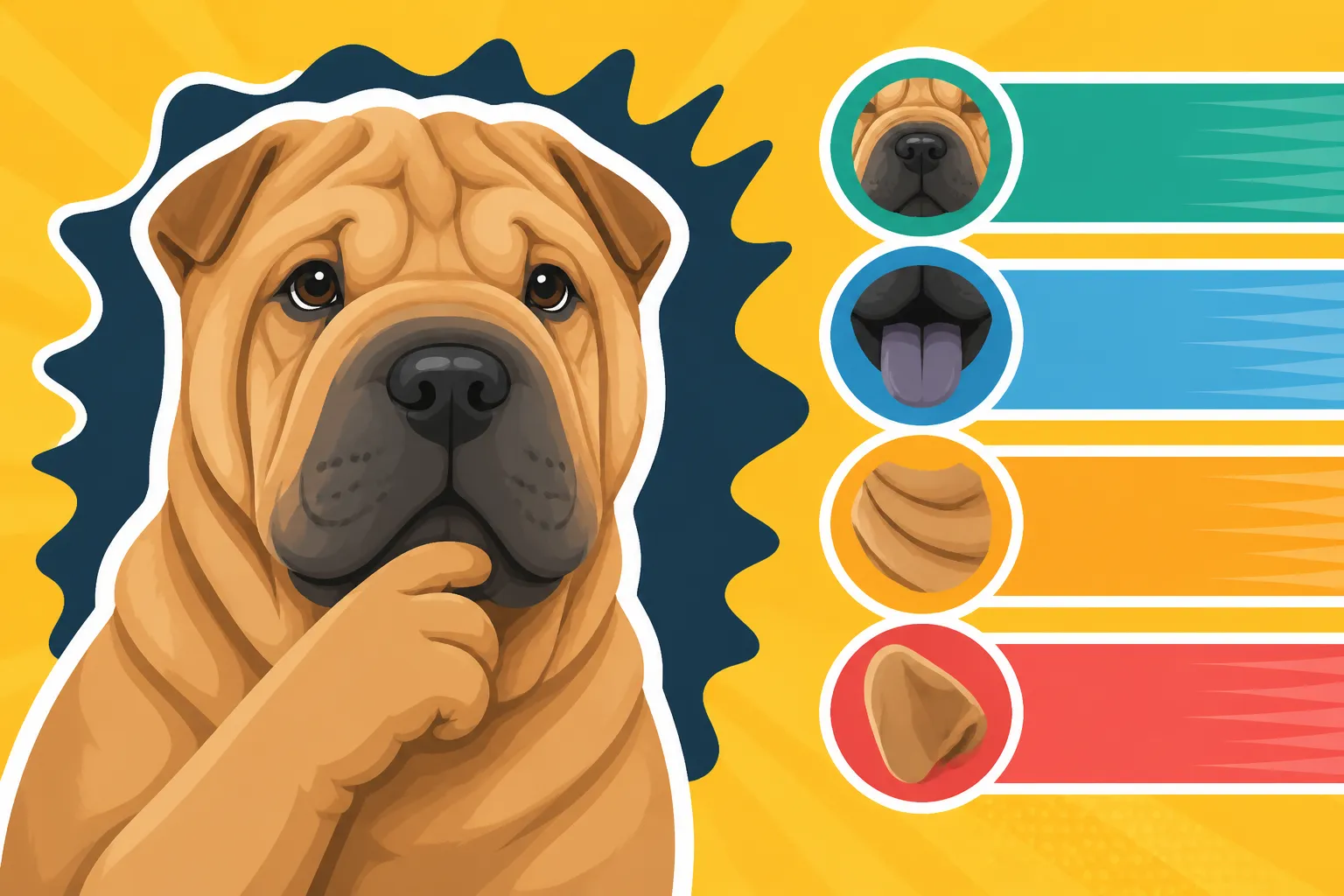
Which of a Shar Pei’s Four Bills Comes First
Bringing a Shar Pei into your life is an incredible joy, but many prospective owners are understandably anxious about the financial commitment, especially given the breed's reputation for certain health challenges. It's easy to feel overwhelmed wondering which veterinary bills and care expenses will hit your wallet first. This guide will walk you through the typical timeline of a Shar Pei's expenses, helping you understand what to budget for right from the start and how those initial costs evolve over their lifetime.
The Immediate Financial Realities of a Shar Pei Puppy
When you first welcome a Shar Pei puppy into your home, there are certain costs that hit almost immediately, often before any serious health issues even have a chance to develop. These are the foundational expenses that every new puppy owner, regardless of breed, will face, but with a Shar Pei, there are a few breed-specific nuances to consider.
Puppy Purchase or Adoption Fees
The very first bill you'll likely encounter is the cost of acquiring your Shar Pei puppy. If you're going through a reputable breeder, this fee covers a portion of their efforts in health testing the parents, providing initial veterinary care, and properly socializing the litter. These prices can vary widely based on pedigree, coat type, and location, but expect it to be a significant upfront investment. It's crucial to remember that a lower upfront price from a less scrupulous breeder might signal future health issues and much higher vet bills down the line. Always prioritize a breeder who is transparent about their dogs' health history and genetic testing, even if it means a higher initial cost. Similarly, if you're adopting from a rescue, you'll pay an adoption fee, which typically covers spaying/neutering, initial vaccinations, and microchipping. While often less than a breeder's price, rescue fees are still an important initial cost. You can learn more about this initial outlay by reading What a Shar Pei Puppy Costs and Which Breeders to Avoid.
Essential Puppy Supplies and Initial Vet Visits
Once your Shar Pei puppy is home, a flurry of immediate expenses begins. You'll need to stock up on essentials like food bowls, a comfy bed, a collar and leash, chew toys, and grooming tools. Food is a big one; for a growing puppy, quality nutrition is paramount. Many owners find themselves browsing extensive selections online, with retailers like Chewy offering a vast array of puppy foods and supplies that can be delivered right to your door. Then there are the vet visits. Puppies require a series of vaccinations, deworming treatments, and general health checks in their first few months. This series of appointments is non-negotiable for their health and typically starts within days of bringing your new family member home. These early visits establish a relationship with your veterinarian and ensure your puppy is developing properly. Don't forget the microchipping, which is often done at one of these early vet appointments and is a small but vital investment in case your adventurous puppy ever gets lost.
Anticipating Early Health Interventions
Beyond the standard puppy care, Shar Peis often present unique health challenges that can require intervention very early in life. These breed-specific issues can mean additional, often unexpected, bills within the first few months.
The Realities of Entropion and Eye Tacking
One of the most common and often immediate breed-specific concerns for Shar Pei puppies is entropion. This condition, where the eyelid rolls inward, causing eyelashes to rub against the cornea, can manifest as early as a few weeks old. It’s not just uncomfortable; it can be excruciatingly painful and lead to corneal ulcers, scarring, and even blindness if left untreated. Many Shar Pei puppies require temporary 'eye tacking' procedures, where sutures are placed to roll the eyelids out. This is often done by your general veterinarian, but sometimes an ophthalmologist is needed. The cost of tacking can be a surprise for new owners, as it often happens before the puppy is even fully vaccinated. It’s critical to understand that this isn’t a cosmetic fix; it’s a medical necessity to preserve their vision and comfort. Sometimes, these temporary tacks need to be redone, or eventually, permanent entropion surgery is required once the puppy is older and its head structure is more mature. This early intervention is a significant initial expense that many other breeds don't face. You can delve deeper into these costs with What Eye Tacking and Entropion Surgery Cost on a Shar Pei.
Initial Consultations for Skin and Ear Issues
While full-blown chronic skin and ear infections might not present in their most severe form immediately, early signs or predispositions can often surface in puppyhood. A Shar Pei's deep wrinkles and narrow ear canals create prime environments for moisture and bacteria to thrive. You might notice your puppy scratching more than usual, developing a slight odor in their folds, or shaking their head. These symptoms warrant a vet visit, which means another bill. Initial consultations for these issues involve examination, possibly a swab for yeast or bacteria, and prescription cleaning solutions or wipes. While perhaps not as dramatic as an entropion correction, these recurrent minor issues can start to add up quickly and become a regular part of your budgeting. It's an early warning sign that preventative care, like diligent fold cleaning and ear checks, will be a lifelong commitment. Using specially formulated wipes and ear cleansers, readily available from online pet supply stores like Chewy, can help manage these areas daily.
The Ongoing Cost of Managing Breed-Specific Conditions
As your Shar Pei moves beyond puppyhood, other breed-specific health challenges often become the primary drivers of veterinary expenses. These are the "subscription bills" that many Shar Pei owners become intimately familiar with.
Understanding Shar Pei Fever and Its Implications
Familial Shar Pei Fever (FSF) is a hereditary inflammatory condition unique to the breed. While some puppies might have their first fever episode very young, it more commonly appears as they transition into adolescence or early adulthood. An FSF episode can strike suddenly, causing high fever, lethargy, swollen hocks, and reluctance to move. When this happens, an emergency vet visit is often necessary to rule out other serious conditions and to provide supportive care. These emergency visits, potentially including blood work, IV fluids, and anti-inflammatory medications, can quickly become one of the most significant and unpredictable bills a Shar Pei owner faces. The concern with FSF isn't just the acute episodes; it's the long-term risk of developing amyloidosis, a fatal kidney condition, as a complication. Many owners choose to put their Shar Pei on a daily medication like colchicine to try and prevent amyloid deposits. This adds a continuous medication cost to your budget. To understand the immediate financial impact of an episode, check out What One Shar Pei Fever Episode Costs.
Lifetime Management of Skin and Ear Health
For many Shar Pei, maintaining healthy skin and ears isn't a one-time fix; it's a constant, ongoing effort that translates into regular expenses. Chronic ear infections are incredibly common due to their unique ear canal structure. You might find yourself purchasing prescription ear drops and cleaners every few weeks or months. This isn't just frustrating; it’s a continuous drain on your finances. Similarly, skin fold dermatitis, allergies, and other dermatological issues often require medicated shampoos, topical treatments, and sometimes oral medications to keep flare-ups under control. These conditions can worsen in humid climates or during allergy seasons, leading to more frequent vet visits and a higher demand for specialized products. Investing in high-quality, vet-recommended products and diligent at-home care can mitigate some costs, but these conditions are persistent. Some owners even explore specialized diets, like those offered by companies such as Ollie, to see if dietary changes can improve skin and coat health, which also represents an ongoing cost. It's truly a "subscription" as the article Ear Infections Are a Subscription With a Shar Pei points out.
The Long-Term Vigilance of Kidney Monitoring
The connection between Familial Shar Pei Fever and amyloidosis means that kidney health becomes a critical, lifelong monitoring expense, usually starting in early adulthood. Even if your Shar Pei rarely or never experiences fevers, the underlying genetic predisposition for amyloidosis remains. Veterinarians often recommend routine blood work, including kidney panels, and annual or bi-annual urine protein-to-creatinine (UPC) ratio tests to catch early signs of kidney damage. These tests might seem like small individual bills, but they add up over a dog's lifespan, particularly as they age. Early detection allows for management strategies, like dietary changes or medication, which can extend a Shar Pei's quality of life. Without consistent monitoring, kidney disease can progress silently until symptoms become severe, leading to much more expensive and intensive treatment, or sadly, a much shorter lifespan. This long-term monitoring strategy is highlighted in The Cost of Watching a Shar Pei's Kidneys for Its Whole Life.
Setting Up for Long-Term Shar Pei Wellness and Budgeting
Understanding the financial trajectory of Shar Pei ownership means planning not just for immediate needs, but for the predictable and unpredictable expenses that will arise throughout their lives. Thoughtful preparation can make a big difference.
The Role of Pet Insurance in Managing Costs
Given the high likelihood of breed-specific health issues, many Shar Pei owners find pet insurance to be a valuable tool in managing their expenses. While it won't cover pre-existing conditions (which is why it's best to enroll a puppy before any issues arise), a good policy can significantly offset the costs of emergency fever episodes, ongoing dermatological treatments, ear infection care, and future non-genetic health problems. Companies like Healthy Paws are popular choices, offering various plans. It’s important to research different providers and understand what exactly is covered, the deductibles, and reimbursement percentages. The monthly premium is a predictable bill, but it can save you thousands of dollars in unexpected vet bills over your Shar Pei's lifetime. Think of it as investing in peace of mind against the breed's known vulnerabilities. Without insurance, an emergency hospitalization for a severe fever episode or complications from a chronic skin infection could lead to staggering bills that catch you completely off guard.
Planning for Routine Care and Senior Years
Beyond the specific health challenges, every Shar Pei owner will face routine care costs that continue throughout their dog's life. This includes ongoing food purchases – whether it's standard kibble from Chewy or specialized fresh food from Ollie – regular grooming supplies, annual vaccinations, preventative parasite control (flea, tick, heartworm medications), and routine vet check-ups. As your Shar Pei enters their senior years, typically around seven years old, these routine costs can sometimes increase. Older dogs often require more frequent veterinary check-ups, senior blood panels, and potentially joint supplements or other medications for age-related conditions. While not necessarily "first" bills, these form the baseline of all your financial planning. Preparing for these predictable costs allows you to better manage the less predictable breed-specific ones. For guidance on caring for an older Shar Pei, you might find Caring for a Shar Pei Past Seven helpful.
Here's a simplified look at how Shar Pei bills often present themselves chronologically:
| Expense Category | Typical Timing | Key Considerations |
|---|---|---|
| Purchase/Adoption Fee | Day 1 | Significant upfront cost; vet bills likely higher with cheap puppies. |
| Initial Puppy Supplies | Day 1 – Week 1 | Food, bowls, bed, leash, toys – essential for immediate comfort. |
| First Vet Visits & Shots | Weeks 8-16 | Series of vaccinations, deworming, microchipping. |
| Eye Tacking (if needed) | Weeks 8-20 | Common for Shar Pei puppies; crucial for eye health. |
| Early Skin/Ear Consults | Months 3-6 (or earlier) | First signs of predisposed issues; sets the stage for future care. |
| Spay/Neuter Surgery | Months 6-12 | Routine procedure, often covered by rescue fee or added vet cost. |
| First Fever Episode | Months 6 – Years 2-3 | Can be emergency; leads to discussions about colchicine. |
| Ongoing Skin/Ear Meds | Continuous from onset | Regular purchases of ear drops, shampoos, wipes, potentially allergy meds. |
| Kidney Monitoring | Annually from Year 2+ | Bloodwork and UPC tests; vital for early detection of amyloidosis. |
| Pet Insurance Premiums | Monthly (best to start early) | Protects against unexpected large bills later on. |
| Routine Adult Care | Yearly from Year 1+ | Annual check-ups, preventatives, food, grooming. |
| Senior Dog Care | Yearly from Year 7+ | More frequent vet visits, senior-specific tests, potential new medications. |
It's clear that while the purchase price is the first big chunk of change, the very next bills are often related to routine puppy vet care and, for many Shar Peis, immediate interventions like eye tacking. These are then quickly followed by the emergence of breed-specific conditions that require ongoing management, which will be a continuous part of your budget for the duration of your dog's life. Being aware and prepared for this financial journey will help you provide the best possible care for your beloved Shar Pei.
Disclaimer
This article is for general informational purposes only and does not constitute professional advice. Laws, prices and regulations vary by location and change over time. Consult a qualified professional for guidance on your specific situation.


