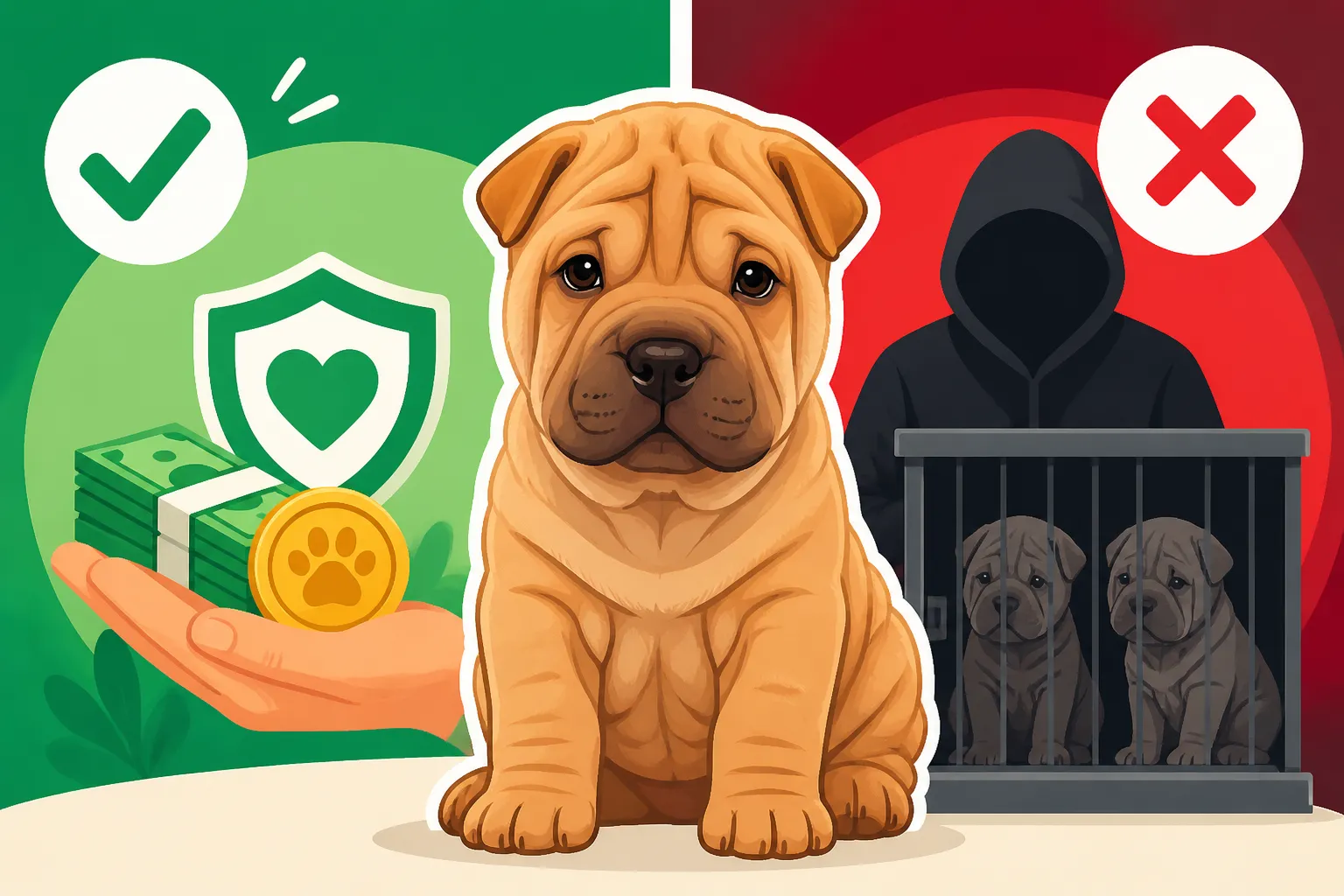
What a Shar Pei Puppy Costs and Which Breeders to Avoid
Bringing home a Shar Pei puppy is an incredibly exciting time, filled with dreams of adorable wrinkles and loyal companionship. However, many prospective owners, myself included when I first started, tend to focus solely on that initial purchase price, completely overlooking the vast landscape of costs that come with raising this unique breed. This guide aims to pull back the curtain on the true financial commitment of Shar Pei ownership, from understanding fair puppy prices to identifying reputable breeders who prioritize health, and helping you prepare for the specific expenses that make this breed a significant long-term investment.
The Initial Sticker Shock: Beyond the Puppy Price Tag
It's easy to get caught up in the emotional rush of finding that perfect wrinkly face, but the actual cost of the puppy itself is just the very first line item on what can become a truly substantial budget. Many people are surprised to learn that the "deal" they found on a Shar Pei puppy often comes with a much higher price tag in vet bills down the line.
What Influences a Shar Pei Puppy's Purchase Price
The price you pay for a Shar Pei puppy isn't arbitrary; it reflects a multitude of factors, most notably the breeder's investment in health, genetics, and responsible breeding practices. When you see a higher price from a reputable breeder, you're not just paying for a puppy; you're contributing to the cost of their exhaustive health testing, quality nutrition for the breeding dogs and puppies, appropriate veterinary care for the litter, and often, lifelong support and advice. Breeders who show their dogs or participate in performance events might also price their puppies higher, as they are investing in proving the quality and temperament of their breeding lines. The rarity of certain coat types or colors can also sometimes, controversially, inflate prices, but this should never overshadow health as the primary consideration.
Why a Cheap Shar Pei Is Often a Red Flag
I cannot stress this enough: a significantly cheaper Shar Pei puppy is almost always a warning sign. These "bargain" puppies typically come from puppy mills or backyard breeders who cut corners at every possible turn. They skip crucial health screenings for the parent dogs, which means you're inheriting a genetic lottery ticket. They often provide inadequate nutrition, minimal veterinary care, and poor socialization, setting puppies up for health issues and behavioral problems. Imagine saving a few hundred dollars on the initial purchase, only to face thousands in emergency vet bills for conditions like severe entropion, persistent skin infections, or critical episodes of Familial Shar Pei Fever (FSF) that could have been mitigated by responsible breeding. Remember, there's a reason you never see a truly well-bred Shar Pei available for a steal; the investment made by responsible breeders is too significant.
Understanding Breeder Contracts and Health Guarantees
An ethical Shar Pei breeder will always provide a comprehensive contract that outlines the responsibilities of both parties. This contract should detail the health guarantee, which typically covers genetic conditions for a certain period, and sometimes outlines what happens if a puppy develops a serious, breed-specific ailment. It might also include clauses about spaying/neutering by a certain age if the puppy is sold as a pet, or conditions for breeding if sold as a show or breeding prospect. Don't be shy about asking questions and understanding every single line of this document. It's your blueprint for recourse and responsibility. For a deeper dive into what to expect, read about What a Shar Pei Breeder's Contract Should Cover. This isn't just paperwork; it's a testament to the breeder's commitment to their dogs and to you.
Health Testing: The Non-Negotiable Upfront Investment
For any breed, but especially one with as many unique health challenges as the Shar Pei, a breeder's commitment to health testing is paramount. This isn't just about getting a vet check-up; it's about extensive, specialized screenings that are costly and time-consuming, yet absolutely vital for the future well-being of the puppies.
Essential Health Clearances for Shar Pei Parents
Reputable Shar Pei breeders invest heavily in ensuring their breeding dogs are screened for common genetic and hereditary conditions. This includes certifications for hips, elbows, and patellas to rule out orthopedic issues. Eye examinations by a board-certified veterinary ophthalmologist are essential, particularly to check for conditions like entropion, which is tragically common in the breed. Thyroid panels are important, as hypothyroidism can affect Shar Pei. Beyond these, a truly dedicated breeder will also have some understanding of the parent dogs' history with Familial Shar Pei Fever and will consider genetic testing for other conditions as they become available. They should be transparent about these results and be able to provide documentation from organizations like the Orthopedic Foundation for Animals (OFA) or the Canine Eye Registration Foundation (CERF).
The Cost of Health Testing for a Reputable Breeder
This extensive health screening comes at a significant cost, which is naturally factored into the puppy's price. Each specialized test can run into hundreds of dollars per dog, and these tests are often repeated at various stages of the dog's life. Think about it: a breeder might test their breeding pair for hips, elbows, patellas, thyroid, and eyes. That's potentially thousands of dollars per pair before a single puppy is even conceived. This doesn't even include the cost of showing or proving their dogs, which also contributes to demonstrating the quality of the line. When a breeder charges a higher price, a significant portion of that covers these essential upfront investments that protect you from exorbitant vet bills later.
Understanding Genetic Conditions Specific to the Breed
Shar Pei are predisposed to several significant genetic conditions that responsible breeders actively work to minimize. Familial Shar Pei Fever Is Not an Infection, but rather an auto-inflammatory syndrome unique to the breed, often leading to amyloidosis. This condition, where abnormal proteins deposit in organs, is what actually kills many Shar Pei prematurely. Breeders should understand the pedigrees and fever history in their lines. Similarly, Entropion in a Shar Pei Puppy Is an Emergency, Not a Cosmetic Issue. This is where the eyelid rolls inward, causing eyelashes to scratch the cornea. It's directly linked to the breed's excessive wrinkles and requires immediate attention. A good breeder will address this promptly if it occurs in their puppies, or advise you on the process. Knowledge of these conditions, and a proactive approach to managing them, distinguishes a responsible breeder from someone merely breeding for profit.
The First Year with Your Shar Pei Puppy: Unexpected Early Costs
The first year of a Shar Pei's life is a whirlwind of growth, learning, and, yes, a fair amount of expense. Beyond the initial purchase, there are ongoing costs that begin almost immediately and need to be factored into your budget. This is where many new owners find themselves surprised.
Veterinary Care in Puppyhood
Your Shar Pei puppy will need a series of vaccinations, deworming treatments, and regular check-ups in their first few months. This "puppy package" of veterinary care is essential for building a strong immune system and catching any potential issues early. Don't forget the cost of spaying or neutering, which is a significant procedure often performed between six months and a year of age. Beyond routine care, Shar Pei puppies can sometimes develop issues that require immediate veterinary attention. For instance, severe entropion often manifests early, and surgical correction, or at least temporary tacking, can be needed urgently. Knowing What Eye Tacking Costs on a Shar Pei Puppy can help you prepare. These initial medical expenses are non-negotiable for a healthy start.
Nutrition for a Growing Shar Pei
Feeding a growing Shar Pei puppy correctly is crucial for their development, but it also represents a consistent monthly expense. They need high-quality puppy food, specially formulated to support their rapid growth without causing them to grow too quickly, which can exacerbate orthopedic issues. The specific diet a Shar Pei needs can sometimes be more expensive, especially if they show early signs of allergies or sensitivities. Many owners explore brands like Ollie for fresh, personalized meal plans, or look for limited ingredient diets from reputable brands available through retailers like Chewy if their puppy develops skin or digestive upset. Investing in quality food upfront can prevent more costly health problems associated with poor nutrition down the road, and you'll typically be feeding them twice a day for their first year.
Early Socialization and Training Investments
The Shar Pei is a strong-willed, independent, and often aloof breed. Early and consistent socialization and training are not luxuries; they are necessities. This means investing time and potentially money in puppy classes, private training sessions, and carefully managed exposure to new people, places, and other dogs. Training aids like sturdy leashes, harnesses (to avoid pressure on their delicate necks), and engaging chew toys also add up. Undersocialized or untrained Shar Pei can develop behavioral problems that are far more costly and challenging to address later, sometimes requiring professional behaviorists. Think of puppy kindergarten not just as obedience training, but as an investment in a well-adjusted, confident adult dog.
Addressing Breed-Specific Health Predispositions from Day One
Owning a Shar Pei means being prepared for specific health predispositions that are deeply ingrained in the breed's genetics. A responsible owner understands that proactive management and early intervention are key to minimizing suffering and controlling costs related to these unique challenges.
Managing Entropion: A Common Puppy Challenge
As mentioned earlier, entropion, where the eyelid rolls inward causing irritation to the cornea, is a hallmark Shar Pei issue. While some puppies might only need temporary eyelid tacking, others will require permanent surgical correction once they are fully grown. It's vital to address this promptly, as untreated entropion can lead to corneal ulcers, scarring, and even blindness. An ethical breeder will have assessed their puppies for this, and many will have performed temporary tacking if necessary before the puppy even goes home. If you notice your Shar Pei puppy constantly tearing, squinting, or rubbing their eyes, it's an emergency. Don't delay a vet visit, as every minute counts in preventing irreversible damage to their vision.
Preparing for Familial Shar Pei Fever (FSF)
Familial Shar Pei Fever (FSF) is a hereditary auto-inflammatory condition characterized by recurrent bouts of fever, often accompanied by swelling of the hocks (ankles), lethargy, and pain. While not all Shar Pei will develop FSF, the predisposition is there. Understanding What a Shar Pei Fever Episode Looks Like is crucial for early intervention. While a veterinarian will guide treatment, having a rectal thermometer and a plan in place for supportive care at home is essential. The real long-term concern with FSF is its potential link to amyloidosis, a condition where abnormal proteins deposit in organs, most commonly the kidneys, eventually leading to organ failure. This is why discussions with your vet about preventative medications like colchicine, if appropriate, are so important, as is long-term monitoring.
Proactive Skin Care and Fold Management
The iconic wrinkles of the Shar Pei are beautiful, but they come with a responsibility: meticulous skin and fold care. These deep skin folds create warm, moist environments perfect for yeast and bacterial infections (skin fold dermatitis). Neglecting these folds can lead to painful, itchy infections that require expensive medicated shampoos, wipes, and sometimes systemic antibiotics. This is why Skin Is the Shar Pei's Largest Problem by Surface Area. Regular cleaning with appropriate solutions and thorough drying are vital to prevent these issues. Beyond folds, Shar Pei are also prone to allergies, which can manifest as chronic itching, redness, and ear infections. Keeping their skin healthy is an ongoing commitment and often a significant part of What a Shar Pei's Skin Costs a Year.
The True Value of a Reputable Shar Pei Breeder
When seeking a Shar Pei puppy, the breeder you choose will have the single largest impact on your dog's future health, temperament, and your overall ownership experience. Avoiding certain breeders isn't just about saving money; it's about avoiding heartbreak and immense financial strain down the line.
Characteristics of an Ethical Shar Pei Breeder
An ethical Shar Pei breeder is passionate about the breed's health and preserving its best qualities. They adhere to breed standards, but always with health and temperament as their top priorities. Here’s what sets them apart:
- Extensive Health Testing: As discussed, they perform and can provide documentation for all recommended health clearances on both parent dogs.
- Knowledge and Experience: They are deeply knowledgeable about Shar Pei specific health issues, temperament, and training. They can discuss pedigrees, and health history going back generations.
- Transparency: They are open about any health issues in their lines, including instances of FSF. They welcome questions and allow you to visit their facility to see the puppies and parents (under controlled, clean conditions).
- Lifelong Support: A good breeder will be a resource for the entire life of your dog. They often offer advice on training, health, and general care, and will typically require that the dog be returned to them if you can no longer care for it.
- Limited Litters: They breed selectively and infrequently, prioritizing quality over quantity. Their puppies are raised in a clean, stimulating home environment, not in kennels.
- Waitlists: Reputable breeders often have waiting lists, a sign that demand for their healthy, well-bred puppies is high.
Questions to Ask and Red Flags to Watch For
When you're searching for a Shar Pei puppy, it's critical to be armed with questions and know what to avoid. Ask about:
- Health records: Can I see proof of health clearances for the parents (OFA, CERF, thyroid)? What is the fever history of the lineage?
- Veterinary care: What vet care have the puppies received (vaccinations, deworming)? What vet do you use?
- Socialization: How are the puppies socialized? What experiences have they had?
- Contract and Guarantee: Can I review your contract and health guarantee?
- References: Can you provide references from other puppy buyers or your veterinarian?
Red flags to immediately walk away from:
- No health testing documentation: If a breeder says their dogs are "healthy" but can't provide proof, run.
- "Rare" colors or sizes: Be wary of breeders pushing "rare" colors or "miniature" Shar Pei, as these are often marketing ploys to charge more, often at the expense of health.
- No home visits: If you can't visit the puppies in person (or at least see extensive video if distance is a factor), this is a huge red flag.
- Multiple breeds for sale: Breeders who constantly have multiple breeds available often operate puppy mills.
- No questions asked of you: A responsible breeder will vet you thoroughly, ensuring their puppies go to good homes. If they don't seem to care about your experience or living situation, that's a problem.
- Puppies always available: Ethical breeders don't have puppies "on demand."
- "Cash only" transactions or meeting in public places: These are classic signs of irresponsible breeding operations.
The Long-Term Support an Ethical Breeder Offers
The relationship with a good Shar Pei breeder doesn't end when you take your puppy home. They become a mentor, a guide, and a safety net. They're there to answer questions about everything from house training mishaps to unusual symptoms, offering invaluable insights rooted in years of experience with the breed. This support can be truly priceless, especially when navigating the unique challenges of Shar Pei ownership. Knowing you have an experienced ally can reduce stress, prevent costly mistakes, and ultimately contribute to a happier, healthier life for your dog. They often care deeply about How Long a Shar Pei Lives and are invested in your dog's well-being for its entire journey.
Pet Insurance: An Essential Lifeline for Shar Pei Owners
Given the breed's predispositions to various health issues, pet insurance isn't just a nice-to-have; it's practically a necessity for Shar Pei owners. It can make the difference between being able to afford life-saving treatment and facing an impossible financial decision.
Why Pet Insurance Is Crucial for This Breed
Shar Pei, due to their unique genetic makeup and physical characteristics, are known to be prone to several costly health conditions beyond the initial puppy stage. These include ongoing skin issues, recurrent ear infections (due to their narrow ear canals), and the more serious Familial Shar Pei Fever and subsequent amyloidosis affecting the kidneys. An emergency vet visit for a severe fever episode can easily run into hundreds, if not thousands, of dollars, especially if hospitalization is required. Over the course of their lives, managing chronic skin allergies or kidney disease can become a significant financial burden. Pet insurance acts as a financial safety net, allowing you to focus on your dog's health rather than the astronomical vet bills. For more context on whether this investment makes sense, consider Whether Pet Insurance Is Worth It on a Shar Pei.
Navigating Pre-Existing Conditions and Policy Specifics
When considering pet insurance for your Shar Pei, it's absolutely critical to understand how "pre-existing conditions" are handled. Generally, pet insurance policies will not cover conditions that were diagnosed or showed symptoms before your coverage began or during a waiting period. This means getting insurance as early as possible in your Shar Pei puppy's life, ideally before any breed-specific issues like entropion or their first fever episode manifest.
Look for policies that offer comprehensive coverage for accidents, illnesses, and hereditary conditions. Some policies might also offer add-ons for wellness care, which can help with routine check-ups and vaccinations. Pay close attention to:
- Deductibles: The amount you pay before coverage kicks in.
- Reimbursement rates: The percentage of the vet bill the insurer will cover (e.g., 70%, 80%, 90%).
- Annual limits: The maximum amount the policy will pay out in a year.
- Waiting periods: The time you must wait after signing up before certain conditions are covered.
Companies like Healthy Paws are often praised for their comprehensive coverage and unlimited annual payouts, which can be a huge relief for a breed with potential lifelong health needs. Always read the fine print and ask specific questions about Shar Pei-related conditions.
Comparing Insurance Options for Peace of Mind
The pet insurance market offers a variety of providers and plans, and what's right for one Shar Pei owner might not be ideal for another. Take the time to research and compare different companies. Look at their reputations, customer service reviews, and how they handle claims. Consider getting quotes from several providers to compare costs and coverage. Think about the potential lifetime costs associated with Shar Pei health – for example, the ongoing management required for Why a Shar Pei's Kidneys Need Watching From Two Years Old – and choose a plan that you feel confident will cover these significant expenses. Having a solid pet insurance policy in place can provide immense peace of mind, knowing that if your beloved Shar Pei needs costly medical attention, you'll be able to provide it without financial distress.
Here's a simplified comparison of factors to consider when choosing pet insurance for a Shar Pei:
| Feature | High-Value Plans (Often More Expensive) | Budget-Friendly Plans (Often Less Expensive) |
|---|---|---|
| Annual Limit | Unlimited or very high ($20,000+) | Lower limits ($5,000 – $10,000) |
| Reimbursement Rate | 80% – 90% | 60% – 70% |
| Deductible | Flexible options, usually $250 – $1,000 | Often higher deductibles to keep premiums low |
| Coverage Scope | Accidents, illnesses, hereditary conditions (e.g., FSF, entropion), possibly wellness add-ons | Primarily accidents and common illnesses; may have exclusions for hereditary issues |
| Waiting Periods | Standard (e.g., 14 days for illness, shorter for accidents) | May have longer waiting periods or specific waiting periods for orthopedic issues |
| Pre-Existing Conditions | Clear policies, crucial to enroll young for best coverage | Similar rules, but more likely to deny if any symptom noted prior to enrollment |
| Customer Support | Often highly rated, dedicated support for complex claims | Variable, may have fewer personalized support options |
This table is a general guide. Always get specific quotes and review policy documents carefully from individual providers.
Ongoing Lifetime Costs: Budgeting for Your Shar Pei's Future
Bringing a Shar Pei into your life isn't a one-time transaction; it's a multi-year commitment. Understanding and budgeting for the continuous, sometimes specialized, care they require is essential for responsible ownership. This truly goes beyond the Four Bills Every Shar Pei Owner Should Expect.
Routine Vet Visits and Preventative Care
Even the healthiest Shar Pei needs regular veterinary care throughout their life. This includes annual wellness exams, booster vaccinations, and preventative medications for fleas, ticks, and heartworm. As they age, bloodwork and other screenings become more frequent. Due to their specific health predispositions, your vet might recommend more proactive monitoring. For instance, regular urinalysis and kidney panels are crucial for early detection of kidney issues, especially given the risk of amyloidosis linked to FSF. Monitoring The Cost of Watching a Shar Pei's Kidneys for Its Whole Life is a key part of responsible Shar Pei ownership. These routine visits are the first line of defense against more severe and costly problems.
Specialized Diets and Supplements
Many Shar Pei develop food sensitivities or allergies, which often necessitate specialized diets. These can range from limited ingredient foods to prescription hydrolyzed protein diets, which are significantly more expensive than standard kibble. Finding the right food can be a journey of trial and error, but it's essential for managing skin issues and digestive upset. In addition to specialized foods, some Shar Pei may benefit from supplements like omega-3 fatty acids for skin health, or joint supplements as they age. If your Shar Pei is diagnosed with a condition like kidney disease, they may require a very specific prescription renal diet, which comes with its own price tag. Retailers like Chewy often have a good selection of these specialized foods, but they are an ongoing expense to factor into your budget.
Emergency Fund Planning and Unexpected Expenses
Despite the best preventative care and health insurance, unexpected emergencies can still happen. A sudden illness, an accident, or an acute flare-up of a chronic condition can necessitate emergency veterinary care, which is always more expensive than a regular appointment. Think about What an Emergency Visit for Shar Pei Fever Costs if it happens in the middle of the night. Having an emergency fund specifically for your Shar Pei, or a robust pet insurance policy with high limits, is non-negotiable. Even with insurance, you'll likely still be responsible for a deductible and a percentage of the bill. This fund provides a critical buffer, allowing you to make medical decisions based on what's best for your dog, rather than being limited by your immediate financial situation. It’s an investment in your peace of mind and your Shar Pei’s well-being.
Disclaimer
This article is for general informational purposes only and does not constitute professional advice. Laws, prices and regulations vary by location and change over time. Consult a qualified professional for guidance on your specific situation.