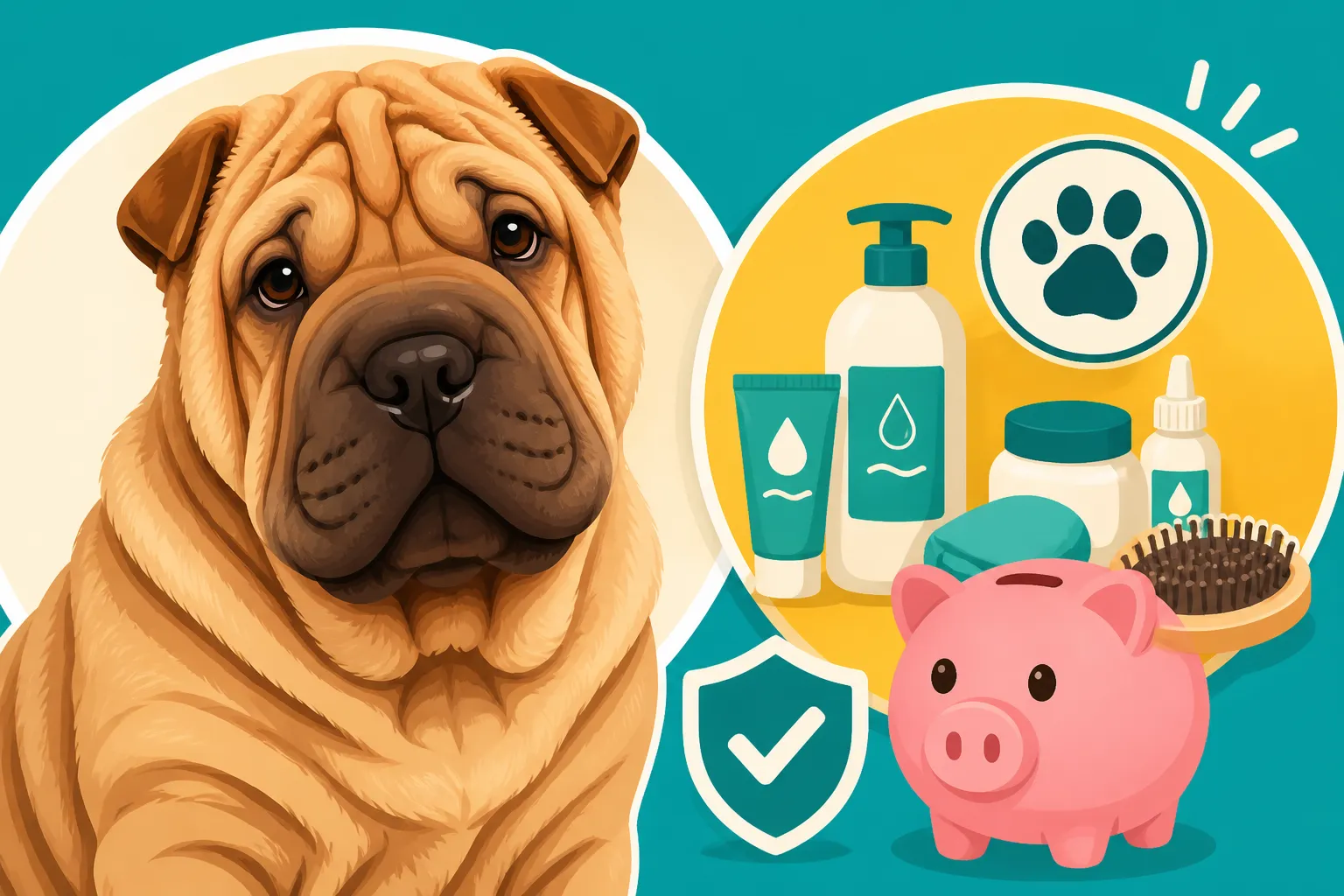
What a Shar Pei’s Skin Costs a Year
If you're a Shar Pei owner, or you're considering bringing one of these magnificent, wrinkly dogs into your life, you've probably heard whispers about their skin issues. It's not just a rumor; it's often a reality, and it can become a significant financial burden. Many people underestimate just how much their unique skin type contributes to ongoing vet bills and daily care expenses. This guide is here to walk you through the various costs associated with keeping your Shar Pei's skin healthy and comfortable throughout its life.
Understanding the Root of Shar Pei Skin Issues
The very thing that makes the Shar Pei so distinctively charming – those incredible wrinkles – is also the primary source of many of their health challenges, particularly concerning their skin. It’s a paradox, really. While we adore their rolls and folds, they require a meticulous approach to care that other breeds simply don't demand. Understanding the underlying reasons for these skin woes is the first step toward managing the financial commitment they entail.
The Hyaluronic Acid Connection
At the heart of the Shar Pei's distinctive wrinkles is an overabundance of hyaluronic acid, specifically a mucin called hyaluronan. This substance is naturally found in the skin of all dogs, contributing to elasticity and hydration. However, in Shar Pei, particularly the heavily wrinkled "meat mouth" variety, there's a genetic mutation that causes an excessive production of hyaluronan. Imagine a sponge constantly soaking up water; that's what's happening beneath their skin, creating that characteristic puffiness and those deep folds.
This excess hyaluronic acid isn't just about aesthetics. It creates a moist, warm environment deep within the skin folds, an ideal breeding ground for bacteria and yeast. Furthermore, the genetic pathway involved in this overproduction is also linked to inflammatory responses, making them more susceptible to certain systemic conditions. It’s not just skin deep; it's a fundamental aspect of their physiology that dictates a lifetime of proactive management. Understanding Why Hyaluronic Acid Makes a Shar Pei Wrinkle helps clarify the cascade of health issues that follow.
How Coat Type Influences Skin Health
While all Shar Pei are prone to skin issues, the severity can sometimes correlate with their coat type. The two most common types are the "horse coat" and the "brush coat." Horse coat Shar Pei have very short, bristly hair that feels like sandpaper, while brush coat Shar Pei have slightly longer, softer fur. There's also the "bear coat," which has even longer hair, but this is considered a disqualifying fault in the show ring and is less common.
A horse coat often exacerbates skin problems. The very short, coarse hairs can be more irritating to the skin, especially in deep folds, and some owners report their horse coat Shar Pei having more sensitive skin reactions. Brush coats might offer a tiny bit more protection, but the underlying skin structure and the propensity for bacterial and yeast infections remain. Regardless of coat type, the maintenance of skin integrity is paramount and forms a significant part of the annual cost. You can learn more about how Horse Coat or Brush Coat Changes How You Care for a Shar Pei.
The Genetic Predisposition to Skin Woes
Beyond the hyaluronic acid, Shar Pei possess a genetic predisposition to various dermatological conditions. Their unique genetic makeup, largely due to the breed's narrow genetic bottleneck after nearly going extinct, means certain health issues are simply more common. This isn't the fault of individual breeders; it's a legacy of their survival and the traits that were inadvertently amplified. This means that even with the most diligent care, your Shar Pei might still face recurrent skin challenges.
These genetic factors contribute to a higher likelihood of allergic skin disease, primary seborrhea, and even immune-mediated skin conditions. This means the costs aren't just about managing the folds; they extend to extensive diagnostic testing, specialized diets, and long-term medication protocols that can really add up. It’s a bitter pill to swallow for owners who are doing everything right, but it's crucial to acknowledge this inherent vulnerability when budgeting for a Shar Pei.
The Constant Battle with Skin Fold Dermatitis
Skin fold dermatitis, also known as pyoderma or intertrigo, is probably the most notorious and common skin problem in Shar Pei. Those beautiful, deep wrinkles, especially on the face, neck, and sometimes even around the tail and body, create warm, moist, and poorly ventilated environments. It's a perfect storm for bacteria and yeast to multiply, leading to inflammation, itching, redness, and a sometimes overwhelming odor. Managing this is a daily, lifelong commitment, and the costs associated with it are constant.
Daily Cleaning and Maintenance Supplies
Preventing skin fold dermatitis is always less expensive than treating it, but "less expensive" is a relative term when it comes to Shar Pei skin. Daily cleaning is non-negotiable for many dogs, especially those with prominent folds. This involves a routine of wiping folds with specialized antiseptic wipes or cotton balls soaked in a vet-approved solution. Think of it like brushing your teeth – skip a day, and you risk a problem.
The cost of these maintenance supplies can accumulate quickly. You'll need gentle, non-irritating wipes, often containing ingredients like chlorhexidine or salicylic acid to keep bacterial and yeast populations under control. Many owners find themselves going through several tubs of these wipes each month. Then there's the occasional medicated shampoo for routine bathing, which isn't your average grocery store brand. Brands like Chewy often have a good selection of these specialized products, but their price point is usually higher than standard pet grooming items. This consistent purchasing forms a foundational part of your annual skin care budget.
Treating Active Infections
Despite the most diligent daily care, infections can and often will flare up. A slight increase in humidity, a forgotten fold wipe, or even a stressful event can trigger a full-blown skin infection. When this happens, a trip to the vet is usually in order. The costs for treating an active infection can include examination fees, skin cytology (looking at skin cells under a microscope to identify bacteria or yeast), and prescription medications.
Treatment typically involves oral antibiotics or antifungals, sometimes for several weeks, and stronger medicated shampoos or topical ointments. If the infection is particularly stubborn or deep-seated, your vet might recommend a culture and sensitivity test to determine the exact type of bacteria and which antibiotics will be most effective, adding another layer of expense. These acute episodes, which can recur multiple times a year, represent significant spikes in your annual spending. It’s why Skin Fold Dermatitis on a Shar Pei is such a pervasive issue.
Surgical Interventions for Chronic Folds
For Shar Pei with severe, recurring fold infections that simply cannot be managed with medication and diligent topical care, surgical intervention might be considered. This usually involves a procedure called a "fold lift" or "rhytidectomy," where excess skin is removed from problematic areas, most commonly on the face or around the tail. The goal is to eliminate the deep pockets where infections fester, thereby improving ventilation and reducing the incidence of dermatitis.
This is not a decision to be taken lightly, and it comes with a substantial price tag. Surgical costs include pre-surgical bloodwork, anesthesia, the procedure itself, pain medication, and post-operative check-ups. While it can offer a permanent solution to a very frustrating and painful problem for your dog, it's a major investment. Owners who face this decision often weigh the ongoing costs and discomfort of chronic infections against the one-time (albeit large) expense of surgery.
When Allergies Join the Fray: Food and Environmental
As if skin fold dermatitis wasn't enough, many Shar Pei also contend with allergies, both environmental and food-related. This adds another complex layer to their dermatological challenges and, predictably, to their annual care costs. Allergies manifest as intense itching, redness, recurrent ear infections (which are skin-related), and secondary bacterial or yeast infections, making it hard to distinguish from other skin issues without proper diagnosis.
The Cost of Diagnosis: Testing and Elimination Diets
Pinpointing the exact cause of allergies in a Shar Pei can be a frustrating and expensive journey. There's no single, definitive test that perfectly identifies all allergens. For suspected food allergies, an elimination diet is often recommended. This involves feeding a novel protein or hydrolyzed protein diet for 8-12 weeks, with absolutely no other treats or foods. These specialized diets are significantly more expensive than standard kibble. If successful, foods are then reintroduced one by one to identify the culprit. This whole process demands immense patience and consistency, not to mention financial outlay for the specialized food.
For environmental allergies (atopy), diagnosis might involve intradermal skin testing (where small amounts of allergens are injected under the skin) or blood tests (serum IgE testing). These tests are typically performed by veterinary dermatologists and can incur a hefty specialist consultation fee, along with the cost of the tests themselves. It's a necessary step to guide treatment, but it's an upfront cost that needs to be factored into the annual budget for a Shar Pei with suspected allergies. You may want to explore Food Allergies in a Shar Pei for more specific details.
Managing Food Allergies: Specialized Nutrition
Once food allergies are identified, managing them is a lifelong commitment to a specialized diet. This means sticking to specific protein sources or a hydrolyzed protein diet that the dog won't react to. These diets are almost always more expensive than conventional dog food. You won't find them in every grocery store, and they often come with higher price tags due to their carefully controlled ingredients and manufacturing processes.
For owners committed to managing food allergies, purchasing these specialized foods in bulk through online retailers like Chewy or directly from manufacturers can sometimes offer slight savings, but the cost remains consistently higher. Some owners opt for fresh, human-grade food services, such as Ollie, which can be customized to avoid specific allergens. While often more expensive per meal, the peace of mind knowing exactly what your dog is eating and the potential for better health outcomes can be worth the investment for many.
Tackling Environmental Allergies: Medications and Immunotherapy
Environmental allergies are often trickier to manage, as you can't simply remove the allergen from the dog's environment (unless it's something specific like a particular plant in your yard). Treatment usually involves a multi-modal approach, often including daily medications and/or immunotherapy. Common medications include antihistamines, omega-3 fatty acid supplements, and sometimes steroids for severe flare-ups. Newer, more targeted medications, such as Apoquel and Cytopoint, have revolutionized allergy management but come with their own substantial costs, often requiring monthly or quarterly administration.
Immunotherapy, developed from allergy test results, involves a series of injections or oral drops given over time to desensitize the dog to specific allergens. This is often the safest and most effective long-term solution, but it requires a significant initial investment for the allergy testing and then ongoing costs for the allergen serums. While it can reduce the need for other medications over time, the upfront and continuous expense for immunotherapy is a major component of an allergic Shar Pei's annual skin budget.
Beyond the Folds: Mange and Other Dermatological Demons
While fold dermatitis and allergies dominate the Shar Pei skin discussion, these dogs are also susceptible to other dermatological conditions that can be equally costly and challenging to manage. These conditions might not be as common, but when they strike, they demand immediate attention and can incur significant veterinary expenses, adding unexpected bills to your annual tally.
Demodectic Mange: Diagnosis and Treatment
Demodectic mange is a skin condition caused by microscopic mites (Demodex canis) that naturally live in the hair follicles of most dogs without causing problems. However, in Shar Pei, particularly young puppies, a compromised immune system can allow these mites to overpopulate, leading to hair loss, redness, scaling, and secondary infections. Shar Pei are known to be predisposed to generalized demodectic mange, which covers large areas of the body. You should be aware of Whether a Shar Pei Gets Demodectic Mange.
Diagnosis requires a deep skin scraping, a relatively inexpensive procedure, but the treatment can be prolonged and costly. Older treatments involved daily dips or baths with strong insecticides, which were time-consuming and often harsh. Modern treatments typically involve oral medications given for several weeks to months, until multiple negative skin scrapings confirm the mites are gone. These newer medications are highly effective but can be quite expensive, especially for larger dogs or prolonged treatment courses. Regular follow-up vet visits and skin scrapings add to the overall financial burden.
Cutaneous Mucinosis: What It Is and How It's Managed
Cutaneous mucinosis is a condition unique to the Shar Pei, directly related to their genetic predisposition to produce excessive hyaluronic acid. It manifests as clear, jelly-like blisters or bubbles on the skin, often mistaken for hives or allergic reactions. It's essentially an accumulation of excess mucin within the skin layers, making the skin feel boggy or lumpy. While often benign, severe cases can lead to painful lesions, rupture, and secondary infections.
Diagnosis usually involves a physical exam and sometimes a skin biopsy to confirm the mucin deposits. Treatment is often aimed at managing symptoms and preventing secondary issues. Steroids might be prescribed to reduce inflammation and mucin production, which can be effective but carry their own side effects and long-term costs. In some cases, no treatment is needed if the mucinosis isn't causing discomfort. However, the initial diagnostic work-up and potential medication expenses contribute to the annual skin care budget, especially if flare-ups are frequent.
Other Less Common but Persistent Skin Conditions
Beyond the primary concerns, Shar Pei can also be prone to other less common but equally frustrating skin issues. These might include primary seborrhea, an inherited condition causing flaky, greasy skin; recurrent bacterial folliculitis; or even autoimmune skin diseases. Each of these requires specific diagnostic tests and tailored treatment plans, all of which add to the yearly cost of ownership.
For example, diagnosing primary seborrhea might involve biopsies and specialized shampoos, while autoimmune conditions can require advanced diagnostics and expensive immunosuppressive medications. These conditions often necessitate consultations with veterinary dermatologists, whose specialized expertise comes with a higher fee. It's a reminder that a Shar Pei's skin is a complex organ, and its care can encompass a wide range of potential problems, each with its own financial implications.
The Price of Prevention: Routine Care and Proactive Measures
While treating active skin problems is undoubtedly expensive, don't underestimate the ongoing costs of preventative and routine care for a Shar Pei's skin. This isn't just about reacting to problems but proactively working to avoid them in the first place. This consistent investment is critical for managing their unique skin, and it constitutes a significant part of their annual budget, even for a relatively "healthy" Shar Pei.
Regular Vet Visits and Skin Checks
Even if your Shar Pei isn't experiencing an acute flare-up, regular veterinary check-ups are essential. During these visits, your vet can conduct thorough skin checks, looking for early signs of irritation, infection, or other issues that might be easily missed by an untrained eye. Early detection often means easier and less expensive treatment. These routine visits, including the consultation fee, are a baseline cost for any dog owner, but for a Shar Pei, they often involve a more detailed skin examination.
Your vet might recommend specific preventative measures, like an ear cleaning solution to prevent infections in their notoriously narrow ear canals, which are often linked to overall skin health. They might also discuss environmental management strategies to reduce allergen exposure. These proactive discussions and examinations are invaluable and form a necessary part of the annual financial commitment to a Shar Pei's skin health.
Professional Grooming and Medicated Baths
While many Shar Pei owners handle bathing at home, some opt for professional groomers, especially if their dog is difficult to bathe or has very deep, complex folds. Professional groomers familiar with the breed can ensure thorough cleaning and drying, which is paramount to preventing infections. Their services, especially for specialized medicated baths or specific drying techniques, can add to the annual cost. You can learn more about Drying Is More Important Than Washing on a Shar Pei.
For those who bathe at home, the cost isn't in the service, but in the products. Medicated shampoos recommended for preventative care or mild conditions are pricier than standard dog shampoos. These often contain ingredients like benzoyl peroxide, chlorhexidine, or coal tar, designed to address specific skin concerns. Using these shampoos correctly, including appropriate contact time, is key, and going through several bottles a year is common.
Supplements and Preventative Additives
Many Shar Pei owners incorporate supplements into their dog's diet to support skin health, often on the advice of their veterinarian or dermatologist. Omega-3 fatty acids (fish oil) are a popular choice, known for their anti-inflammatory properties and ability to improve skin barrier function. Other supplements might include probiotics to support gut health (which can influence skin health) or specific vitamins and minerals.
While these supplements are generally available over the counter, the cost of purchasing them regularly throughout the year adds up. High-quality veterinary-grade supplements are often recommended for efficacy, and these typically come at a premium price point compared to human-grade supplements or cheaper pet store brands. It's another ongoing, albeit often beneficial, expense that contributes to the annual cost of a Shar Pei's skin care.
Navigating the Financial Maze: Insurance and Budgeting
Given the lifelong potential for skin issues in Shar Pei, it's wise to consider strategies for managing the associated costs. These aren't just one-off expenses; they are recurrent, and sometimes substantial, financial demands. Planning ahead, either through pet insurance or a dedicated savings fund, can provide much-needed peace of mind and ensure your Shar Pei receives the best possible care without breaking the bank.
Pet Insurance Considerations for Skin Conditions
Pet insurance can be a lifesaver for Shar Pei owners, but it's crucial to understand how it applies to chronic conditions like skin issues. Most policies do not cover pre-existing conditions. This means if your Shar Pei has already been diagnosed with skin fold dermatitis or allergies before you purchase the policy, treatments for those specific conditions might be excluded. This is why it's often recommended to get pet insurance when your Shar Pei is a young puppy, before any conditions manifest. For more information, check out Insuring a Shar Pei Against a Mutation It Was Bred For.
However, if you have coverage before any diagnosis, a comprehensive policy from a provider like Healthy Paws could significantly offset the costs of diagnostic tests, medications, and even specialist visits for new skin conditions or flare-ups. It's vital to read the policy details carefully, understand deductibles, reimbursement percentages, and any per-incident or annual limits for chronic conditions. The monthly premium might seem like an extra cost, but one major skin flare-up or an allergy workup can quickly exceed what you'd pay in premiums for years.
Building a Dedicated "Skin Fund"
For those who prefer not to use pet insurance, or as a supplement to it, creating a dedicated "skin fund" is a responsible approach. This involves regularly setting aside a specific amount of money each month into a savings account specifically for your Shar Pei's potential skin care needs. Think of it as self-insurance. When a skin issue arises, the funds are readily available without causing financial strain.
The amount you save depends on your risk tolerance and your dog's current health, but considering the potential for recurrent infections, allergy treatments, or even surgical interventions, it's wise to aim for a substantial fund. This approach gives you flexibility and control, allowing you to pay for treatments as they arise without worrying about insurance claims or exclusions. It’s about being prepared for the inevitable financial demands of a Shar Pei's unique dermatological landscape.
Seeking Specialist Care: Dermatology Referrals
Sometimes, your general practice veterinarian might recommend a referral to a veterinary dermatologist. These specialists have advanced training and expertise in diagnosing and treating complex skin conditions. While their services are invaluable, they also come with higher consultation fees and often more expensive diagnostic tests and treatment protocols.
A first-time consultation with a dermatologist can be a significant expense, not including any tests or medications that follow. However, for chronic, stubborn, or unusual skin problems, a specialist can often provide a more accurate diagnosis and a more effective long-term management plan, potentially saving money in the long run by avoiding ineffective treatments. It’s an investment in your Shar Pei's comfort and quality of life, but one that must be budgeted for.
Medications, Special Shampoos, and Supplies: The Recurring Bill
The daily reality of owning a Shar Pei with skin issues is the constant need for various medications, therapeutic shampoos, and specialized supplies. These aren't one-time purchases; they are recurring bills that form a significant, often underappreciated, chunk of the annual cost. Managing this inventory, and the associated expenses, is a key part of Shar Pei ownership.
Prescription Medications: Antifungals, Antibiotics, Steroids
When a Shar Pei experiences an active skin infection, whether bacterial or yeast, prescription medications become necessary. This often means oral antibiotics for bacterial infections, which can range from a few weeks to several months depending on the severity and recurrence. Oral antifungals are used for stubborn yeast infections. Both types of medications, especially if needed long-term or intermittently, add substantial recurring costs.
For severe inflammation or intense itching, your vet might prescribe corticosteroids (steroids) to provide rapid relief. While effective, long-term steroid use has potential side effects and is generally used judiciously. Newer medications for allergies, like Apoquel or Cytopoint, offer targeted relief with fewer side effects but carry a premium price tag, often requiring monthly or quarterly expenses for the life of the allergy season or year-round. You can see What a Shar Pei's Skin Medication Costs Yearly for a broader overview.
Therapeutic Shampoos, Wipes, and Conditioners
Beyond oral medications, topical treatments are a cornerstone of Shar Pei skin care. This includes a range of therapeutic shampoos, antiseptic wipes, and sometimes medicated conditioners or mousses. These products are not just for treating active infections but also for preventative maintenance, helping to control bacterial and yeast populations on the skin's surface.
These specialized products are considerably more expensive than regular dog grooming supplies. You might need different shampoos for different purposes – one for yeast, one for bacteria, or a combination. The cost of purchasing these regularly, sometimes multiple bottles a month for severe cases or large dogs, accumulates quickly. Many owners turn to online retailers like Chewy for these items, often buying in larger volumes to manage costs, but it remains a consistent outflow of money.
Ear Cleaners and Eye Wipes
While not strictly "skin" in the broad sense, issues with a Shar Pei's ears and eyes are often inextricably linked to their overall skin health and the challenges of their unique anatomy. Shar Pei have incredibly narrow ear canals, making them highly prone to ear infections, which are essentially skin infections of the ear canal. Regular cleaning with vet-approved solutions is crucial for prevention, and treating active infections often involves prescription ear drops. These cleaners and medications represent another recurring cost category. For specific advice, consider The Shar Pei Ear You Cannot Reach Into.
Similarly, their deep-set eyes and prominent facial folds can lead to tear staining and irritation, sometimes necessitating daily wiping with gentle, antiseptic eye wipes to prevent secondary skin irritation or infection around the eyes. These seemingly small costs add up throughout the year, underscoring that Shar Pei skin care extends to managing all areas affected by their unique conformation.
Annual Shar Pei Skin Care Costs: A General Overview
To give you a clearer picture, here's a generalized breakdown of potential annual costs for a Shar Pei with varying degrees of skin issues. Please remember, these are illustrative and can vary widely based on your location, your vet's fees, the severity of your dog's conditions, and your chosen treatment paths.
| Category | Low-End Annual Cost (Proactive/Mild Issues) | High-End Annual Cost (Chronic/Severe Issues) | Description |
|---|---|---|---|
| Routine Vet Visits & Skin Checks | Moderate (1-2 visits) | Moderate (2-4+ visits) | Standard check-ups, early detection. May include skin cytology. |
| Daily Cleaning Supplies | $100 – $200 | $200 – $400+ | Antiseptic wipes, cotton pads, specialized cleaning solutions. |
| Medicated Shampoos/Conditioners | $100 – $250 | $250 – $500+ | Specialized therapeutic shampoos, conditioners, mousses for preventative or mild treatment. |
| Allergy Diagnostics | $0 (if no allergies) | $500 – $1500+ | Skin testing, blood tests, specialist consultations for allergy identification. |
| Allergy Medications/Immunotherapy | $0 (if no allergies) | $300 – $1500+ | Daily oral meds (antihistamines, Apoquel), Cytopoint injections, allergy shots/drops. |
| Specialized Diet (Allergy) | $0 (if no allergies) | $400 – $1000+ (difference over regular food) | Higher cost for novel protein, hydrolyzed, or prescription diets. |
| Acute Infection Treatment | $100 – $300 (1 mild episode) | $500 – $2000+ (multiple severe episodes) | Vet visits, skin cytology, oral antibiotics, antifungals, topical treatments. |
| Supplements (Omega-3, Probiotics) | $100 – $300 | $200 – $500+ | Quality fish oil, probiotics, other skin-supportive supplements. |
| Ear/Eye Care Supplies | $50 – $150 | $150 – $300+ | Vet-approved ear cleaners, medicated ear drops, gentle eye wipes. |
| Total Annual Estimate | $450 – $1300+ | $2500 – $8000+ | This does not include one-time major surgeries (e.g., fold lift) or pet insurance premiums, which are additional. The high end can easily exceed this with multiple complex issues or specialist referrals. |
In conclusion, the distinctive skin that gives the Shar Pei its charm is undeniably a source of unique and often substantial financial commitments. From daily preventative care supplies to intermittent allergy treatments, acute infection medications, and potential specialist consultations, the costs associated with keeping a Shar Pei's skin healthy are a significant part of their annual ownership budget. Being prepared, understanding the potential challenges, and working closely with your veterinarian are key to ensuring your wrinkly companion lives a comfortable and happy life, without undue financial stress on your part.
Disclaimer
This article is for general informational purposes only and does not constitute professional advice. Laws, prices and regulations vary by location and change over time. Consult a qualified professional for guidance on your specific situation.