Drying Is More Important Than Washing on a Shar Pei
If you're a Shar Pei owner, you've probably spent countless hours trying to get those adorable wrinkles clean, only to be met with that lingering damp dog smell or, worse, a new patch of irritated skin. It’s a common frustration that many of us face, believing that the washing is the hardest part. But here's the honest truth: the washing is often the easiest bit; it’s the drying that holds the key to your Shar Pei's skin health and comfort. This comprehensive guide will walk you through why meticulous drying is paramount and how to master it, transforming your routine and keeping your beloved wrinkly companion happy and healthy.
The Unique Challenge of the Shar Pei Coat and Skin
Owning a Shar Pei means understanding that their skin isn't just a covering; it's a defining characteristic and, often, a source of unique challenges. Their abundant wrinkles and dense coat create a microclimate that can quickly turn from cozy to problematic if not managed correctly, especially after a bath or an unexpected splash.
The Dangers of Trapped Moisture in Folds
Imagine wearing multiple layers of clothing on a humid day, never quite drying out after a shower. That's a bit like what happens in a Shar Pei's deep skin folds if moisture gets trapped. These folds, especially around the face, neck, and tail, are like tiny, warm, dark caves, perfect breeding grounds for all sorts of unwelcome guests. When water settles in these crevices after a bath, or even just from drooling or playing outside in damp grass, it doesn't evaporate easily. Instead, it creates an ideal environment for bacteria and yeast to multiply.
Many owners notice a distinct, sometimes pungent, odor emanating from their Shar Pei even a day or two after a bath. This isn't usually because the dog is dirty again; it's often the tell-tale sign of moisture trapped in the folds, leading to an overgrowth of microorganisms. This constant dampness can quickly break down the skin's natural defenses, causing irritation, redness, and itchiness. It's a frustrating cycle where you wash to get rid of the smell, but if you don't dry properly, you inadvertently set the stage for more problems and more odors. Understanding this dynamic is the first step in protecting your Shar Pei’s sensitive skin.
Why a Shar Pei's Coat Itself Retains Water
Beyond the folds, the Shar Pei's unique coat structure also plays a significant role in its drying challenges. Whether you have a horse coat, brush coat, or even a rare bear coat Shar Pei, the density and texture of their fur can be surprisingly adept at holding onto water. The horse coat, famously short and bristly, might feel like it would shed water quickly, but those stiff hairs can actually trap moisture close to the skin, making it harder to air dry effectively. Similarly, the brush coat, which is slightly longer and softer, can become quite matted when wet, forming a dense barrier that prevents air circulation. Horse Coat or Brush Coat Changes How You Care for a Shar Pei
What often happens is that the top layer of fur feels dry to the touch, leading owners to believe their dog is fully dry. However, deep underneath, close to the skin and within those crucial folds, residual moisture can still be lingering. This isn't like a Labrador with its smooth, easily drying coat or a Poodle whose hair can be thoroughly towel-dried and then easily blow-dried. A Shar Pei's coat acts almost like a sponge, and without active intervention, that trapped water will sit and stew, causing trouble. This characteristic means that drying isn't just about removing surface water; it's about forcing air into every nook and cranny to ensure the skin itself is completely arid.
Beyond the Bath: The Real Purpose of Drying
Drying your Shar Pei isn't just about making them fluffy or preventing them from shaking water all over your furniture. It's a critical preventative health measure, arguably more important than the washing itself when it comes to maintaining their unique skin integrity. Overlooking this step can lead to significant discomfort and expensive veterinary visits.
Preventing Skin Fold Dermatitis and Infections
Skin fold dermatitis, also known as intertrigo, is an incredibly common and painful condition in Shar Peis, and it's almost always a direct result of inadequate drying. This nasty irritation occurs when moisture, trapped within those deep skin folds, softens the skin and creates a warm, oxygen-poor environment. Add a little friction from movement, and you have a perfect recipe for bacterial and yeast overgrowth. The skin becomes red, inflamed, itchy, and often produces a foul, cheesy odor. In severe cases, it can develop into open sores, oozing, and deep-seated infections that are incredibly difficult to resolve. Skin Fold Dermatitis on a Shar Pei
Imagine trying to heal a cut while it's constantly wet and rubbed. That's what your Shar Pei's skin is contending with. Many owners become acutely aware of this problem when their dog starts excessively licking, scratching, or rubbing their face against furniture, all signs of intense discomfort. By diligently and thoroughly drying every single fold, you are actively preventing this cascade of events. You're denying the bacteria and yeast the moist environment they need to thrive, keeping the skin healthy and intact. This proactive approach saves your dog pain and saves you the stress and cost of treating a full-blown skin infection, which often requires prescription medications and specialized shampoos.
Maintaining the Skin Barrier and pH Balance
A healthy skin barrier is crucial for protecting your Shar Pei from environmental irritants, allergens, and microbial invaders. This barrier, composed of skin cells and lipids, acts like a protective shield. When skin remains damp for too long, this delicate barrier can become compromised. The constant moisture causes the skin to swell and soften, making it more permeable and vulnerable. Think of how your fingers wrinkle and feel fragile after a long bath – now imagine that happening in delicate skin folds, where the skin is already under stress.
Moreover, prolonged dampness can disrupt the skin's natural pH balance. Dog skin has a different, typically more alkaline, pH than human skin, and this balance is vital for its protective functions. When this balance is thrown off by constant wetness, it further weakens the skin's ability to ward off opportunistic pathogens like yeast and certain bacteria. A disrupted pH creates an even more favorable breeding ground for these organisms, leading to that cycle of itching, inflammation, and potential infection. Proper drying helps to restore and maintain the skin's natural pH and allows the barrier to remain strong, ensuring your Shar Pei's first line of defense against the outside world stays robust.
The Essential Tools for Effective Shar Pei Drying
You wouldn't try to build a house with just a hammer, and you shouldn't try to properly dry a Shar Pei with just any old towel. Having the right tools makes an immense difference in the effectiveness and efficiency of your drying routine, turning a daunting task into a manageable one.
Absorbent Towels: Your First Line of Defense
Before you even think about anything else, a stack of high-quality, super-absorbent towels is your absolute first line of defense against excessive dampness. Regular cotton towels are okay, but microfiber towels are truly a game-changer for a Shar Pei. Their unique fibers are designed to wick away significantly more moisture than traditional cotton, cutting down drying time considerably. You’ll want several on hand, especially if your Shar Pei is particularly wrinkly or has a thicker brush coat.
The technique here is crucial: you want to blot and squeeze, not rub vigorously. Rubbing can irritate the skin, especially in delicate areas, and can also tangle the fur, making it harder to dry later. Instead, gently press the towel into the coat, squeezing and wringing out sections of fur, especially around the legs, belly, and tail. For the face and head, use a softer, smaller towel or even a clean washcloth to carefully blot around the eyes, muzzle, and within the facial folds. This initial towel-drying phase is about getting the bulk of the water off, making the subsequent steps much more effective. Don't be shy about using multiple towels; a wet towel can't absorb any more water!
High-Velocity Dryers: A Game Changer for Shar Pei Owners
If you own a Shar Pei and don't yet have a high-velocity pet dryer, this is perhaps the single most important investment you can make in their skin health. Forget your human hairdryer; it’s too hot, too slow, and often not powerful enough. A high-velocity dryer (sometimes called a forced air dryer or dog blaster) is designed specifically for pets. It uses a strong, cool, or minimally warm blast of air to literally force water off the coat and, critically, to open up and dry deep within those skin folds.
The benefits are numerous. Firstly, speed: what might take an hour with a regular hairdryer or passive air drying can be cut down to 15-30 minutes. Secondly, effectiveness: the powerful airflow separates the fur and pushes air right down to the skin, dislodging trapped water that towels simply cannot reach. This is absolutely essential for preventing those deep-seated skin fold infections. Thirdly, safety: these dryers are built to run cool, minimizing the risk of overheating your dog's skin, which can cause discomfort or even burns. You can find excellent options on platforms like Amazon or Chewy, and they come in various power levels and with different nozzle attachments. Look for one with variable speed control so you can start gently and increase power as your dog becomes accustomed to it. It might seem like a luxury, but for a Shar Pei, it's a necessity for optimal skin care.
A Step-by-Step Guide to Drying Your Shar Pei
Mastering the Shar Pei drying routine might feel like a monumental task at first, but with a systematic approach and the right tools, it becomes a predictable and effective part of your dog's grooming schedule. Precision and patience are your best allies here.
Initial Towel Drying: Getting the Bulk Out
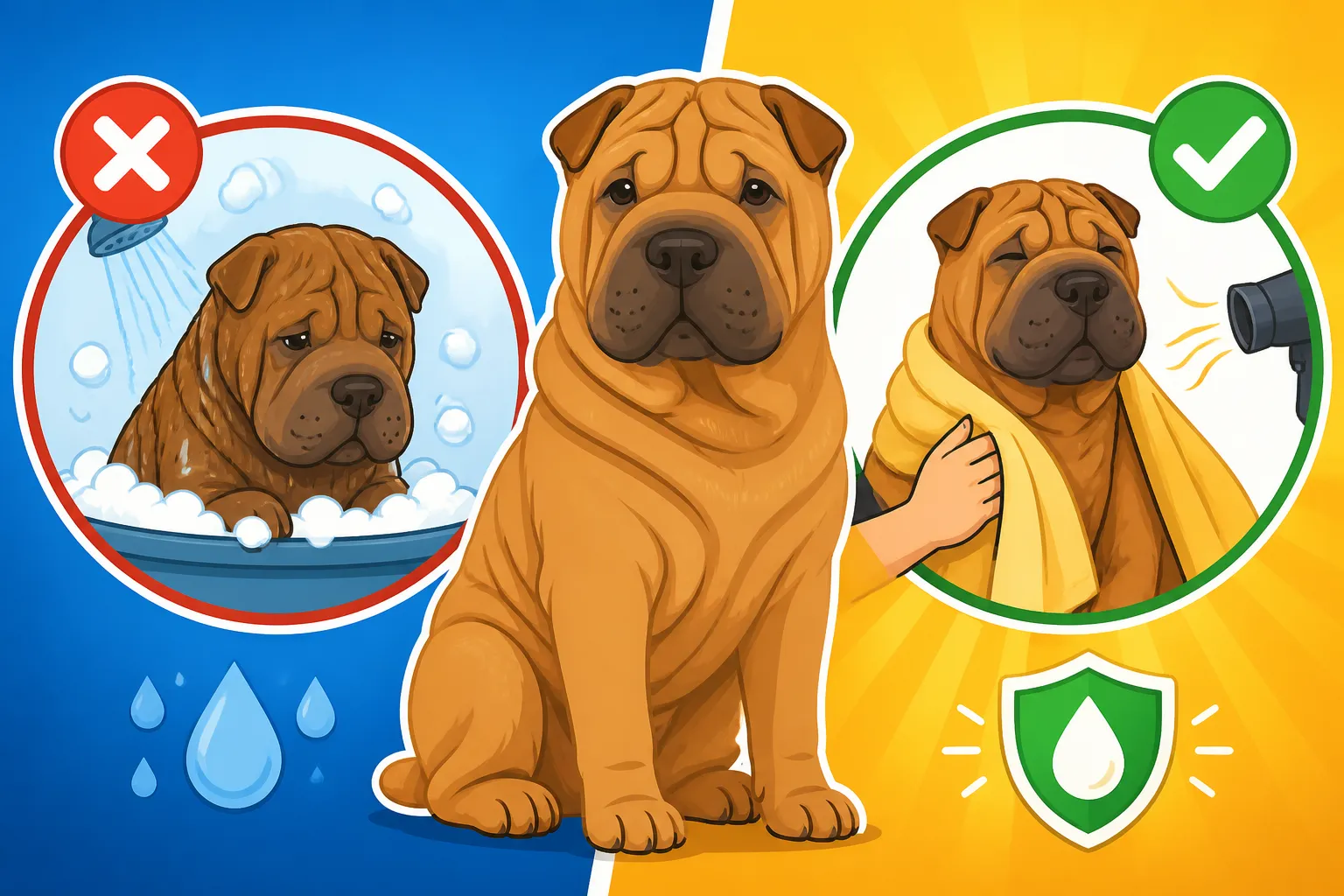
Once the bath is done and your Shar Pei is dripping wet, it’s time to get the initial bulk of water off. This step is crucial for two reasons: it makes the subsequent force drying much faster and more effective, and it helps acclimate your dog to the drying process. Start by letting your Shar Pei shake off as much water as possible in the tub or a designated area. Then, immediately wrap them in a large, absorbent microfiber towel. Gently squeeze and blot the water out of their coat, rather than rubbing vigorously, which can create mats or irritate sensitive skin. How to Dry a Shar Pei Properly
Work your way from head to tail. Pay close attention to the legs, paws, and underside of the belly, as these areas often hold a lot of water. For the face, use a smaller, softer towel to gently dab around the eyes, inside the ears (being careful not to push anything into the ear canal), and around the muzzle and facial wrinkles. Don't forget the tail and its base, especially if your Shar Pei has a tight tail curl that creates a pocket. Swap out wet towels for dry ones as needed; a saturated towel won't absorb any more moisture. The goal here isn't to get them bone dry, but to remove as much surface water as possible, leaving the coat merely damp.
Mastering the Forced Air Dryer Technique
Now for the real work! Introducing your Shar Pei to the forced air dryer requires patience and positive reinforcement. Start on a low setting, letting your dog sniff the nozzle and get used to the sound and sensation of the air. Offer treats and praise. Once they're comfortable, you can gradually increase the power. Always keep the nozzle moving and hold it a few inches away from the skin. Crucially, never direct the air into your dog's eyes or ears. For sensitive ears, consider using dog-specific ear muffs, especially if your Shar Pei has A Shar Pei Has the Narrowest Ear Canals of Any Breed.
The key to drying a Shar Pei effectively is to systematically lift and separate their folds and wrinkles. Use one hand to gently pull a fold taut, exposing the skin underneath, while the other hand directs the airflow into that specific area. Work in small sections, from head to tail, ensuring each area is thoroughly dry before moving on. Don't forget the areas many people miss: under the chin, the deep neck rolls, armpits, groin, between the toes, and especially the tail pocket. The air pressure from the dryer will push out the water, and you’ll literally see droplets flying off. Continuously run your fingers through the coat to feel for any dampness, focusing on feeling the skin dry, not just the fur. Remember, absolutely no heat or very minimal warmth. The force of the air is what dries, not the temperature.
Paying Special Attention to Problem Areas
Some areas on a Shar Pei are notorious for trapping moisture and require extra vigilance during drying. The facial folds, particularly those around the eyes and muzzle, are prime culprits for irritation. Gently lift each fold with your fingers and direct a careful, low-power stream of air into the crevice. For very tight facial folds, a soft, dry cotton ball or a corner of a paper towel can be used to absorb any lingering dampness after the initial blast of air. Be extremely gentle around the eyes to avoid irritation.
The neck rolls, often quite deep and abundant, are another critical zone. Work your way through these rolls, lifting each one and thoroughly drying the skin underneath. Don't overlook the armpits and groin area, where skin often rubs together, creating heat and moisture. These spots are highly prone to yeast infections if left damp. Finally, the tail fold, especially in a Shar Pei with a tightly curled tail, can be a hidden horror show for moisture and bacteria. Carefully lift the tail and dry the skin directly underneath where it meets the body, and any folds around the base. Every Fold on a Shar Pei Is a Place Something Grows Taking this extra time for these specific problem areas can prevent significant discomfort and health issues down the line.
Common Drying Mistakes and How to Avoid Them
Even with the best intentions, it's easy to make mistakes during the drying process that can negate all your hard work or, worse, cause problems for your Shar Pei. Recognizing these pitfalls is the first step toward a perfectly dry, happy dog.
Rushing the Process: The Temptation to Stop Too Soon
Let's be honest: drying a Shar Pei is not a five-minute job. It can be time-consuming, and after a long bath, it's incredibly tempting to declare victory when your dog merely feels mostly dry. This is, perhaps, the most common and detrimental mistake owners make. The top layer of fur can feel dry, giving a false sense of security, while deep within the folds and close to the skin, moisture still lurks.
Rushing means you're leaving behind prime conditions for bacterial and yeast growth, leading directly to skin fold dermatitis, unpleasant odors, and chronic itching. It also means you're wasting the effort you put into the bath itself. Many owners confess to cutting corners because their dog gets fidgety, or they simply run out of patience. However, those extra five, ten, or even fifteen minutes of diligent drying are an investment in your Shar Pei's comfort and health. Imagine that the job isn't done until you can feel perfectly dry skin, not just dry fur. If your dog is particularly resistant, break the drying into short, positive sessions, or work on desensitizing them to the dryer slowly with lots of treats and praise. Patience truly pays off here.
Using Too Much Heat: A Recipe for Skin Irritation
While you might be used to blow-drying your own hair with warm or hot air, this is an absolute no-go for your Shar Pei. Their skin is incredibly sensitive, and they are also prone to overheating, especially with their dense coats and sometimes brachycephalic tendencies (even if not strictly a brachycephalic breed, their facial structure can make them less efficient at cooling). Using too much heat from a human hairdryer or even a pet dryer set too high can have serious consequences.
Excessive heat can quickly dry out and irritate the skin, leading to redness, flakiness, and itching. It can also cause thermal burns, which are incredibly painful and can lead to serious skin damage and infection. Furthermore, heat creates a humid microenvironment before drying the skin, potentially fostering the very microbial growth you're trying to prevent. Always use the cool or lukewarm setting on your pet dryer. The force of the air is what's important for drying, not the temperature. If your dryer only has hot settings, it's time to invest in a proper pet-specific forced air dryer that allows for temperature control. Your Shar Pei’s comfort and skin health depend on it.
Forgetting the "Hidden" Folds
It's easy to focus on the obvious, large wrinkles on a Shar Pei's face and neck, but many owners forget the multitude of smaller, less visible folds that can also trap moisture and harbor trouble. These "hidden" folds are often the silent culprits behind recurring skin issues, as they go unnoticed and thus undried.
Commonly missed areas include:
- Between the toes and paw pads: Moisture here can lead to yeast infections, causing itchiness and a distinct yeasty smell.
- Armpits and groin: These areas are constantly in contact with other skin, creating friction and warmth. If damp, they become a perfect breeding ground for bacteria.
- The underside of the tail and around the anus: This area can have subtle folds and can collect moisture.
- Deep in the ear folds (pinnae): While the main ear canal is often checked, the folds within the ear flap itself can also trap water. Whether a Shar Pei's Ears Should Be Dried After Bathing
- Beneath the chin and jawline: Often overlooked, this area can have surprisingly deep rolls.
The best way to avoid missing these spots is to perform a thorough tactile check after you think you're done. Run your hands over every inch of your Shar Pei, lifting each fold and feeling for any residual dampness directly on the skin. If you find any, hit it again with the dryer until it's completely dry. A systematic approach, combined with a meticulous hand-check, will ensure no hidden fold is left to fester.
When to Wash and When to Just Dry
Understanding when to perform a full bath versus when a quick drying session is sufficient is key to efficient and effective Shar Pei care. Over-washing can strip natural oils, but under-drying after any dampness is always a risk.
Regular Maintenance vs. Deep Cleaning
For a Shar Pei, a full bath with shampoo typically isn't a weekly affair. Most Shar Peis benefit from bathing every 3-8 weeks, depending on their activity level, coat type, and any specific skin conditions. How Often a Shar Pei Needs a Bath The purpose of these full baths is a deep cleaning to remove dirt, allergens, and dead skin cells, using a shampoo appropriate for their sensitive skin (often medicated or hypoallergenic). After such a bath, the meticulous drying outlined above is absolutely non-negotiable to prevent moisture-related issues.
However, your Shar Pei will undoubtedly get damp between these scheduled full baths. They might step in a puddle, get caught in the rain, have an excited drooling session, or even just sweat in humid weather. In these instances, a full bath is not necessary, but a thorough drying is. Think of it as "spot drying" or "maintenance drying." If their paws are wet, dry them. If their face is damp from drinking, dry it. If they've been outside in the dew, dry their belly and leg folds. This distinction is crucial: you don't always need to wash, but you always need to dry completely any time your Shar Pei gets wet. This prevents fungal or bacterial growth without over-stripping their skin with unnecessary shampoo.
Dealing with Unexpected Dampness
Life with a Shar Pei is full of delightful, if sometimes messy, surprises. One minute they're dry, the next they've decided to investigate a mud puddle or drink water with such enthusiasm that their entire muzzle is soaked. These everyday occurrences can, unfortunately, be just as problematic as a full bath if the resulting dampness is left to air dry. The key is immediate and thorough intervention. Whether a Shar Pei Should Be Dried After Rain
If your Shar Pei comes in from the rain, don't just towel them off and assume they'll air dry. The dampness will settle deep into their folds and coat. Grab your high-velocity dryer and follow the same fold-lifting, methodical drying steps you would after a bath. The same goes for post-swimming sessions (though many Shar Peis aren't keen swimmers, if yours enjoys a dip, dry immediately!). Even excessive drooling, common after exercise or when anticipating a treat, can leave the muzzle and chest folds damp enough to cause irritation. Keep a soft cloth handy for quick dabs throughout the day. The rule of thumb is simple: if it's wet, it needs to be dry. Proactive drying in response to unexpected dampness is a cornerstone of preventing ongoing skin problems in your Shar Pei.
Long-Term Skin Health: Beyond the Drying Rack
While impeccable drying practices are foundational, they are part of a larger picture of holistic care for your Shar Pei’s long-term skin health. Diet, regular veterinary oversight, and understanding their unique predispositions all play a vital role.
Diet and Supplements for a Healthy Coat
What goes into your Shar Pei's body is just as important as what happens on the outside. A high-quality, balanced diet is fundamental for healthy skin and a shiny coat. Look for foods with clearly identifiable protein sources and avoid fillers or common allergens if your dog shows sensitivities. Many Shar Peis can be prone to food allergies, which manifest as skin itching and irritation, making it even harder to discern if a problem is due to dampness or diet. Feeding a Shar Pei That Reacts to Its Food Brands like Ollie, known for fresh, human-grade ingredients, might offer excellent nutritional support, but always consult with your vet to find the best fit for your dog's specific needs.
Beyond the basic diet, certain supplements can provide an extra boost. Omega-3 and Omega-6 fatty acids, often found in fish oil, are renowned for their anti-inflammatory properties and their ability to support skin barrier function and coat quality. A healthy gut microbiome also impacts skin health, so a probiotic might be beneficial for some dogs. Always discuss any dietary changes or supplements with your veterinarian to ensure they are appropriate for your individual Shar Pei, especially if they have other underlying health concerns. A healthy dog from the inside out is better equipped to resist skin issues.
Regular Vet Checks for Skin Issues
Despite your best efforts with drying and diet, Shar Peis are simply predisposed to a range of skin conditions. This means regular veterinary check-ups are not just routine but a crucial part of proactive management. Your vet can spot subtle signs of irritation or infection that you might miss, especially in those hard-to-reach folds. They can also differentiate between common issues like skin fold dermatitis and more complex conditions such as demodectic mange, cutaneous mucinosis, or even underlying allergic reactions. What a Shar Pei's Skin Tells You Before Its Behavior Does What Cutaneous Mucinosis Is
If you notice persistent redness, itching, hair loss, an unusual odor, or any weeping or scabbing, don't hesitate to seek professional help. Early intervention is key to preventing minor issues from escalating into chronic, painful problems. Your vet can perform diagnostics like skin scrapings, cytology (examining skin cells under a microscope), or cultures to accurately identify the cause of the problem and prescribe the most effective treatment. They can also advise on specific medicated shampoos or topical treatments that might be necessary for ongoing management. Think of your vet as your ultimate partner in maintaining your Shar Pei’s distinctive, yet delicate, skin.
Shar Pei Drying Tools Comparison
| Tool Type | Pros | Cons | Best Use For |
|---|---|---|---|
| Microfiber Towels | Highly absorbent, gentle, inexpensive, quiet, great for initial bulk dry. | Requires multiple towels for full body, cannot reach deep folds, requires manual blotting/squeezing. | Initial water removal, face, paws, sensitive areas. |
| High-Velocity Dryer | Extremely powerful, forces water from deep folds, fast drying, low heat. | Can be noisy (requires desensitization), initial investment cost, requires proper technique. | Thorough drying of entire body, deep folds, dense coats. |
| Human Hairdryer | Readily available, small and portable. | Too hot for dog skin, not powerful enough for deep folds, can take very long, risk of burning. | Not recommended for Shar Pei due to heat/power issues. |
| Pet Stand Dryer | Hands-free drying (if dog tolerates), adjustable height. | Less powerful than velocity dryers, still uses heat, not ideal for opening specific folds. | Dogs comfortable with noise, owners who need both hands, general drying. |
| Cotton Balls/Pads | Very gentle, good for tight, delicate areas. | Very low absorption capacity, only for final dabbing in specific small folds after initial drying. | Drying very tight facial folds, around eyes, between toes (post-dryer). |
Disclaimer
This article is for general informational purposes only and does not constitute professional advice. Laws, prices and regulations vary by location and change over time. Consult a qualified professional for guidance on your specific situation.