Whether Treats Ruin a Shar Pei’s Elimination Diet
It's incredibly frustrating when your beloved Shar Pei starts to itch, get ear infections, or suffer from stomach upset, and you suspect food allergies are at play. You embark on an elimination diet, which feels like a huge commitment, only to wonder if a seemingly innocent treat could be secretly derailing all your hard work. This guide will walk you through exactly why treats are almost always a problem during this critical diagnostic phase and how to keep your Shar Pei happy and healthy without compromising their diet.
The Strict Rules of an Elimination Diet for Your Shar Pei
Embarking on an elimination diet with your Shar Pei is a serious undertaking, and it often feels like you're walking a tightrope. It's not just about changing their main meal; it's about meticulously controlling everything that goes into their mouth.
What an Elimination Diet Actually Is
At its heart, an elimination diet is a diagnostic tool, not just a new way of eating. The goal is to identify specific ingredients that might be causing an allergic reaction or sensitivity in your Shar Pei. You achieve this by feeding a novel protein source – something your dog has never eaten before – and a novel carbohydrate, for a specific period, usually 8 to 12 weeks. The idea is to strip away all the usual suspects, giving your Shar Pei's system a chance to clear out any lingering allergens and for their body to calm down. Once symptoms improve, you then reintroduce ingredients one by one, carefully watching for any return of the issues. It's a scientific process that requires absolute dedication. Food Allergies in a Shar Pei are incredibly common, and this is often the most reliable way to pinpoint the culprits.
The journey can be arduous, full of questions and moments of doubt, especially when your Shar Pei gives you those soulful, pleading eyes for their usual snack. But remember, this isn't just a diet change; it's a detective mission to improve their long-term health and comfort. Every single crumb, lick, or chew matters, because one wrong move can send you right back to square one, extending the diagnostic period and your dog's discomfort.
Why Purity is Paramount
The success of an elimination diet hinges entirely on its purity. If even a tiny amount of an offending ingredient sneaks into your Shar Pei's system, it can trigger a reaction, making it impossible to tell if the novel diet is working or if you’ve actually found the allergen. Think of it like trying to solve a puzzle with a piece missing – or, worse, with extra pieces that don't belong.
This means you need to be incredibly vigilant about everything your Shar Pei consumes. This includes not just their food, but also any chew toys they might ingest, medication they take, or even substances they might lick off the floor or ground. Many over-the-counter medications, for instance, are flavored with beef or chicken broth, which are common allergens. Even dental chews, which seem benign, are packed with ingredients that could be problematic. Every single item needs to be scrutinized, and if you're unsure, it's safer to assume it's a no-go for the duration of the diet. The strictness is challenging, but it's the only path to accurate results and a happier, healthier Shar Pei.
Common Food Allergens Shar Pei Face
While any ingredient can potentially cause an allergy, certain foods are much more common culprits in dogs, including our beloved Shar Pei. Knowing these can help you understand why your vet might recommend certain novel proteins or carbohydrates over others.
Chicken and beef are, unfortunately, top offenders. They are widely used in commercial dog foods and treats, meaning most dogs have been exposed to them extensively, increasing the chances of developing a sensitivity. Other common problematic ingredients include dairy products, eggs, wheat, soy, and sometimes even corn or lamb. Your veterinarian will often select a novel protein like venison, duck, rabbit, or kangaroo, paired with a carbohydrate like potato, sweet potato, or green peas, because these are less likely to have been part of your Shar Pei's previous diet. It's a journey of elimination, but also of discovery, as you learn which ingredients your unique Shar Pei can truly thrive on.
How Treats Can Wreck Your Progress (Even the "Healthy" Ones)
It's so natural to want to reward our dogs, to spoil them with little bites of joy. But when your Shar Pei is on an elimination diet, those seemingly harmless treats can become the ultimate saboteurs, undoing weeks of diligent effort in an instant.
Hidden Ingredients and Cross-Contamination
This is perhaps the biggest danger of commercial treats. You might pick up a bag of "single-ingredient" salmon jerky, thinking it's safe if salmon isn't the suspected allergen. But often, even these can have hidden ingredients, like preservatives, flavor enhancers, or binders, that aren't prominently listed or that you wouldn't expect. Many treat manufacturers use a shared facility, meaning there's a risk of cross-contamination with other ingredients, even those not directly added to the product.
For example, a treat labeled "duck" might be processed on the same line that handled chicken treats just hours before, leaving behind trace amounts of chicken protein. These tiny, invisible particles can be enough to trigger an allergic reaction in a highly sensitive Shar Pei, whose immune system is already on high alert. You might be meticulously checking labels at your local pet store or even on Chewy, but without truly understanding the manufacturing process, you're taking a gamble. It's a frustrating reality for pet parents trying their best to follow the diet.
The Calorie Conundrum and Behavioral Impact
Beyond the risk of allergens, treats add extra calories to your Shar Pei's daily intake. While a few extra calories might not seem like much, they can quickly accumulate, leading to weight gain. Signs a Shar Pei Is Overweight include a lack of a discernible waist, difficulty feeling their ribs, and a heavier gait, all of which can exacerbate existing health issues and introduce new ones. A Shar Pei's unique structure, especially their folds, can make it harder to visually assess their body condition, so those extra calories from treats can sneak up on you.
Furthermore, treats often become an integral part of our interactions with our dogs, especially in training. Shar Pei are known for being intelligent but also quite independent and strong-willed. What Motivates a Shar Pei often involves food, and if they're accustomed to high-value, varied treats, suddenly switching to no treats or bland diet-appropriate options can be confusing and demotivating. This isn't to say you can't motivate them, but it shifts the dynamic, and sometimes that shift, combined with the underlying discomfort from allergies, can make a sensitive dog even more resistant to training or compliance.
Even Single-Ingredient Treats Aren't Always Safe
It’s tempting to think that a treat made of just one thing, like a piece of dehydrated sweet potato or a strip of dried venison, would be absolutely fine. After all, if the sweet potato is your chosen carbohydrate, or venison your novel protein, it should logically be safe, right? Not necessarily.
The problem lies in the source and processing of even these "pure" items. Was that sweet potato grown with pesticides your Shar Pei might react to? Was the venison sourced from an animal that was fed corn, a common allergen, which could then appear as a trace in the meat? What about preservatives used during drying or packaging, even if not explicitly listed as an ingredient? Many manufacturers use different oils or coatings to prevent sticking or enhance appearance, none of which might be on the main label. Unless you are preparing these single-ingredient treats yourself, from raw ingredients that are part of your Shar Pei's current elimination diet, there's always a risk. This means store-bought single-ingredient options, even if they look simple, are usually off-limits.
Navigating Treat-Free Life During an Elimination Diet
Giving up treats for a while can feel like an impossible task, both for you and your Shar Pei. They're used to those little gestures of love and reward! But it is absolutely doable, and in many ways, it strengthens your bond in different, more profound ways.
Approved "Treats" from the Diet Itself
The safest and most reliable "treats" during an elimination diet are simply small portions of the food your Shar Pei is already on. If your vet has prescribed a hydrolyzed protein diet or a novel protein and carbohydrate diet, you can use tiny bits of that cooked, plain protein or carbohydrate as rewards. For example, if your Shar Pei is eating a venison and potato diet, you can boil a small piece of venison or potato specifically for training or rewarding.
The key here is preparation: it must be plain, unseasoned, and cooked simply. No oils, no salt, no butter, no spices. Just the ingredient itself. You can cut these into pea-sized pieces to stretch them out. This strategy not only keeps your Shar Pei on track but also reinforces that the special diet food is indeed delicious and rewarding, which can be helpful if they're initially reluctant to eat their new meals. It teaches them that good things still come from you, just in a slightly different package.
Non-Food Rewards and Affection
This is where you get to be creative and deepen your relationship with your Shar Pei in ways that don't involve their stomach. While Shar Pei can be perceived as aloof, they are deeply devoted to their chosen family. How a Shar Pei Bonds to Its Family is often through shared experiences, consistency, and affection.
Instead of a biscuit, try a quick game of tug with a favorite toy (just be mindful they don't ingest any toy pieces). Offer a short, happy walk around the block, or even just five minutes of focused playtime in the yard. Many Shar Pei adore a good ear scratch, a gentle massage, or a quiet cuddle session on the sofa. Positive praise, a happy voice, and enthusiastic petting can be incredibly reinforcing for them. This period of the elimination diet is a wonderful opportunity to discover what truly motivates your individual Shar Pei beyond just food. You might be surprised at how much they value your undivided attention and affection.
Reading Labels Like a Detective
When it comes to purchasing any food items for your Shar Pei during an elimination diet – including any prescribed foods, supplements, or even medications – you need to become a master detective of ingredient labels. This isn't just about glancing at the first few items; it's about scrutinizing every single word.
Look for a complete ingredient list that clearly states everything in the product. Pay particular attention to anything vague like "animal digest," "natural flavors," or "meat meal," as these can contain hidden allergens. If a product contains ingredients you can't easily identify or trace, it's safer to avoid it. Online retailers like Chewy and Amazon often provide detailed ingredient lists on their product pages, which can be a lifeline for thorough checking. Don't hesitate to call the manufacturer directly if you have questions about specific ingredients or potential cross-contamination. Your veterinarian or a veterinary nutritionist is also an invaluable resource here, as they can guide you towards truly safe products. Even non-food items like flea prevention or toothpaste might have hidden flavors. Always err on the side of caution; if in doubt, leave it out.
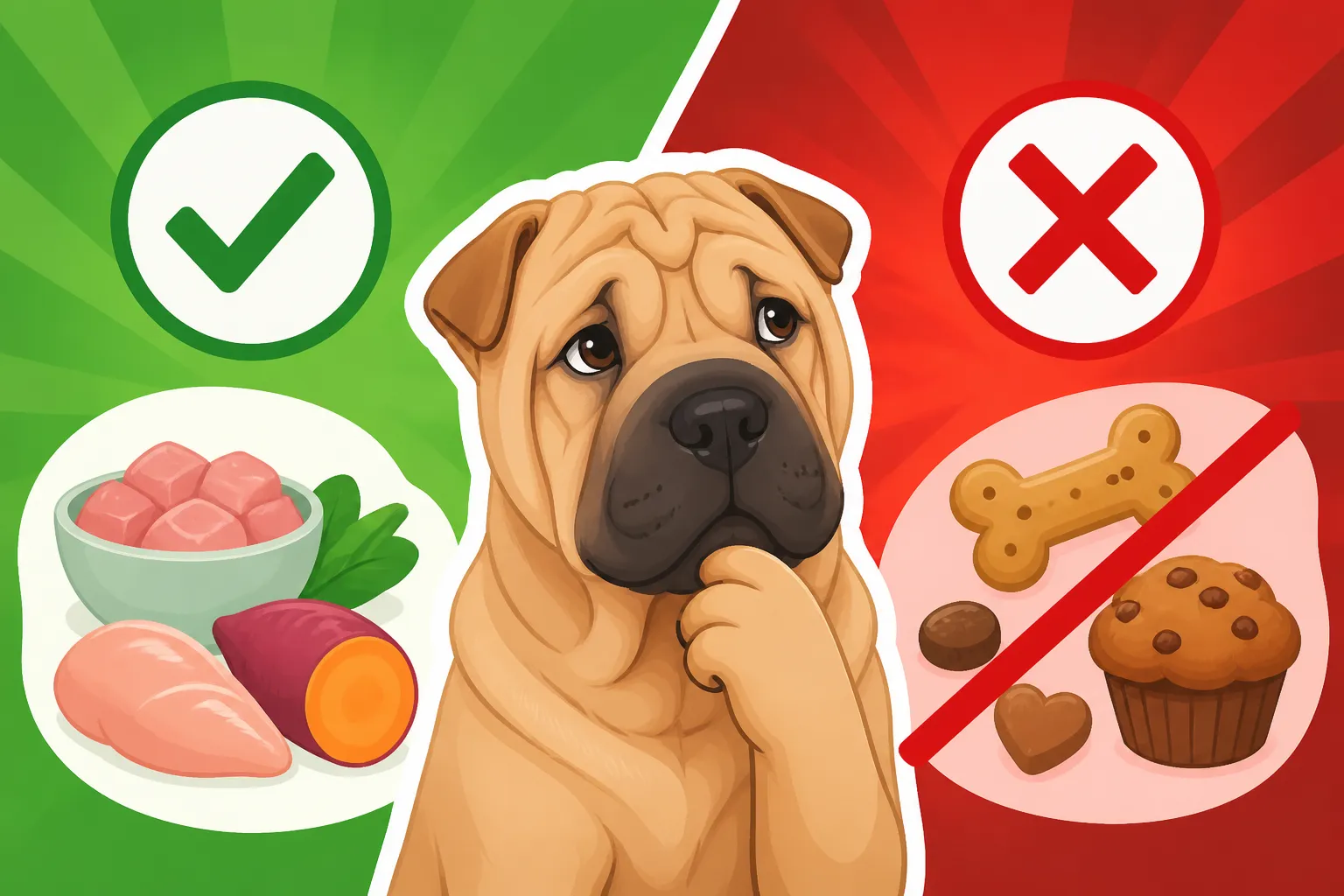
Here’s a quick guide to what’s generally safe versus unsafe during an elimination diet:
| Category | Generally Safe During Elimination Diet | Generally Unsafe During Elimination Diet |
|---|---|---|
| Main Food | Prescribed hydrolyzed protein diet; Novel protein/carb diet | Any commercial dog food not specifically part of the diet |
| Treats | Small, plain, cooked pieces of novel protein/carb from current diet | Commercial dog treats (even "natural" or "single-ingredient" ones) |
| Chews/Bones | None (unless approved by vet and part of novel protein) | Rawhide, dental chews, flavored chew toys, pig ears, bully sticks |
| Supplements | Prescribed supplements with verified, non-allergenic ingredients | Over-the-counter supplements (often flavored or contain hidden ingredients) |
| Medications | Unflavored medications (capsules, unflavored liquids) | Flavored medications (beef, chicken, cheese flavorings) |
| Human Food | None | Any human food, table scraps, even seemingly safe fruits/vegetables |
| Dental Care | Unflavored toothpaste (e.g., plain enzymatic paste) | Flavored toothpaste, dental rinses |
Reintroducing Treats (Carefully!) After the Diet
Once your Shar Pei has completed the elimination phase and their symptoms have improved, the real detective work begins: systematically reintroducing ingredients to pinpoint the culprits. This phase is just as critical, and just as strict, as the elimination phase itself.
The Systematic Reintroduction Phase
This is where you start to introduce potential allergens back into your Shar Pei’s diet, one at a time, very slowly. The goal is to observe any adverse reactions and identify which ingredients trigger them. Typically, you'll introduce one new ingredient for about 7-14 days while continuing the novel protein and carbohydrate diet as the base. During this time, you watch your Shar Pei like a hawk for any return of their original symptoms – itching, digestive upset, ear infections, skin inflammation.
If no reaction occurs after a week or two, that ingredient is likely safe, and you move on to the next. If a reaction does occur, you immediately remove that ingredient and allow your Shar Pei to recover on the novel diet before trying another. This process can be painstakingly slow, but it provides clear, actionable information. This data then allows you to make informed choices about your Shar Pei's long-term diet, avoiding the specific foods that cause them distress.
Choosing Future Treats Wisely
Once you have identified your Shar Pei's specific food sensitivities, you can start to incorporate treats back into their life – but with newfound wisdom and caution. The best approach is to seek out limited-ingredient treats that are free from the allergens you've identified.
Look for treats that clearly list all ingredients and use novel proteins or carbohydrates that your Shar Pei has proven tolerant of during the reintroduction phase. Many brands are now offering more specialized limited-ingredient options, which can be found at pet stores or online on sites like Chewy or Amazon. You might also consider making your own treats at home using ingredients you know are safe, like baked sweet potato slices or homemade venison jerky (plain, of course!). Some fresh food delivery services, like Ollie, focus on whole, human-grade ingredients, which can be a good option if you know exactly what ingredients your Shar Pei tolerates. Just be sure to double-check their specific recipes against your Shar Pei's known allergies. The goal is to provide enjoyment without compromising their hard-won comfort.
Keeping a Food Diary
Throughout the entire process – the elimination phase, the reintroduction phase, and even once you've settled on a long-term diet – keeping a detailed food diary is an absolute game-changer. Our memories can be fickle, especially when dealing with the minutiae of daily feeding and subtle symptom changes.
A food diary should log every single thing your Shar Pei eats: their main meals (including brand, flavor, and batch number if possible), any approved "treats," medications, and even accidental ingestions. Crucially, you also need to meticulously record any symptoms you observe, no matter how minor. This includes scratching, licking, skin redness, ear discharge, paw chewing, vomiting, diarrhea, changes in stool consistency, or even behavioral shifts. Note the date and time of both intake and symptoms. This comprehensive log provides invaluable data for you and your veterinarian, helping to pinpoint patterns and correlations that might otherwise be missed. This kind of diligent record-keeping is just as important as monitoring for fevers, as detailed in Whether a Shar Pei Owner Should Keep a Fever Log, for managing their overall health. It empowers you to make data-driven decisions for your Shar Pei's ongoing well-being.
Disclaimer
This article is for general informational purposes only and does not constitute professional advice. Laws, prices and regulations vary by location and change over time. Consult a qualified professional for guidance on your specific situation.