How Long an Elimination Diet Takes on a Shar Pei
Dealing with a Shar Pei who can't stop itching, licking, or having tummy troubles is one of the most frustrating experiences a devoted owner can face. You try different foods, you change their shampoo, you even suspect environmental allergies, but nothing seems to stick, and your beloved wrinkly companion is still uncomfortable. It can feel like you’re constantly chasing symptoms without ever getting to the root cause. This guide is here to walk you through the often-misunderstood process of an elimination diet, clarifying exactly how long you need to commit to this strict but ultimately rewarding journey to bring relief to your Shar Pei.
Understanding the Shar Pei's Unique Allergy Predisposition
Let's be real, Shar Pei are not known for being the easiest breed when it comes to health. Their unique genetics, the very things that give them those wonderful wrinkles, also unfortunately predispose them to a whole host of sensitivities, with allergies being high on that list. Understanding why they are so prone can help you mentally prepare for the commitment an elimination diet requires.
Why Shar Pei Are Prone to Food Sensitivities
It feels like every other Shar Pei owner you talk to has a dog with "sensitive skin" or "tummy issues." This isn't just bad luck; there's a real biological reason behind it. Shar Pei are known to have certain immunological quirks, like a higher prevalence of IgA Deficiency in a Shar Pei, which means their immune system might not be as robust in certain areas, making them more susceptible to reacting to common allergens. Think of it this way: their immune system is sometimes a little overzealous or misdirected, identifying harmless food proteins as threats. When their body reacts to these perceived threats, it can manifest in various ways, often making life miserable for your pup.
Beyond the immune system, the very structure of a Shar Pei's skin, which we adore, can also be a factor. The extensive mucin and folds create a warmer, moister environment that can exacerbate skin issues that stem from allergies. If their internal system is struggling with food intolerances, that inflammation often shows up on the outside, and their skin is the largest organ they have to display it. It's a double whammy: an internal issue often gets reflected on an external canvas that's already prone to its own set of challenges.
Recognizing the Signs of a Food Allergy in Your Shar Pei
When you first suspect a food allergy, it's usually because your Shar Pei is showing some obvious signs, and it’s not always just a simple itch. While persistent itching, especially around the face, paws, and rump, is a huge red flag, there are other tell-tale symptoms that often get overlooked or attributed to something else. For instance, chronic ear infections are a classic sign of food allergies in many dogs, and with a Shar Pei's already narrow ear canals, this can be particularly debilitating. A Shar Pei Has the Narrowest Ear Canals of Any Breed and adding allergic inflammation to that tight space is a recipe for recurrent, painful infections that never truly clear up.
Beyond the skin and ears, gastrointestinal upset is another common manifestation. This can range from intermittent soft stools or diarrhea to vomiting, excessive gas, or even just a perpetually "grumbly" stomach. Some Shar Pei might incessantly lick their paws, flanks, or even the air, a behavior that can be mistaken for anxiety but is often a frantic attempt to soothe an itch they can't reach. It's crucial to remember that these symptoms can also point to other issues, like Signs a Shar Pei Has Demodex or other environmental allergies, which is why working with your vet to rule out other causes is always the first step before embarking on an elimination diet. The frustrating part is that many Shar Pei seem to suffer from a combination of these issues, making it even harder to pinpoint the exact culprit without a systematic approach.
The Elimination Diet: What It Is and Why It's the Gold Standard
An elimination diet isn't just about switching to a "sensitive stomach" food you picked up at the pet store. It's a highly controlled, diagnostic tool, essentially a scientific experiment you conduct with your dog to uncover the specific ingredients causing their allergic reactions. It's often the gold standard because, unlike blood or saliva tests for allergies (which can have false positives and negatives), it directly observes your dog's physiological reaction to food.
The Core Principle: Novel Proteins and Carbs
The fundamental idea behind an elimination diet is brilliantly simple yet incredibly challenging to execute: you feed your Shar Pei only foods they have never eaten before. This means introducing a "novel protein" source and a "novel carbohydrate" source. The key word here is "novel" – something completely new to their immune system. If your Shar Pei has been eating chicken and rice kibble his whole life, venison and sweet potato might be entirely new to him, thus qualifying as novel. However, if you've dabbled in many different commercial foods over the years, finding truly novel ingredients can be a bit more of a puzzle.
Common novel proteins might include venison, duck, rabbit, kangaroo, alligator, or even insect protein. For carbohydrates, you might look at sweet potato, white potato, oats, or peas. The goal is to strip away all known potential allergens and start fresh. This could mean a specially formulated prescription diet from your vet, or a home-cooked diet carefully balanced with the guidance of a veterinary nutritionist. For prescription diets, reputable brands offer highly hydrolyzed protein options or truly novel protein formulations. If you go the home-cooked route, sourcing these specific ingredients can sometimes feel like a treasure hunt, but platforms like Chewy or Amazon can be a great resource for finding novel protein single-ingredient treats or specific meat sources, assuming your vet has approved a home-cooked protocol. It's not about what sounds healthy; it's about what is new.
The Strictness Required for Success
I cannot emphasize this enough: an elimination diet demands absolute, unyielding strictness. This is where many owners, understandably, struggle, but it's where the success of the entire endeavor hinges. Even a tiny bite of a dropped treat, a stolen crumb from the floor, or a flavored medication can completely derail the process and send you back to square one. Imagine spending eight weeks diligently on a new diet, only for a well-meaning family member to give a forbidden biscuit – all that effort, potentially wasted. Whether Treats Ruin a Shar Pei's Elimination Diet isn't a question; it's a certainty.
This means literally everything that goes into your Shar Pei's mouth must be part of the novel diet. Chew toys? Make sure they aren't ingestible or flavored. Flea and tick medications? Check for flavorings; unflavored options are critical. Even toothpastes or supplements need to be vetted by your vet. If your Shar Pei is accustomed to a variety of treats or table scraps, this period will be a major adjustment for both of you. You might need to find single-ingredient novel protein chews that align with the diet, if approved by your vet, to help with training or boredom. This level of meticulous control can feel overwhelming, but it is the only way to get accurate results and truly understand Whether a Shar Pei Needs a Limited Ingredient Food for the long term. Patience and vigilance are your best friends during this phase.
The Timeline: How Long to Expect the Elimination Phase
Okay, so you've committed to the elimination diet. Now for the burning question: how long is this going to take? This is where many owners get discouraged, as it's not a quick fix. You need to prepare yourself for a significant time commitment, but trust me, the potential for a happy, itch-free Shar Pei is worth every single day.
The Initial 8-12 Week Commitment
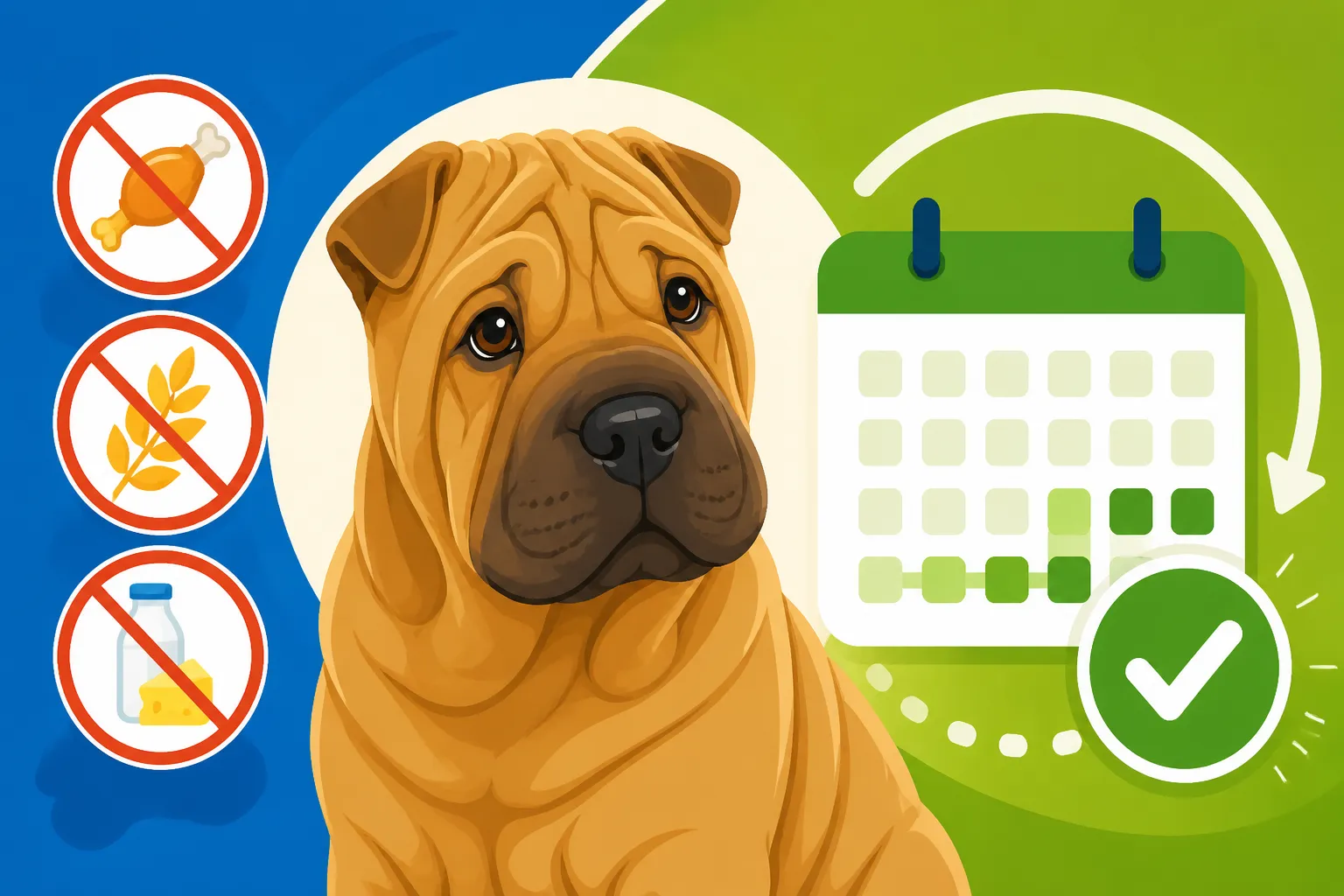
The absolute minimum duration for the initial elimination phase is typically 8 weeks, but many veterinary dermatologists will recommend 10 to 12 weeks, or even longer if symptoms have been severe or chronic. Why so long? It takes time for all traces of previous food proteins to be eliminated from your dog's system. Their digestive tract needs to clear out, and their immune system, which has been reacting to the old allergens, needs a chance to "reset" and calm down. If you stop too soon, you won't get an accurate picture of whether the novel diet is truly making a difference.
During these weeks, you should be meticulously observing your Shar Pei and keeping a detailed log of their symptoms. Look for improvements in itching, skin redness, paw licking, ear discharge, and gastrointestinal issues. It can be a slow, gradual improvement, and sometimes it's two steps forward, one step back, which can be incredibly disheartening. I remember one client whose Shar Pei, Rusty, didn't show significant improvement until week 9, and the owner was ready to throw in the towel. But they stuck it out, and by week 10, Rusty was finally sleeping through the night without scratching, a huge victory! This waiting period truly tests your resolve, but it’s non-negotiable for reliable results in identifying Food Allergies in a Shar Pei.
The Reintroduction Phase: The True Test
Once your Shar Pei has shown significant improvement (or, in some cases, no improvement at all, which is also a valuable piece of information!) during the 8-12 week elimination phase, you move into the reintroduction phase. This is the truly diagnostic part of the diet. The goal here is to introduce single, suspected allergens back into their diet, one at a time, to see if symptoms return.
You'll introduce one new ingredient (e.g., chicken, beef, dairy, wheat) for about 7-14 days, while still feeding the novel diet as the primary food source. For example, if your Shar Pei was on venison and sweet potato, you might add a small amount of boiled chicken to one meal for a week. You must monitor them like a hawk during this period. If symptoms reappear, you've found a culprit! You then remove that ingredient, wait for symptoms to resolve again, and then move on to testing another ingredient. This phase can take weeks or even months, depending on how many ingredients you need to test and how quickly your dog reacts. It's a painstaking process, but it's the only way to build a clear picture of what your Shar Pei can and cannot tolerate, allowing you to curate a suitable long-term diet. Whether a Shar Pei Reacts to Chicken or Beef is a very common question, and this phase will give you your answer.
Here's a quick overview of the typical elimination diet timeline:
| Phase | Duration | Goal | Key Actions |
|---|---|---|---|
| Consultation & Prep | 1-2 weeks | Rule out other conditions, choose diet | Vet visit, discuss options, gather novel food/ingredients |
| Elimination Phase | 8-12 weeks (minimum) | Eliminate all potential allergens, observe symptom resolution | Feed only novel protein/carb diet, strict adherence, log symptoms daily |
| Reintroduction Phase | 4-12 weeks (or longer) | Identify specific trigger ingredients | Introduce one new ingredient every 1-2 weeks, monitor for reactions, log results |
| Maintenance Phase | Lifelong | Maintain allergen-free diet, monitor for new sensitivities | Feed diet free of identified triggers, careful with treats/scraps, regular vet checks |
Navigating Challenges and Maintaining Progress
Successfully completing an elimination diet requires not just time, but also immense dedication and a good support system. It's easy to get frustrated or make mistakes, but being aware of the common pitfalls can help you avoid them.
Common Pitfalls and How to Avoid Them
The biggest pitfall, as we've discussed, is cheating. Even a tiny amount of an allergen can set back the process for days or weeks. This means explaining the absolute importance of the diet to everyone who interacts with your Shar Pei – family members, pet sitters, house guests, and even neighbors who might be accustomed to giving treats. Post signs, put away forbidden treats, and consider supervision during social gatherings. It's tough, but necessary.
Another challenge can be accidental ingestion. This might involve your Shar Pei getting into the trash, snatching food off a counter, or licking crumbs off the floor. Child-proof latches on cabinets, a securely covered trash can, and keeping your Shar Pei leashed or crated when you can't supervise are all important strategies. For multi-pet households, you might need to feed dogs separately to ensure nobody is swapping food. Even flavored medications, as mentioned before, can be a sneaky source of allergens. Always double-check with your vet or pharmacist if any medications, including supplements or parasite preventatives, contain flavorings that could compromise the diet. Remember, Whether a Shar Pei's First Fever Changes the Budget or What a Shar Pei's Skin Costs a Year are often topics that bring financial stress, and you don't want to add to that by having to restart this lengthy, and potentially costly, process due to a simple oversight.
When to Consult a Specialist and Long-Term Management
What if you've been incredibly diligent for 12 weeks, followed every rule, and your Shar Pei is still itching or having tummy issues? First, don't despair. Sometimes, the problem isn't food, or it's a combination of issues. This is when it's absolutely time to consider consulting a veterinary dermatologist or internal medicine specialist. They can help you investigate other potential causes, such as environmental allergies (atopy), more complex gastrointestinal diseases, or even less common skin conditions like What Cutaneous Mucinosis Is that can present with similar symptoms. A specialist might suggest further diagnostics or a different approach altogether. What a Shar Pei's Dermatology Referral Costs can be significant, but for persistent issues, it’s often the best path to getting real answers.
For Shar Pei who do respond well to an elimination diet, long-term management is crucial. This means committing to feeding a diet free of their identified allergens for the rest of their lives. This might be a carefully chosen commercial limited-ingredient diet, often available through platforms like Chewy or Amazon, or a consistent home-cooked diet. You'll need to remain vigilant about treats, chews, and even certain toys. Always read labels carefully, and if a new treat comes out, check its ingredients before offering it. This isn't just about reducing symptoms; it's about improving their overall quality of life and preventing more serious, long-term health complications that chronic inflammation can cause. It truly is a journey, and you're the most important advocate for your beloved Shar Pei every step of the way.
Disclaimer
This article is for general informational purposes only and does not constitute professional advice. Laws, prices and regulations vary by location and change over time. Consult a qualified professional for guidance on your specific situation.