How Long a Shar Pei’s Coat Is
One of the first things people notice about a Shar Pei, besides those endearing wrinkles, is the texture and length of their coat. It’s not your typical fluffy dog fur, and it’s certainly not always what you might expect! Many new owners, or even those just admiring from afar, are often curious about the nuances of this breed's unique hair, and honestly, understanding it is crucial for proper care. This guide will walk you through the various coat lengths you’ll find on a Shar Pei, what they mean for grooming, and how this seemingly simple feature plays a role in their overall well-being.
The Three Faces of a Shar Pei Coat: Horse, Brush, and Bear
When you talk about a Shar Pei's coat, you're not just discussing a single type. This breed actually comes in a few distinct varieties, each with its own characteristics and care requirements. It's fascinating how genetics can create such different textures and appearances within the same breed, and it’s one of those things that really defines the individual personality and feel of your Shar Pei. Knowing which type you have is the first step to truly understanding your dog's unique needs.
The Original: Horse Coat
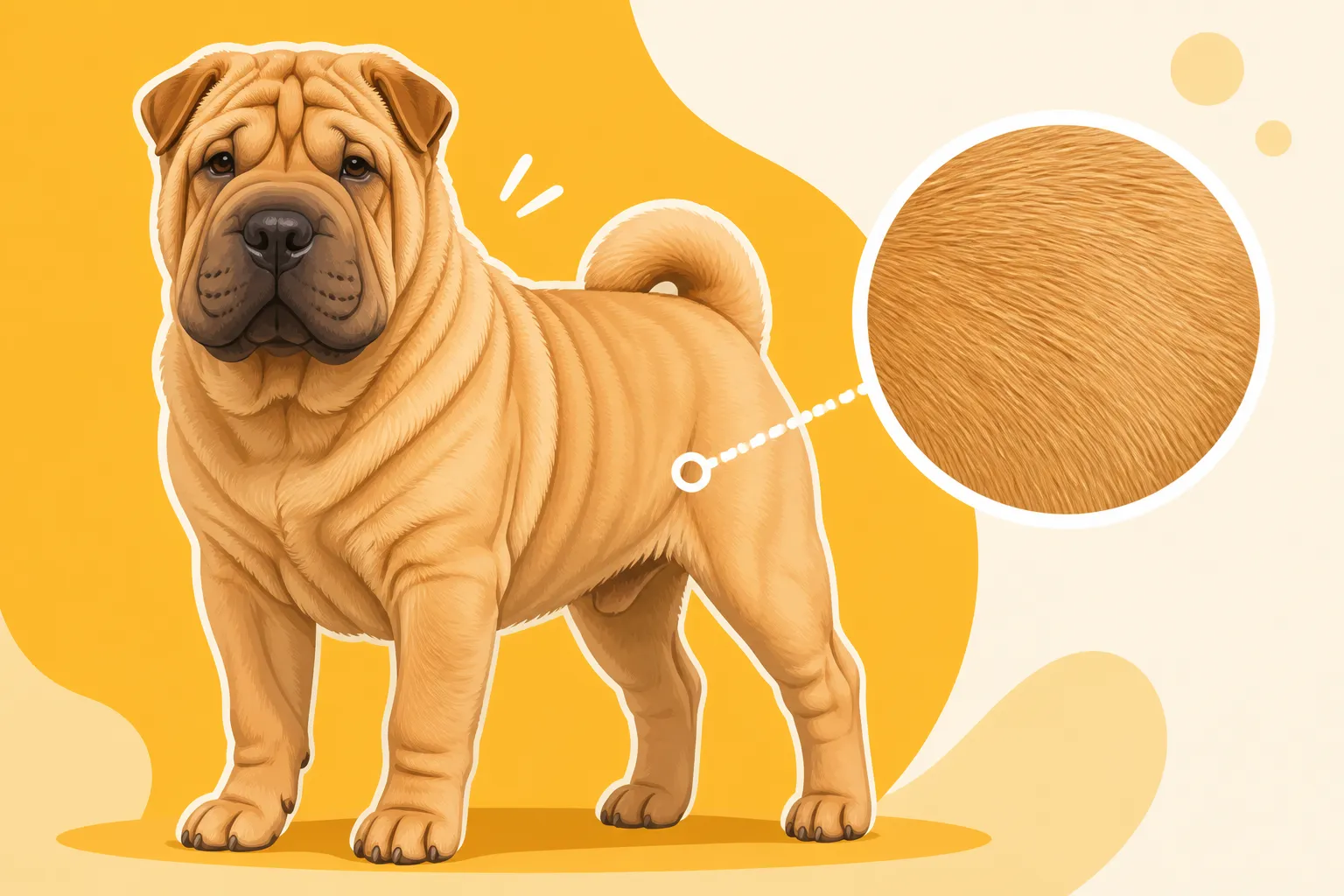
The horse coat is what many consider the "original" Shar Pei coat. If you run your hand over a horse-coated Shar Pei, it's immediately apparent where the name comes from – it feels surprisingly similar to a horse's short, coarse hair. This isn't a plush, soft experience; it's quite the opposite, often described as bristly or even like sandpaper.
This coat is exceptionally short, typically less than a quarter of an inch long, and lies very flat against the body. There's virtually no undercoat, which contributes to its rough texture. While beautiful and historically significant, this coat type can sometimes be a bit of a surprise to owners who aren't prepared for its unique feel. It certainly isn't a dog you bury your face into for soft snuggles, though a Shar Pei's affection goes far beyond their fur. Some owners even find that a horse coat Shar Pei can be a bit irritating to their skin if they have sensitive hands or spend a lot of time petting. You might find yourself wondering Whether a Horse Coat Shar Pei Irritates Human Skin after a long cuddle session.
Historically, this very short, coarse coat was believed to be advantageous for the Shar Pei's original duties in rural China, offering a level of protection against brush and other environmental factors without hindering movement. It's truly a no-nonsense, functional coat. While striking, it’s important to remember that this rough exterior doesn't reflect the gentle soul beneath.
The Most Common: Brush Coat
Move your hand over a brush-coated Shar Pei, and you'll immediately notice a difference. This is the most prevalent coat type seen in Shar Peis today, and it offers a slightly softer, more velvety experience than the horse coat. It's still a short coat, but it's noticeably longer, usually ranging from a quarter of an inch to an inch in length, giving it a brush-like appearance – hence the name.
The brush coat has a softer texture compared to the horse coat, often described as smooth or plush to the touch. It tends to lie a bit less flat than the horse coat, especially around the neck and body, giving the dog a slightly "fuller" look. This extra length can sometimes give the impression of more wrinkles, as the slightly longer hair can gather and accentuate the folds of skin. Some people even feel that Whether a Brush Coat Shar Pei Has More Wrinkles is directly tied to this coat type.
This coat type is incredibly popular and widely accepted in the breed standard. It's a wonderful compromise for many owners, offering the distinctive Shar Pei look without the extreme coarseness of the horse coat. While it might still feel a bit stiff compared to a golden retriever, it's certainly more "pet-friendly" in texture than its horse-coated counterpart, making snuggling a much more comfortable affair for both dog and owner.
The "Fluffy" Variant: Bear Coat
Then there’s the bear coat, which is truly a deviation from the traditional Shar Pei look and feel. This coat is significantly longer and much softer than either the horse or brush coat, often measuring over an inch in length, sometimes several inches, and giving the dog a fluffy, teddy bear-like appearance. It's a beautiful coat, but it’s important to understand its origins and implications.
The bear coat is a result of a recessive gene. This means that both parent Shar Peis must carry the gene for a puppy to express a bear coat. Because it deviates so much from the traditional short, bristly coat that defines the breed, it is considered a disqualifying fault in the show ring. Despite this, bear-coated Shar Peis are incredibly endearing, and many owners seek them out for their unique fluffy appeal. You might wonder, Whether a Bear Coat Shar Pei Is Recognized in official breed standards, and the answer is generally no for showing purposes.
While visually stunning, the bear coat does come with its own set of grooming considerations. Its longer length means it can mat more easily, especially if not brushed regularly. It also tends to hold more moisture, which, given a Shar Pei's predisposition to skin issues, means extra vigilance is needed during bathing and drying. These dogs might also feel the heat more intensely due to their denser, longer fur, requiring owners to be extra cautious in warmer climates.
Understanding Coat Length and Its Impact on Care
Regardless of whether your Shar Pei sports a horse, brush, or bear coat, understanding its unique characteristics is paramount to providing proper care. The coat isn't just for looks; it directly influences everything from how often you need to brush them to how you manage their skin health. It’s all part of the Shar Pei ownership journey, and being prepared makes all the difference.
Grooming Needs by Coat Type
Each coat type demands a slightly different approach when it comes to grooming, though the fundamental goal remains the same: to keep your Shar Pei clean, comfortable, and free from skin issues. For instance, a horse coat, while short, still sheds and can benefit from regular brushing to remove loose hairs and stimulate the skin. A good rubber curry brush, readily available on platforms like Amazon or Chewy, works wonders on these short coats, helping to massage the skin and loosen dead fur.
Brush-coated Shar Peis often require a bit more brushing, perhaps a couple of times a week, to manage shedding and prevent any potential matting, especially in areas where the coat is thicker. While it's softer, it can still collect dirt and debris. For bear coats, daily brushing is often recommended to prevent tangles and mats that can quickly form in the longer, softer fur. A slicker brush or a deshedding tool might be necessary for these longer coats. No matter the coat type, remember that How Often a Shar Pei Needs Brushing directly correlates with minimizing shedding around your home and promoting healthy skin.
Bathing practices also vary. All Shar Peis need thorough drying due to their folds, but a bear coat will take significantly longer to dry than a horse or brush coat. How Long a Shar Pei Takes to Dry is a critical consideration, as any dampness trapped against the skin, especially in their deep wrinkles, can quickly lead to bacterial or yeast infections. This emphasizes why Why a Damp Shar Pei Develops Infection is such a common phrase among Shar Pei enthusiasts. After bathing, use towels vigorously and consider a low-heat blow dryer to ensure they are completely dry, paying special attention to those folds around the face, neck, and tail.
Shedding and Hair Management
Let’s be real, every dog sheds, and Shar Peis are no exception! However, the amount and visibility of shedding can certainly feel different depending on their coat length. Horse-coated Shar Peis tend to shed short, stiff hairs that can embed themselves in fabric, making them quite stubborn to remove from upholstery and carpets. While the individual hairs are small, they can be numerous, and you might find yourself frequently reaching for the lint roller.
Brush-coated Shar Peis often shed a bit more noticeably simply because their hairs are longer. These hairs might not embed quite as deeply as horse coat hairs, but they can accumulate on surfaces and clothing. Regular brushing with a soft slicker brush or a deshedding tool can help manage this significantly, collecting loose fur before it ends up all over your home. Companies like Ollie, known for their focus on overall dog wellness, often emphasize the importance of regular grooming for coat health, which naturally impacts shedding.
Bear-coated Shar Peis, with their longer, denser fur, can appear to shed the most. Their fluffy hair can create larger "dust bunnies" around the house, and without consistent grooming, it can lead to mats and tangles. A good de-shedding routine, perhaps with a specialized brush found on Chewy, is essential for these long-haired beauties. Ultimately, regardless of coat type, managing shedding is a consistent part of owning a Shar Pei, and it’s about finding the right tools and routine for your specific dog. Knowing How Much a Shar Pei Sheds Day to Day helps you prepare for the reality of living with this wonderful breed.
Skin Health and Coat Length
The coat length of your Shar Pei, while not directly causing skin issues, certainly influences how easily you can detect and manage them. Shar Peis are prone to various skin conditions due to their excessive wrinkles and genetic predispositions. Skin Is the Shar Pei's Largest Problem by Surface Area, and keeping an eye on it is a constant job.
For horse-coated Shar Peis, their very short fur often makes skin issues like redness, irritation, or small bumps more immediately visible. There's less fur to hide anything, which can be a double-edged sword: you might spot problems earlier, but the skin itself is less protected from external irritants. Regular checks of their skin and folds are still crucial, as even tiny irritations can escalate quickly in their delicate skin.
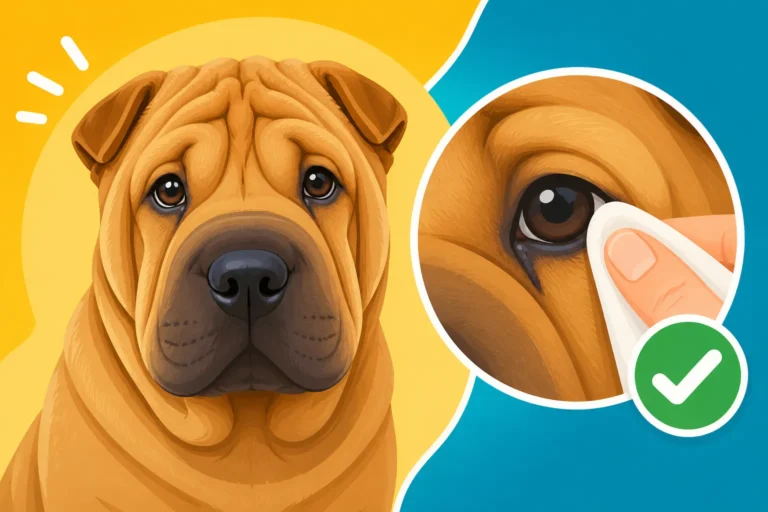
Brush and bear-coated Shar Peis, with their slightly longer or much longer fur, can sometimes mask early signs of skin problems. A patch of dry, flaky skin or a developing hot spot might go unnoticed for a bit longer under a denser coat. This makes proactive fold care and thorough skin checks even more important. Remember, Every Fold on a Shar Pei Is a Place Something Grows, and these areas need constant attention, regardless of how long the surrounding hair is. Cleaning these folds regularly with veterinarian-approved wipes or solutions, which you can easily find on Amazon, is a non-negotiable part of their care.
The Genetics Behind the Gorgeous Coats
It's truly fascinating how a dog's appearance, right down to the length and texture of its fur, is all coded within its DNA. For Shar Peis, their distinctive coats are a direct result of specific genetic markers. While we adore their unique looks, understanding the science behind them helps us appreciate the breed even more and sheds light on why we see such variations.
The Gene Responsible for Coat Length
The different coat lengths in Shar Peis, and indeed in many dog breeds, are primarily controlled by a specific gene known as the Fibroblast Growth Factor 5, or FGF5 gene. This gene basically tells the hair follicles how long to grow. Different variants, or "alleles," of this gene result in different instructions for hair length.
For Shar Peis, the very short, coarse horse coat is typically associated with one specific allele, while the slightly longer, softer brush coat comes from another. The bear coat, which is the longest and fluffiest, results from a specific recessive combination of these alleles. This is why you can sometimes have a litter with a mix of coat types, even from the same parents, if those parents both carry the genes for different coat lengths. While we don't dive deep into genetic testing here, some breeders do use tests to understand Whether a Shar Pei's Copy Number Can Be Tested for certain genetic traits, including coat length.
Breeders, through careful selection, have influenced the prevalence of these coat types over generations. The brush coat, being more popular and fitting within the relaxed interpretation of the breed standard in some regions, has become the most common. The bear coat, while not standard, is still cherished by many for its unique aesthetic and is a reminder of the rich genetic diversity within the breed.
Coat Type and Wrinkles
It's a common misconception that coat length directly dictates the number or prominence of a Shar Pei's wrinkles. The genetic mutation responsible for a Shar Pei's wrinkles is largely separate from the gene that determines coat length. The true story of those magnificent folds lies in a different genetic pathway, which leads to an overproduction of hyaluronic acid in their skin.
However, coat length can certainly visually impact how pronounced those wrinkles appear. A horse-coated Shar Pei, with its extremely short, tight fur, can make the skin folds look very sharp and distinct. Every crease and fold is clearly visible, almost etched into their skin.
A brush-coated Shar Pei, with its slightly longer and softer hair, might have wrinkles that appear a little less 'crisp' or defined. The longer hair can soften the edges of the folds, making them look a bit more rounded. For a bear-coated Shar Pei, the long, fluffy fur can significantly obscure the wrinkles, making them appear much less prominent than they actually are. So, while the coat length doesn't create or remove wrinkles, it definitely acts as a filter for how we perceive them. This might lead some to think Whether a Less Wrinkled Shar Pei Is Healthier, but coat type isn't the direct factor here.
Health Implications of Coat Length
While the core health challenges of a Shar Pei, such as Familial Shar Pei Fever or entropion, are not directly caused by their coat length, the type of coat can influence how certain conditions are managed or how easily they manifest.
For instance, Shar Peis are prone to various skin conditions like fold dermatitis or allergies. A horse coat might offer less physical barrier against environmental allergens or irritants, making the skin more exposed. Conversely, the dense, longer hair of a bear coat can trap moisture and heat more readily, creating a prime environment for yeast or bacterial infections if not dried meticulously after bathing or swimming. This is why vigilance in grooming is critical for all coat types, but especially for those with longer fur.
Ultimately, the general health and longevity of a Shar Pei are not determined by whether they have a horse, brush, or bear coat. Instead, factors like responsible breeding, diet, exercise, and proactive veterinary care (including monitoring for conditions like Why a Shar Pei's Kidneys Need Watching From Two Years Old and other breed-specific concerns) play a much more significant role. Knowing your Shar Pei's coat type primarily helps you tailor their grooming routine to keep them comfortable and their skin healthy.
Here’s a quick overview of the Shar Pei coat types:
| Coat Type | Length (Approx.) | Texture | Shedding Tendency | Grooming Focus | Show Standard? |
|---|---|---|---|---|---|
| Horse | Under 0.25 inch | Very short, bristly | Moderate | Daily brushing (rubber curry) for loose hair | Yes |
| Brush | 0.25 to 1 inch | Slightly longer, soft | Moderate to High | Regular brushing (slicker/pin brush) to manage fur | Yes |
| Bear | Over 1 inch, often several | Long, soft, fluffy | High | Daily brushing (slicker, rake) to prevent mats | No |
So, there you have it! The Shar Pei's coat, far from being a simple matter of "fur," is a fascinating aspect of their unique breed. Whether your companion is a bristly horse coat, a velvety brush coat, or a fluffy bear coat, each type brings its own charm and its own set of care considerations. Understanding these differences empowers you to provide the best possible care for your wrinkly friend, ensuring they're comfortable, healthy, and looking their best.
Disclaimer
This article is for general informational purposes only and does not constitute professional advice. Laws, prices and regulations vary by location and change over time. Consult a qualified professional for guidance on your specific situation.