Whether a Shar Pei Bolts Its Food
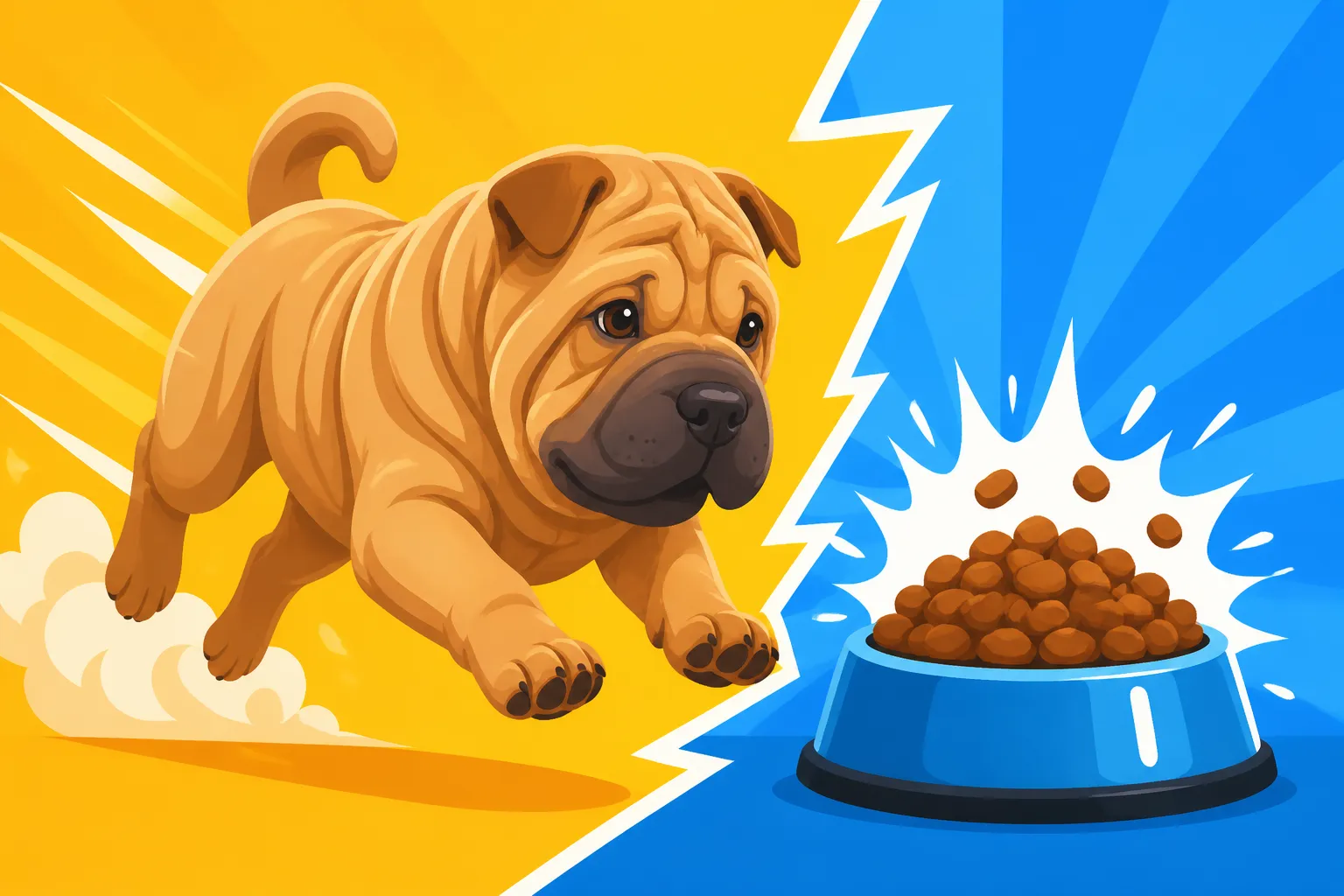
It’s a scenario familiar to so many of us who share our lives with a wonderful, wrinkly Shar Pei: you put down their dinner bowl, turn around for a second, and poof – the food is gone. In what feels like mere seconds, your beloved companion has inhaled their entire meal, often followed by a suspicious burp or even a dreaded regurgitation. This isn't just a minor annoyance; for our Shar Pei, bolting food can lead to a host of health issues, from simple indigestion to life-threatening emergencies. This guide will explore why your Shar Pei might be eating at warp speed, the very real dangers involved, and, most importantly, provide actionable strategies to help them slow down and enjoy their meals safely.
Why Your Shar Pei Behaves Like Food Might Disappear
It’s easy to feel frustrated when your Shar Pei acts like they haven’t eaten in a week, even if you just fed them an hour ago! But this rapid eating, or "food bolting," often stems from deep-seated instincts and learned behaviors, rather than just being plain rude. Understanding the root cause is the first step toward helping them develop healthier eating habits.
Evolutionary Echoes and Survival Instincts
Think back to the origins of dogs. For thousands of years, their ancestors, and even dogs living in less domesticated settings today, often faced unpredictable food sources. When food was available, the instinct was to consume it quickly before a stronger or faster member of the pack could claim it. This "feast or famine" mentality is hardwired into many dogs. For a breed like the Shar Pei, whose history as a working farm dog in ancient China might have meant periods of scarcity or competition for resources, these ancient instincts can be particularly strong. Historically, the Shar Pei was a multi-purpose farm dog, often performing roles that required independence and self-sufficiency, including guarding. In environments where they had to What Job the Shar Pei Held in Rural China, securing their portion of food quickly would have been a matter of survival. Even if your Shar Pei is the only pet in a loving home with a consistent feeding schedule, these ancestral echoes can still drive their behavior.
Learned Behaviors and Environmental Factors
Sometimes, fast eating isn't just instinct; it's a behavior that’s been inadvertently reinforced. If your Shar Pei grew up in a litter where they had to compete with siblings for access to the food bowl, they learned quickly that speed was key. This behavior can stick even after they're in a solo-pet household. Similarly, if you have multiple pets, even if they eat in separate rooms, the underlying anxiety of "someone else might get my food" can trigger rapid consumption. This also ties into resource guarding, where a dog feels the need to protect their food bowl from perceived threats, which can include eating it quickly to remove the "threat." If your Shar Pei tends to Whether a Shar Pei Guards Its Food, eating quickly might be part of that guarding behavior. Even the simple act of you approaching their bowl, perhaps to refill water or move it, can inadvertently reinforce the idea that their food might be taken, prompting them to eat faster.
The Role of Anxiety and Stress
Just like humans, dogs can experience stress and anxiety, and these emotions can manifest in various ways, including eating habits. A Shar Pei that feels anxious – perhaps due to changes in routine, separation anxiety, or an unfamiliar environment – might gulp down their food as a coping mechanism. The act of eating, even quickly, can be a self-soothing behavior. Imagine if they’re stressed by loud noises, a new visitor, or even just feeling unsure. The quick consumption of food can be a way to alleviate that tension. While a Shar Pei is known for its independent and often aloof nature, they are still sensitive creatures who thrive on routine and a calm environment. Any disruption could potentially contribute to stress-related fast eating.
The Very Real Dangers of Rapid Eating for Shar Pei
Beyond the immediate mess of regurgitation, allowing your Shar Pei to bolt their food unchecked can lead to several serious health problems. As responsible Shar Pei owners, understanding these risks is crucial for protecting our beloved companions.
Choking and Aspiration Risks
When a Shar Pei eats too quickly, they often swallow large, unchewed chunks of food. This increases the risk of choking, especially if they try to swallow kibble that’s too large or if they take in too much at once. Imagine the panic of seeing your dog gagging, struggling to breathe, or showing signs of distress during mealtime. It's terrifying. Furthermore, rapidly inhaling food often means gulping a lot of air. This can lead to regurgitation (bringing up undigested food), which, in turn, carries the risk of aspiration. Aspiration happens when food or stomach contents are accidentally inhaled into the lungs, potentially leading to aspiration pneumonia, a serious and life-threatening condition. Given the Shar Pei's already somewhat constricted airway due to their brachycephalic tendencies (though less pronounced than true brachycephalic breeds), this risk can feel even more concerning.
Digestive Upset and Nutrient Absorption Issues
Eating quickly means food isn't properly chewed, and the digestive process starts in the mouth. When large pieces of food hit the stomach, it takes longer for digestive enzymes to break them down effectively. This can lead to indigestion, excessive gas, bloating, stomachaches, and even diarrhea. Think about how you feel after scarfing down a meal too fast – uncomfortable, right? Your Shar Pei feels the same, if not worse. Moreover, improper digestion can mean your dog isn't absorbing all the vital nutrients from their food. Even if you're feeding them a high-quality diet, if it's not being processed efficiently, they aren't getting the full benefit, which can impact their overall health, energy levels, and even coat condition. This is particularly important for a breed that can sometimes have sensitive stomachs or Whether a Shar Pei Needs a Limited Ingredient Food.
The Terrifying Threat of Bloat (GDV)
This is perhaps the most critical and life-threatening risk associated with fast eating, especially for deep-chested breeds like the Shar Pei. Gastric Dilatation-Volvulus (GDV), commonly known as bloat, is a condition where the stomach fills with gas, food, or fluid (dilatation) and then twists upon itself (volvulus). When the stomach twists, it cuts off blood supply and traps gas, leading to rapid tissue death and shock. It is an excruciatingly painful condition that requires immediate emergency veterinary intervention, and even with treatment, it can be fatal. Gulping air while eating quickly is a known contributing factor to bloat. While not every fast eater will get bloat, the risk is significantly higher. Knowing that Whether a Shar Pei Gets Bloat is a real concern for the breed should be a strong motivator to implement strategies to slow down their eating. The emergency vet bill for a bloat surgery can be astronomical, underscoring the importance of preventative measures, and reminding us that Whether a Shar Pei Owner Needs an Emergency Fund is a vital part of responsible ownership.
Practical Strategies to Slow Down Your Shar Pei's Mealtime
The good news is that there are many effective ways to help your Shar Pei slow down their eating. It might take a bit of trial and error to find what works best for your individual dog, but consistency and patience are key.
Employing Specialized Feeding Tools
The market is full of ingenious tools designed specifically to combat fast eating. These often create physical barriers or require your dog to work a little for their meal.
- Slow Feeder Bowls: These bowls feature various ridges, labyrinths, or raised sections that force your Shar Pei to eat around obstacles, making it impossible to gulp down large mouthfuls. You can find a vast selection on sites like Chewy or Amazon, offering different designs and materials. They are relatively inexpensive and a great first step.
- Puzzle Feeders: These take it a step further, requiring your dog to interact with the feeder to release food. This could involve nudging levers, sliding compartments, or batting at a ball. Puzzle feeders offer fantastic mental stimulation in addition to slowing down eating. Just be sure to choose one that's durable enough for a Shar Pei and easy to clean.
- Snuffle Mats: These soft fabric mats have many folds and pockets where you can hide kibble. Your Shar Pei has to use their nose and paws to "snuffle" out the food, turning mealtime into a fun foraging exercise. This is a wonderfully natural way to engage their senses and slow consumption.
Creative Mealtime Setups
You don't always need to buy a special product. Sometimes, a little creativity with items you already have can make a big difference.
- Spread it Out: Instead of putting all the food in a single bowl, try spreading your Shar Pei’s meal across a large, clean baking sheet. This forces them to move around and pick up individual kibble pieces. You could even scatter their kibble across a clean, designated area of your yard or a large washable mat, turning mealtime into a "hunt."
- Muffin Tins or Ice Cube Trays: Divide their meal into the individual cups of a muffin tin or a clean ice cube tray. This effectively creates multiple small "bowls" that they have to navigate, slowing them down considerably.
- Add Water or Broth: Mixing water (or low-sodium, dog-safe broth) into your Shar Pei’s kibble can turn it into a soft mush. This not only makes it harder to gulp down but also ensures they’re getting some extra hydration. Just make sure the food isn't left out too long, especially in warm weather, as it can spoil quickly.
Adjusting Feeding Routines and Food Type
Sometimes, the issue isn't how they're eating, but when or what they're eating.
- Smaller, More Frequent Meals: If you typically feed your Shar Pei one large meal a day, consider breaking How Many Cups a Day an Adult Shar Pei Eats into two or even three smaller meals throughout the day. This reduces extreme hunger at any one time and can lessen the drive to bolt food. Whether a Shar Pei Should Be Fed Twice a Day is a common recommendation for many breeds to aid digestion and prevent extreme hunger.
- Hand Feeding: This might sound time-consuming, but even dedicating a few minutes to hand-feeding a portion of their meal can be beneficial. It builds your bond, teaches them patience, and ensures they eat slowly. You can even incorporate it into short training sessions, asking for a "sit" or "stay" before offering a small handful of food.
- Consider Food Texture: If your Shar Pei is eating dry kibble, the texture is often easy to gulp. Some owners find that incorporating wet food or fresh food options can naturally slow down eating due to the different consistency. Brands like Ollie (or other fresh food delivery services) offer human-grade, less processed options that might have a different mouthfeel, making it harder for a dog to just inhale. Always transition new foods slowly to avoid digestive upset. For a Shar Pei, whose What an Adult Shar Pei Weighs can range quite a bit, matching food quantity to activity level and weight is crucial.
| Slow-Feeding Method | Benefit | Considerations | Good For |
|---|---|---|---|
| Slow Feeder Bowl | Immediate slowdown, widely available | Can be messy, some dogs adapt quickly | First-time users, simple solution |
| Puzzle Feeder | Mental enrichment, significant slowdown | Requires supervision, can be frustrating for some | Intelligent dogs, those needing mental stimulation |
| Snuffle Mat | Engages natural foraging, gentle for faces | Can get dirty, not ideal for very wet food | Dogs who love to sniff, quiet eaters |
| Spreading Food on Tray | Very low cost, simple concept | Requires a large, clean surface, can be messy | Any Shar Pei, especially good for kibble |
| Hand Feeding | Strengthens bond, ensures slow pace | Time-consuming, requires owner's active participation | Puppies, anxious eaters, as a training tool |
| Adding Water to Kibble | Aids digestion, adds hydration, slows eating | Food can spoil faster if left out | Dogs who need extra hydration, sensitive stomachs |
Long-Term Management and When to Talk to Your Vet
Helping your Shar Pei overcome food bolting is an ongoing process that requires dedication. However, by staying consistent and knowing when to seek professional help, you can ensure your dog enjoys a healthier, safer mealtime.
Consistency and Environmental Management
The most effective tool in your arsenal is consistency. Once you find a method or combination of methods that works for your Shar Pei, stick with it. Make slow feeding a regular part of their daily routine. This means using the chosen slow feeder for every meal and not reverting to a standard bowl out of convenience. If you have multiple pets, continue to feed them separately to minimize perceived competition. Ensure a calm, quiet feeding environment where your Shar Pei feels secure and unthreatened. This stability helps reduce any anxiety that might be contributing to their rapid eating. Remember, their personality often leans towards independence, but they still crave routine, and consistency provides comfort. If your Shar Pei is still a puppy, establishing these habits early on during The First Year With a Shar Pei Puppy can prevent problems from becoming ingrained.
Monitoring for Health Issues
Even with slow-feeding strategies in place, it’s important to remain vigilant and monitor your Shar Pei for any signs of digestive upset or other health concerns. Pay attention to changes in appetite, excessive gas, loose stools, vomiting (especially if it’s more than just regurgitation), or any signs of discomfort after eating. The most critical symptom to watch for is bloat. Signs of bloat include a distended abdomen (which can be hard to spot on a wrinkly Shar Pei, so feel carefully!), retching without producing anything, pacing, restlessness, pain when touched around the belly, and overall weakness or collapse. If you ever suspect bloat, consider it an emergency and get your Shar Pei to the vet immediately. Time is absolutely of the essence. Beyond emergencies, regular veterinary check-ups, including annual physical exams and bloodwork, are essential for catching any underlying health issues early. Checking in on general health is part of Caring for a Shar Pei Past Seven and throughout their lives.
When to Seek Veterinary Advice
While many cases of food bolting can be managed with home strategies, there are times when it’s best to consult your veterinarian. If your Shar Pei's fast eating is accompanied by any of the following, a vet visit is warranted:
- Weight Loss: Despite eating quickly, they are losing weight, suggesting poor nutrient absorption.
- Frequent Vomiting or Diarrhea: Persistent digestive issues indicate a deeper problem.
- Excessive Gas or Abdominal Pain: Suggests ongoing digestive distress.
- Lethargy or Behavioral Changes: If they seem generally unwell or unusually anxious around meal times.
- Signs of Bloat: As mentioned, this is an immediate emergency.
- Ineffectiveness of Slow-Feeding Methods: If you've tried various strategies diligently for several weeks and see no improvement, your vet might have further diagnostic tests or behavioral advice.
Your vet can rule out any underlying medical conditions that might be contributing to the behavior and can offer tailored advice or even prescribe medications if anxiety is a significant factor. They can also discuss whether dietary changes, like specific formulations or even types of food (such as those offered by Ollie if you're exploring fresh food, or prescription diets available through vet clinics and online retailers like Chewy), might be beneficial. Remember, your vet is your best partner in ensuring your Shar Pei lives a long, healthy life.
Disclaimer
This article is for general informational purposes only and does not constitute professional advice. Laws, prices and regulations vary by location and change over time. Consult a qualified professional for guidance on your specific situation.