How Much a Shar Pei Sheds Day to Day
It's a common misconception that because Shar Peis have such short, sometimes sparse-looking coats, they don't shed much. Many new owners are often surprised, even a little frustrated, to find fine, stiff hairs clinging to everything from their clothes to their furniture. This guide is here to shed some light on the reality of daily Shar Pei shedding, what you can truly expect, and how to effectively manage it, so you can enjoy your unique companion without being constantly covered in dog hair.
Understanding the Shar Pei Coat and Its Shedding Habits
Let's get one thing straight right off the bat: every dog with hair sheds, and your Shar Pei is no exception. While they might not leave tumbleweeds of fluff like a husky or a golden retriever, their shedding is distinct and requires its own approach. It's not about if they shed, but how and how much on a daily basis.
The Different Coat Types and Their Impact on Shedding
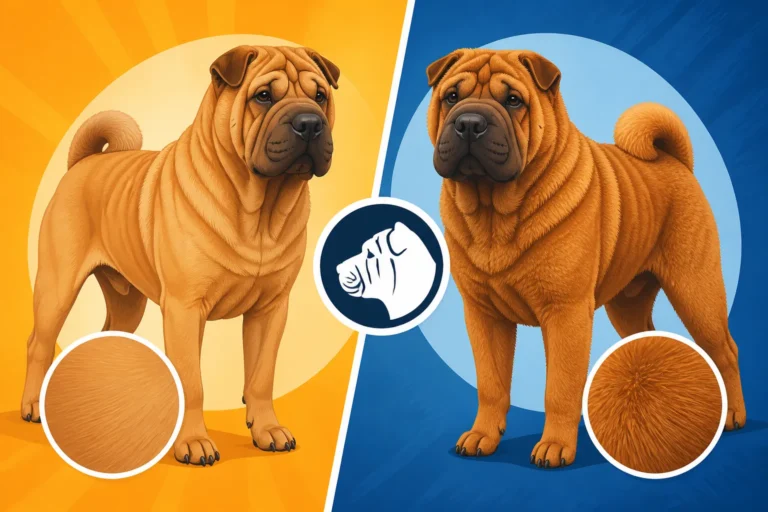
Shar Peis typically come in two main coat types: the "horse coat" and the "brush coat." There's also the "bear coat," which is much longer and less common, and usually not recognized by breed standards, so we'll focus on the first two, which you're most likely to encounter. Understanding which type your Shar Pei has can give you a better idea of what to expect in terms of shedding.
The horse coat is famously short, stiff, and bristly. It truly feels like horsehair, and these hairs are notorious for embedding themselves into fabric – especially carpet, upholstery, and anything made of fleece. Owners of horse coat Shar Peis often describe finding these hairs like tiny needles everywhere. While the individual hairs are short, they detach easily and, due to their texture, they don't just brush off. You might assume less hair because it's so short, but the reality is a constant, steady loss of these fine, stiff bristles. If you've ever owned a dog with a similar coat, like a Dalmatian or a short-haired terrier, you'll know the drill. It's not about volume, but about the pervasive nature of the shed hair.
The brush coat is a bit softer and slightly longer, typically an inch or less in length. These dogs often have more visible wrinkles than their horse coat counterparts. The hair from a brush coat Shar Pei is generally less prickly and tends to gather more easily into small clumps or lie on surfaces rather than embedding itself as fiercely. While it might appear to shed more in terms of visible volume, these hairs are often easier to remove from fabrics and less irritating if they get on your skin. However, don't be fooled into thinking they don't shed daily; they absolutely do, and you'll still find hair around your home. For a deeper dive, check out How a Horse Coat Shar Pei Differs From a Brush Coat.
Ultimately, regardless of coat type, both shed daily. The difference lies in the type of hair and how it interacts with your environment. Both will contribute to that "pet hair glitter" that becomes a permanent fixture in a Shar Pei owner's home. You might find that Which Coat Type Sheds More provides further insights into these differences.
Seasonal Shedding vs. Daily Hair Loss in Shar Peis
Like most double-coated breeds, Shar Peis experience seasonal shedding, often referred to as "blowing their coat." This typically happens twice a year, in spring as they shed their denser winter undercoat, and in the fall as they prepare for winter. During these periods, the amount of hair you'll find around your house will dramatically increase. It can feel overwhelming, like a never-ending snowstorm of dog hair, especially if you're not prepared. This seasonal shed is when you'll truly see larger quantities of hair coming off, often in clumps, and it’s a natural process.
However, beyond these seasonal events, Shar Peis also experience daily hair loss. This is the constant, low-level shedding that happens year-round. It's not as dramatic as a seasonal blow, but it's persistent. Individual hairs reach the end of their life cycle, fall out, and are replaced by new growth. This daily shedding is what accumulates on your floors, sticks to your clothes, and settles on your furniture, even if you feel like you just cleaned. It’s this consistent daily shedding that surprises many owners, making them realize that even a short-coated dog can leave a noticeable amount of hair in its wake. Understanding that this daily hair loss is normal can help you manage your expectations and implement routine grooming habits. Whether a Shar Pei Sheds Twice a Year goes into more detail about these bigger seasonal changes.
Factors Influencing Shedding Beyond Coat Type
While coat type and natural shedding cycles are the primary drivers, several other factors can influence how much your Shar Pei sheds on a day-to-day basis. Recognizing these can help you address potential issues or simply understand why some days feel hairier than others.
Firstly, diet plays a huge role. A high-quality diet rich in essential fatty acids (like Omega-3 and Omega-6) can significantly contribute to skin and coat health. Dogs on poor-quality food, or those lacking proper nutrition, often have dull, dry coats and shed excessively. Think of it like your own hair – if you're not eating well, your hair can become brittle and fall out more easily.
Secondly, stress and anxiety can trigger increased shedding. If your Shar Pei is experiencing a stressful period – perhaps a move, a new pet, or changes in routine – you might notice more hair coming off. This is a common physiological response in many dog breeds.
Thirdly, underlying health conditions can lead to abnormal shedding. Skin infections, allergies, parasites (like fleas or mites), or systemic issues such as Hypothyroidism and IgA Deficiency in a Shar Pei can all manifest as excessive or patchy hair loss. If you notice sudden, significant changes in shedding, or if your Shar Pei's coat looks unhealthy, it's always best to consult your veterinarian. Sometimes, what seems like normal shedding can actually be an early indicator of a skin problem, as discussed in What a Shar Pei's Skin Tells You Before Its Behavior Does.
Lastly, environmental factors such as humidity and indoor heating can affect shedding. Dry indoor air, especially in winter, can dry out skin and hair, potentially leading to more shedding. Conversely, a consistently humid environment might also play a role in skin health, which then impacts coat quality.
Daily Shedding: What to Expect and How to Manage It
Now that we understand why Shar Peis shed daily, let's talk about the practical side of living with it. Because it's a persistent, year-round phenomenon, managing daily shedding isn't about eliminating it entirely – that's impossible – but about minimizing its impact on your home and lifestyle.
Realities of Daily Hair on Furniture and Floors
If you're considering a Shar Pei, or already have one, prepare for dog hair to become a subtle, yet constant, presence in your life. Unlike long-haired breeds where hair tends to clump, Shar Pei hairs, particularly the horse coat variety, often act like tiny, stubborn needles. You'll find them embedded in carpets, woven into upholstery, and clinging to blankets. Dark clothing will magically attract light-colored hairs, and vice-versa, becoming instant evidence of your furry companion's presence.
This isn't a complaint, just a heads-up! Many first-time Shar Pei owners are genuinely taken aback. They see the short coat and assume minimal shedding. The reality is that while the volume might be less than a Golden Retriever, the pervasiveness of the hair can be just as challenging. You'll quickly learn that a good lint roller is not just a convenience but a necessity, especially before leaving the house. Expect to run a vacuum more frequently, and maybe even invest in some furniture covers that can be easily washed. The goal isn't a hair-free home, but a hair-managed one. It's about adapting your cleaning routine to accommodate your adorable, wrinkly shadow.
Effective Daily Brushing Techniques and Tools
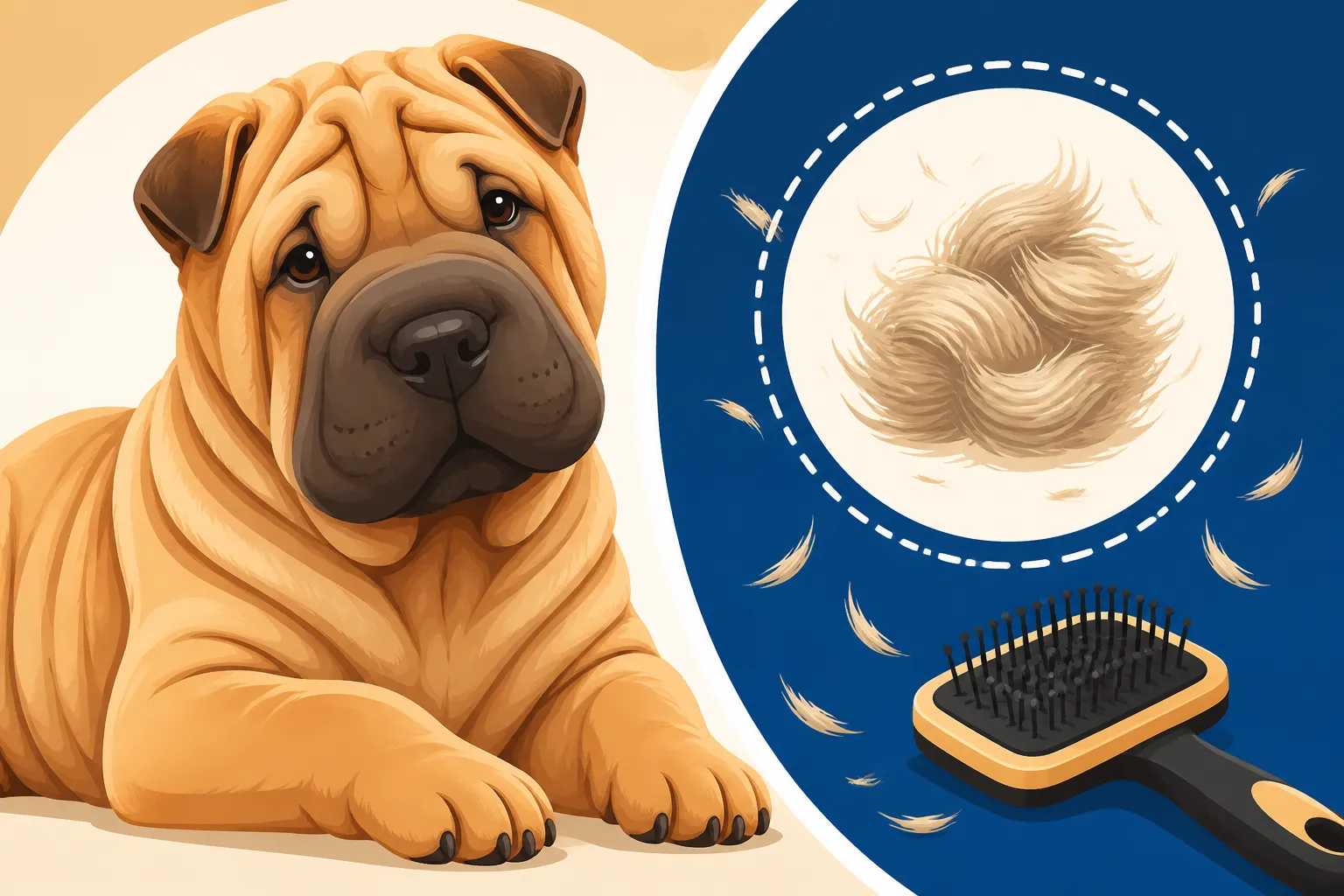
The single most effective way to manage daily Shar Pei shedding is through consistent, almost daily, brushing. This might sound like a chore, but it's quick, easy, and makes a huge difference in keeping loose hair off your floors and furniture.
For Shar Peis, especially those with the horse coat, traditional bristle brushes or slicker brushes aren't always the most effective for removing loose hair without irritating their sensitive skin. Instead, you'll want to reach for tools designed to gently pull out dead hair from short coats.
- Rubber Curry Brushes or Grooming Mitts: These are fantastic for Shar Peis. The rubber nubs massage the skin, stimulating circulation and bringing loose hairs to the surface. They are gentle enough for daily use and many Shar Peis actually enjoy the massage. When using one, work in small circles or short strokes over their entire body. The loose hair will gather on the brush or mitt, which you can then easily peel off and discard. You can find excellent options on Amazon or Chewy.
- De-shedding Tools (used sparingly): Tools designed for de-shedding can be effective during seasonal shedding bursts. However, for daily use, they can be too harsh on a Shar Pei's delicate skin and lead to irritation if used incorrectly or too frequently. If you use one, do so gently and perhaps only once or twice a week, focusing on areas with more hair, and always watch for any signs of discomfort from your dog.
- A Damp Cloth or Grooming Glove: After brushing, a quick wipe-down with a slightly damp cloth or a dedicated grooming glove can pick up any remaining loose hairs and leave the coat looking shiny. This is also a good habit to incorporate, especially for horse-coated dogs, as it helps to 'polish' the coat.
Consistency is key. A five-minute brush session every day will be far more effective than a long, vigorous session once a week. It becomes a bonding ritual and helps keep the daily hair accumulation under control. To learn more about this routine, check out How Often a Shar Pei Needs Brushing and Which Brush Suits a Shar Pei.
Environmental Management to Reduce Hair Around the House
Beyond grooming your Shar Pei directly, managing your home environment is crucial to living comfortably with daily shedding. You can't stop the shedding, but you can certainly reduce where that hair ends up and how visible it is.
- Vacuuming Frequency: Invest in a good quality vacuum cleaner designed for pet hair, ideally one with strong suction and attachments for upholstery. Plan to vacuum high-traffic areas and common dog lounging spots every day or every other day. Even a quick pass can make a significant difference. Robotic vacuums, while an initial investment, can be a game-changer for maintaining daily cleanliness, running while you're out.
- Furniture Covers and Washable Throws: If your Shar Pei is allowed on furniture, consider using washable covers or decorative throws. These can be easily removed and tossed in the washing machine, trapping the majority of the hair before it embeds into your actual upholstery. Look for materials that don't attract hair as much, or that release it easily in the wash.
- Lint Rollers Galore: Keep lint rollers strategically placed around your home – by the door, in your car, even in your purse. They're indispensable for quick clean-ups on clothing before you head out, or for a swift pass over a couch cushion before guests arrive.
- Designated Dog Beds: Provide comfortable, washable dog beds in your Shar Pei's favorite resting spots. Regularly washing these beds, especially the covers, will help contain a lot of the loose hair and keep them fresh.
- Flooring Choices: If you're planning renovations or choosing new flooring, consider how pet hair interacts with different surfaces. Hardwood, tile, or laminate floors are generally easier to clean than carpet, as hair sits on top rather than weaving into fibers. If you have carpets, opt for low-pile options and use a powerful vacuum.
- Air Purifiers: While not directly removing hair, air purifiers with HEPA filters can help capture airborne dander and fine hairs, improving overall air quality in your home. This can be especially helpful for family members with allergies.
By combining diligent grooming with proactive environmental management, you can significantly reduce the visual impact of daily Shar Pei shedding and maintain a cleaner, more comfortable living space for everyone.
Minimizing Shedding and Maintaining Coat Health
While daily shedding is natural, maintaining your Shar Pei's overall health plays a critical role in keeping excessive hair loss at bay. A healthy dog often has a healthier coat, which can mean less abnormal shedding.
The Role of Nutrition in Coat Health and Shedding
You are what you eat, and the same goes for your Shar Pei! A diet that supports skin and coat health is paramount. When a dog isn't getting adequate nutrients, one of the first places it shows is in their fur – it can become dull, brittle, and shed more than usual.
Look for high-quality dog foods where a named meat source (like "chicken meal" or "lamb") is the first ingredient, not a generic "meat by-product." Avoid foods with excessive fillers, artificial colors, and preservatives. Specifically, pay attention to the inclusion of Omega-3 and Omega-6 fatty acids. These are crucial for healthy skin and a shiny coat. Many premium dog foods, including those you might find from brands like Ollie or on Chewy, are formulated with these essential nutrients. You can also supplement your Shar Pei's diet with fish oil (salmon oil, cod liver oil) under veterinary guidance. Just be sure to get the dosing right; too much of a good thing can sometimes lead to tummy troubles.
Sometimes, a Shar Pei might have food sensitivities or allergies that manifest as skin issues, including excessive shedding or poor coat quality. If you suspect this, an elimination diet under veterinary supervision might be necessary to identify trigger ingredients. This process, explored further in Feeding a Shar Pei That Reacts to Its Food, can significantly improve coat health once the offending food is removed. When the skin is irritated or inflamed, the hair follicles suffer, leading to more shedding. By providing a balanced, nutrient-rich diet, you're giving your Shar Pei the building blocks for a strong, healthy coat that sheds optimally, rather than excessively.
Bathing and Drying Practices to Control Shedding
Regular bathing, when done correctly, can actually help manage shedding by washing away loose, dead hairs before they have a chance to fall out around your house. However, bathing a Shar Pei requires a specific approach due to their unique skin and folds.
The frequency of bathing depends on your individual dog's skin needs, but generally, a Shar Pei benefits from a bath every 2-4 weeks. Use a gentle, pH-balanced dog shampoo that is specifically formulated for sensitive skin. Your vet might recommend a medicated shampoo if your Shar Pei has specific skin conditions, which are common in the breed. Avoid harsh shampoos that can strip natural oils, leading to dry skin and potentially more shedding. Which Shampoo Suits a Shar Pei's Skin offers more details.
During the bath, gently massage the shampoo into their coat, paying special attention to their many folds. This massage helps dislodge loose hairs. Rinse thoroughly, and we mean thoroughly. Any shampoo residue left behind can irritate the skin and lead to dryness, itching, and subsequent shedding.
The most critical step for a Shar Pei is drying. Because of their deep wrinkles and thick skin, Shar Peis are prone to skin fold infections if moisture is trapped. Improper drying can lead to yeast or bacterial overgrowth, which will absolutely contribute to skin irritation and excessive shedding.
- Towel Dry Vigorously: Start by towel-drying your Shar Pei as much as possible, pressing and blotting to absorb water, rather than just rubbing, which can create tangles or further embed horse coat hairs.
- Blow Dryer (Cool Setting): Use a pet-specific force dryer or a human blow dryer on a cool or low-heat setting. Direct the air into their coat, especially focusing on separating and drying between all their wrinkles. This is tedious but essential. If you don't have a force dryer, a regular blow dryer on cool will still help.
- Air Dry Completely (but cautiously): If air drying, ensure your Shar Pei is in a warm, dry environment and keep an eye on them until they are absolutely bone dry, especially in those hidden folds. Many owners make the mistake of thinking a Shar Pei is dry when the topcoat feels dry, but the skin underneath and within the folds is still damp.
Proper drying helps prevent skin issues, which in turn supports a healthier coat and more controlled shedding. It’s a bit of a process, but your Shar Pei’s comfort and coat health are worth it. You can find excellent advice on How to Dry a Shar Pei Properly.
When to Consult a Vet About Excessive Shedding
While daily shedding is normal for a Shar Pei, there are definitely times when excessive or unusual hair loss warrants a trip to the veterinarian. It's important for Shar Pei owners to be vigilant, as their breed is predisposed to several skin and systemic health issues that can manifest as changes in their coat.
You should consult your vet if you notice any of the following:
- Sudden, Dramatic Increase in Shedding: If your Shar Pei suddenly starts shedding much more than usual, outside of their normal seasonal coat blow, this could be a red flag.
- Patchy Hair Loss or Bald Spots: This is a clear indicator that something is wrong. It could be parasites (like mites or fleas), fungal infections (like ringworm), bacterial skin infections, or even hormonal imbalances.
- Skin Irritation: If the excessive shedding is accompanied by red, inflamed skin, pustules, scabs, crusting, or a strong odor, it's definitely time for a vet visit. These are classic signs of skin infections or allergies. Remember, Skin Is the Shar Pei's Largest Problem by Surface Area.
- Excessive Itching, Licking, or Chewing: If your Shar Pei is constantly scratching, licking, or chewing at their skin, even without visible hair loss, it indicates discomfort and potential underlying issues that could be affecting their coat.
- Dull, Brittle, or Greasy Coat: An unhealthy-looking coat, even if not shedding excessively, can be a sign of nutritional deficiencies, internal illness, or skin problems.
- Other Systemic Signs: If increased shedding is accompanied by other symptoms like lethargy, changes in appetite or thirst, weight loss or gain, or behavioral changes, it points to a broader health problem. Conditions like Signs a Shar Pei's Thyroid Is Low can definitely impact coat quality and shedding.
When you go to the vet, be prepared to provide a detailed history of your dog's diet, grooming routine, recent changes in environment or stress levels, and any other symptoms you've observed. Early detection and treatment of underlying conditions can often reverse excessive shedding and restore your Shar Pei's coat to its healthy state.
| Coat Type | Characteristics | Shedding Impression | Management Tips |
|---|---|---|---|
| Horse Coat | Short, stiff, bristly; feels like Velcro | Less visible volume, but hairs embed deeply, feel prickly | Daily brushing with rubber curry brush; frequent vacuuming; lint rollers essential for clothing/upholstery; use pet-specific vacuums for embedded hairs. |
| Brush Coat | Slightly longer (up to 1 inch), softer, velvety | More visible volume in clumps; hairs lay on surfaces | Daily brushing with rubber curry brush or soft slicker; easier to sweep/vacuum up; regular washing of dog beds/throws; less prone to embedding as deeply as horse coat. |
| Seasonal | Heavy shedding twice a year (spring/fall) | Dramatic increase in hair volume | Intensify brushing during these periods (multiple times a day if needed); consider professional grooming for de-shedding treatments; extra diligent cleaning of home. |
| Daily | Constant, low-level hair loss year-round | Persistent hair on floors, furniture, clothes | Consistent daily grooming; high-quality diet; regular cleaning routine (vacuuming, wiping surfaces); address any underlying health issues promptly. |
Living with a Shedding Shar Pei – Tips for a Cleaner Home
Living with a Shar Pei means embracing the quirks, and a little bit of dog hair is part of the package. The good news is that with a few smart strategies and consistent habits, you can keep your home feeling clean and comfortable, without constantly battling rogue hairs.
Strategies for Cleaning Pet Hair from Various Surfaces
Pet hair has a magical way of clinging to everything, but different surfaces require different approaches. Knowing these tricks can save you time and frustration.
- Carpets and Rugs: A powerful vacuum cleaner designed for pet hair is your best friend. Look for models with strong suction and a rotating brush bar. For those deeply embedded horse coat hairs, sometimes a stiff rubber broom or a window squeegee can be surprisingly effective at raking them out before you vacuum. A damp mop or even rubber gloves rubbed over the carpet can also gather hair into clumps for easy pickup. Regular vacuuming, daily in high-traffic areas, is the key here.
- Upholstery: Your couch, chairs, and car seats are prime hair-collecting zones. Lint rollers are essential for quick touch-ups. For deeper cleaning, specialized pet hair remover brushes, often with rubber or silicone bristles, can work wonders by creating static cling that lifts hair. You can also dampen a rubber glove or a clean sponge and wipe down upholstery; the hair will stick to the damp surface. For removable covers, wash them frequently.
- Hard Floors (Hardwood, Tile, Laminate): While hair doesn't embed, it tends to roll into "tumbleweeds" on hard surfaces. A good dust mop with a microfiber head or an electrostatic cloth works well for daily sweeps. A lightweight stick vacuum or a robotic vacuum can also be invaluable for quick clean-ups, preventing accumulation. Avoid using just a broom, as it often just pushes hair around.
- Clothing: A trusty lint roller is a non-negotiable item for any Shar Pei owner. Keep one in your laundry room, by your front door, and in your car. For stubborn hairs, a slightly damp cloth can sometimes lift them, or a quick cycle in the dryer on a "no heat" or "air fluff" setting with a dryer sheet can help loosen and collect hair in the lint trap before washing.
By using the right tools and techniques for each surface, you'll find that managing daily Shar Pei shedding becomes much less daunting.
Products and Habits for a Hair-Reduced Environment
Creating a hair-reduced environment isn't about eliminating every single strand, but about setting up systems and habits that keep the overall hair burden low. It's about being proactive rather than reactive.
- Invest in Quality Grooming Tools: As mentioned, a good rubber curry brush or grooming mitt is invaluable. You can find excellent, durable options on platforms like Amazon or Chewy. Make brushing a daily, enjoyable ritual for both you and your Shar Pei.
- Washable Pet Bedding: Opt for dog beds with removable, machine-washable covers. Washing these covers weekly will drastically reduce the amount of loose hair that gets tracked around your home. For tougher messes, you can find enzymatic cleaners that break down pet odors and residues.
- Dedicated Cleaning Supplies: Keep a specific set of cleaning tools just for pet hair. This might include a handheld vacuum, a rubber broom, an extra-large pack of lint rollers, and microfiber cloths. Having these readily accessible makes it easier to do quick clean-ups without interrupting your day.
- Protective Barriers: Consider using car seat covers, especially if your Shar Pei rides with you often. These are easy to remove and wash, saving your car's upholstery from a constant coating of hair.
- Regular Laundry Routine: Don't let laundry pile up. Washing blankets, throws, and your dog's favorite towels frequently helps remove accumulated hair. If your washing machine has a "pet hair" cycle, even better!
- Air Filtration: While not a primary hair remover, an air purifier with a HEPA filter can help capture airborne pet dander and fine hairs, contributing to a cleaner environment and potentially alleviating allergies for sensitive family members.
- Maintain Overall Health: Remember that a healthy Shar Pei sheds less. Regular vet check-ups, a high-quality diet (perhaps even a specialized one from a brand like Ollie if recommended by your vet), and adequate exercise all contribute to a healthier coat and thus, less excessive shedding.
By integrating these products and habits into your routine, you can significantly mitigate the impact of daily Shar Pei shedding and enjoy a much cleaner, more harmonious home life with your beloved companion.
Disclaimer
This article is for general informational purposes only and does not constitute professional advice. Laws, prices and regulations vary by location and change over time. Consult a qualified professional for guidance on your specific situation.