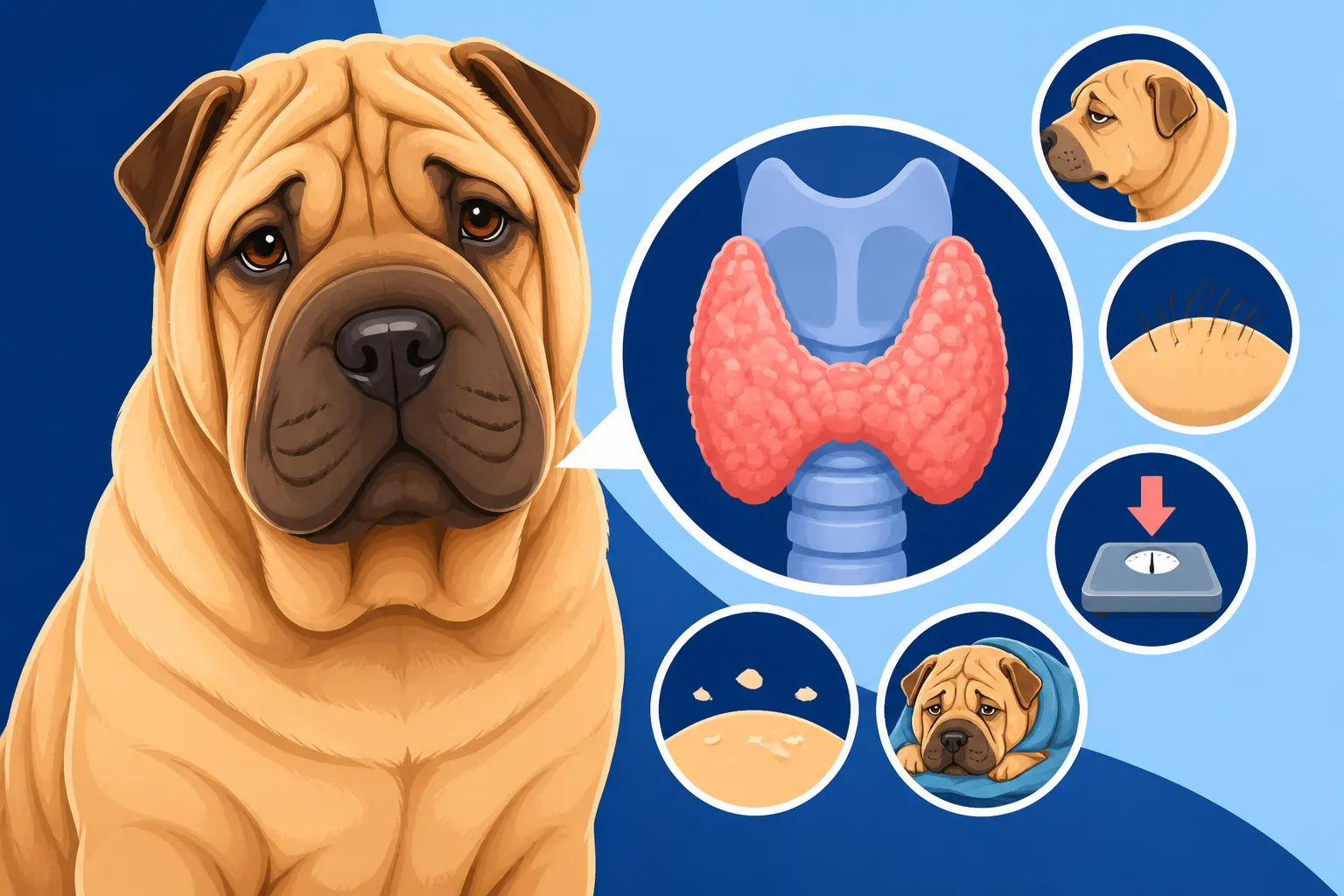
Signs a Shar Pei’s Thyroid Is Low
It can be incredibly frustrating to see your beloved Shar Pei just… not quite themselves. Maybe they're moving slower, or their usually bright eyes seem a little dull, and you start to wonder if it's just them getting older, or if there's something deeper going on. This guide is here to shed light on a common health issue in our wrinkly friends: an underactive thyroid, also known as hypothyroidism, and help you recognize the subtle and not-so-subtle signs your Shar Pei might be telling you.
Understanding Hypothyroidism in Shar Pei
Hypothyroidism is one of those conditions that can sneak up on you, gradually changing your dog without any dramatic, sudden symptoms. For a Shar Pei owner, who is already so vigilant about their dog's unique health needs, understanding this condition is another crucial layer of care.
What is Hypothyroidism?
At its simplest, hypothyroidism occurs when the thyroid gland, a small, butterfly-shaped gland located in your dog's neck, isn't producing enough thyroid hormones. These hormones, primarily T3 and T4, are like the master regulators of metabolism in every cell of the body. They dictate how quickly your dog burns energy, how fast their hair grows, how alert their brain is, and even how efficiently their heart beats. When these hormone levels drop too low, everything starts to slow down.
Think of it like a dimmer switch for your dog's entire system. Instead of the lights being on full, everything is just a little bit dim. The impact can be widespread, affecting everything from their skin and coat to their energy levels and even their cognitive function. It's not an infection, it's a fundamental chemical imbalance that needs addressing.
Why Shar Pei Are Prone to Low Thyroid Function
It’s a tough truth that certain breeds carry genetic predispositions to specific health issues, and our Shar Pei are no exception when it comes to hypothyroidism. They, along with other breeds like Golden Retrievers, Doberman Pinschers, and Boxers, have a higher incidence of developing the condition. The most common cause in dogs is what's called lymphocytic thyroiditis, which is an autoimmune disease. In this scenario, the dog's own immune system mistakenly attacks and destroys the thyroid gland over time.
Given that Shar Pei are known for their unique immune system quirks, often linked to their characteristic wrinkles and a propensity for inflammatory conditions (you might have heard of issues like IgA deficiency in a Shar Pei, for example), it's not a huge leap to understand why autoimmune thyroiditis might be more prevalent in the breed. It’s part of the complex genetic tapestry that makes them so special, but also means we, as owners, need to be extra aware. It’s not just a random occurrence; there’s often a genetic component that sadly, we can’t completely breed out easily.
Subtle Behavioral Changes to Watch For
Sometimes, the first hints of a low thyroid don’t show up as dramatic physical symptoms, but rather as changes in your Shar Pei’s day-to-day demeanor. These can be easily dismissed as "just getting older" or "being a Shar Pei," but paying close attention can make all the difference.
Lethargy and Decreased Activity Levels
One of the most common and often overlooked signs of hypothyroidism is a noticeable drop in energy. Your Shar Pei might start spending more time sleeping, or simply lying around, even during times they used to be active. Perhaps they’re less enthusiastic about their morning walk, or they cut short their playtime in the yard. What once was a brisk trot around the block might become a slow amble, and they might even be reluctant to join you for short bursts of activity.
It’s easy to write this off. "Oh, he's seven now, he's just slowing down," you might think. Or, "Shar Pei are lazy anyway, he's just being himself." While it’s true that many Shar Pei are quite content to be couch potatoes, a change in their typical energy level, especially if it’s a gradual but consistent decline, should raise a red flag. If your dog, who used to enjoy a good 30-minute sniff-and-stroll, now lags behind after 10 minutes or just flops down, it's worth considering. This isn't just "tiredness"; it's a persistent lack of vigor that can profoundly affect their quality of life.
Mental Dullness or Personality Shifts
Beyond physical lethargy, low thyroid hormones can also impact your Shar Pei's brain function. You might notice your dog seems less responsive to commands they once knew perfectly, or perhaps they're slower to react to sounds or even your presence. They might appear to be "zoning out" more often or seem generally less engaged with their surroundings. This isn't necessarily a sign of aging dementia, but rather a system running on low power.
Sometimes, hypothyroidism can even lead to more profound personality shifts. A typically sweet and calm Shar Pei might become unusually irritable, anxious, or even exhibit unexplained aggression. Imagine feeling constantly sluggish and a bit "off" – it can certainly affect mood. This can be particularly confusing and distressing for owners, who might struggle to understand why their once-mellow companion is suddenly snappish or withdrawn. It's often dismissed as stubbornness or simply a "mood," but if you're finding yourself thinking, "He's not himself," it's definitely something to discuss with your vet. A dog that used to enjoy interacting with others might suddenly become more reserved or even show signs of anxiety when faced with new situations, which can be easily misinterpreted as simply not being socialized enough or just being a typical Shar Pei that needs to learn to cope alone (How Long a Shar Pei Copes Alone).
Recognizable Physical Symptoms
While behavioral changes can be subtle, sometimes the body itself starts to show more overt signs that something is amiss. These physical indicators, particularly those affecting the skin and coat, are often what prompt owners to seek veterinary help.
Coat and Skin Issues
For Shar Pei owners, skin and coat issues are almost a fact of life, but a low thyroid can definitely make things worse or introduce new problems. One of the classic signs of hypothyroidism is a dull, dry, and brittle coat. It might feel rough to the touch, and you might notice an increase in shedding that seems out of season or more pronounced than usual. Hair regrowth, especially after grooming or minor skin abrasions, can become noticeably slow.
You might also observe hair thinning or loss, particularly on the flanks, chest, and tail. This can sometimes result in a "rat tail" appearance, where the tail loses most of its hair, leaving it looking thin and sparse. The skin itself can become thickened, dry, and flaky. Because the immune system is also affected, Shar Pei with hypothyroidism are often more prone to recurrent skin infections, whether bacterial or yeast, which can manifest as redness, itching, and a distinctive odor. If you're constantly battling issues like Skin Fold Dermatitis on a Shar Pei or noticing odd, puffy swelling that isn't quite What Cutaneous Mucinosis Is, it’s another reason to consider a thyroid check. A healthy Shar Pei's skin should be elastic and resilient, not constantly dry, irritated, or struggling with hair loss. It’s part of What a Shar Pei's Skin Tells You Before Its Behavior Does.
Weight Gain and Difficulty Managing It
Another classic hallmark of an underactive thyroid is unexplained weight gain, even if your Shar Pei's diet and exercise routine haven't changed. Because the metabolism is slowed down, the body isn't burning calories as efficiently as it should be. This can be incredibly frustrating for owners who are meticulously portioning food and trying to keep their dog active, only to see the numbers on the scale steadily creeping up.
This weight gain isn't just about aesthetics; it puts extra strain on your Shar Pei's joints and can exacerbate other health conditions. It can also make them even more lethargic, creating a vicious cycle. If you're noticing that your Shar Pei is gaining weight despite your best efforts, and especially if it's coupled with any of the other signs mentioned, it's a strong indicator that their thyroid might be low. This connects directly to the question of Whether a Hypothyroid Shar Pei Gains Weight, and the answer is a resounding yes, it's a very common symptom.
Other Physical Indicators
While coat changes and weight gain are prominent, hypothyroidism can manifest in other ways that are worth noting. Some dogs develop an intolerance to cold, seeking out warm spots in the house or shivering even in mild temperatures. You might notice them trying to burrow under blankets more often, or being reluctant to go outside in cooler weather. This happens because their slowed metabolism generates less body heat.
Less common, but still possible, are changes in cardiovascular function, such as a slower heart rate (bradycardia). In intact female Shar Pei, hypothyroidism can sometimes lead to reproductive issues, including infertility or abnormal heat cycles. While these signs might be harder for the average owner to spot without a vet's examination, they are further evidence of the widespread impact of thyroid hormones on the body. It’s a comprehensive system slowdown, affecting more than just the visible aspects of their health.
When to Seek Veterinary Attention
Recognizing these signs is the first crucial step, but the next is knowing when and how to get professional help. Self-diagnosing isn't an option here; a proper veterinary evaluation is essential to confirm or rule out hypothyroidism.
The Importance of Early Diagnosis
Catching hypothyroidism early can make a world of difference in your Shar Pei's long-term health and well-being. The sooner you get a diagnosis, the sooner you can start treatment, which means less time your dog is suffering from the debilitating effects of low thyroid hormones. Early intervention can prevent the progression of symptoms, such as worsening skin conditions, more severe lethargy, and further weight gain. It can also help avoid secondary issues that arise from a compromised immune system.
Many owners, understandably, hesitate, wondering if they’re overreacting or if the symptoms are just part of aging. But with a breed like the Shar Pei, which is prone to so many health challenges, a proactive approach is always best. Delaying diagnosis doesn't just prolong discomfort; it can lead to more entrenched problems that are harder to reverse. If you're even thinking that your Shar Pei might have a low thyroid, it's time to talk to your vet. This isn't just about getting a diagnosis; it's about giving your dog the best chance at a comfortable, active life.
What a Vet Visit Entails
When you take your Shar Pei to the vet with concerns about hypothyroidism, the visit will typically start with a thorough physical examination and a detailed discussion of all the symptoms you’ve observed. Your vet will ask about changes in appetite, activity level, weight, skin, and behavior. Be prepared to share as much detail as possible, even the things that seem minor to you.
The definitive diagnosis of hypothyroidism requires blood tests. Your vet will usually recommend a thyroid panel, which measures several key markers:
- Total T4 (TT4): This measures the total amount of thyroid hormone circulating in the blood.
- Free T4 (fT4): This measures the unbound, biologically active thyroid hormone, which can sometimes be a more accurate indicator.
- Canine Thyroid-Stimulating Hormone (cTSH): Produced by the pituitary gland, TSH stimulates the thyroid to produce T4. In hypothyroid dogs, TSH levels are typically high because the pituitary is working overtime trying to get the underperforming thyroid to do its job.
It's important to note that diagnosing hypothyroidism isn't always straightforward. Other illnesses, medications (like steroids), or even non-thyroidal illnesses can temporarily affect thyroid hormone levels, leading to what's called "sick euthyroid syndrome." This is why a comprehensive thyroid panel, combined with your dog's clinical signs, is so crucial. Sometimes, a re-test or further investigation might be needed. This is why it’s so vital to discuss Whether a Shar Pei's Thyroid Should Be Tested Yearly during their routine check-ups, especially as they enter their middle-age years.
Managing Hypothyroidism in Shar Pei
Receiving a diagnosis of hypothyroidism might feel daunting, but the good news is that it’s a very treatable condition. With consistent care and medication, most Shar Pei can return to a normal, healthy life.
Treatment Options and Lifelong Management
The primary treatment for hypothyroidism in dogs is daily oral thyroid hormone replacement medication, typically levothyroxine. This medication replenishes the hormones that your dog's own thyroid gland isn't producing enough of. It's usually given once or twice a day, depending on your vet's recommendation. Think of it as simply giving their body what it's missing.
The dosage will be carefully determined by your veterinarian based on your Shar Pei's weight and the severity of their condition. It's incredibly important to administer the medication exactly as prescribed and not to skip doses. After starting medication, your vet will schedule follow-up blood tests, usually within 4-8 weeks, to check their thyroid hormone levels and ensure the dosage is correct. These monitoring blood tests are crucial for adjusting the dose until your Shar Pei's levels are stable. This condition is lifelong, meaning your Shar Pei will need to be on medication for the rest of their days, and regular blood tests (usually every 6-12 months once stable) will be necessary to ensure the dosage remains appropriate. It's a commitment, but one that drastically improves their quality of life. Veterinary expenses, like those for chronic conditions, are definitely one of the Four Bills Every Shar Pei Owner Should Expect, and having pet insurance like Healthy Paws can significantly ease the financial burden of lifelong medication and regular blood tests.
What to Expect After Starting Medication
Once your Shar Pei starts on levothyroxine, you should begin to see improvements, though not always immediately. The first changes you might notice are often behavioral: increased energy levels, more enthusiasm for walks and play, and a return to their more alert and responsive personality. These changes typically become apparent within a few weeks.
Physical improvements, particularly with the coat and skin, usually take a bit longer. Hair regrowth can take several months, and the coat may not fully regain its luster and thickness for 3-6 months. Weight loss, if your Shar Pei was overweight due to the condition, will also be a gradual process, requiring patience and continued attention to diet and exercise. It’s important to remember that every dog responds slightly differently, and your vet will guide you on what to expect specifically for your Shar Pei. Don't get discouraged if the changes aren't instant; consistency is key. Knowing that you have support for these ongoing costs can make a big difference, and pet insurance options like Healthy Paws are designed to help with conditions like these that require consistent treatment.
Preventative Measures and Long-Term Care
While you can't completely prevent genetic predispositions, proactive health management is the best way to catch issues early and ensure your Shar Pei lives a full and happy life.
Regular Health Monitoring
The importance of routine veterinary check-ups for a Shar Pei cannot be overstated. Given their unique health profile, these aren't just annual formalities; they're vital opportunities to catch potential issues, like hypothyroidism, before they become severe. Your vet can perform a thorough physical examination, discuss any subtle changes you've noticed, and recommend appropriate screenings.
For Shar Pei, discussing Whether a Shar Pei's Thyroid Should Be Tested Yearly, especially as they approach middle age (around 4-5 years old), is a very good idea. Even if they aren't showing overt symptoms, a baseline thyroid panel can be incredibly useful for future comparison. Early detection through regular monitoring can save a tremendous amount of stress, discomfort for your dog, and ultimately, money in the long run by allowing for earlier, less intensive treatment. Organizations like Healthy Paws understand the commitment involved in managing a Shar Pei's health and offer plans that can cover these essential diagnostic tests and ongoing care. Remember, a comprehensive approach to their health includes everything from their annual physical to specialized testing if your vet recommends it.
Diet and Lifestyle Considerations
Maintaining a balanced diet and a healthy lifestyle plays a crucial role in supporting your Shar Pei's overall health, even if it doesn't directly prevent hypothyroidism. A high-quality, balanced diet provides all the essential nutrients for optimal bodily function, including immune system health. Avoiding excessive treats and ensuring appropriate portion sizes helps manage weight, which is particularly important as a slowed metabolism is a symptom of low thyroid.
Consistent, moderate exercise is also vital. While Shar Pei aren't typically extreme athletes, regular walks and playtime help keep their metabolism active and their muscles strong. However, always be mindful of their unique needs, especially regarding heat. Heat Management Is Daily Work With a Shar Pei, and during warmer months, adjust exercise times to cooler parts of the day to prevent overheating. A good routine, combined with attentive observation, creates the best possible environment for your Shar Pei, helping them thrive and making it easier for you to spot if something is truly off with their health.
Common Signs of Low Thyroid in Shar Pei
To help you keep track, here's a quick overview of the key indicators that your Shar Pei might have an underactive thyroid. Remember, any combination of these signs warrants a vet visit.
| Category | Common Signs | What to Look For |
|---|---|---|
| Behavioral | Lethargy / Decreased Activity | More sleeping, less enthusiasm for walks/play, lagging behind, reluctance to engage. |
| Mental Dullness / Personality Changes | Less responsive, slower reactions, "zoning out," irritability, increased anxiety, uncharacteristic aggression, withdrawn. | |
| Physical (Coat) | Dull, Dry, Brittle Coat | Coat lacks shine, feels rough. |
| Excessive Shedding / Poor Hair Regrowth | Shedding more than usual, slow or no hair regrowth after minor issues, thin patches. | |
| "Rat Tail" | Significant hair loss on the tail, making it look sparse. | |
| Physical (Skin) | Thickened, Dry, Flaky Skin | Skin feels less pliable, rough patches, dandruff-like flakes, prone to infections. |
| Recurrent Skin Infections | Frequent bacterial or yeast infections, redness, itching, odor. | |
| Physical (Other) | Unexplained Weight Gain | Gaining weight despite consistent diet and exercise. |
| Cold Intolerance | Seeking warm spots, shivering easily, reluctance to go out in cool weather. | |
| Slow Heart Rate (Bradycardia) | (Less commonly observed by owners, but a vet might detect this.) |
Disclaimer
This article is for general informational purposes only and does not constitute professional advice. Laws, prices and regulations vary by location and change over time. Consult a qualified professional for guidance on your specific situation.


