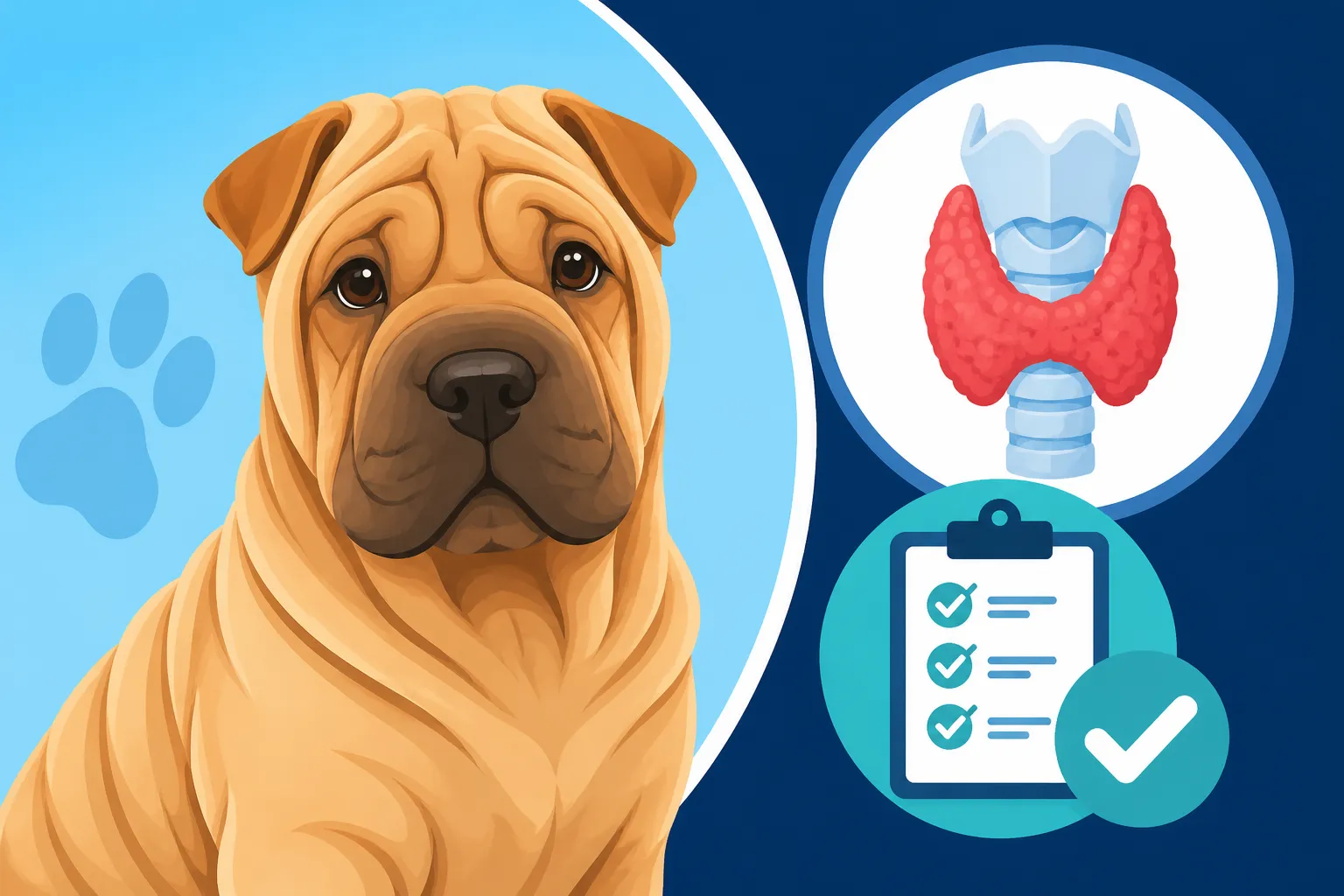
Whether a Shar Pei’s Thyroid Should Be Tested Yearly
It's incredibly frustrating when you know your beloved Shar Pei has a laundry list of potential health issues, and you're left wondering which screenings are truly essential and how often. Navigating the unique health landscape of our wrinkly companions can feel like a minefield, but understanding the importance of regular thyroid testing is one crucial step in proactive care, and this guide will walk you through why it's so vital for your Shar Pei.
The Rationale Behind Regular Thyroid Screening for Shar Pei
When you bring a Shar Pei into your life, you're not just getting a dog; you're signing up for a very specific set of health considerations that come with the breed. Unlike some breeds where thyroid issues might be a rare occurrence, hypothyroidism, an underactive thyroid, is unfortunately quite common in Shar Pei. This isn't just a minor inconvenience; it's a condition that can silently chip away at your dog's quality of life and even shorten it if left undiagnosed and untreated. The problem is, the symptoms can be vague, mimicking other conditions, or simply written off as "getting old" or "just how Shar Pei are." This makes regular, proactive screening, often yearly, an absolute cornerstone of responsible ownership.
Think about it: your Shar Pei’s thyroid gland, a small, butterfly-shaped organ in their neck, produces hormones that regulate nearly every metabolic process in their body. When it's not producing enough of these crucial hormones, everything starts to slow down. Their energy levels drop, their coat might change, and they could even gain weight despite no change in diet. Because the symptoms aren't always glaring, especially in the early stages, relying solely on observing changes can mean a significant delay in diagnosis. This is why many veterinarians familiar with the breed, and indeed many Shar Pei enthusiasts, advocate for routine thyroid panel screenings. It allows you to catch the problem before it becomes deeply entrenched and before more serious secondary issues develop. It's not about being overly paranoid; it's about being informed and preventative for a breed that truly benefits from this vigilant approach.
Recognizing the Subtle Signs of Hypothyroidism in Your Wrinkled Friend
One of the biggest challenges with hypothyroidism in Shar Pei, and why annual testing becomes so critical, is that the signs can be incredibly subtle, or even attributed to other common Shar Pei woes. You might notice your energetic young adult suddenly seems a bit sluggish, preferring to nap rather than play, and you could easily think, "Oh, they're just maturing" or "Maybe they're just feeling lazy today." But this decrease in activity is often one of the first indicators that something is amiss with their thyroid function. It's not a sudden collapse, but a gradual winding down that can be hard to pinpoint in the day-to-day.
Beyond lethargy, many owners start to see changes in their Shar Pei's glorious coat and skin. They might develop a dull, dry, or brittle coat that sheds excessively, even outside of normal shedding seasons. Sometimes, the hair loss can be symmetrical, often on the flanks, chest, or tail, making it look almost like a moth-eaten blanket. Patches of skin might become thickened, darkened, or even develop a greasy, seborrheic texture, especially in those deep skin folds. We all know Skin Is the Shar Pei's Largest Problem by Surface Area, so adding a thyroid issue to the mix can really exacerbate existing skin sensitivities. It's not uncommon for a Shar Pei with undiagnosed hypothyroidism to be initially treated for allergies or skin infections, masking the underlying cause. Furthermore, some Shar Pei may experience unexplained weight gain, even if their diet and exercise haven't changed. If you notice your Shar Pei seems to be packing on the pounds and you're wondering Whether a Hypothyroid Shar Pei Gains Weight, it's definitely a sign to bring up with your vet. Other, less common signs can include intolerance to cold, a slower heart rate, or even some neurological changes like disorientation or seizures, though these are typically seen in more advanced cases. The truth is, because these signs can be so varied and sometimes overlap with other conditions common in Shar Pei, a blood test is truly the most reliable way to get an accurate diagnosis. If you're observing any of these shifts, even minor ones, getting a full thyroid panel is certainly warranted.
Here's a quick overview of some common signs of low thyroid in Shar Pei:
| Category | Common Signs | Less Common / Advanced Signs |
|---|---|---|
| Energy & Behavior | Lethargy, reduced activity, increased sleeping | Mental dullness, disorientation, neurological issues |
| Coat & Skin | Dry, dull, brittle coat; excessive shedding; symmetrical hair loss | Thickened/darkened skin; greasy skin; chronic skin infections |
| Weight | Unexplained weight gain, difficulty losing weight | Swelling of the face (myxedema) |
| Body Temperature | Cold intolerance, seeking warm spots | Low body temperature |
| Other | Slow heart rate | Reproductive problems (in intact animals) |
It’s crucial not to dismiss these indicators. If you've ever wondered Signs a Shar Pei's Thyroid Is Low, this table should give you a good starting point for discussion with your veterinarian.
The Thyroid Testing Process and What the Results Mean
So, you've decided to get your Shar Pei's thyroid checked—excellent decision! The process itself is relatively straightforward, but understanding what the different tests measure is key to interpreting the results. A basic thyroid screen usually involves drawing a blood sample, which your vet will then send to a specialized lab. The most common tests include Total T4 (Thyroxine) and TSH (Thyroid Stimulating Hormone).
Total T4 measures the total amount of thyroid hormone in the bloodstream, both bound and unbound. If this level is low, it’s a strong indicator of hypothyroidism. However, T4 levels can sometimes be affected by other illnesses or certain medications, a phenomenon known as "euthyroid sick syndrome." This is where TSH comes in. TSH is produced by the pituitary gland in the brain and tells the thyroid gland to produce T4. In cases of primary hypothyroidism, the thyroid isn't producing enough T4, so the pituitary gland tries to compensate by churning out more TSH, leading to a high TSH level. Therefore, a low T4 combined with a high TSH is often considered diagnostic for hypothyroidism in dogs.
For a more comprehensive picture, especially if initial results are ambiguous, your vet might recommend a "Free T4 by equilibrium dialysis" (Free T4 ED) test, or even a full thyroid panel that includes autoantibodies (TgAA). Free T4 ED measures only the unbound, active form of T4, which is less affected by non-thyroidal illnesses. Autoantibodies can indicate autoimmune thyroiditis, where the body's immune system attacks the thyroid gland, a common cause of hypothyroidism in dogs. Because of these nuances, it's really important that your veterinarian is experienced in interpreting these results in the context of your Shar Pei's breed and clinical signs. Some clinics might offer an in-house rapid T4 test, but for accurate diagnosis, especially with a breed like the Shar Pei, a full laboratory panel is always recommended. This thorough approach ensures that if a problem exists, you'll uncover it, rather than just treating symptoms.
If your Shar Pei is diagnosed with hypothyroidism, the good news is that it’s usually very manageable with daily medication. Your vet will prescribe synthetic thyroid hormone, typically levothyroxine, which is given orally, usually once or twice a day. The dosage will be carefully calculated based on your dog's weight and the severity of their condition. It's not a quick fix, and you'll likely need follow-up blood tests, usually 4-8 weeks after starting treatment and then periodically, to ensure the medication is at the correct dose and your Shar Pei's thyroid levels are normalizing. Over time, you might notice your dog's energy returning, their coat improving, and any weight issues becoming easier to manage. This isn't just about making them feel better; it's about potentially extending their healthy lifespan and preventing secondary health complications that can arise from untreated low thyroid.
Integrating Thyroid Care into Your Shar Pei's Overall Health Regimen
Given the breed's predisposition, integrating annual thyroid testing into your Shar Pei's routine veterinary check-ups is one of the smartest proactive steps you can take as an owner. Just as you might regularly check for issues like Entropion in a Shar Pei Puppy Is an Emergency, Not a Cosmetic Issue, thyroid screening needs to be on that yearly agenda. Most veterinarians recommend starting annual thyroid screening for Shar Pei around the age of two or three, though some may suggest earlier depending on individual factors or if any suspicious symptoms arise. The reason for this age range is that while puppies can rarely have congenital hypothyroidism, the more common acquired form tends to manifest in middle-aged dogs. Catching it early can make a huge difference in managing the condition and maintaining their quality of life.
The cost of a full thyroid panel can vary, but it's generally a small investment compared to the potential costs of treating advanced, undiagnosed hypothyroidism and its secondary effects. When you consider What a Shar Pei's Yearly Bloodwork Costs, adding a thyroid panel isn't a massive jump. Many pet insurance providers, like Healthy Paws, will cover the costs of diagnostic testing and medication once a condition is diagnosed, as long as it's not pre-existing. This kind of coverage can be a lifesaver for managing long-term conditions. It's also worth noting that hypothyroidism can sometimes be linked to other autoimmune issues or health concerns, such as Hypothyroidism and IgA Deficiency in a Shar Pei, so a holistic view of your dog's health is always best.
As your Shar Pei ages, typically after The Age a Shar Pei Is Considered Senior, around seven or eight years old, routine screenings become even more critical. Older dogs are more prone to a variety of health issues, and sometimes the symptoms of hypothyroidism can be mistaken for normal aging processes. For example, a senior Shar Pei might slow down, gain weight, or show a duller coat, and you might think, "Well, they're just getting old," when in reality, it could be easily treatable hypothyroidism. This is why when you're Caring for a Shar Pei Past Seven, expanding your routine blood panels to include regular thyroid checks, alongside other crucial screenings like kidney function, is paramount. You might already be thinking about How Often a Shar Pei's Kidney Values Should Be Checked, and adding thyroid to that regular schedule is a natural extension of comprehensive care.
Maintaining a detailed health record for your Shar Pei, noting any changes in behavior, coat quality, weight, or energy levels, will also be immensely helpful for your vet in assessing the need for thyroid testing. You might already have a list of What a Shar Pei Owner Should Have at Home for emergencies; consider adding a dedicated health log to that list. The more information you can provide, the better your vet can tailor their recommendations. Ultimately, annual thyroid testing is not just a luxury; it's a proactive measure that gives your Shar Pei the best chance at a healthy, happy, and long life, mitigating some of the unique health challenges this wonderful breed faces. Understanding What a Shar Pei Costs Across Nine Years means recognizing that preventative care, like thyroid screening, can actually save you money and heartache in the long run by avoiding more complex and expensive treatments down the road. Pet insurance from companies like Healthy Paws can truly alleviate the financial stress of ongoing care.
Disclaimer
This article is for general informational purposes only and does not constitute professional advice. Laws, prices and regulations vary by location and change over time. Consult a qualified professional for guidance on your specific situation.


