What a Shar Pei Puppy Eats at Four Months
Bringing home a four-month-old Shar Pei puppy is an absolute joy, but it also comes with a lot of questions, especially when it comes to their diet. You're probably looking at all those adorable wrinkles and wondering if their internal systems are as unique as their exterior, and you'd be right to think that! It can feel overwhelming trying to figure out the perfect food, how much to give them, and what to watch out for, especially when every puppy guide seems so generic. This comprehensive guide is here to alleviate that stress by walking you through everything you need to know about feeding your four-month-old Shar Pei puppy, addressing their unique needs and helping you establish a healthy routine.
Understanding Your Four-Month-Old Shar Pei Puppy's Nutritional Needs
At four months old, your Shar Pei puppy is still very much a baby, but they're growing at an astonishing rate. This stage is absolutely critical for their development, impacting everything from their bone structure to their immune system. Their nutritional requirements are far different from an adult dog, or even a much younger puppy, and getting it right now can set them up for a healthier life down the road. It’s a delicate balance of providing enough energy for their boundless zoomies and rapid physical changes, while also being mindful of their unique breed predispositions.
The Rapid Growth Phase and Energy Demands
Between two and six months, Shar Pei puppies are little energy factories, burning through calories at an impressive rate. They’re exploring the world, learning new things, and undergoing significant physical development, all of which demand a diet rich in high-quality nutrients. You’re watching them transform almost daily, gaining height, weight, and muscle mass, and this growth spurt requires a consistent, reliable fuel source. Think about how much energy a human toddler uses in a day – a Shar Pei puppy is right there with them, if not surpassing them!
Because of this rapid development, their caloric needs per pound of body weight are actually higher than an adult Shar Pei. They need specific ratios of protein, fat, carbohydrates, vitamins, and minerals to support bone development, muscle growth, and organ maturation. It's not just about filling their belly, it's about providing the building blocks for their entire future. Without the right balance, you could inadvertently hinder their growth or, worse, contribute to musculoskeletal issues later on. Remember, while you might expect your Shar Pei to grow into its wrinkles, too much rapid growth can put strain on developing joints. How Fast a Shar Pei Puppy Should Grow is a fascinating read on this topic.
Digestive Sensitivities and Common Shar Pei Issues
Many Shar Pei, even as puppies, have notoriously sensitive digestive systems. This isn't just a quirk; it's a genuine predisposition for the breed, often linked to their genetic makeup and inflammatory tendencies. What might be perfectly fine for another breed's puppy could cause your Shar Pei puppy an upset stomach, gas, diarrhea, or even more serious allergic reactions. This sensitivity can be frustrating for owners, as it often means a lot of trial and error to find a food that agrees with them.
Beyond general sensitivity, Shar Pei are also prone to specific issues like food allergies and inflammatory bowel disease. These conditions can manifest early, even at four months old. Symptoms might be subtle at first – a little more itchiness than normal, slightly softer stools, or occasional vomiting. If you notice persistent digestive upset or skin irritation, it’s worth discussing with your vet, as identifying a trigger early can make a huge difference. Being proactive about their gut health now can prevent years of discomfort for your beloved companion. Food Allergies in a Shar Pei explores this further, highlighting common culprits.
Choosing the Right Food for Your Shar Pei Puppy
Selecting the right food for your four-month-old Shar Pei puppy is one of the most impactful decisions you'll make for their health. With so many options on the market, it's easy to feel lost in a sea of marketing claims and appealing packaging. The key is to look beyond the hype and focus on quality ingredients, appropriate formulations, and how your individual puppy responds. This isn't just about nutrition; it's about finding a food that supports their unique needs without triggering their common sensitivities.
Key Ingredients to Look For
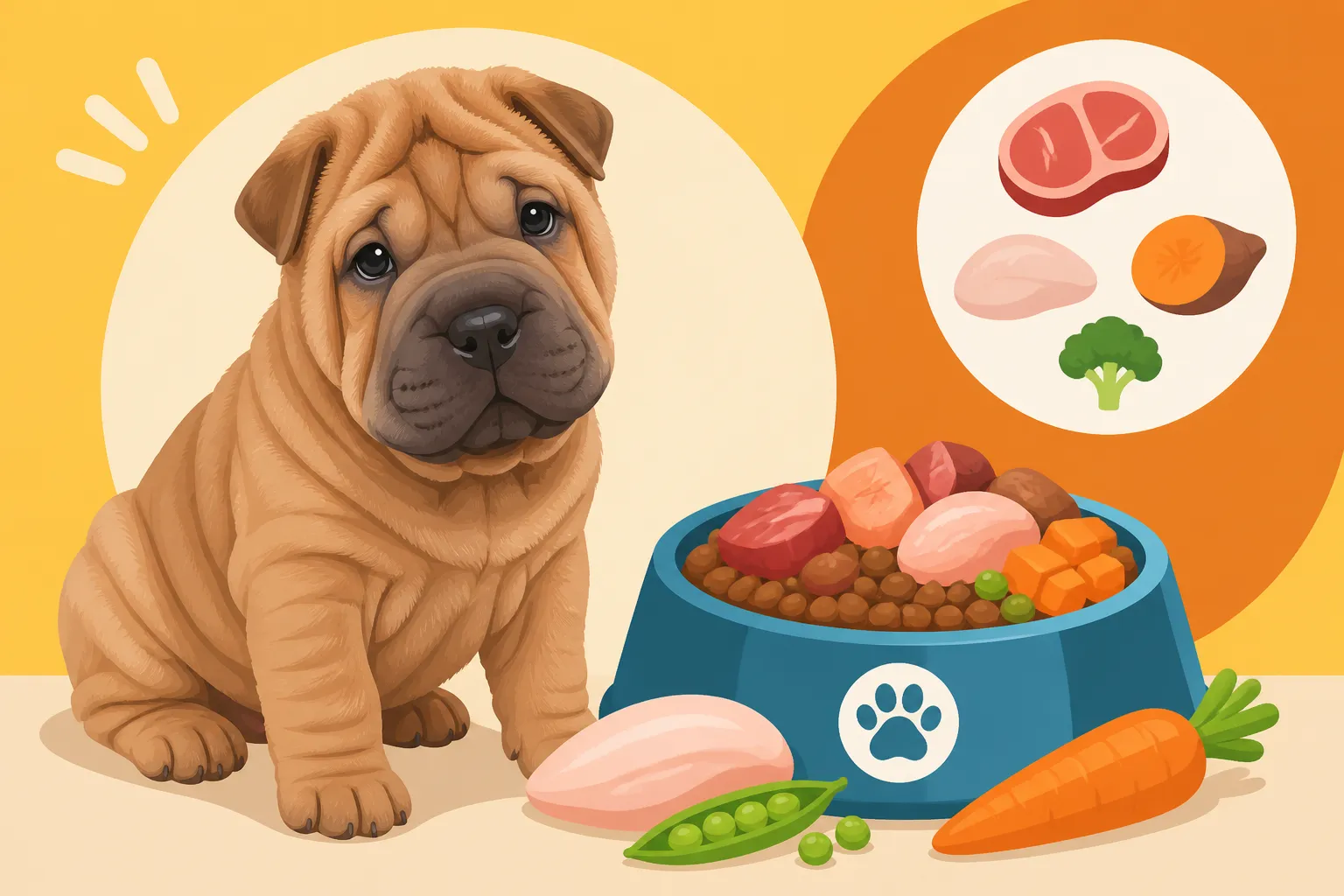
When you're staring at bags of puppy food, it's important to know what you're actually looking for. High-quality protein should be the very first ingredient, and ideally, there should be more than one protein source within the first few ingredients. Look for named meat sources like "chicken meal," "lamb," "fish," or "beef." These provide the essential amino acids your growing Shar Pei needs for muscle development and overall health. Avoid generic terms like "meat by-products" or "animal digest" as primary protein sources, as their quality can be inconsistent. You might find some excellent options through retailers like Chewy, which often stock a wide range of premium puppy formulas.
Beyond protein, look for healthy fats, such as chicken fat or fish oil, which are crucial for brain development, healthy skin, and a shiny coat. Complex carbohydrates like sweet potatoes, brown rice, or peas provide sustained energy. Crucially, pay attention to the absence of common allergens if your puppy shows any signs of sensitivity. Which Protein Suits a Shar Pei offers a deeper dive into protein choices for this breed.
Navigating Food Sensitivities and Allergies
Because Shar Pei are so prone to food sensitivities, a "limited ingredient diet" (LID) or a novel protein diet might be something your vet recommends. LIDs typically contain a single source of animal protein and a single source of carbohydrate, making it easier to identify and avoid potential allergens. Common allergens often include chicken, beef, dairy, wheat, and soy. If your puppy is constantly itching, has chronic ear infections, or suffers from persistent digestive upset, these dietary adjustments could be life-changing.
Starting with a high-quality, easily digestible food is always a good idea. Brands found on platforms like Amazon often carry various limited ingredient options. If you're considering a transition to a new food, always do it gradually over 7-10 days to avoid further upsetting their delicate digestive system. A sudden switch can cause more issues than it solves. It’s also worth reading Whether a Shar Pei Needs a Limited Ingredient Diet for more specific advice.
Wet vs. Dry Food Considerations
The debate between wet and dry food is ongoing, and for a Shar Pei puppy, there are pros and cons to both.
- Dry Kibble: This is often the most convenient and cost-effective option. The crunchy texture can help with dental hygiene, though it's certainly not a substitute for proper dental care. High-quality kibbles are formulated to be nutritionally complete and balanced for puppies. However, some Shar Pei might find certain kibble types harder to digest, or the ingredients might trigger sensitivities.
- Wet Food: Wet food is often more palatable and can be a great way to ensure your puppy stays hydrated. It's also typically lower in calories per serving, which can be beneficial if you need to manage weight, though at four months, gaining weight is usually the goal. The downside is that wet food can be more expensive and doesn't offer the same dental benefits as kibble.
- Mixed Feeding: Many owners choose to feed a combination of both – perhaps dry kibble with a spoonful of wet food mixed in to entice picky eaters or add extra moisture. Some subscription services like Ollie offer fresh, human-grade food that can be a great option for sensitive stomachs, either as a standalone diet or mixed with kibble.
Ultimately, the best choice depends on your puppy's individual preference, health needs, and your budget. The most important thing is that whatever you choose, it's a complete and balanced puppy formula.
Feeding Schedule and Portion Control
Establishing a consistent feeding schedule and carefully managing portion control are foundational elements of responsible Shar Pei puppy ownership. Unlike free-feeding, where food is left out all day, scheduled meals help regulate their digestive system, make house-training easier, and allow you to monitor their appetite and overall health. Overfeeding a Shar Pei puppy can lead to rapid, unhealthy growth and put unnecessary strain on their developing joints, while underfeeding can stunt their growth and energy levels.
Establishing a Consistent Feeding Routine
At four months old, your Shar Pei puppy should ideally be eating three times a day. Think breakfast, lunch, and dinner, much like a human child. This regular schedule helps their metabolism regulate and keeps their blood sugar levels stable, preventing drastic energy dips or spikes. A typical schedule might look like this:
- Morning: Soon after waking up (e.g., 7:00 AM)
- Midday: Around lunchtime (e.g., 12:00 PM – 1:00 PM)
- Evening: A few hours before bedtime (e.g., 6:00 PM – 7:00 PM)
Sticking to these times as closely as possible, even on weekends, is incredibly beneficial. It creates predictability for your puppy, reducing anxiety and promoting a sense of security. If you ever need to adjust their schedule, do it gradually, shifting meal times by 15-30 minutes each day until you reach the new routine. Consistency is king when it comes to a puppy's feeding habits, as it lays the groundwork for a well-adjusted adult dog. For more on general feeding habits, see Whether a Shar Pei Should Be Fed Twice a Day, though for a four-month-old, three times is often better.
How Much to Feed and Why It Matters
The amount of food your four-month-old Shar Pei puppy needs will depend on several factors: the specific food you're using (its caloric density varies by brand and formula), your puppy's individual metabolism, and their activity level. Most puppy food bags will have a feeding guide based on age and anticipated adult weight. This is a great starting point, but it's just that – a guide. Your puppy might need a little more or a little less.
It’s crucial to measure their food accurately. Don't just eyeball it; use a dedicated measuring cup. A quarter-cup difference might not seem like much, but over a day, it can add up to hundreds of calories, potentially leading to over or underfeeding. Instead of blindly following the bag's recommendations, observe your puppy. Are they finishing their meals enthusiastically? Are they leaving food behind? Are they begging for more? These are all clues. More importantly, you need to learn to assess their body condition regularly. Too many calories can lead to rapid growth that isn't ideal for their joints.
Consider using a slow feeder bowl, especially if your Shar Pei puppy tends to gobble their food down. This can help prevent bloat (though Shar Pei are not typically a breed prone to bloat, eating too quickly can still cause discomfort) and promote better digestion by making them slow down and chew.
Monitoring Weight and Body Condition
Regularly monitoring your Shar Pei puppy's weight and body condition is perhaps the most important aspect of portion control. You want them to grow steadily, not to become chubby. While their adorable wrinkles can make it tricky to feel their ribs, it’s a skill worth learning.
Ideally, you should be able to feel their ribs easily when you gently run your hands along their sides, but not see them prominently. They should have a noticeable waist when viewed from above, and their belly should tuck up slightly when viewed from the side. If you're struggling to feel their ribs, or they look round and plump, you might be overfeeding them. Conversely, if their ribs are very visible or they seem lethargic, they might not be getting enough.
A good way to track progress is to weigh your puppy weekly and keep a log. This provides objective data that you can share with your vet. Your vet can also provide guidance on ideal body condition scores for a growing Shar Pei. Regular check-ups with your veterinarian will confirm they are growing at an appropriate rate. Checking Signs a Shar Pei Is Overweight and How to Feel a Shar Pei's Ribs Through Its Folds can give you more detailed instructions on assessing their physique.
| Age (Months) | Meals Per Day | Key Focus | Monitoring |
|---|---|---|---|
| 2-4 | 3-4 | Rapid growth, high energy, frequent meals | Weight gain, stool quality, energy levels |
| 4-6 | 3 | Continued growth, digestive consistency | Body condition, coat health, allergy signs |
| 6-12 | 2-3 | Transition to adult food, maintain ideal weight | Body condition, appetite changes, joint health |
| 12+ | 2 | Adult maintenance, long-term health | Annual vet check, dental health, joint function |
Beyond the Bowl: Treats, Supplements, and Water
Feeding your four-month-old Shar Pei puppy isn't just about the main meals. Treats play a vital role in training and bonding, but they need to be chosen wisely. Supplements might seem appealing, but often aren't necessary and can sometimes even be harmful if not guided by veterinary advice. And perhaps most importantly, ensuring constant access to fresh water is paramount for their overall health, especially for a breed with particular health considerations like the Shar Pei.
Choosing Appropriate Treats
Treats are a fantastic tool for positive reinforcement during training, but they shouldn't account for more than 10% of your puppy's daily caloric intake. Overdoing treats can lead to weight gain and unbalance their carefully formulated puppy diet. When choosing treats, look for small, low-calorie options, especially if you're using them frequently during training sessions. Many commercially available puppy treats are great, but you can also use small pieces of cooked chicken, carrots, or green beans for healthier alternatives. Always avoid treats with excessive sugar, artificial colors, or ingredients that are common allergens for Shar Pei.
Remember those digestive sensitivities? Introduce new treats one at a time to monitor for any adverse reactions like upset stomach or itchiness. What seems like a harmless little reward could be the culprit behind a flare-up. You'll find a wide variety of suitable training treats on retailers like Chewy or Amazon, but always double-check the ingredient list.
The Role of Supplements (and Caution)
For a four-month-old Shar Pei puppy on a high-quality, complete, and balanced puppy food, supplements are generally not necessary. Reputable puppy foods are specifically formulated to provide all the vitamins, minerals, and nutrients a growing puppy needs. Adding extra supplements, especially calcium, can actually do more harm than good, potentially leading to skeletal problems and developmental orthopedic diseases in rapidly growing large-breed puppies.
There are exceptions, of course. If your puppy has a diagnosed deficiency, a specific health condition, or is on a home-prepared diet (which should always be overseen by a veterinary nutritionist), then your vet might recommend certain supplements. For instance, fish oil, rich in Omega-3 fatty acids, is sometimes suggested for its anti-inflammatory properties and benefits for skin and coat health, which can be particularly relevant for a Shar Pei. Whether a Shar Pei Needs Fish Oil for Its Skin is an excellent resource if you're considering this. Always, always consult your veterinarian before adding any supplements to your puppy's diet.
Hydration is Key
Water is arguably the most critical nutrient for your Shar Pei puppy, and it's often overlooked. Proper hydration is essential for every bodily function, from digestion and nutrient absorption to temperature regulation and waste elimination. Given the Shar Pei's propensity for certain health issues, including kidney concerns later in life, ensuring good hydration from puppyhood is a non-negotiable part of their care. Whether a Shar Pei's Diet Affects Its Fevers highlights the importance of overall health, where hydration plays a major role.
Always provide fresh, clean water in a sturdy bowl that won't tip over easily. Ceramic or stainless steel bowls are generally preferred as they are easy to clean and don't harbor bacteria like some plastics can. Clean the bowl daily and refill it multiple times throughout the day. If you live in a warm climate or your puppy is particularly active, they'll need even more water. Keep an eye on their water intake; excessive thirst or a noticeable decrease could be signs of an underlying health issue and warrant a vet visit. Ensuring constant access to fresh water is one of the simplest, yet most vital, aspects of caring for your Shar Pei puppy.
Remember, a healthy four-month-old Shar Pei puppy is a happy Shar Pei puppy, and a thoughtful approach to their diet is a cornerstone of their well-being.
Disclaimer
This article is for general informational purposes only and does not constitute professional advice. Laws, prices and regulations vary by location and change over time. Consult a qualified professional for guidance on your specific situation.