Whether a Shar Pei’s Ears Should Be Checked After Swimming
If you're a Shar Pei owner, the thought of water getting into those uniquely shaped ears probably sends a shiver down your spine. It's a valid concern, as their ear canals are a notorious hotspot for problems, and a refreshing dip can quickly turn into an uncomfortable ear infection if you're not vigilant. This guide is all about navigating the murky waters of Shar Pei ear care, specifically addressing what to do after your wrinkled friend has enjoyed a swim, and how to keep those ears healthy and happy.
The Unique Vulnerability of a Shar Pei's Ears
Let's be brutally honest: Shar Pei ears are a marvel of anatomical engineering, but not in a way that benefits their health. They are absolutely beautiful with their tiny, tight folds, but beneath that appealing exterior lies a challenging landscape that predisposes them to chronic issues. Understanding why they are so prone to problems is the first step in effective post-swim care.
Why a Shar Pei's Ear Canal is a Trouble Spot
Picture the ear canal of a typical dog breed – often wide and fairly straight, allowing for good airflow and easy drainage. Now, imagine a Shar Pei's ear. It's almost the exact opposite. Their ear canals are incredibly narrow, often resembling a tight, winding "L" shape. This makes it incredibly difficult for air to circulate freely. Think about trying to dry a long, narrow tube with a single puff of air – it's just not going to happen effectively.
This narrowness, combined with the often-dense hair within the canal, creates a perfect internal environment where moisture gets trapped. It doesn't evaporate easily, unlike in breeds with more open ears. This is a fundamental reason why Shar Pei are so prone to ear infections, even without swimming. It's just their lot in life, unfortunately. You might find it helpful to read about A Shar Pei Has the Narrowest Ear Canals of Any Breed to truly grasp the anatomical challenges.
The Perfect Storm: Moisture, Heat, and Anatomy
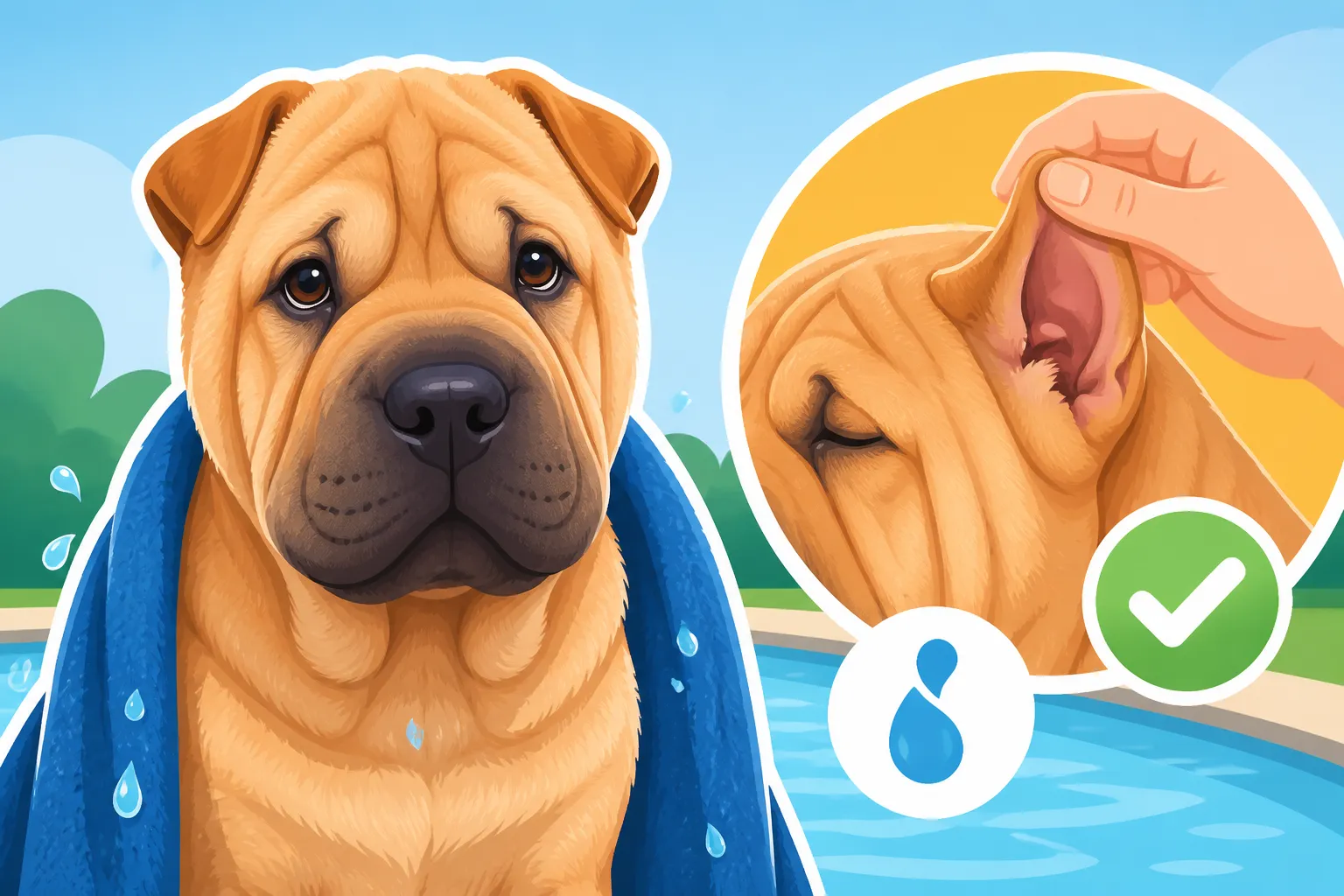
When your Shar Pei enjoys a swim – whether it's in a lake, the ocean, or even a backyard kiddie pool – water inevitably finds its way into those already constricted ear canals. This isn't just a little surface dampness; it's water that can sit deep within the ear, clinging to the hairs and skin lining the canal.
Now, add the warmth of your dog's body temperature, and you have the ideal breeding ground. Bacteria and yeast absolutely thrive in dark, warm, moist environments that lack good ventilation. What starts as a fun splash quickly becomes an incubator for unwelcome guests. This combination makes post-swimming ear care not just a good idea, but an absolute necessity to prevent painful and persistent infections. It's a sad reality that How Often a Shar Pei Gets an Ear Infection is a frequent topic of conversation among owners.
Immediate Post-Swimming Ear Care Protocol
Okay, so your Shar Pei just had the time of their life splashing around. The joy on their face is priceless, but now it's time to get down to business with those ears. Immediate and thorough care is your best defense against an impending infection. This isn't a "maybe if I have time" step; it's a "must do" for their health and comfort.
Gentle Drying: More Than Just a Quick Wipe
The very first thing you need to do, and I mean immediately after they come out of the water, is to dry their ears as thoroughly as possible. But here’s the kicker: you need to be gentle and thoughtful about it. Grabbing a towel and just rubbing the outside of the ear won't cut it. That might even push water further into the canal.
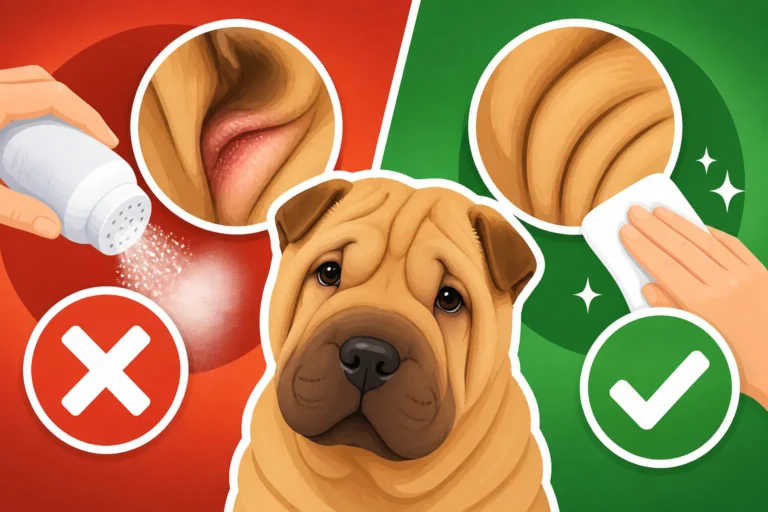
Instead, use a soft, absorbent cotton ball or a piece of clean gauze. Gently blot the outer ear flap and as far down into the visible part of the ear canal as you can reach without forcing it. The goal is to absorb excess surface water. Never use cotton swabs (Q-tips) inside the ear canal. I know it's tempting to think you're getting in there, but you're far more likely to push debris or water deeper, compact earwax, or even damage the delicate eardrum. It's crucial to understand that their ear canal isn't a straight shot, so any pushing is just asking for trouble. Whether a Shar Pei's Ears Should Be Dried After Bathing emphasizes this critical step, and it applies even more so after a full swim.
The Role of Ear Drying Solutions
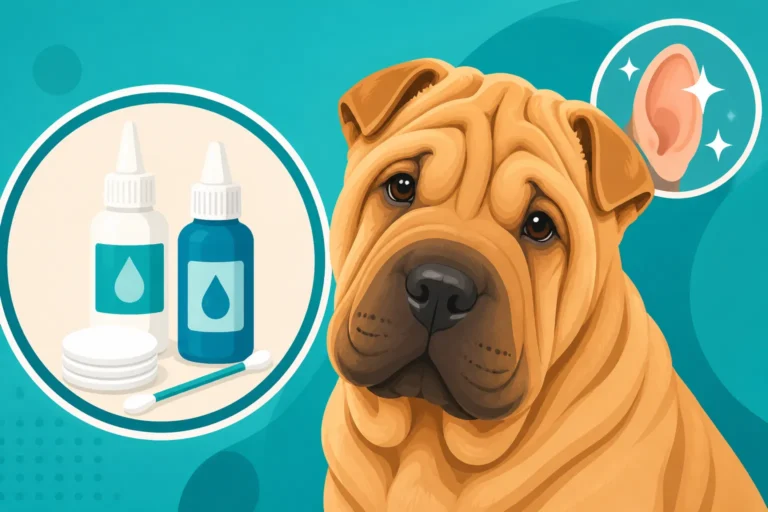
Beyond physical drying, a good ear drying solution is your best friend. These solutions are formulated to help evaporate residual moisture and often contain ingredients that create an acidic environment, which is less hospitable for bacteria and yeast. You can find excellent drying solutions specifically for dogs at pet stores or online retailers like Chewy or Amazon. Look for products that are alcohol-free to avoid irritation, especially if your dog's ears are already sensitive.
To apply, gently lift your Shar Pei's ear flap and squeeze the recommended amount of solution directly into the ear canal. You don't need to be shy; you want to flood the canal. Then, gently massage the base of their ear for about 20-30 seconds. You should hear a squishing sound as the liquid moves around. This helps break up debris and distribute the solution. Finally, let your dog shake their head vigorously – this is actually part of the process, as it helps dislodge the solution and any loosened gunk. Wipe away any expelled fluid or debris with a clean cotton ball. If you're unsure which product to use, talk to your vet. They can recommend a specific brand or type, or even prescribe a solution if your Shar Pei has a history of severe infections. Knowing What to Clean a Shar Pei's Ears With is key.
Recognizing Trouble and Seeking Help
Even with the best post-swim care, Shar Pei ears are notoriously tricky, and sometimes, despite your vigilance, an infection can still brew. Being able to spot the early signs is paramount to getting prompt treatment and preventing a minor issue from escalating into something chronic and debilitating.
Early Warning Signs of an Ear Infection
Your Shar Pei can't tell you in words that their ear hurts, so you need to become an expert in reading their body language and observing subtle changes. Here are some of the classic signs that an ear infection might be brewing:
- Head Shaking: This is often the first and most obvious sign. They might shake their head frequently, sometimes violently, as if trying to dislodge something.
- Ear Scratching: Constant or excessive scratching at one or both ears with a back paw.
- Odor: A distinct, often foul or yeasty smell emanating from the ear. Healthy ears should not have a strong odor.
- Redness and Swelling: When you gently lift the ear flap, you might notice redness inside the ear canal or swelling of the ear flap itself.
- Discharge: Any brown, yellow, or black discharge, especially if it's waxy or pus-like, is a huge red flag.
- Pain or Sensitivity: Your dog might flinch, cry out, or become defensive when you try to touch their ear. They might avoid having their head petted.
- Tilting Head: Holding their head consistently tilted to one side, usually the affected side.
- Rubbing Ears on Furniture: Dragging their head along the carpet or furniture in an attempt to relieve the itch.
- Changes in Behavior: Lethargy, loss of appetite, or general irritability can also sometimes accompany a painful ear infection.
These symptoms, especially if they appear after swimming, should prompt immediate concern. Don't wait to see if it "gets better on its own." For a comprehensive list of what to look for, check out Signs a Shar Pei's Ear Is Infected.
When Home Care Isn't Enough: Professional Intervention
If you notice any of the signs above, it's time to call your veterinarian. Attempting to treat an active infection at home with over-the-counter remedies is usually ineffective and can delay proper treatment, potentially worsening the condition. Your vet will perform an otoscopic exam to look deep into the ear canal, check for foreign bodies, assess the severity of the infection, and ensure the eardrum is intact. They might also take a swab of the discharge to analyze under a microscope (cytology) to identify whether it's yeast, bacteria, or a combination, and sometimes even perform a culture and sensitivity test to determine the most effective antibiotic.
Treatment typically involves prescription ear drops or ointments, which may contain antibiotics, antifungals, and anti-inflammatories. It's crucial to follow the veterinarian's instructions precisely, completing the full course of medication even if the ear appears to improve quickly. Stopping early can lead to a resurgence of the infection. For Shar Pei, chronic ear infections are unfortunately common. In severe, recurrent cases where the ear canal is constantly inflamed and scarred, your vet might even discuss surgical options like a Total Ear Canal Ablation (TECA), which you can learn more about in What a Total Ear Canal Ablation Means for a Shar Pei. This is a last resort, but it highlights the severity some Shar Pei face with their ears.
Proactive Measures and Long-Term Ear Health
While immediate post-swim care is reactive, a truly effective strategy for your Shar Pei's ear health involves proactive measures and consistent long-term habits. You want to set them up for success, not just react to problems as they arise.
Smart Swimming Practices and Alternatives
Not all water exposure is created equal, and for a Shar Pei, sometimes limiting swimming or opting for safer alternatives is the kindest choice. If your dog absolutely loves to swim, consider these tips:
- Supervised, Short Dips: Keep swimming sessions brief. The less time water has to penetrate and sit in those canals, the better.
- Controlled Environments: A clean pool with known water quality might be less risky than a murky pond or lake, which can harbor more bacteria and irritants.
- Ear Protection: Some owners use soft ear plugs specifically designed for dogs, though getting a Shar Pei to tolerate these can be a challenge! However, if you can train them to accept it, it's a great barrier.
- Life Vest: Always use a well-fitting life vest, especially in open water, to ensure their safety while they are enjoying themselves. Safety first!
- Alternative Cooling: If swimming is primarily for cooling off, consider other options like cooling mats, sprinklers for shallow play, or simply indoor air conditioning. This way, your Shar Pei can stay comfortable without the significant ear risk. Thinking about Whether a Shar Pei Should Swim might lead you to explore these safer alternatives more often.
Consistent Preventive Care Beyond the Water
The battle for healthy Shar Pei ears isn't just fought after a swim; it's an ongoing campaign. Even if your dog never goes near water, their ear anatomy still makes them susceptible to issues. Establishing a regular ear care routine is vital.
- Weekly Checks: Make it a habit to visually inspect your Shar Pei's ears weekly. Look inside the ear flap for redness, swelling, or discharge. Take a quick sniff – any unusual odor is a red flag.
- Routine Cleaning: Beyond drying solutions, a gentle ear cleaning solution can be used routinely to keep the ear canal free of wax and debris. Your vet can recommend a suitable product for regular maintenance. Be mindful of How Often a Shar Pei's Ears Need Cleaning, as over-cleaning can sometimes be irritating, but under-cleaning leaves them vulnerable. Many owners find effective, gentle solutions at online pet suppliers like Ollie (which often focuses on subscription-based pet care products) or your local veterinary clinic.
- Professional Grooming: If you use a professional groomer, ensure they are aware of your Shar Pei's ear sensitivities and ask them to perform a thorough but gentle ear cleaning as part of their service.
- Diet and Allergies: Sometimes, recurrent ear infections can be a symptom of underlying allergies, often to food or environmental factors. If your Shar Pei has persistent ear problems, discuss allergy testing or a limited ingredient diet with your vet. Addressing the root cause can dramatically improve ear health. The commitment to managing these chronic issues is why for many, Ear Infections Are a Subscription With a Shar Pei.
By combining immediate post-swim vigilance with a consistent, proactive ear care routine, you can significantly reduce the risk of painful and recurring ear infections for your beloved Shar Pei, allowing them to enjoy their lives with greater comfort.
| Action Item | Immediate Post-Swim | Weekly Routine | When to Consult a Vet |
|---|---|---|---|
| Drying | Gently blot outer ear with cotton ball/gauze. | Not typically needed unless ears are damp. | If ear is persistently wet or discharge is present. |
| Cleaning/Drying Solution | Apply vet-approved drying solution. Massage ear base. | Apply gentle cleaner/drying solution (if recommended by vet). | If signs of infection appear (odor, discharge, redness). |
| Inspection | Check for immediate redness/irritation. | Visually check for redness, odor, discharge, swelling. | If any signs of infection are present or dog shows pain. |
| Behavioral Cues | Observe for immediate discomfort or head shaking. | Note any increased scratching, head tilting, or sensitivity. | Persistent symptoms, pain, or changes in demeanor. |
| Products | Gentle, alcohol-free drying solution (Chewy, Amazon). | Vet-recommended ear cleaner. | Prescription ear drops, oral medication. |
Disclaimer
This article is for general informational purposes only and does not constitute professional advice. Laws, prices and regulations vary by location and change over time. Consult a qualified professional for guidance on your specific situation.