Whether a Shar Pei’s Ear Hair Should Be Plucked
It’s a question many Shar Pei parents grapple with, often late at night after a particularly head-shaky, ear-scratchy episode from their beloved companion: should I pluck the hair from my Shar Pei’s ears? It’s a common practice for many dog breeds, especially those prone to ear infections, but with the Shar Pei’s notoriously unique and delicate anatomy, it’s not as straightforward as it might seem. This guide will walk you through the nuances of Shar Pei ear care, helping you understand the risks and benefits, and ultimately, how to best maintain your wrinkly friend’s ear health without causing more harm than good.
Understanding the Shar Pei's Unique Ear Anatomy
Before we even begin to talk about plucking, it’s absolutely essential to grasp why a Shar Pei’s ears are such a special concern. These aren't just any dog ears; they come with a distinct set of characteristics that predispose them to trouble.
Why Their Ear Canals Are So Narrow
If you've ever tried to peek into your Shar Pei's ears, you know it's often a challenge to see much at all. Their ear canals are incredibly narrow, sometimes almost like tiny slits, rather than the more open, funnel-like structure you see in many other breeds. This isn't just a minor cosmetic difference; it's a major anatomical factor in their predisposition to ear problems.
Imagine trying to ventilate a long, winding tunnel with only a tiny opening at one end. That's essentially what's happening inside your Shar Pei's ear. This narrowness severely restricts airflow, creating a warm, moist, and dark environment that is absolutely ideal for bacteria and yeast to flourish. Moisture gets trapped easily, and it takes much longer for any liquid, whether it's from a bath, a swim, or even just humidity in the air, to evaporate. This constant dampness combined with poor ventilation is a recipe for chronic ear infections. It's a frustrating reality that no amount of wishful thinking can change, and it means we as their guardians have to be extra vigilant and proactive. We've talked extensively about Why a Shar Pei's Ear Canal Is So Narrow and it really highlights the uphill battle we often face.
The Natural Purpose of Ear Hair and Why it's Different for Shar Pei
In most dog breeds, the hair inside the ear canal serves a protective function. It acts as a natural barrier, catching dust, debris, and even tiny insects, preventing them from traveling deeper into the ear and potentially damaging the eardrum. It’s part of the body’s ingenious self-cleaning mechanism, working alongside ear wax to trap and expel foreign invaders.
However, for a Shar Pei, this natural defense can, paradoxically, become part of the problem. While in an open, well-ventilated ear, a bit of hair isn't an issue, in the Shar Pei's severely narrow canal, it can become a major obstruction. The hair can trap wax, debris, and moisture, essentially creating microscopic dams within the already constricted passageway. This further exacerbates the poor airflow and humidity issues, making it even harder for the ear to stay dry and healthy. Instead of protecting, the hair can inadvertently contribute to a build-up that encourages the very infections it's meant to prevent. This is why the question of ear hair plucking becomes so pertinent for Shar Pei owners – what's good for the goose isn't always good for the Shar Pei.
The Pros and Cons of Plucking Shar Pei Ear Hair
Given the unique challenges of a Shar Pei's ears, the idea of plucking hair from the canal often comes up. It seems logical, right? Remove the hair, improve airflow, reduce trapped debris. But like most things with this breed, it's rarely simple and comes with its own set of considerations.
Arguments For Plucking (or Trimming)
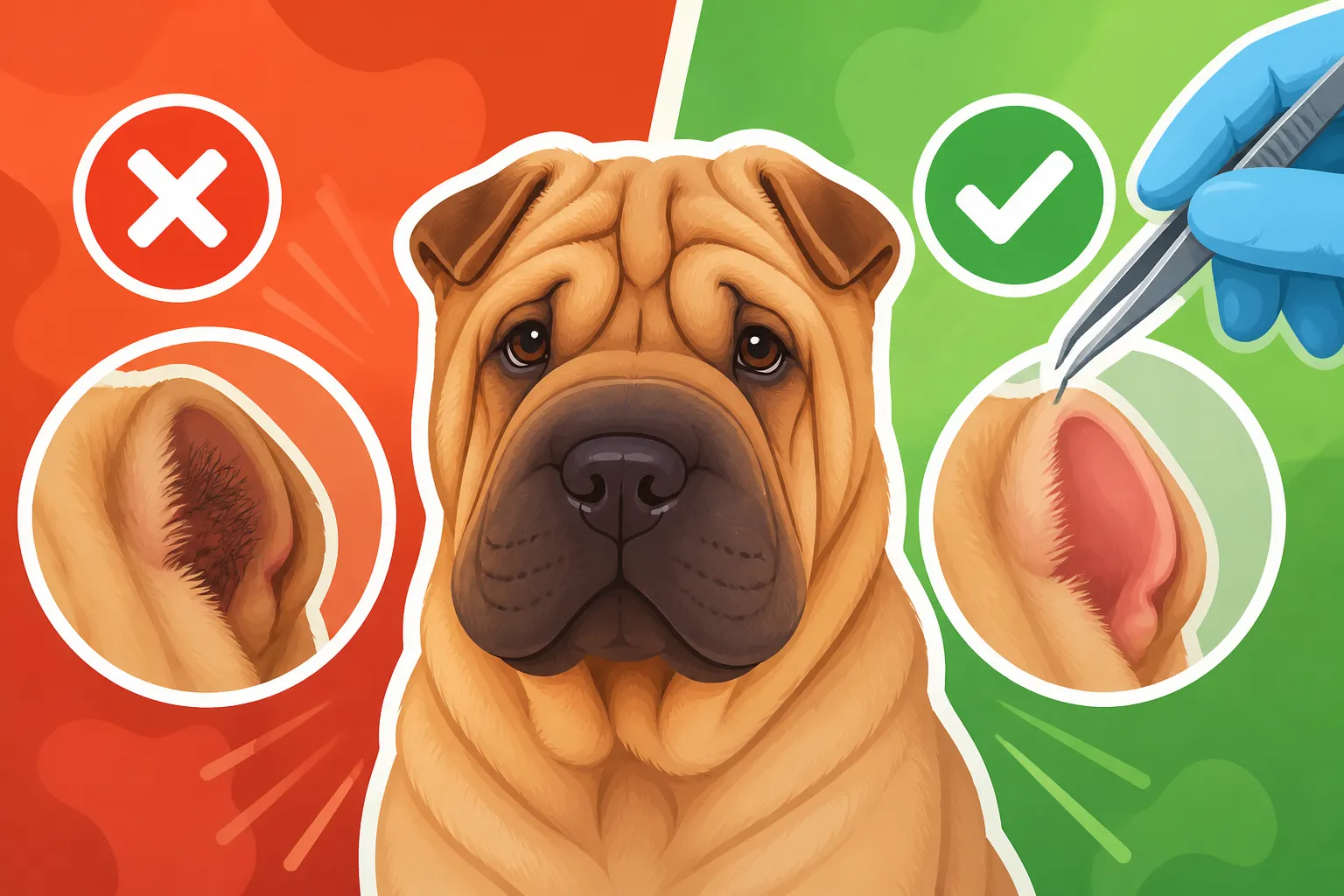
The primary argument for carefully removing ear hair from a Shar Pei's canal revolves around improving the conditions within that tight space. When performed correctly, by a skilled professional, removing excessive hair can offer several potential benefits:
- Improved Airflow and Reduced Moisture: By clearing out the hair that acts as a physical barrier, more air can circulate within the ear canal. This helps the ear dry out more effectively after cleaning, bathing, or exposure to humidity, making it less hospitable for yeast and bacteria that thrive in damp environments.
- Easier Cleaning and Medication Application: With less hair to navigate, ear cleaning solutions and prescribed medications can penetrate more effectively, reaching the deeper parts of the canal where infections often take hold. This makes routine maintenance more efficient and treatment for existing infections more successful.
- Reduced Wax and Debris Buildup: Ear hair can act like a net, trapping cerumen (ear wax), dead skin cells, and environmental debris. Removing it can prevent these accumulations from forming dense plugs that further obstruct the canal and provide a feast for microbes.
- Vet Recommendation for Chronic Issues: In some cases, especially with Shar Pei suffering from recurrent, persistent ear infections, your veterinarian might recommend either plucking or trimming the ear hair. They would typically only suggest this if they believe the hair is a significant contributing factor to the chronic issues and other methods have failed. This decision is usually made after a thorough examination, often involving an otoscope, to assess the specific condition of your dog's ears.
It's crucial to emphasize that if plucking is considered, it should only be done under veterinary guidance or by a professional groomer with extensive experience with Shar Pei. Attempting this at home without proper tools and technique can quickly turn into a painful and damaging experience for your dog.
The Risks and Downsides of Plucking
While the potential benefits sound appealing, the reality of plucking a Shar Pei's ear hair comes with significant risks that cannot be overstated. Their ears are already prone to inflammation, and rough handling can make things much, much worse.
- Pain and Discomfort: Plucking hair from the ear canal is inherently painful if not done with extreme care and precision. The delicate skin within the ear is highly sensitive, and pulling hair can cause significant discomfort, leading to a negative association with ear handling for your dog.
- Inflammation and Micro-Trauma: Each hair follicle is connected to nerves and blood vessels. When hair is plucked, it can cause micro-trauma to the skin lining the ear canal. This trauma triggers an inflammatory response, leading to redness, swelling, and itchiness – conditions that ironically can increase the likelihood of infection rather than prevent it. You're creating an irritated, open pathway for bacteria to enter.
- Increased Risk of Infection: The inflammation and microscopic wounds created by plucking can actually make the ear more susceptible to bacterial and yeast infections. The protective skin barrier is compromised, and the body's natural defenses might be overwhelmed. It's a catch-22: you're trying to prevent infection but could inadvertently cause one.
- Stimulating More Hair Growth (Debated): Some veterinary professionals believe that repeated plucking can actually stimulate the hair follicles to grow back thicker and coarser, perpetuating the problem rather than solving it. While this isn't universally agreed upon, it's a concern worth noting.
- Scar Tissue and Further Narrowing: Chronic inflammation and trauma can lead to the formation of scar tissue within the ear canal. This scar tissue can further narrow the already constricted ear canal, making it even more challenging to clean and ventilate, and potentially leading to permanent damage, even requiring surgery down the line. We sometimes see this related to When a Shar Pei's Ear Canal Closes Over.
Given these substantial risks, many vets and experienced Shar Pei owners err on the side of caution. The potential harm often outweighs the theoretical benefits, especially if the plucking is not absolutely necessary and meticulously performed.
When Plucking is Definitely Not Recommended
There are specific situations where plucking your Shar Pei's ear hair is absolutely, unequivocally off the table. Attempting to pluck in these circumstances could cause severe pain, worsen an existing condition, or even lead to permanent damage.
- Active Ear Infections: If your Shar Pei is showing any signs of an ear infection – redness, swelling, discharge, a foul odor, constant scratching, or head shaking – do not attempt to pluck their ear hair. The ear is already inflamed and painful. Plucking will only intensify the pain, exacerbate the inflammation, and potentially spread the infection deeper into the ear canal or introduce new bacteria to compromised tissues. Your first step should always be a visit to the vet for diagnosis and treatment.
- Inflamed or Raw Skin: Even without a full-blown infection, if the skin inside your Shar Pei's ear canal appears red, irritated, or raw, leave it alone. This indicates existing inflammation or sensitivity. Plucking will tear at this already compromised skin, causing immense pain and creating open wounds that are highly vulnerable to infection.
- Extreme Sensitivity or Pain Response: If your Shar Pei reacts negatively, with yelps, growls, or attempts to bite, when you merely touch their ears, it's a clear sign they are experiencing pain or extreme sensitivity. Forcing the issue by plucking will only traumatize your dog, making future ear care nearly impossible without sedation, and could even lead to aggression.
- Uncertainty About Technique: If you are not 100% confident in the correct technique for ear hair removal, or if you don't have the appropriate specialized tools, do not attempt it. Plucking without knowing what you're doing is a recipe for disaster. It's not just about pulling hair; it's about identifying which hair needs to go, using proper ear powder (if any), and pulling in a way that minimizes trauma. This is a job for a professional.
When in doubt, always consult your veterinarian. They can properly assess the condition of your Shar Pei's ears and advise on the safest and most effective course of action. Sometimes, simple, consistent cleaning is far more beneficial than aggressive hair removal.
Alternatives to Plucking and Best Practices for Ear Health
Given the delicate nature of Shar Pei ears and the risks associated with plucking, many owners and veterinarians focus on preventative care and alternative strategies to maintain ear health. These methods are generally safer, less invasive, and often more effective in the long run.
Regular Cleaning: The Cornerstone of Shar Pei Ear Care
Consistent, gentle ear cleaning is arguably the single most important thing you can do for your Shar Pei's ears. It helps remove wax, debris, and excess moisture, disrupting the perfect breeding ground for infections. This isn't a "sometimes" thing; it needs to be part of your regular routine.
- Frequency is Key: How often you clean will depend on your individual Shar Pei. Some might need it weekly, especially if they're prone to issues or if you live in a humid climate. Others might only need it every two to three weeks. Your vet can help you establish a good schedule. Remember, How Often a Shar Pei's Ears Need Cleaning is a question best answered with your vet's input based on your specific dog.
- Choose the Right Cleaner: Opt for a veterinary-approved ear cleaner that is gentle, non-irritating, and designed to dry quickly. Avoid alcohol-based cleaners, which can be harsh and drying, and certainly don't use hydrogen peroxide, which can damage delicate ear tissues. Your vet can recommend a specific brand, but many good options are available through reputable pet supply retailers like Chewy or Amazon. Look for ingredients like salicylic acid or lactic acid for gentle exfoliation and drying agents.
- The Cleaning Process (Step-by-Step):
- Gather Supplies: Have your ear cleaner, cotton balls (never cotton swabs!), and plenty of treats ready.
- Position Your Dog: Have your Shar Pei sit or lie down in a comfortable position. A calm environment is crucial.
- Apply Cleaner: Gently lift the ear flap. Squirt a generous amount of ear cleaner directly into the ear canal until it's full. Don't be shy; you need enough to flush things out.
- Massage the Base: Gently massage the base of the ear (where it joins the head) for about 20-30 seconds. You should hear a squishing sound. This helps break up wax and debris.
- Allow Shaking: Stand back and let your Shar Pei shake their head vigorously. This helps bring dissolved debris and excess cleaner to the surface.
- Wipe Clean: Use a soft cotton ball or gauze wrapped around your finger to gently wipe out any visible dirt, wax, and cleaner from the outer ear canal and ear flap. Never insert cotton swabs (Q-tips) into the ear canal, as this can push debris deeper, damage the eardrum, or cause trauma.
- Reward: Always end with praise and a high-value treat to make ear cleaning a positive experience.
Consistency and gentleness are far more valuable than aggressive, infrequent cleaning.
Professional Examination and Maintenance
Even with the most diligent home care, professional oversight is invaluable for a Shar Pei's ear health. Their unique anatomy means issues can escalate quickly and silently.
- Regular Vet Check-ups: During routine veterinary appointments, your vet will perform an otoscopic examination of your Shar Pei's ears. This allows them to visualize the ear canal and eardrum, assess for inflammation, infections, or excessive hair growth, and identify problems before they become severe. Early detection is crucial with Shar Pei ears. They can also use specialized tools to remove any deeper wax plugs or debris that you can't reach at home.
- Sedation for Deep Cleaning or Examination: Sometimes, if a Shar Pei has particularly painful or severely infected ears, or if they are simply too resistant to allow a thorough examination, your vet might recommend sedation. This allows for a complete, stress-free examination and a deep, thorough cleaning without causing pain or distress to your dog. It can be a necessary step to get ahead of chronic issues. Whether a Shar Pei Needs Sedation for an Ear Exam is a really important consideration.
- Referral to a Veterinary Dermatologist: For chronic, recurrent, or unusually severe ear problems, your general practice vet might recommend a referral to a veterinary dermatologist. These specialists have advanced training and equipment to diagnose and treat complex ear conditions, including chronic infections, allergies contributing to ear issues, and even performing video otoscopy to get a much clearer view of the deep ear canal. They can offer specialized treatments and long-term management plans tailored to your Shar Pei's specific needs.
Don't hesitate to seek professional help. Your vet is your best partner in navigating the challenges of Shar Pei ear care.
Managing Moisture and Humidity
Moisture is the enemy of the Shar Pei ear. Managing it effectively is a key component of preventing infections.
- Thorough Drying is Non-Negotiable: After every bath, swim, or even a walk in the rain, you must thoroughly dry your Shar Pei's ears. Use a soft towel to gently blot and wipe the outer ear, and then use cotton balls to carefully absorb any remaining moisture from the accessible parts of the ear canal. A hair dryer on a low, cool setting can be used, held at a safe distance and never pointed directly into the ear. Whether a Shar Pei's Ears Should Be Dried After Bathing is not just a good idea, it's essential.
- Post-Swim Precautions: If your Shar Pei enjoys swimming (some do, despite their ears!), consider using an ear drying solution after they get out of the water. These solutions typically contain ingredients that help evaporate moisture quickly and can be found at pet stores or online retailers like Chewy. Always check with your vet before introducing new products.
- Environmental Factors: If you live in a very humid climate, consider using a dehumidifier in the areas where your Shar Pei spends most of their time. This can help reduce the overall moisture in the air, which can indirectly benefit their ear health by reducing the dampness inside the ear canals. Pay attention to how your Shar Pei’s ears react to different seasons; some dogs will have more issues in spring and summer when humidity is higher.
Being proactive about moisture control can significantly reduce the frequency and severity of ear infections in your Shar Pei.
Recognizing When Your Shar Pei Has an Ear Problem
Despite your best efforts, Shar Pei ears are notoriously prone to issues. Being able to quickly identify the signs of a problem is crucial for prompt treatment and preventing minor irritations from escalating into severe, chronic conditions.
Common Signs of Ear Infection
Your Shar Pei can't tell you their ears hurt, so it's up to you to be observant. Look out for any of these indicators that suggest an ear infection or irritation is brewing:
- Head Shaking and Tilting: This is often one of the first and most obvious signs. Your dog will repeatedly shake their head, sometimes violently, as if trying to dislodge something. They might also tilt their head to one side, favoring the affected ear. While a single shake might be nothing, persistent or repeated head shaking is a red flag. Whether a Shar Pei's Head Shaking Means Infection is a common question, and often, it is.
- Excessive Scratching: You'll notice your Shar Pei constantly pawing at their ears or rubbing them along the carpet, furniture, or against your legs. The scratching can be intense and persistent, sometimes even breaking the skin around the ear.
- Redness and Swelling: Gently lift your Shar Pei's ear flap and inspect the visible parts of the ear canal and pinna (the outer ear). If it looks red, inflamed, or noticeably swollen compared to the other ear (if only one is affected), it's a sign of irritation or infection.
- Unpleasant Odor: A healthy ear should have a neutral, slightly waxy smell. If you detect a strong, yeasty, or foul odor emanating from the ear, it's a classic sign of bacterial or yeast overgrowth. Trust your nose on this one!
- Discharge: Look for any discharge from the ear canal. It can vary in color and consistency:
- Brown, waxy, or coffee ground-like discharge: Often indicative of yeast infections or ear mites (less common in adult Shar Pei, but possible).
- Yellow, green, or pus-like discharge: A strong indicator of a bacterial infection.
- Black discharge: Can be yeast or mites.
- Pain or Sensitivity: Your Shar Pei might yelp, flinch, or resist when you try to touch or examine their ears. They might pull away or even snap if the pain is severe.
- Changes in Behavior: Some dogs become more withdrawn, lethargic, or even irritable when they're in pain from an ear infection. You might also notice a loss of appetite.
Any combination of these signs warrants a trip to the vet. Don't try to self-diagnose or treat with home remedies, as you could delay proper treatment and worsen the condition.
The Importance of Early Intervention
With Shar Pei ears, procrastination is truly your enemy. A seemingly minor irritation can quickly snowball into a major, painful, and costly problem due to their unique anatomy.
- Preventing Escalation: What starts as a mild yeast overgrowth can rapidly turn into a full-blown bacterial infection if left untreated. The warm, moist environment of a Shar Pei's ear canal provides an express lane for microbial proliferation. Early intervention with appropriate medication can nip these problems in the bud, saving your dog from prolonged discomfort and you from higher vet bills.
- Avoiding Chronic Issues: Untreated or poorly managed ear infections in Shar Pei often become chronic. These persistent infections can lead to permanent changes in the ear canal, such as thickening of the skin, calcification, and scarring, which further narrow the canal and make it even harder to treat. This can lead to a vicious cycle of recurring infections that are increasingly difficult to control.
- Preventing Permanent Damage: In severe, chronic cases, the ear canal can actually close over, a condition known as otitis externa with stenosis, making it impossible to clean or medicate effectively. This is where you might hear about drastic measures like What a Total Ear Canal Ablation Means for a Shar Pei, a surgical procedure to remove the entire ear canal – a last resort that is invasive, expensive, and results in permanent hearing loss in that ear. This is absolutely something we want to avoid.
- Maintaining Quality of Life: Persistent ear pain and itching are miserable. Your Shar Pei deserves to live comfortably, free from the constant irritation of an untreated ear infection. Prompt treatment ensures their well-being and improves their overall quality of life.
When you notice any of the signs of an ear problem, don't wait. Pick up the phone and call your veterinarian. They can properly diagnose the issue, prescribe the correct medication (which might be ear drops, oral antibiotics, or anti-inflammatories), and provide specific guidance tailored to your Shar Pei's condition. Getting ahead of ear issues is a commitment, but it’s one that truly pays off for your loyal, wrinkly friend.
Disclaimer
This article is for general informational purposes only and does not constitute professional advice. Laws, prices and regulations vary by location and change over time. Consult a qualified professional for guidance on your specific situation.