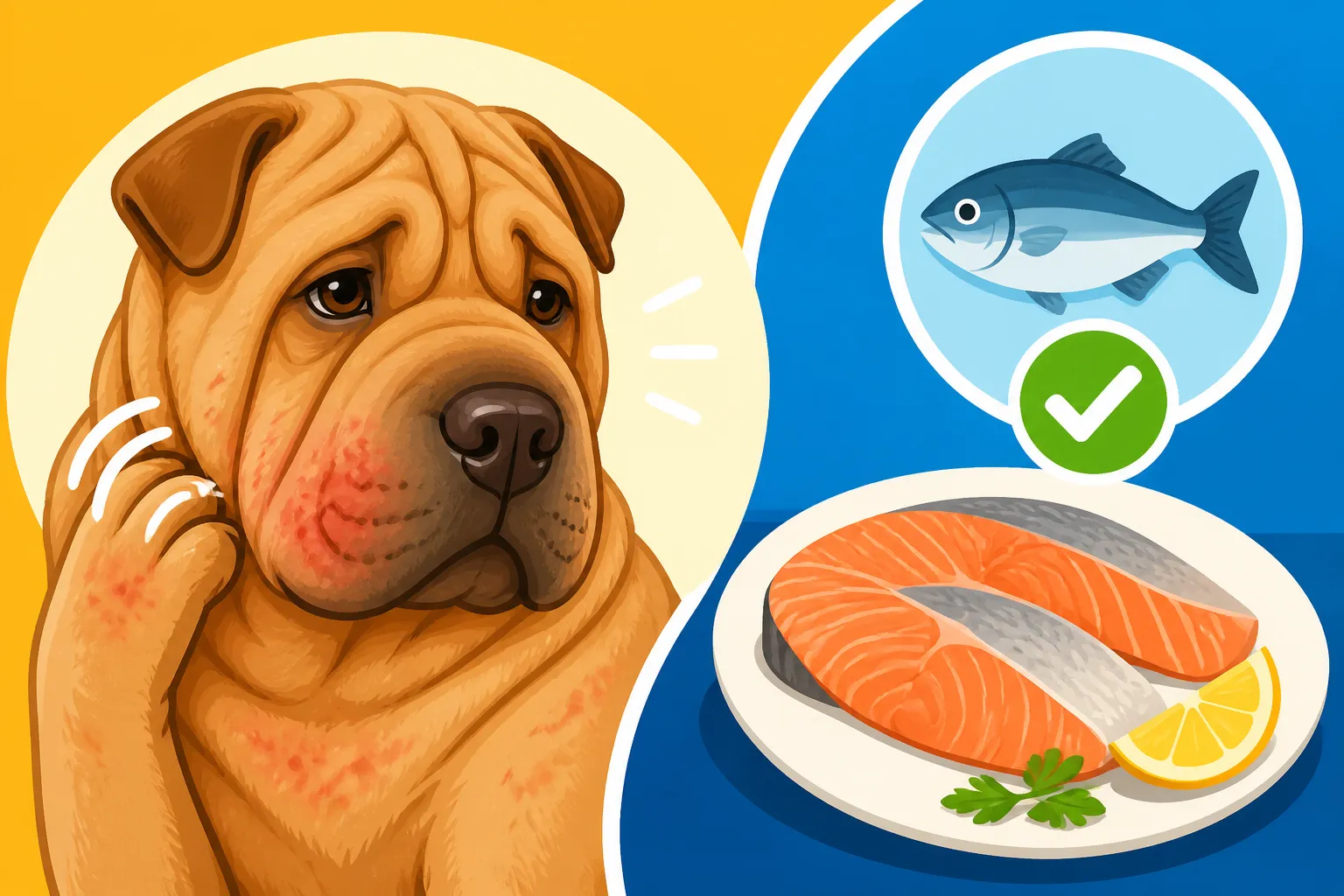
Whether Fish Suits a Shar Pei With Allergies
It's incredibly frustrating when your beloved Shar Pei is constantly scratching, licking, or dealing with recurring ear infections and skin issues. You've tried everything, from special shampoos to different treats, and sometimes it feels like you're just throwing money at a problem without truly understanding its root cause. This guide is here to walk you through whether fish-based diets could be a helpful part of managing your Shar Pei's allergies and what to consider along the way.
The Frustration of Shar Pei Allergies: Understanding the Root of the Itch
Owning a Shar Pei often means becoming intimately familiar with their unique health challenges, and allergies are right up there at the top of the list for many of us. You might notice your dog constantly pawing at their ears, developing red, inflamed patches on their skin, or even chewing at their feet until they're raw. It’s heartbreaking to see them so uncomfortable, and the detective work involved in figuring out the culprit can feel like a full-time job. We know that Skin Is the Shar Pei's Largest Problem by Surface Area, and allergies often play a huge role in that.
These symptoms aren't just cosmetic; they significantly impact your Shar Pei's quality of life. Chronic itching can lead to secondary bacterial or yeast infections, making the problem even worse and requiring antibiotics or antifungals. This cycle of irritation, infection, and treatment can be incredibly draining on both you and your dog, and it certainly adds up financially. You just want them to be comfortable in their own skin, literally.
For Shar Pei, allergies can manifest in a few ways. Environmental allergies, often called atopy, are common, where dogs react to things like pollen, dust mites, or mold. Then there are flea allergies, which are usually easier to pinpoint and manage with consistent parasite prevention. But a big one that often gets overlooked, or is the last resort when everything else fails, is food allergies. This is where the diet you feed day in and day out could be the underlying issue, contributing to their persistent discomfort.
Pinpointing a food allergy in a Shar Pei is notoriously difficult because the symptoms can mimic other conditions. It's not always an immediate, dramatic reaction like hives; more often, it's chronic skin inflammation, recurrent ear infections, or even gastrointestinal upset like diarrhea or vomiting. This ambiguity is why many owners find themselves on a long, winding journey with their vet, trying various treatments before finally landing on diet as a potential cause.
Navigating Dietary Solutions: Why Novel Proteins and Elimination Diets Are Key
When your vet suspects a food allergy, the gold standard for diagnosis and management is almost always an elimination diet. This isn't just about switching brands; it's a very specific, often challenging process that requires strict adherence. You're essentially stripping back your dog's diet to a single, previously unencountered protein source and a single carbohydrate source, then carefully reintroducing foods one by one to see what triggers a reaction.
The goal of an elimination diet is to remove all potential allergens from your Shar Pei's diet for a period, typically 8-12 weeks, and then monitor for symptom improvement. If symptoms clear up, it strongly suggests a food allergy. Then comes the tricky part: reintroducing old foods. If their itching or ear issues return after introducing chicken, for instance, you've found a likely culprit. This process requires incredible patience and dedication, as even a small treat or crumb from the floor can set you back. You might find our article Whether a Shar Pei Needs an Elimination Diet helpful for more details on this process.
Many common dog food ingredients like chicken, beef, dairy, wheat, and soy are frequent allergens because dogs are exposed to them so often throughout their lives. This is where the concept of a "novel protein" comes in. A novel protein is simply a protein source that your dog has rarely, if ever, eaten before. Think less common meats like duck, venison, rabbit, or, yes, fish. The idea is that if your dog hasn't been exposed to it, they haven't had the chance to develop an allergic reaction to it.
Another approach to managing food allergies is through hydrolyzed protein diets. These are specialized veterinary diets where the protein has been broken down into tiny molecular fragments. The idea is that these fragments are so small that the dog's immune system doesn't recognize them as allergens, thus avoiding a reaction. These diets are often prescribed by vets and can be a good option if finding a truly novel protein is difficult or if the elimination diet hasn't yielded clear results. However, they can be a significant investment, as you'll find when exploring What a Hypoallergenic Diet Costs for a Shar Pei.
Fish as a Dietary Staple: Benefits, Risks, and Specific Types for Allergic Shar Pei
So, where does fish fit into all of this for your allergic Shar Pei? For many, it's a shining beacon of hope when traditional protein sources have failed. Fish offers a unique nutritional profile that can be incredibly beneficial for dogs, especially those struggling with sensitive skin or allergies.
The Upsides of Fish for Allergic Shar Pei
Firstly, fish can act as an excellent novel protein source. While it's becoming more common in commercial dog foods, it's still less ubiquitous than chicken or beef, meaning many Shar Pei haven't had significant exposure to it. If your dog has been eating chicken or beef for years and now shows allergy symptoms, switching to a fish-based diet could provide that much-needed relief by eliminating the familiar allergens. This makes it a strong candidate for an elimination diet trial.
Beyond being a novel protein, fish is a powerhouse of beneficial nutrients. It's particularly rich in omega-3 fatty acids, like EPA and DHA. These essential fatty acids are renowned for their anti-inflammatory properties. For a Shar Pei with irritated, itchy skin, these can be a game-changer, helping to reduce inflammation, improve coat health, and potentially soothe that incessant scratching. We often discuss Whether a Shar Pei Needs Fish Oil for Its Skin as a supplement, but a fish-rich diet can provide it directly.
Fish is also generally considered highly digestible. This means your Shar Pei's digestive system can break it down efficiently, potentially leading to better nutrient absorption and less gastrointestinal upset, which can sometimes accompany food allergies. Ingredients like whitefish or salmon are often found in limited ingredient diets specifically formulated for sensitive dogs, available on platforms like Chewy or Amazon.
Potential Downsides and Considerations
However, fish isn't a magic bullet, and it's important to approach it with a realistic perspective. Just like any other food, a Shar Pei can develop an allergy to fish itself. It's less common than allergies to chicken or beef, but it absolutely can happen. If you switch to a fish-based diet and your Shar Pei's symptoms don't improve, or even worsen, then fish might unfortunately be another allergen for them. This is why strict adherence to an elimination diet, under veterinary guidance, is crucial.
Another consideration, though less about allergy and more about general health, involves heavy metals in some fish. Larger, longer-lived fish tend to accumulate more heavy metals like mercury. For this reason, many commercial dog foods formulated with fish tend to use smaller fish like salmon, cod, or sardines, which generally have lower levels. Always research the brand and the source of their fish.
Finally, while fish is highly nutritious, balance is key. A complete and balanced dog food ensures your Shar Pei gets all the necessary vitamins, minerals, and other nutrients. Simply feeding raw fish chunks might not provide this balance in the long run. Look for reputable brands that use fish as the primary protein and are formulated to meet AAFCO nutritional guidelines for all life stages.
Different Fish Types and Their Allergy Potential
Different types of fish offer varying nutritional benefits and allergenicity.
- Salmon: A very popular choice for dogs with allergies due to its high omega-3 content and often good digestibility. It's widely available in limited ingredient diets.
- Cod/Whitefish: These are lean protein sources, also typically easy to digest. They are often used in prescription hydrolyzed diets as well, indicating their low allergenic potential.
- Sardines/Mackerel: Smaller, oily fish, excellent sources of omega-3s. They are often included in fish oil supplements or as whole, dried treats. Because they are smaller, they tend to have lower heavy metal accumulation.
- Tuna: While edible, tuna is a larger fish and can have higher mercury levels. It's generally less common as a primary protein in high-quality dog foods specifically designed for long-term feeding to sensitive dogs.
Here's a quick look at common fish types and their considerations for a Shar Pei with allergies:
| Fish Type | Common Use in Dog Food | Omega-3 Content | Allergenic Potential (General) | Notes for Shar Pei Owners |
|---|---|---|---|---|
| Salmon | High | High | Low to Moderate | Excellent for skin health, widely available. |
| Cod/Whitefish | Moderate | Moderate | Low | Lean, easily digestible. Good for sensitive stomachs. |
| Sardines | Supplements/Treats | Very High | Low | Small fish, rich in nutrients, lower heavy metals. |
| Trout | Moderate | Moderate | Low to Moderate | Similar to salmon, often a good alternative. |
| Tuna | Low (as main protein) | Moderate | Moderate | Can be higher in mercury; usually not a long-term primary protein. |
Putting Fish to the Test: Practical Steps and Long-Term Management
If you and your vet decide to try a fish-based diet for your Shar Pei's allergies, there are some practical steps to ensure success and long-term management. Remember, consistency is your most powerful tool. This is especially true when dealing with Food Allergies in a Shar Pei.
Introducing a Fish-Based Diet
The absolute first step is to consult your veterinarian. They can help you design a proper elimination diet, recommend specific fish-based foods, or even prescribe a hydrolyzed fish protein diet if appropriate. They can also rule out other conditions that might mimic allergies. Once you have a plan, choose a high-quality, limited-ingredient dog food that lists fish as its sole protein source, and ideally a single carbohydrate source. Brands like Ollie often offer novel protein options that might fit the bill, though always check their specific ingredient lists.
When you start the diet, introduce it gradually over 7-10 days to avoid upsetting your Shar Pei's stomach. Mix small amounts of the new food with the old, slowly increasing the new and decreasing the old. During the elimination phase, be incredibly vigilant. This means no other food, no treats (unless they are part of the prescribed diet, like a single boiled fish), and no human food scraps. Ensure family members, friends, and even visitors are aware of the strict rules.
Monitor your Shar Pei closely during this period. Keep a detailed log of their symptoms: severity of itching, presence of redness, ear discharge, or any changes in their stool. Look for improvements in their skin and coat, a reduction in scratching, and overall comfort. Significant improvement after several weeks is a strong indicator that the previous diet was contributing to their problems.
Long-Term Management and Beyond
If the fish-based elimination diet proves successful, you'll need to decide on long-term management. This might mean continuing on that specific fish-based, limited-ingredient diet indefinitely. Many dogs thrive on these diets for their entire lives. You may also work with your vet to slowly reintroduce other common proteins, one at a time, to identify precisely what your Shar Pei is allergic to. This targeted approach means you can then select foods that avoid those specific triggers.
Even with a perfect diet, remember that Shar Pei are prone to skin issues. You might still need to address Skin Fold Dermatitis on a Shar Pei with regular cleaning and proper drying, regardless of their diet. Environmental allergies can also coexist with food allergies, so don't rule out other factors if your Shar Pei still shows some mild itching, especially if you notice Whether a Shar Pei's Itching Is Seasonal. Managing a Shar Pei’s allergies is often a multi-faceted approach.
Don't forget the importance of clean water, regular exercise, and maintaining a healthy weight, as these all contribute to your Shar Pei's overall well-being and their ability to cope with any underlying sensitivities. Regular vet check-ups are also crucial to monitor their progress and adjust their care as needed. Remember that managing a Shar Pei's health can be a marathon, not a sprint, and your dedication makes all the difference in their comfort and happiness.
Disclaimer
This article is for general informational purposes only and does not constitute professional advice. Laws, prices and regulations vary by location and change over time. Consult a qualified professional for guidance on your specific situation.


