Whether a Shar Pei’s Itching Is Seasonal
It’s heartbreaking to watch your beloved Shar Pei constantly scratching, licking, and rubbing, especially when it seems to flare up with the changing seasons. You might feel a pang of frustration, wondering if this relentless itching is just part of Shar Pei life, or if there's a pattern, a rhythm to their discomfort that you can anticipate and, hopefully, alleviate. This guide aims to shed light on whether your Shar Pei's itching truly is seasonal and what steps you can take to bring them much-needed relief.
Understanding Seasonal Allergies in Shar Pei
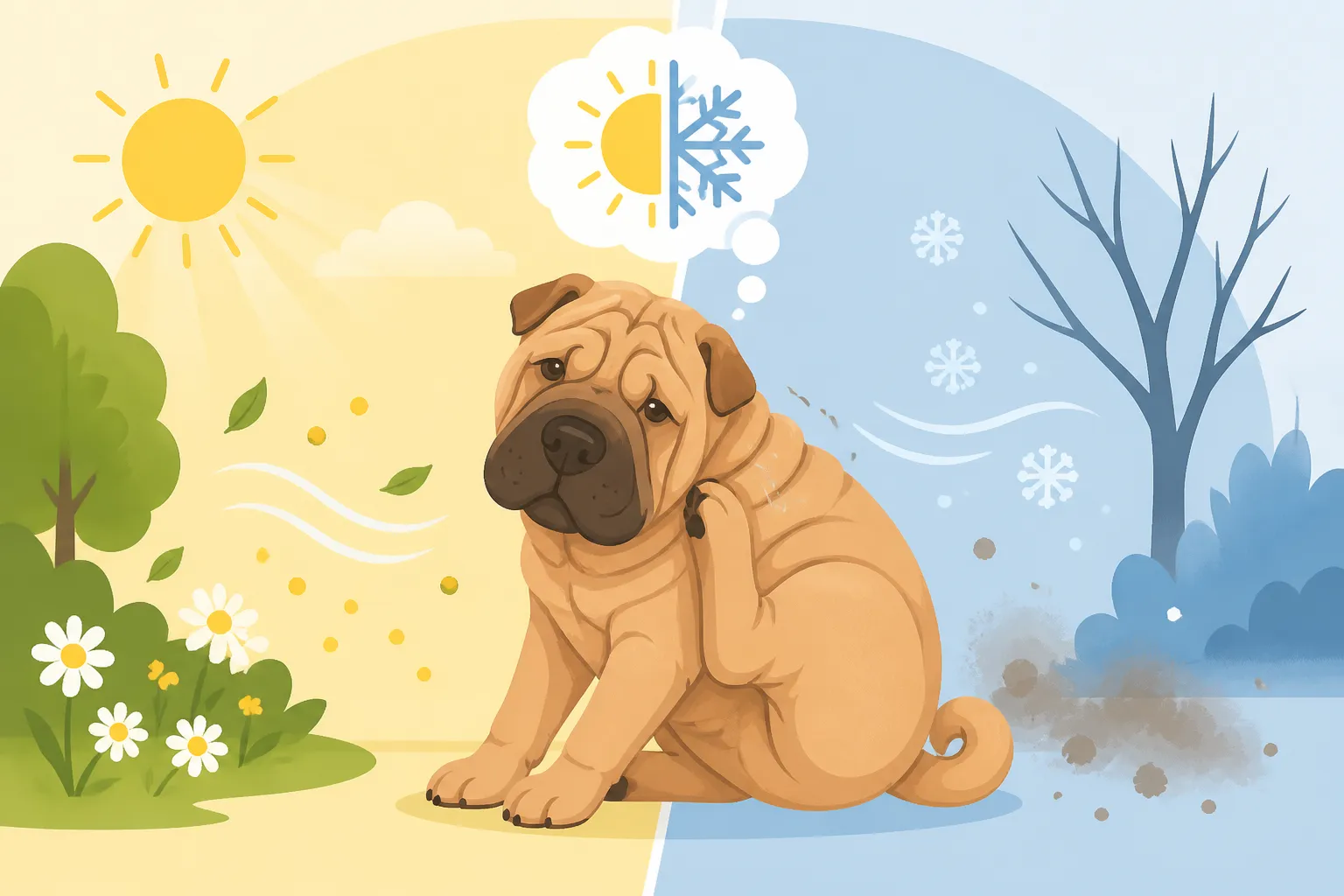
Shar Pei are notorious for their skin issues, and it’s a valid question to ask if their itching ties into specific times of the year. The short answer for many Shar Pei owners is a resounding "yes," seasonal allergies are a very real and often intense problem for our wrinkled companions. Unlike humans who typically sneeze and get watery eyes, dogs, and especially Shar Pei, often manifest their allergies through their skin. This makes seasonal itching a major concern, potentially leading to a host of secondary problems if not managed proactively.
Common Environmental Triggers and Their Cycles
When we talk about seasonal allergies, we're primarily looking at environmental allergens that fluctuate throughout the year. The usual culprits are pollens from trees, grasses, and weeds, as well as molds. Tree pollen tends to dominate in spring, bringing misery to many sensitive dogs as new growth emerges. As spring transitions into summer, grass pollens take over, coating everything in a fine yellowish dust that can irritate paws and skin. Come late summer and fall, weed pollens, like ragweed, become the primary agitators, often extending the allergy season right up until the first hard frost. Even invisible outdoor molds can spike during damp, humid periods, contributing to an overall allergen load.
Beyond these outdoor seasonal triggers, indoor allergens like dust mites and storage mites can also play a role, sometimes year-round, but often appearing worse when dogs spend more time indoors or when humidity levels inside fluctuate. These microscopic pests thrive in soft furnishings and can exacerbate existing sensitivities, making it hard to pinpoint if the discomfort is purely seasonal or has an underlying, persistent component. Keeping track of when your Shar Pei's symptoms appear and disappear can be a crucial first step in understanding their personal allergy calendar.
How a Shar Pei's Unique Skin Reacts to Allergens
The very feature that makes our Shar Pei so distinctive—their abundant, loose skin and deep wrinkles—also makes them particularly susceptible to skin problems, including exaggerated reactions to allergens. This breed has a genetic predisposition to produce excessive mucin, a jelly-like substance that gives them their characteristic wrinkles. While charming, this "cutaneous mucinosis" can also make their skin more reactive and prone to inflammation. When allergens penetrate this already sensitive skin barrier, the immune system can go into overdrive, leading to intense itching, redness, and discomfort.
The deep folds themselves create a warm, moist environment where bacteria and yeast can flourish, turning a simple allergen irritation into a full-blown skin infection very quickly. This means a seasonal flare-up in a Shar Pei isn't just about the initial itch; it's a complicated cascade of events that can rapidly escalate. Understanding Skin Is the Shar Pei's Largest Problem by Surface Area is key to appreciating why their reaction to allergens can be so profound compared to other breeds. The increased surface area, coupled with folds that trap moisture and debris, provides ample opportunity for allergens to linger and for secondary infections to take hold.
Differentiating Seasonal Itch from Year-Round Skin Issues
It's easy to assume all itching is seasonal if it seems to follow a pattern, but for Shar Pei, it's crucial to rule out other common causes of skin irritation that might be year-round or appear seasonal but aren't. Food allergies, for instance, can present with similar symptoms to environmental allergies, often causing persistent itching, skin inflammation, and ear infections. The key difference is that food allergies typically cause symptoms year-round, though they might appear worse when seasonal allergies are also flaring, creating a perfect storm of discomfort. Understanding Food Allergies in a Shar Pei is vital for proper diagnosis.
Parasites, such as fleas and mites (including Demodex, which Shar Pei are also prone to), are another common cause of itching that can sometimes be mistaken for seasonal allergies. Flea infestations can happen any time of year, particularly in warmer climates, and even a single flea bite can trigger an intense allergic reaction in a sensitive dog. Your vet can perform tests to rule out these possibilities, as the treatment strategies for parasites, food allergies, and environmental allergies are distinctly different. A thorough diagnostic process is essential to ensure your Shar Pei receives the most effective and targeted treatment for their specific type of itching.
Recognizing the Signs of Seasonal Itching
Observing your Shar Pei closely during certain times of the year can help confirm if their itching is indeed seasonal. It's not always obvious, as our stoic Shar Pei can sometimes suffer in silence, or their "quirky" behaviors might mask underlying discomfort. Learning to read their subtle cues and understanding where they typically manifest allergic reactions is paramount to intervening early and effectively.
Where Shar Pei Tend to Itch the Most
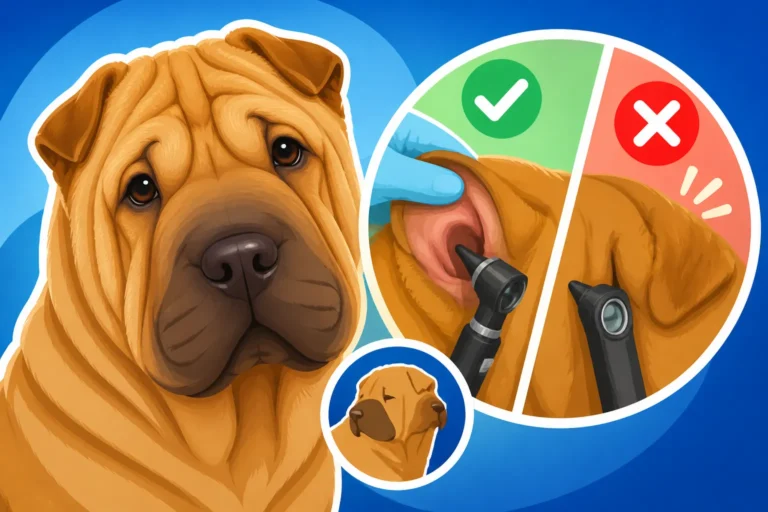
When environmental allergens are at play, Shar Pei often show itching in specific areas. The paws are a prime target; you might notice your dog constantly licking, chewing, or even gnawing at their feet. This self-trauma can lead to redness, inflammation, and secondary yeast or bacterial infections between their toes, which only intensifies the itch. Their ears are another common site of irritation. Due to their narrow ear canals, Shar Pei are already prone to ear infections, and seasonal allergies can trigger or exacerbate these issues. You might see excessive head shaking, scratching at the ears, or notice a foul odor or discharge. A Shar Pei Has the Narrowest Ear Canals of Any Breed, making them uniquely vulnerable to allergy-induced ear problems.
Beyond paws and ears, the deep skin folds on their face, neck, and body are hotspots for irritation. Moisture, debris, and allergens can get trapped in these folds, leading to a condition known as skin fold dermatitis. You might notice redness, a greasy appearance, or a distinct, unpleasant smell emanating from these areas. The armpits, groin, and abdomen are also frequently affected, appearing red and inflamed. It's not uncommon for Shar Pei to rub their faces on furniture or carpets in an attempt to alleviate the itch around their muzzle and eyes. All these localized symptoms point strongly towards environmental allergens being the culprit, particularly if they appear predictably with the seasons.
Behavioral Clues Your Shar Pei Is Uncomfortable
Beyond the visible scratching and licking, a Shar Pei suffering from seasonal itching might exhibit a range of behavioral changes that signal their discomfort. Constant agitation, restlessness, or an inability to settle down are common. They might pace more, seem easily startled, or even become irritable because they're simply not comfortable in their own skin. You may notice them spending excessive amounts of time grooming themselves, going beyond normal hygiene to obsessive licking or chewing. This can be particularly true for their paws, leading to stained fur from saliva.
Some Shar Pei might become withdrawn, less interested in play, or appear lethargic due to the constant irritation and lack of restful sleep. Others might develop a frantic, almost desperate quality to their scratching, rubbing their bodies against rough surfaces or even becoming destructive, chewing on objects to relieve the persistent itch. If your usually calm and composed Shar Pei suddenly seems on edge, or their personality shifts during certain times of the year, it’s worth considering seasonal allergies as a primary cause. The continuous itch can significantly impact their quality of life, making early detection of these behavioral cues essential.
Secondary Problems Arising from Persistent Scratching
The initial itch from seasonal allergies is just the beginning of a potential cascade of issues for a Shar Pei. Persistent scratching, licking, and chewing can quickly break the skin barrier, creating open sores and abrasions. These compromised areas are ripe for secondary infections by bacteria and yeast, which are naturally present on the skin. Once an infection sets in, the itching intensifies, leading to a vicious cycle of scratching, infection, and more itching. This is often when "hot spots" (acute moist dermatitis) appear – rapidly spreading, painful, infected lesions that require immediate veterinary attention.
Chronic inflammation and infection can also lead to changes in the skin itself, making it thickened, darkened (hyperpigmented), and even hairless over time. The constant irritation can be incredibly painful, further compounding your Shar Pei's misery. Untreated ear infections, which are often linked to allergies, can become chronic and, in severe cases, lead to irreversible damage to the ear canal, potentially requiring extensive surgery. This is why addressing seasonal itching early and aggressively is so critical for Shar Pei. Ignoring the initial signs can lead to much more complicated, painful, and costly problems down the line. Prompt intervention can prevent these secondary infections and maintain their overall skin health.
Managing Seasonal Itching Effectively
Once you suspect seasonal itching in your Shar Pei, the good news is there are many ways to manage it, ranging from simple at-home care to advanced veterinary treatments. The key is finding a multi-modal approach that works best for your individual dog, as every Shar Pei is different. Patience and consistency are vital, as it can take time to pinpoint the most effective strategy.
At-Home Strategies for Relief
For many Shar Pei, consistent at-home care can provide significant relief from seasonal itching. Regular bathing with a hypoallergenic or medicated shampoo can help wash away allergens from their coat and skin. Depending on the severity, your vet might recommend a specific shampoo, possibly one with oatmeal, essential fatty acids, or antimicrobial properties. Remember, Drying Is More Important Than Washing on a Shar Pei, as dampness in their folds can lead to yeast and bacterial growth. After bathing, thoroughly dry their entire body, paying special attention to every wrinkle and fold.
Daily wiping of their facial folds with a gentle, alcohol-free wipe can also remove trapped allergens and prevent irritation. For their paws, consider wiping them down with a damp cloth or a pet-safe foot soak after outdoor excursions to remove pollen and other irritants. Air purifiers in your home, especially in areas where your Shar Pei sleeps, can help reduce indoor allergen loads, while regular vacuuming (with a HEPA filter) and washing bedding in hot water can minimize dust mites. Some owners also find using a cool, damp cloth to gently compress itchy areas can provide temporary comfort.
Veterinary Interventions and Medications
When at-home measures aren't enough, or if secondary infections have developed, your veterinarian will be your best ally. They can offer a range of treatments tailored to your Shar Pei's needs. For mild cases, oral antihistamines (like diphenhydramine or cetirizine) might be suggested, though their effectiveness varies widely in dogs. For more targeted relief, medications like Apoquel (oclacitinib) and Cytopoint (lokivetmab injection) have revolutionized allergy management. Apoquel is an oral tablet that quickly reduces itching by targeting specific pathways in the immune system, while Cytopoint is an injectable antibody that neutralizes a key protein involved in the itch sensation, offering relief for 4-8 weeks. Whether Apoquel Suits a Shar Pei is a common question, and your vet can discuss if it's right for your dog.
In cases of severe inflammation or secondary infections, corticosteroids (oral or topical) might be prescribed for short-term relief, though long-term use is generally avoided due to potential side effects. Antibiotics or antifungals will be necessary to clear up any bacterial or yeast infections. For chronic seasonal allergies, immunotherapy (allergy shots or oral drops) is often recommended. This involves identifying specific allergens through testing and then administering gradually increasing doses of those allergens to desensitize your Shar Pei's immune system over time. This approach can offer long-term relief and reduce reliance on other medications. It's a journey, but with consistent vet care, relief is possible.
The Role of Diet and Supplements
While food allergies are a distinct issue from seasonal environmental allergies, diet can still play a supportive role in managing your Shar Pei's overall skin health and their resilience to environmental irritants. A high-quality diet rich in omega-3 and omega-6 fatty acids can significantly improve skin barrier function, making it harder for allergens to penetrate and reducing inflammation. Supplements like fish oil (specifically salmon or krill oil) are excellent sources of these beneficial fatty acids and can be added to your dog's regular meals. Look for products specifically formulated for pets to ensure proper dosing and purity.
Some veterinarians might suggest a "skin support" diet, which often features novel proteins or hydrolyzed proteins, even if a true food allergy isn't diagnosed. These diets are highly digestible and formulated to minimize potential irritants, helping to calm a sensitive system. Probiotics can also be beneficial, supporting gut health which is intricately linked to immune function and, by extension, skin health. While diet alone won't cure seasonal allergies, optimizing your Shar Pei's nutrition can make their skin more robust and less reactive, potentially reducing the severity and frequency of allergy flare-ups. Discussing What a Shar Pei's Allergy Workup Costs with your vet can help determine the best dietary and supplemental plan.
| Seasonal Allergen | Typical Season(s) | Common Symptoms | Initial At-Home Management |
|---|---|---|---|
| Tree Pollen | Spring | Paw licking, face rubbing, ear irritation | Post-walk paw wiping, regular face fold cleaning, weekly baths |
| Grass Pollen | Summer | Paw licking, belly/groin rash, general itchiness | Post-walk full-body wipe, daily foot soaks, frequent cool baths |
| Weed Pollen | Late Summer/Fall | Generalized itching, redness, worsening ear issues | Indoor air purification, thorough baths, limiting outdoor exposure during peak pollen counts |
| Mold Spores | Damp/Humid Periods (year-round but peaks seasonally) | Musty odor, greasy skin, persistent itching, skin fold infections | Improve home ventilation, address damp areas, medicated shampoos |
| Dust Mites | Year-round (worse indoors, especially winter) | Persistent itching, worsened when indoors, sleeping | Frequent vacuuming (HEPA), hot water washing of bedding, air purifiers |
Long-Term Outlook and Prevention
Living with a Shar Pei who suffers from seasonal itching requires a commitment to ongoing management. There's no magic bullet, but with a consistent, informed approach, you can significantly improve their comfort and quality of life. Thinking long-term about prevention and proactive care is key to staying ahead of the itch cycle.
Tracking Symptoms and Working with Your Vet
One of the most valuable tools you have as a Shar Pei owner is a detailed symptom log. Keeping a record of when your Shar Pei's itching starts, which body parts are affected, the severity, and how they respond to different treatments can provide invaluable insights. Note down the dates, the weather, any changes in their environment, and what medications or home remedies you used. This meticulous tracking helps you and your veterinarian identify patterns, pinpoint seasonal triggers, and assess the effectiveness of interventions.
Sharing this detailed log with your vet during regular check-ups allows for more precise adjustments to their treatment plan. Your vet can then refine medication dosages, suggest new approaches, or recommend further diagnostics like allergy testing if seasonal patterns are consistent. This collaborative effort ensures your Shar Pei receives the most personalized and effective care, preventing issues from escalating unnecessarily. Don't be afraid to be proactive and ask your vet, "How Often a Shar Pei's Kidney Values Should Be Checked", as systemic health often impacts skin health.
Environmental Management to Minimize Exposure
Reducing your Shar Pei's exposure to known seasonal allergens is a cornerstone of long-term management. During peak pollen seasons, try to walk your dog in the early morning or late evening when pollen counts are typically lower. Avoid walking in freshly mown fields or areas with high weed growth. Consider investing in protective clothing for walks, such as lightweight bodysuits that can help shield their coat from airborne allergens.
When they come inside, a quick wipe-down of their paws, belly, and face with a damp cloth can remove allergens before they track them throughout your home. Regularly clean and vacuum your house, especially their bedding, to minimize indoor allergens. Using air conditioning with a good filter, rather than opening windows, can also help keep outdoor pollen out. For Shar Pei particularly susceptible to mold, dehumidifiers in damp areas of your home can make a big difference. These simple, consistent environmental adjustments can significantly reduce their allergen load and contribute to overall comfort.
The Value of a Proactive Approach
Taking a proactive stance with your Shar Pei's seasonal itching means anticipating problems before they become severe. This might involve starting preventative medications or allergy supplements a few weeks before their typical allergy season begins. Regular wellness checks with your vet can help catch subtle changes in their skin or ears early, allowing for intervention before a full-blown infection develops. This also means being financially prepared for potential treatments.
Pet insurance, such as through providers like Healthy Paws, can be an absolute lifesaver when dealing with chronic conditions like allergies in Shar Pei. While many policies won't cover pre-existing conditions, if you enroll your Shar Pei before their first major allergy flare-up or diagnosis, it could help offset the costs of ongoing vet visits, medications, and specialized treatments like immunotherapy. Discussing Whether Pet Insurance Is Worth It on a Shar Pei is always a good idea, as these ongoing costs can truly add up. A proactive approach not only benefits your Shar Pei's health but also provides peace of mind, knowing you have a plan in place for their well-being.
Disclaimer
The information provided in this guide is for general educational purposes only and should not be considered a substitute for professional veterinary advice. Always consult with a qualified veterinarian regarding any health concerns or before making any decisions about your Shar Pei's care, diet, or treatment. Individual results may vary, and what works for one dog may not work for another.