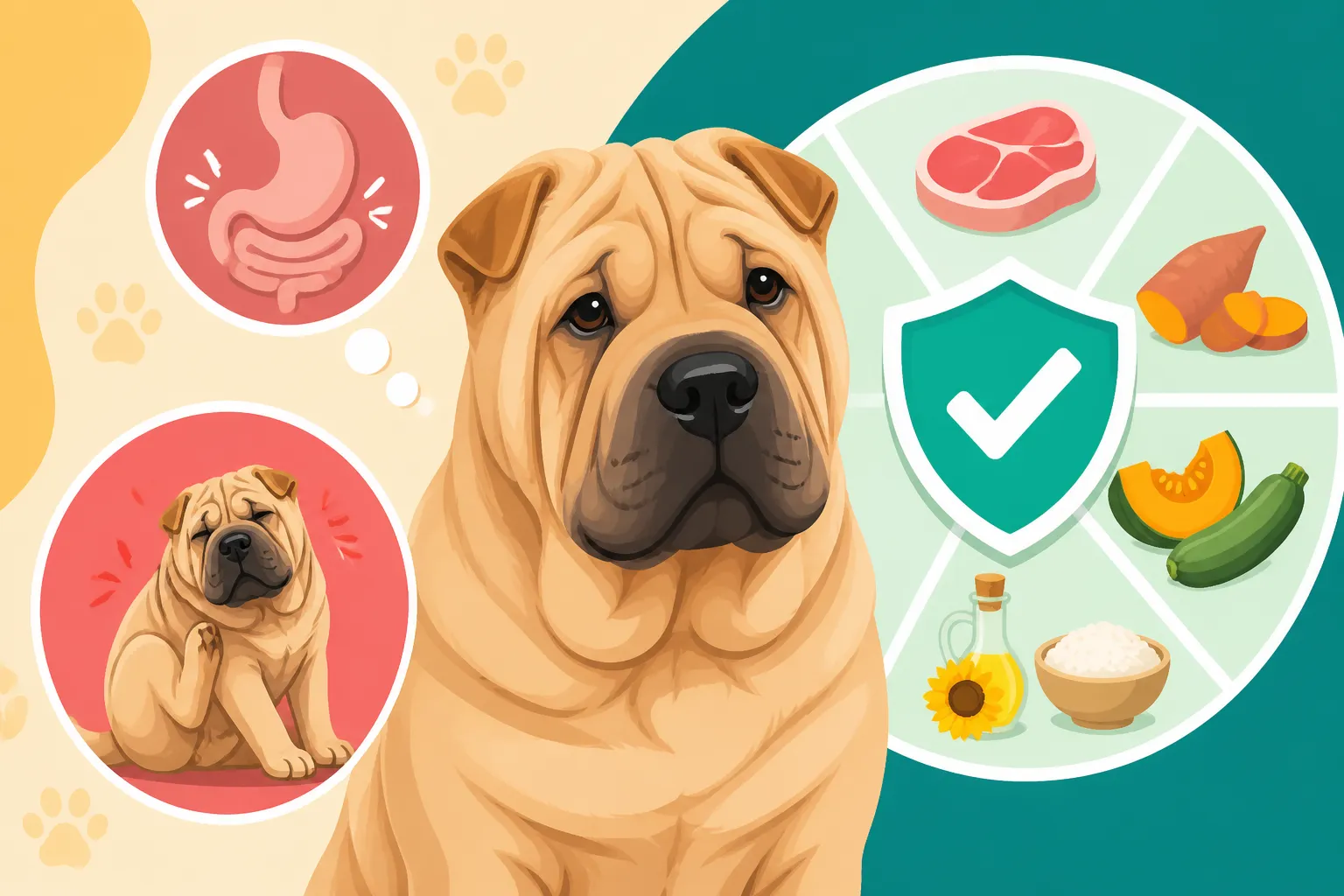
Whether a Shar Pei Needs an Elimination Diet
It can be incredibly frustrating to watch your beloved Shar Pei constantly scratching, licking, or dealing with recurring ear infections and digestive upsets, especially when you feel like you’ve tried everything. Many Shar Pei owners find themselves on a long and often disheartening journey trying to pinpoint the cause of these persistent issues. This guide is here to walk you through whether a Shar Pei needs an elimination diet to uncover the root of their discomfort and finally find some relief for your wrinkly companion.
Understanding Shar Pei Food Sensitivities and Their Impact
Shar Pei are truly unique dogs, and their distinctive traits, while charming, often come with a predisposition to certain health challenges, especially concerning their skin and immune system. When your Shar Pei is constantly itchy, developing hot spots, or battling ear infections that just won't clear up, it's easy to feel overwhelmed and unsure where to turn.
Why Shar Pei Are Prone to Allergies
It's no secret that our beloved Shar Pei often have a genetic blueprint that makes them a bit more sensitive than many other breeds. Their exaggerated skin folds, a hallmark of the breed, can create a warm, moist environment perfect for yeast and bacteria to thrive, exacerbating any underlying skin condition. Beyond the physical structure, many Shar Pei also carry predispositions to immune-mediated conditions and allergic reactions. This means their immune system can sometimes overreact to otherwise harmless substances, whether those are environmental allergens like pollen or something in their food. This heightened sensitivity can lead to a cascade of problems that manifest as chronic itching and inflammation. You might notice that your vet is constantly trying to rule out various culprits, because the signs can be so widespread.
Common Allergy Symptoms in Shar Pei
The symptoms of allergies in a Shar Pei can be diverse and, frankly, quite miserable for the dog and worrying for you. What many owners initially suspect is just "bad skin" can actually be a sign of a deeper issue. The most obvious signs often involve the skin: incessant scratching, chewing at paws, rubbing their face on furniture, or even developing red, inflamed patches that can become secondary infections. You might have seen your Shar Pei experience Skin Fold Dermatitis on a Shar Pei firsthand.
Beyond the skin, chronic ear infections are a huge red flag. Because a Shar Pei has the narrowest ear canals of any breed, any inflammation or excess wax production from an allergic reaction can quickly lead to painful, smelly infections that require repeated vet visits and expensive medication. Gastrointestinal upset is another common symptom, which can include chronic diarrhea, vomiting, or excessive gas. Sometimes, it’s not just one of these; it’s a combination, making diagnosis even trickier. It’s important to pay attention to What a Shar Pei's Skin Tells You Before Its Behavior Does.
The Frustration of Unexplained Itching
Living with a Shar Pei who is constantly battling itching and discomfort is truly heartbreaking. You want them to be happy and pain-free, but finding the cause feels like searching for a needle in a haystack. Many owners cycle through different medicated shampoos, antibiotics, antifungals, and even steroids, which might offer temporary relief but never truly solve the underlying problem. It's easy to get caught in a loop of trying new foods, only for the symptoms to return, leaving you feeling helpless and your dog still suffering. This is where the systematic approach of an elimination diet becomes not just a suggestion, but often a necessary step to cut through the confusion and get real answers. When you've already spent so much time and money without lasting solutions, embarking on a structured elimination diet, often with the support of your vet and perhaps even pet insurance like Healthy Paws, feels like a genuine path forward rather than another shot in the dark.
What an Elimination Diet Actually Is
When you hear "elimination diet," it might sound daunting, almost like a medical procedure. But at its heart, it's a diagnostic tool designed to systematically remove potential allergens from your Shar Pei's diet to identify what's causing their allergic reactions. It's less about finding a miracle cure and more about playing detective with food, meticulously tracking what goes into your dog's body.
The Process: Novel Proteins and Carbohydrates
The core principle of an elimination diet is to feed your Shar Pei a diet consisting of ingredients they have never eaten before. These are known as "novel" ingredients. Typically, this means choosing one single novel protein source and one single novel carbohydrate source. For example, if your Shar Pei has always eaten chicken and rice, a novel diet might feature venison and potato, or duck and sweet potato. The goal is to provide a diet so "clean" and unfamiliar to their immune system that it essentially hits the reset button.
This diet is then fed exclusively for a specific period, usually 8 to 12 weeks. During this time, absolutely nothing else should pass their lips – no treats, no table scraps, no flavored medications, no rawhide, no chew toys with flavor, and certainly no sneaking bites of their old food. It's a period of strict dietary control. If your Shar Pei's symptoms significantly improve or completely resolve during this time, it strongly suggests a food allergy or intolerance was the culprit.
The Importance of Strict Adherence
I cannot stress this enough: an elimination diet must be strictly adhered to for it to be effective. Even the smallest "cheat" can derail the entire process and waste weeks of effort. Imagine you’re trying to find out if you're allergic to strawberries. If you eat a fruit salad that has strawberries, but also raspberries, blueberries, and grapes, how will you ever know which one caused a reaction? It’s the same for your Shar Pei.
This means you need to be incredibly diligent. Consider every single thing your dog consumes. Flavored heartworm medication? That's out. A chew bone? If it has any beef or chicken broth, it's out. A dropped crumb on the kitchen floor? Potentially disastrous. This level of strictness is often the hardest part for owners, but it's paramount for getting accurate results. It requires commitment from everyone in the household, and often means completely rethinking what treats and chews are allowed, if any. Many owners have found that Whether Treats Ruin a Shar Pei's Elimination Diet is a very real concern.
When to Consider an Elimination Diet
An elimination diet isn't usually the very first step your vet will recommend. It typically comes after other common causes of itching and discomfort have been ruled out. This might include treating for fleas, mites (like demodectic mange, which Shar Pei are susceptible to), or fungal infections. Your vet might also discuss Whether a Shar Pei's Itching Is Seasonal, which would point more towards environmental allergies.
If these initial treatments don't resolve the symptoms, or if the symptoms are very specific (like chronic ear infections combined with skin issues, or persistent digestive problems), then a food allergy becomes a strong suspect. At this point, your veterinarian will likely suggest an elimination diet as the most reliable diagnostic tool for food allergies. They can help you select appropriate novel ingredients or prescribe a prescription hydrolyzed protein diet, where the proteins are broken down into such tiny molecules that the immune system doesn't recognize them as allergens. This is a critical conversation to have with your vet, especially considering potential costs that could be covered by a pet insurance policy like Healthy Paws, which aims to support these diagnostic efforts.
Navigating the Elimination Diet for Your Shar Pei
Once you and your veterinarian decide an elimination diet is the right path, the real work begins. It’s a journey that requires patience, consistency, and a keen eye for detail. This isn't a quick fix, but a deliberate process to gather critical information about your Shar Pei's specific sensitivities.
Choosing the Right Novel Protein and Carbohydrate Source
The success of your Shar Pei's elimination diet hinges heavily on choosing the right ingredients. The "novelty" factor is key – you need to select a protein and carbohydrate that your dog has absolutely no prior exposure to. Common choices for novel proteins include venison, duck, rabbit, kangaroo, or even alligator. For carbohydrates, options like sweet potato, potato, tapioca, or peas are frequently used.
Your veterinarian will guide you in this selection, often based on your dog's history. They might recommend a commercially prepared prescription diet, like those from Purina Pro Plan Veterinary Diets or Royal Canin Veterinary Diet, which are specifically formulated for elimination trials. These diets often use hydrolyzed proteins, where the protein molecules are so tiny they can't trigger an allergic response, or completely novel proteins. This ensures consistency and prevents accidental contamination that can occur with homemade diets. While homemade elimination diets are possible, they require meticulous research to ensure nutritional completeness and avoid common pitfalls, and are generally best done under strict veterinary supervision. The choice often comes down to balancing strictness, nutritional adequacy, and practicality for your household.
The Reintroduction Phase: How to Identify Triggers
After the strict 8-12 week elimination period, if your Shar Pei's symptoms have improved, you'll move into the reintroduction phase. This is where you systematically reintroduce single, common ingredients back into their diet, one at a time, and carefully observe for any return of symptoms.
For example, you might introduce a small amount of chicken, a common allergen, for one week. If symptoms flare up, you've likely found a trigger. If no reaction occurs, you remove the chicken and then introduce another ingredient, perhaps beef, for another week. This process is slow and requires careful observation, often keeping a detailed journal of what was introduced and any changes in symptoms. It helps you pinpoint exactly which ingredients your Shar Pei is sensitive to, allowing you to craft a long-term diet that avoids these specific triggers. This phase directly answers the question of Whether a Shar Pei Reacts to Chicken or Beef or other common proteins.
Pitfalls and Challenges
Despite the best intentions, elimination diets come with their own set of challenges. One of the biggest is accidental exposure. A well-meaning family member, a dropped piece of food, or a dog park scavenger hunt can instantly undo weeks of effort. Shar Pei can also be notoriously picky eaters, so finding a novel protein and carbohydrate combination that they will actually eat can be a hurdle.
Another challenge is the duration. Eight to twelve weeks is a long time to maintain such a strict diet, especially if you have other pets or a busy household. Some dogs may also not show complete resolution of symptoms even on a strict elimination diet, which might indicate environmental allergies are also at play, or that the novel protein chosen wasn't truly novel enough. It's crucial to manage expectations and understand that this is a process of trial and error, but one that provides invaluable insights into your Shar Pei's health.
Beyond the Elimination Diet: Long-Term Management
Successfully completing an elimination diet is a huge achievement, but it's not the end of the journey. It's a stepping stone to understanding your Shar Pei's specific needs and developing a long-term strategy for their health and comfort.
Maintaining a Limited Ingredient or Hydrolyzed Diet
Once you've identified your Shar Pei's food triggers, the next step is to establish a permanent diet that avoids those ingredients. This usually means feeding a limited ingredient diet (LID) or a hydrolyzed protein diet going forward. Limited ingredient diets typically contain a single novel protein and a single carbohydrate source, making it easier to control what your dog consumes. There are many commercial Whether a Shar Pei Needs a Limited Ingredient Food options available, but always check the ingredients list meticulously, as some brands may include hidden allergens or cross-contamination from manufacturing processes.
For some Shar Pei with very severe or multiple allergies, a prescription hydrolyzed protein diet might be the best long-term solution. These diets, while often more expensive, offer the highest level of assurance that no immune response will be triggered. No matter which route you choose, vigilance is key. You'll become an expert label-reader, and you’ll learn to advocate for your Shar Pei’s dietary needs with friends, family, and even pet sitters.
Addressing Environmental Allergies and Other Factors
It’s important to remember that food isn't always the only culprit behind your Shar Pei's itching and discomfort. Many dogs suffer from both food and environmental allergies (atopy), or other underlying conditions that exacerbate their symptoms. If your Shar Pei's symptoms didn't fully resolve on the elimination diet, or if they continue to have issues despite being on a safe diet, your vet might explore environmental allergy testing or other diagnostics.
This could involve blood tests or intradermal skin testing to identify specific environmental allergens like pollen, dust mites, or mold. Management for these can include antihistamines, immunotherapy (allergy shots or drops), medicated baths, or even environmental controls within your home. It’s a holistic approach to managing their overall allergic burden. For example, some Shar Pei may also suffer from Hypothyroidism and IgA Deficiency in a Shar Pei, which can impact their skin and immune function, making comprehensive care vital.
The Role of Your Veterinarian and Pet Insurance
Throughout this entire process, your veterinarian is your most valuable partner. They provide critical guidance on selecting diets, interpreting results, and managing any secondary infections or complications that arise. Don’t hesitate to reach out to them with questions or concerns; navigating complex allergies requires ongoing professional support.
Managing a Shar Pei with chronic allergies can also be a significant financial undertaking. Diagnostic tests, prescription diets, medications, and specialist consultations (like a veterinary dermatologist) can add up quickly. This is where having pet insurance, such as Healthy Paws, can be an absolute lifesaver. Many policies, including those from Healthy Paws, help cover the costs associated with diagnosing and treating chronic conditions like allergies, making it easier to provide your Shar Pei with the best possible care without constant worry about the budget. Exploring Whether Pet Insurance Is Worth It on a Shar Pei early in their life can provide immense peace of mind. The costs of What a Shar Pei's Allergy Workup Costs can be substantial, and insurance can certainly help.
| Common Novel Proteins | Common Novel Carbohydrates | Why They Are Chosen |
|---|---|---|
| Venison | Potato | Less common in commercial dog foods; good digestibility. |
| Duck | Sweet Potato | Readily available in limited ingredient formulations; good nutrient profile. |
| Rabbit | Tapioca | Very novel for most dogs; easily digestible. |
| Kangaroo | Green Pea | Extremely novel; often used for highly allergic dogs. |
| Alligator | Quinoa | Highly unusual protein; good for elimination trials. |
| Hydrolyzed Soy/Feather | Corn Starch | Proteins broken down to prevent immune recognition. |
Disclaimer
This article is for general informational purposes only and does not constitute professional advice. Laws, prices and regulations vary by location and change over time. Consult a qualified professional for guidance on your specific situation.


