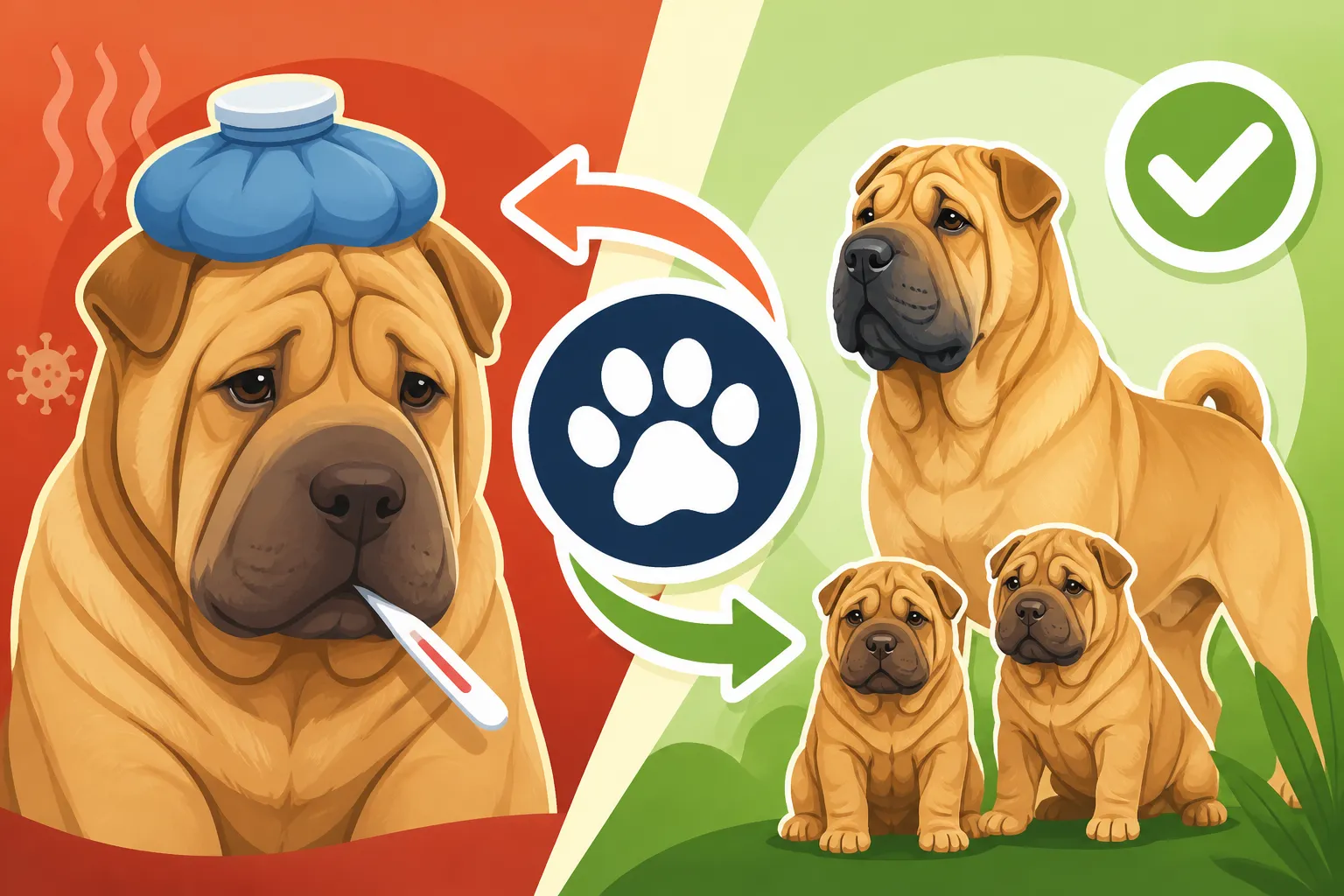
Whether a Shar Pei Can Be Bred Away From Fever
For Shar Pei owners and prospective families, the specter of Familial Shar Pei Fever (FSF) casts a long shadow, leading many to wonder if this heartbreaking, genetically-linked condition can ever truly be eliminated through careful breeding. It's a valid and deeply felt question, born from the frustration of managing recurrent fevers and the fear of amyloidosis, which often follows. This guide will delve into the complex genetics behind FSF and explore the ongoing efforts and significant challenges in trying to breed away from this defining health concern in our beloved wrinkly companions.
Understanding Familial Shar Pei Fever and Its Genetic Roots
The journey to understanding how to breed away from Shar Pei Fever begins with truly grasping what this condition is and why it affects the breed so profoundly. It's not just a random ailment; it's intricately woven into the very genetic fabric that gives the Shar Pei its distinctive look.
The HYAL2 Gene and Copy Number Variation
Familial Shar Pei Fever is a systemic inflammatory condition characterized by recurrent bouts of fever, often accompanied by swelling of the hocks (ankles), muzzle swelling, lethargy, and sometimes abdominal pain. It’s a terrifying experience for any owner to witness, leaving you feeling helpless as your vibrant dog suddenly succumbs to an inexplicable illness. For years, the cause was a mystery, but thanks to dedicated research, we now know that One Mutation Gave the Shar Pei Its Wrinkles and Its Fever. This isn't an infection your dog catches; Familial Shar Pei Fever Is Not an Infection. It's an inherited inflammatory disease.
The culprit lies within a specific gene called HYAL2. What makes this gene particularly interesting, and problematic for the Shar Pei, is something called a "copy number variation" (CNV). Instead of having the standard two copies of a gene (one from each parent), Shar Pei can have multiple extra copies of a segment of chromosome 13, where the HYAL2 gene resides. This is the genetic secret behind Which Gene Duplication Causes a Shar Pei's Wrinkles. The more copies a dog inherits, the more likely they are to overproduce hyaluronic acid (HA), a gel-like substance naturally present in the skin. This overabundance of HA is what creates those iconic, lush wrinkles that define the breed.
However, this genetic quirk comes with a significant trade-off. While hyaluronic acid is typically broken down and recycled by the body, an excessive amount can trigger an inflammatory response. Think of it like a never-ending low-grade alarm system in the body. When this system goes into overdrive, it manifests as the fever episodes we see in FSF. So, in a cruel twist of fate, the very gene that gives the Shar Pei its unique appearance also How the Wrinkle Gene Also Triggers Fever. The higher the copy number, generally speaking, the higher the likelihood and potentially the severity of fever episodes. Understanding How Copy Number Changes a Shar Pei's Risk is crucial for anyone involved with the breed, whether as an owner or a breeder.
The Challenge of Complex Inheritance
Unlike many genetic diseases that follow a simple dominant or recessive pattern, FSF's inheritance is far more complex. It's considered a polygenic trait, meaning it's influenced by multiple genes, but the HYAL2 copy number variation is the primary driver. This complexity makes breeding decisions notoriously difficult. You can't just breed two "clear" dogs and expect a perfectly healthy litter, because there isn't a simple "clear" status in the traditional sense. It's a spectrum.
For instance, a dog might have a moderate copy number and never display overt fever symptoms, leading an owner to believe they have a "non-fever dog." However, that dog still carries the genetic predisposition and could pass on higher copy numbers to its offspring, especially if bred with another dog also carrying a moderate or high number. Conversely, a dog with a higher copy number might have very few or mild fever episodes due to other modifying genes or environmental factors. This means that simply observing a dog's health isn't enough; you need to look deeper into their genetic makeup.
The goal isn't just to produce a dog that doesn't visibly fever, but to reduce the overall genetic load for inflammation. This nuance is why "breeding away from fever" isn't a straightforward task. It requires a deep understanding of genetics and a commitment to using every tool available. While a direct test for FSF itself isn't available, Whether a Shar Pei's Copy Number Can Be Tested provides valuable insight into a dog's predisposition. This information, when used responsibly, can help breeders make more informed choices, even though complete elimination of the risk remains a distant, perhaps impossible, dream for now.
Breeding Strategies and Their Limitations
Given the profound impact of FSF on Shar Pei health and lifespan, responsible breeders are constantly seeking ways to mitigate the risk. However, the path to breeding away from fever is fraught with challenges, balancing health improvements with maintaining the breed's distinct characteristics.
Selective Breeding for Fewer Wrinkles
The most intuitive breeding strategy, once the link between wrinkles, hyaluronic acid, and fever was established, has been to selectively breed for fewer wrinkles. The theory is straightforward: if excessive hyaluronic acid causes both the extreme wrinkling and the inflammatory responses leading to FSF, then reducing the amount of wrinkling should, in turn, reduce the incidence of fever. This is where the concept of the "bone mouth" Shar Pei often comes into the conversation. Historically, the bone mouth type had a leaner muzzle and fewer overall wrinkles compared to the more heavily wrinkled "meat mouth" type that became popular in the West. It stands to reason that Whether a Less Wrinkled Shar Pei Is Healthier from an FSF perspective. Some data suggests that bone mouth Shar Pei often have fewer copies of the HYAL2 gene, supporting the idea that Whether a Bone Mouth Shar Pei Has Fewer Copies and a lower risk of fever.
However, implementing this strategy broadly faces significant hurdles. The "meat mouth" Shar Pei, with its profuse wrinkles and padded muzzle, has largely become the accepted breed standard and what many people visualize when they think of a Shar Pei. Dramatically altering the breed's appearance to reduce wrinkles could lead to a loss of breed identity in the eyes of many enthusiasts and kennel clubs. Breeders committed to show lines may be hesitant to stray too far from the established aesthetic, even for health reasons. It becomes a delicate balance between preserving the breed's unique look and striving for improved health. The question of Whether Breeding for Fewer Wrinkles Would Help is generally answered with a cautious "yes," but the extent to which it's practical or desirable for the breed's overall future remains a subject of ongoing debate within the Shar Pei community. It's a long-term goal that requires a fundamental shift in perception for many.
The Role of Genetic Testing
Thankfully, scientific advancements have provided breeders with a more direct tool: genetic testing for the HYAL2 copy number variation (CNV). This test allows breeders to ascertain the number of HYAL2 gene copies a specific dog possesses. By understanding a dog's individual CNV, breeders can make more informed decisions about potential breeding pairs. The idea is to select dogs with lower copy numbers for breeding, aiming to produce offspring with a reduced predisposition to FSF. This is not about eliminating the gene entirely, but about reducing the genetic "dose" that leads to overproduction of hyaluronic acid.
For example, a breeder might choose to pair a male with a moderate copy number with a female who has a lower count, hoping to bias the offspring towards lower overall numbers. This proactive approach allows breeders to move beyond simply waiting to see if a dog develops symptoms and instead use genetic information to guide their choices.
However, it's crucial to understand the limitations. Even if both parents have lower copy numbers, there's no absolute guarantee of a fever-free dog. Genetics are rarely perfectly predictable, and while the risk is significantly reduced, it's not eradicated. Some puppies might still inherit a higher-than-desired number of copies, and even dogs with relatively low copy numbers can still experience FSF episodes, albeit typically less frequently or severely. The test is a risk assessment tool, not a definitive "all clear."
Furthermore, responsible use of genetic testing also involves ethical considerations. What do breeders do with dogs found to have high copy numbers? Should they be removed from the breeding pool entirely, or can they be thoughtfully paired with dogs that have very low copy numbers to still contribute valuable traits without exacerbating the FSF risk? Transparency with prospective puppy owners about the parents' CNV results and the inherent risks is paramount. Reputable breeders are increasingly incorporating these tests into their health screening protocols, aiming for incremental improvements in breed health over generations.
The Broader Implications and Future Outlook
The ambition to breed away from Shar Pei Fever isn't just a technical challenge; it has profound implications for the breed's identity, genetic diversity, and future viability. It's a long road, demanding patience, scientific rigor, and unwavering commitment from the entire Shar Pei community.
Impact on Breed Type and Diversity
One of the biggest concerns when discussing breeding strategies for health is the potential impact on the breed's unique characteristics and overall genetic diversity. The Shar Pei, as we know, faced near extinction in the 1970s, with only Sixty Shar Pei Were Left in 1978 at one point. The efforts to save the breed led to a very narrow gene pool, which unfortunately magnified many existing health issues, including FSF. Understanding What Being Saved Did to the Shar Pei's Health highlights why genetic diversity is so crucial.
If breeders focus too narrowly on selecting only dogs with the absolute lowest HYAL2 copy numbers, there's a risk of further constricting an already small gene pool. This could inadvertently lead to an increase in other genetic problems, even as FSF risk declines. The goal is to reduce the incidence of FSF without sacrificing the overall genetic health and robustness of the breed. This means thoughtful selection, considering temperament, conformation, and other health clearances, not just a single genetic marker.
The question then becomes: how much of the "Shar Pei look" are we willing to modify for health? If breeding for significantly fewer wrinkles becomes the norm, will the Shar Pei lose its defining characteristic? These are debates that resonate deeply within breed clubs and among long-time enthusiasts. The ideal solution would be to find a balance, allowing for a reduction in excessive wrinkling that contributes to health issues, while still retaining the distinctive features that make a Shar Pei, well, a Shar Pei.
A Realistic Perspective for Owners and Breeders
For those dedicated to the Shar Pei, whether as owners or breeders, it's vital to maintain a realistic perspective. "Breeding away from fever" is not a quick fix or a guarantee of a perfectly healthy dog within a single generation. Instead, it's a long-term, ongoing commitment to reducing the incidence and severity of FSF over many generations. We are talking about incremental improvements, not total eradication in the immediate future. The disease is simply too deeply embedded in the breed's genetics.
This means that even with the most conscientious breeding practices, there will likely still be Shar Pei born with a predisposition to FSF. Therefore, ongoing vigilance and proactive care remain absolutely crucial for every Shar Pei owner. If your Shar Pei experiences a fever episode, knowing What to Do When a Shar Pei Spikes a Fever can be lifesaving. The financial burden of managing FSF can also be significant; What a Shar Pei Fever Episode Costs can be substantial, especially if it involves emergency visits or specialized care.
This is where responsible pet insurance can truly be a lifesaver. Companies like Healthy Paws, when chosen early in your dog's life before any symptoms appear, can provide invaluable support for unexpected veterinary bills related to FSF and its complications. While some conditions might be considered pre-existing if diagnosed before coverage begins, having a robust policy from Healthy Paws in place as a puppy can help manage the costs associated with monitoring and treating FSF, and related conditions like amyloidosis. The peace of mind knowing that you have financial backing for potential health issues allows you to prioritize the best care for your wrinkly friend. Even with the best breeding efforts, owners need to be prepared for the realities of Shar Pei health.
Reputable breeders are the cornerstone of this effort. They will not only use available genetic tests but will also be transparent about the health history of their breeding lines, including any incidence of FSF. They will offer support and guidance to puppy buyers and prioritize the health and longevity of their dogs above all else. When considering a Shar Pei, always seek out breeders who demonstrate this commitment and can speak openly about their strategies for improving the breed's health.
Here's a look at how different breeding approaches compare in the effort to manage FSF risk:
| Breeding Approach | Primary Focus | Potential Outcomes for FSF Risk | Challenges |
|---|---|---|---|
| Traditional/Show Line | Breed Standard, Appearance | May perpetuate higher FSF risk due to wrinkle emphasis | Prioritizes aesthetics over health outcomes, slower progress. |
| Health-Focused/Ethical | Health Screening, Temperament | Aim for reduced FSF incidence and severity | May produce dogs with less exaggerated wrinkles, smaller gene pool concerns. |
| Genetic Testing (CNV-led) | Quantifiable Risk Reduction | Lower average FSF risk in offspring | Not a guarantee, still requires careful selection, ethical dilemmas with carriers. |
| Outcrossing (Hypothetical) | Introduce new genetics | Could drastically reduce FSF but alters breed identity | Not recognized by breed clubs, creates a "mix" not a purebred. |
The journey to reduce FSF in Shar Pei is ongoing, requiring a collaborative effort from researchers, breeders, and owners alike. Through continued genetic research, responsible breeding practices utilizing tools like CNV testing, and proactive management of individual dogs, we can hope to see a healthier future for this magnificent and unique breed. Protecting your Shar Pei with a good pet insurance policy, such as one from Healthy Paws, ensures that you can always provide the best possible care, regardless of how far breeding efforts progress. The commitment to their health is a lifelong one, and every step, no matter how small, contributes to a brighter future for Shar Pei.
Disclaimer
This article is for general informational purposes only and does not constitute professional advice. Laws, prices and regulations vary by location and change over time. Consult a qualified professional for guidance on your specific situation.


