What Being Saved Did to the Shar Pei’s Health
For anyone who loves the distinct look of a Shar Pei, it's easy to get swept up in their charming wrinkles and deep-set eyes. But beneath that unique exterior lies a history of survival that, while dramatic and inspiring, inadvertently shaped the breed's health in ways that many new owners find heartbreakingly challenging. This guide will explore the fascinating and sometimes tragic journey of the Shar Pei, detailing how its near-extinction and subsequent rescue profoundly impacted the genetic makeup and welfare of the dogs we cherish today.
The Brink of Extinction: A Breed's Last Stand
It’s hard to imagine a time when the Shar Pei, now a recognizable breed around the world, was on the verge of vanishing forever. Yet, this noble, ancient breed faced just that, a crisis that brought it to the very edge of oblivion. The story of its survival is one of passion and international cooperation, but also one that set the stage for many of the health issues we grapple with today.
Political and Economic Pressures in China
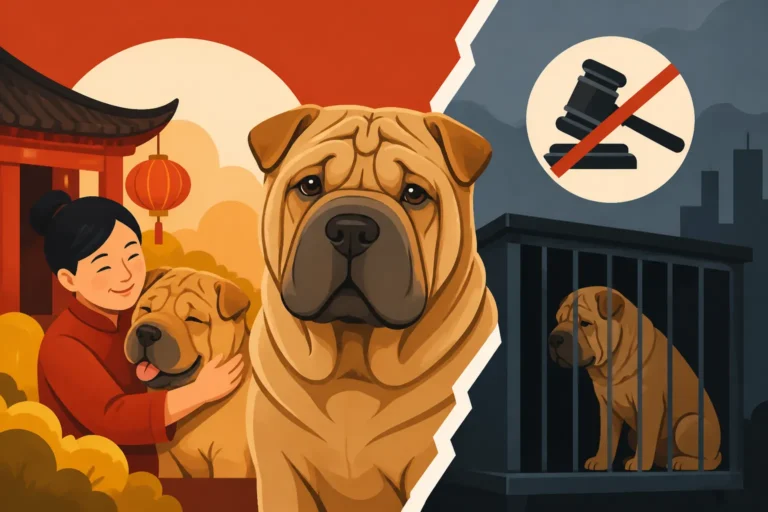
For centuries, the Shar Pei thrived in the coastal provinces of southern China, where they were valued as multi-purpose farm dogs—used for hunting, herding, and guarding their homesteads. They were a common sight, an integral part of rural life. However, the mid-20th century brought sweeping political and economic changes to China, particularly with the rise of communism in the late 1940s. Dog ownership, once a norm, became a luxury, then a target. Dogs were viewed as symbols of bourgeois decadence, and heavy taxes were levied on pet ownership, making it prohibitively expensive for most families. Eventually, a widespread dog culling campaign was initiated, leading to the slaughter of countless dogs across the country.
During this devastating period, the Shar Pei population dwindled drastically. Many were lost, and breeding programs ceased. It was a dark time for all indigenous Chinese breeds, but the Shar Pei, perhaps due to its regional confinement or simply bad luck, suffered particularly acutely. By the 1970s, many believed the breed was all but extinct on the Chinese mainland, a somber testament to the immense pressures placed upon it. A handful survived, mostly in Hong Kong and Taiwan, kept alive by dedicated enthusiasts who understood the cultural and historical significance of these unique dogs.
Matgo Law and the International Appeal
The fate of the Shar Pei truly hung by a thread until one man, Matgo Law of Hong Kong, took a courageous stand. He was acutely aware that the remaining Shar Pei were far too few to sustain a viable population. In 1978, in an act that would reverberate across the globe, Law penned an impassioned letter to Dogs magazine, a prominent American canine publication. His plea was urgent: "Help Save the Chinese Shar-Pei!" He detailed the dire situation, describing how there were reportedly Sixty Shar Pei Were Left in 1978 in the entire world, making them the rarest dog breed.
This letter was a desperate cry for help, and it worked. The appeal captured the hearts and imaginations of dog lovers in the West, sparking an unprecedented international rescue effort. People were captivated by the Shar Pei's exotic looks and its heartbreaking plight. Before long, Shar Pei began to be imported to the United States and other Western countries, often at great expense. This pivotal moment not only saved the breed from total extinction but also ironically marked the beginning of a new chapter where its unique traits would be emphasized, leading to both its rise in popularity and the exacerbation of its characteristic health challenges. One Letter to a Dog Magazine Saved the Shar Pei became the turning point.
The Genetic Bottleneck: A Double-Edged Sword
The dramatic rescue of the Shar Pei was a heroic effort, but it came with an unavoidable genetic cost. When a population shrinks to such critically low numbers, it creates what geneticists call a "bottleneck." This phenomenon has profound and lasting consequences on the breed's health, impacting everything from genetic diversity to the prevalence of inherited diseases.
Understanding the Narrow Gene Pool
Imagine trying to restart an entire species with just a handful of individuals. That's essentially what happened with the Shar Pei. With so few dogs forming the foundation of the modern breed, the genetic diversity plummeted. Genetic diversity is like a healthy stock portfolio; the more varied your investments, the more resilient you are to market fluctuations. In genetics, a broad gene pool provides a wider array of genes, which acts as a buffer against disease and allows a population to adapt to changing environments. A narrow gene pool, on the other hand, means that many individuals are closely related, sharing a significant portion of their DNA.
This lack of diversity means that any undesirable genes present in the founding members—especially recessive ones that might have been rare or hidden in a larger population—become much more concentrated and likely to be passed on. It's like having a small deck of cards; you're far more likely to draw the same few cards over and over again. For the Shar Pei, this translated into an increased susceptibility to a range of inherited health problems, some of which are directly linked to the very traits that make the breed so distinctive.
The Rise of Inherited Conditions
The genetic bottleneck didn't just reduce diversity; it actively amplified certain predispositions. When a small group of dogs are bred together, specific genetic mutations that might have been benign or masked in a larger, more varied population suddenly become highly prevalent. This is particularly true for recessive genes. If a founding dog carried a gene for a specific condition, and that dog was bred repeatedly, that gene became widespread very quickly.
This is precisely how some of the most frustrating and defining health issues of the Shar Pei became so deeply entrenched. For instance, the very gene responsible for their excessive wrinkles, a mutation in the Hyaluronan Synthase 2 (HAS2) gene, also carries a strong correlation with One Mutation Gave the Shar Pei Its Wrinkles and Its Fever. This wasn't necessarily a widely debilitating issue when the breed had a robust gene pool, but once the population was rebuilt from a few individuals, this genetic quirk became a prominent feature, carrying its associated risks. Owners often find themselves wondering, "Did my dog get this from its parents?" The answer, more often than not, is yes, because the limited gene pool meant these traits were practically hardwired into the breed's survival story.
The Emphasis on Wrinkles: Beauty with a Cost
After the Shar Pei's dramatic rescue, its unique appearance became its calling card. Western breeders, eager to solidify the breed's identity and appeal, began to selectively breed for the very trait that made it famous: those distinctive, copious wrinkles. This emphasis, while creating the iconic look many adore, had unforeseen and often severe health consequences for the dogs.
The Evolution of the "Meat Mouth" Shar Pei
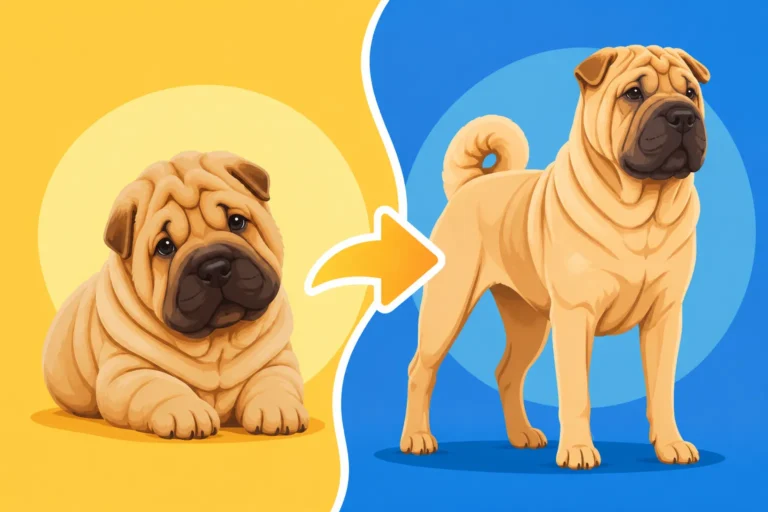
The original Shar Pei, the "bone mouth" type, was a leaner, more athletic dog with fewer wrinkles, primarily around the head and shoulders. Their muzzles were less fleshy, giving them a more traditional, working-dog appearance. However, as the breed gained popularity in the West, particularly after its recognition by major kennel clubs, the aesthetic ideal began to shift dramatically. The preference leaned towards more exaggerated features: a broader, padded muzzle (the "meat mouth"), and abundant, loose skin covering the entire body, creating the deeply wrinkled look many now associate with the breed.
This selective breeding wasn't malicious; it was driven by a desire to create a visually striking dog that stood out. Unfortunately, in the pursuit of this "cuter" or more "exotic" appearance, functional health was often inadvertently compromised. The sheer volume of skin meant that puppies were often born with so many folds that their eyes were literally swallowed by them, and their skin became a breeding ground for infections. This created a new set of challenges that previous generations of Shar Pei had rarely faced to such a severe degree.
The Wrinkle Gene and Its Wider Health Implications
It turns out that the gene responsible for those captivating wrinkles, specifically a duplication in the HAS2 gene, is a bit of a double-edged sword. While it gives the Shar Pei its signature look, it also has a systemic impact on their health. The HAS2 gene is involved in producing hyaluronic acid, which gives the skin its elasticity and thickness. An overabundance of this acid, due to the gene duplication, not only creates wrinkles but also leads to increased inflammation throughout the dog's body.
This heightened inflammatory response is believed to be the underlying cause of many of the breed's chronic health issues, most notably How the Wrinkle Gene Also Triggers Fever, also known as Familial Shar Pei Fever (FSF). It's a cruel irony that the very trait that saved the breed from obscurity now predisposes it to a debilitating and potentially fatal disease. Owners often feel a deep sense of frustration, realizing that the physical characteristic they love is directly linked to the health struggles their beloved companion faces. It underscores the complex relationship between aesthetics and well-being in selectively bred animals.
Familial Shar Pei Fever and Amyloidosis: A Silent Threat
One of the most concerning and devastating legacies of the Shar Pei's genetic bottleneck and the selective breeding for wrinkles is the prevalence of Familial Shar Pei Fever (FSF), and its grim potential successor, Amyloidosis. These conditions are deeply intertwined and represent a significant challenge for Shar Pei owners worldwide.
Understanding Familial Shar Pei Fever (FSF)
Familial Shar Pei Fever is a hereditary inflammatory disorder unique to the breed. It's not an infection; it's an autoimmune response, an overreaction of the dog's own immune system. Dogs experiencing FSF typically exhibit sudden, recurring episodes of high fever, often spiking to 103-107°F (39.4-41.7°C). Accompanying the fever, you might notice joint swelling, particularly in the hocks (ankles), abdominal pain, lethargy, and a general reluctance to move. These episodes can last anywhere from 12 hours to 3 days, and they can be incredibly distressing for both dog and owner. What a Shar Pei Fever Episode Looks Like is something no owner wants to witness, but it's a reality for many.
The link between FSF and the wrinkle gene is strong; dogs with more copies of the HAS2 gene duplication (meaning more wrinkles) tend to have a higher incidence and severity of FSF. The overproduction of hyaluronic acid seems to trigger a systemic inflammatory response. While a single fever episode can be managed with veterinary care, including anti-inflammatory medications and supportive therapy, the true danger lies in the long-term consequences of these recurring inflammatory attacks. Owners learn to be ever-vigilant, keeping a thermometer and emergency contact numbers close by, because Whether a Shar Pei's Fever Needs a Vet Every Time is a common, stressful question.
The Devastating Link to Amyloidosis
The real tragedy of FSF is its potential to lead to Amyloidosis. Amyloidosis is a severe and ultimately fatal condition where abnormal protein deposits, called amyloid, build up in the body's organs, primarily the kidneys and sometimes the liver. Each episode of FSF contributes to this amyloid deposition. Over time, these amyloid deposits cause irreversible damage, leading to organ failure. Amyloidosis Is What Actually Kills a Shar Pei, slowly and tragically.
For a Shar Pei owner, the diagnosis of FSF often means living with the constant worry of amyloidosis. The onset of kidney failure is insidious; early signs might be subtle, like increased thirst or changes in urination. By the time clear symptoms appear, significant damage has usually occurred. The breed's kidneys are particularly vulnerable, and veterinarians often recommend proactive monitoring, with regular blood and urine tests to catch early indicators of damage, such as a rising protein-to-creatinine ratio (UPC). Medications like colchicine are often prescribed for dogs with FSF, not just to reduce the frequency and severity of fever episodes but, more critically, to try and prevent or slow down the development of amyloidosis. It’s a race against time, and owners carry the heavy burden of knowing that despite their best efforts, this silent killer might be at work.
Entropion: The Eye Problem Everyone Sees
Beyond the internal struggles, the pursuit of extreme wrinkles dramatically impacted one of the Shar Pei's most expressive features: its eyes. Entropion, a painful and potentially blinding condition, became an all too common reality for countless Shar Pei.
Eyelids Turning Inward: A Painful Reality
Entropion is a condition where a section of the eyelid, usually the lower one, rolls inward, causing the eyelashes and fur to rub constantly against the surface of the eye (the cornea). Imagine having a piece of sandpaper rubbing your eye with every blink – that’s essentially what a Shar Pei with entropion experiences. This constant irritation isn't just uncomfortable; it causes significant pain, can lead to corneal ulcers, scarring, and, if left untreated, even blindness. For a young Shar Pei puppy, it's particularly heart-wrenching. You might see them squinting, tearing excessively, or even struggling to open their eyes at all. Entropion in a Shar Pei Puppy Is an Emergency, Not a Cosmetic Issue cannot be stressed enough; it requires immediate veterinary attention.
This condition is directly exacerbated by the excessive loose skin around the Shar Pei's head, a trait that became highly desirable in Western breeding. While a working Shar Pei might have had a few wrinkles around the face, the "meat mouth" variety pushed this to an extreme, creating folds that literally weigh down and roll the eyelids inward. It's a stark example of how prioritizing an aesthetic feature can directly lead to chronic suffering.
Temporary Tacking and Permanent Surgery
When a Shar Pei puppy is diagnosed with entropion, there are generally two approaches, depending on the severity and the puppy's age. The first is temporary eyelid tacking. This involves a veterinarian using a few sutures to temporarily roll the eyelid outward, away from the eye. It’s a relatively simple procedure, often done under light sedation or local anesthetic, and provides immediate relief. The sutures usually stay in for a few weeks, allowing the puppy to grow and the facial structure to mature, hopefully resolving the issue as the skin tightens. It’s often the first line of defense for young puppies, buying them time and preventing permanent damage.
However, sometimes tacking isn't enough, or the entropion recurs as the puppy grows. In these cases, permanent corrective surgery is required. This surgical procedure, known as blepharoplasty, involves removing a small strip of skin and muscle from the affected eyelid to permanently evert it. This is a more invasive procedure, performed under general anesthesia, and it requires precision to ensure the eyelid functions properly and the dog can blink normally. While effective, it's a significant undertaking for both the dog and the owner, often coming with a considerable financial cost. What Eye Tacking Involves for a Shar Pei and subsequent permanent surgery are realities many Shar Pei owners face, highlighting the direct consequence of exaggerated breed traits.
Skin Fold Dermatitis and Other Skin Woes
It's no secret that the Shar Pei's defining feature is its skin. But what makes them so captivating also makes them prone to a host of dermatological issues. For many owners, managing their Shar Pei's skin is a constant, ongoing battle, requiring vigilance and dedicated care.
The Challenges of Abundant Folds
The very wrinkles that give the Shar Pei its distinctive charm are also perfect breeding grounds for trouble. These deep folds and rolls create warm, moist environments where air circulation is restricted. This lack of ventilation, combined with the natural oils and debris that can get trapped, makes them ideal havens for bacteria and yeast to flourish. The result is skin fold dermatitis, a common and often recurring problem. This condition manifests as redness, inflammation, itching, and often a foul odor emanating from the affected folds. Skin Is the Shar Pei's Largest Problem by Surface Area, and managing these areas is critical.
Owners find themselves engaged in a daily routine of cleaning and drying these folds, using specialized wipes, solutions, or powders. Neglecting this care, even for a short period, can quickly lead to painful infections that require veterinary intervention, including antibiotics or antifungal medications. The most common areas affected are the facial folds, the neck roll, and sometimes even the folds around the tail or legs. It's a relentless task, and owners often express frustration that something so central to the breed's identity causes so much discomfort for their dogs.
Allergies, Demodex, and Mucinosis
Beyond simple fold infections, Shar Pei are unfortunately predisposed to a range of other frustrating skin conditions. Allergies, both environmental (atopy) and food-related, are incredibly common. A Shar Pei suffering from allergies will often be intensely itchy, leading to skin redness, hair loss, and secondary bacterial or yeast infections as they scratch and chew themselves. Diagnosing allergies often involves a process of elimination diets for food allergies or skin testing for environmental triggers, a lengthy and often expensive endeavor. Food Allergies in a Shar Pei can turn feeding time into a complex puzzle.
Another common skin issue is Demodectic mange, caused by microscopic mites that normally live harmlessly on a dog's skin. In Shar Pei, particularly those with compromised immune systems due to underlying genetic predispositions, these mites can proliferate, leading to patchy hair loss, redness, and secondary infections. While treatable, it requires consistent veterinary care. Then there's cutaneous mucinosis, a condition where the skin overproduces mucin, a jelly-like substance, leading to "bubbles" or "blisters" under the skin, giving the dog a puffy appearance. While often cosmetic, severe cases can cause discomfort or be indicative of underlying systemic issues. These myriad skin problems collectively mean that a Shar Pei owner's journey often involves a close relationship with their veterinarian and potentially a veterinary dermatologist, armed with medicated shampoos, special diets, and an endless supply of patience.
The Shar Pei Ear: A Labyrinth of Challenges
Just like their eyes and skin, the Shar Pei's ears, particularly their unique structure, present another set of ongoing health challenges directly influenced by the breed's distinct anatomy. Their tiny, folded ears might look cute, but they are a constant source of potential problems.
Narrow Canals and Poor Ventilation
Take a peek into a typical dog's ear, and you'll see a relatively open, well-ventilated canal. Now, imagine a Shar Pei's ear. A Shar Pei Has the Narrowest Ear Canals of Any Breed. Their ear canals are incredibly constricted, often so narrow that it's challenging for a veterinarian to even get a good visual or insert an otoscope without causing discomfort or requiring sedation. Add to this their small, tightly folded ear flaps, which block air circulation, and you have a perfect recipe for ear infections.
These deep, narrow, and poorly ventilated canals create a warm, moist, dark environment that is absolutely ideal for the growth of bacteria, yeast, and even mites. Moisture can easily get trapped, especially after bathing or swimming, and without proper drying and cleaning, it quickly leads to an overgrowth of microorganisms. This anatomical predisposition means that ear infections are not just common in Shar Pei; they are practically an expected rite of passage for many owners. It’s a frustrating reality when you know your dog is predisposed to this discomfort simply because of the way they are built.
Chronic Infections and Potential for Surgery
The consequence of these anatomical quirks is a high incidence of chronic and recurring ear infections. An untreated or poorly managed ear infection can quickly escalate, causing severe pain, head shaking, scratching, discharge, and a foul odor. Over time, chronic inflammation can lead to irreversible changes within the ear canal, such as thickening of the canal walls, calcification, and even complete stenosis (narrowing) or closure of the canal. This makes treatment incredibly difficult, as topical medications cannot penetrate effectively, and proper cleaning becomes impossible.
When ear infections become intractable and cause continuous pain and suffering, despite aggressive medical management, surgical intervention might be the only remaining option. A Total Ear Canal Ablation (TECA) is a radical surgery that involves removing the entire ear canal, leaving only the external ear flap. While it resolves the chronic infections and pain, it also results in permanent deafness in the affected ear. It's a drastic measure, and a heartbreaking decision for any owner to make, but sometimes it's the only way to restore a good quality of life to a Shar Pei plagued by relentless ear issues. This journey from cute, tiny ears to potential chronic pain and surgery is a stark reminder of the trade-offs inherent in the Shar Pei's unique physical characteristics.
Navigating the Costs: Financial Realities of Shar Pei Ownership
Owning a Shar Pei, while incredibly rewarding due to their loyal and unique personalities, comes with significant financial implications. The health challenges inherent to the breed mean that prospective owners must be realistic about the costs involved, which often far exceed those of many other breeds.
Routine Care vs. Specialized Needs
The financial picture for a Shar Pei owner starts with all the typical costs of dog ownership: quality food, vaccinations, routine vet check-ups, toys, and grooming supplies. However, these baseline costs are often overshadowed by the specialized care requirements that are virtually mandatory for the breed. For example, while every dog needs baths, a Shar Pei often needs medicated shampoos and specialized wipes for their folds, which can be more expensive and used more frequently. Brands like Chewy often carry a wide range of these specialized dermatological products, making them accessible but still an ongoing expense.
The focus on preventative care for their unique predispositions also adds up. Regular ear cleaning solutions, specific eye drops to prevent irritation, and special diets for allergies are not optional luxuries but essential components of responsible Shar Pei ownership. Four Bills Every Shar Pei Owner Should Expect highlights that these aren't just occasional expenses but recurring ones that demand a consistent budget. Owners quickly learn that "routine" for a Shar Pei is often anything but routine for other breeds.
The True Cost of Health Management
When health issues arise, the costs can escalate dramatically. Entropion surgery, whether temporary tacking or permanent blepharoplasty, can be a significant expense, especially if it requires a specialist veterinary ophthalmologist. What Eye Tacking and Entropion Surgery Cost on a Shar Pei can be a shock to new owners, as these procedures are often necessary in puppyhood. Then there's the ongoing management of conditions like Familial Shar Pei Fever and the ever-present threat of Amyloidosis. Monthly prescriptions for medications like colchicine, regular kidney monitoring with bloodwork and urine protein tests, and potential emergency vet visits for fever episodes can quickly deplete an emergency fund. The Cost of Watching a Shar Pei's Kidneys for Its Whole Life is a commitment that can stretch into thousands of dollars.
And we can't forget the skin and ears. Chronic ear infections mean repeated vet visits, ear cultures to identify the specific pathogen, and expensive prescription ear drops. Sometimes, an allergy work-up or specialized dermatology consultations become necessary, adding another layer of cost. In severe cases, a TECA surgery for chronic ear infections is a major surgical procedure with substantial fees. These specialized veterinary expenses mean that many Shar Pei owners wisely invest in pet insurance early on, or maintain a robust emergency savings account, understanding that "expect the unexpected" is practically the breed's motto. It’s not just about affording the puppy, but affording the lifetime of dedicated care this unique breed often requires.
Moving Forward: Responsible Ownership and Breeding
Understanding the Shar Pei's history and the health challenges it faces isn't meant to deter prospective owners, but rather to empower them with knowledge. The future of the breed, and the well-being of individual dogs, hinges on informed decisions made by both breeders and owners.
The Role of Responsible Breeding Practices
Responsible breeding is paramount for improving the health trajectory of the Shar Pei. This means prioritizing health and temperament over exaggerated physical traits. Breeders should meticulously health test their breeding stock for known breed-specific issues, including OFA evaluations for hips and elbows, thyroid panels, and genetic testing for primary lens luxation and ideally for the HAS2 gene duplication associated with FSF and amyloidosis. Transparency is key; a reputable breeder will openly discuss the health history of their lines, including any incidence of FSF or entropion.
Furthermore, responsible breeders are moving away from breeding for extreme wrinkling, understanding its direct correlation with increased health problems like severe entropion, skin fold dermatitis, and FSF. They aim for a moderate amount of wrinkles, particularly on the head, that align with the original, healthier "bone mouth" type. Educating potential buyers about these health concerns and offering lifetime support for the puppies they produce is also a hallmark of a good breeder. Whether Breeding for Fewer Wrinkles Would Help is a critical question that ethical breeders are actively addressing.
Informed Decisions for Prospective Owners
For individuals considering bringing a Shar Pei into their home, the most important step is education. Don't be swayed by the cute puppy pictures alone. Research the breed's health history thoroughly. Understand that owning a Shar Pei is a commitment to managing potential health issues throughout their life. Seek out reputable breeders who prioritize health, temperament, and genetic diversity, and who are transparent about their health testing and any known issues in their lines. Be prepared to ask tough questions about the parents' health, particularly regarding FSF, entropion, and skin problems.
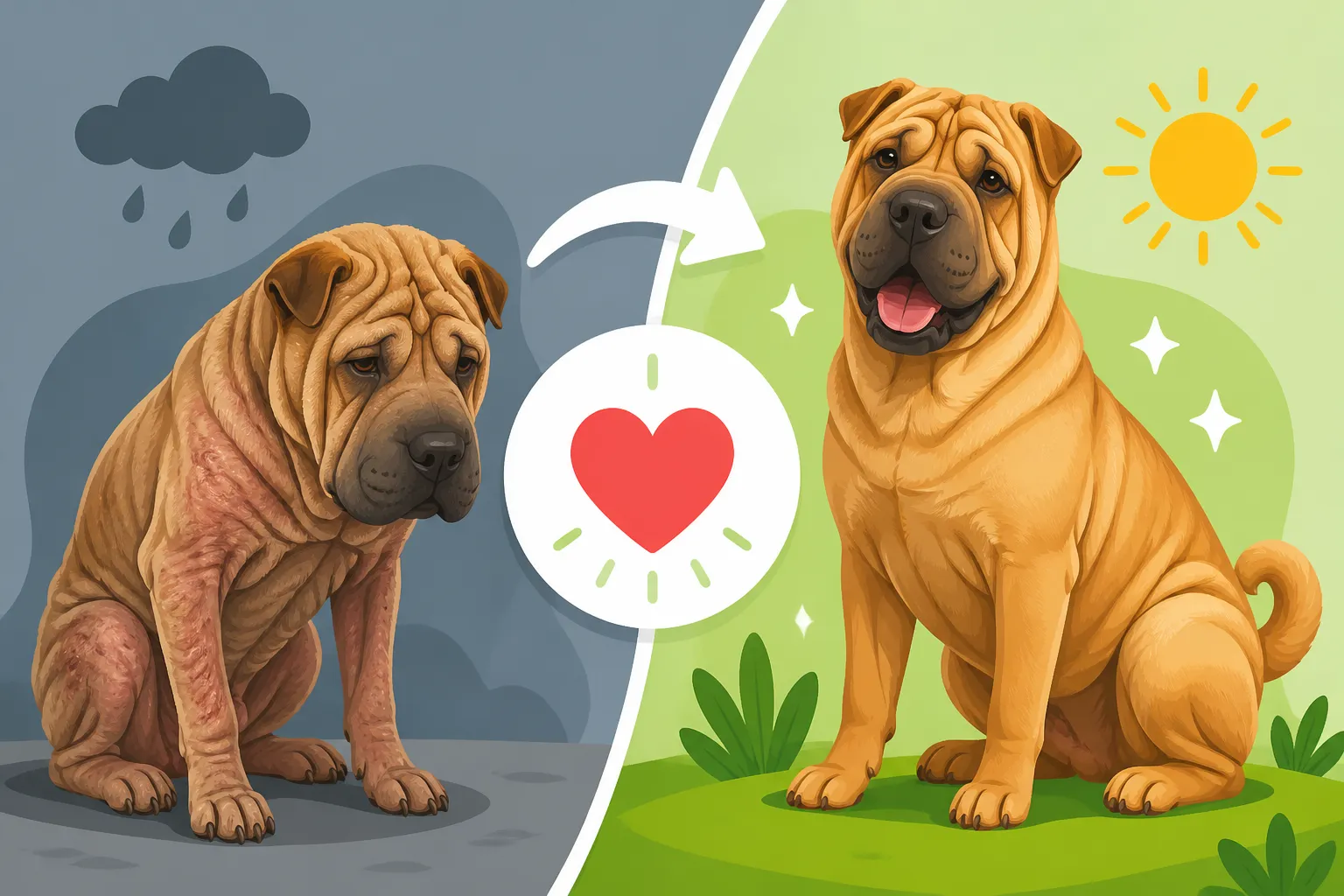
If adopting from a rescue, which is a fantastic option, ensure you get as much medical history as possible. Many Shar Pei in rescues are there due to health issues their previous owners couldn't manage. Being prepared for these challenges, both emotionally and financially, is crucial. This includes budgeting for routine specialized care, potential emergency vet visits, and possibly pet insurance. A well-prepared and educated owner can provide their Shar Pei with the best possible chance at a long, healthy, and happy life, celebrating their unique charm while proactively addressing their specific needs.
A Comparative Look at Shar Pei Health
To truly understand the impact of its rescue and subsequent breeding choices, it's helpful to see how the Shar Pei's health profile stacks up against breeds with similar aesthetic traits or those that also faced genetic bottlenecks. This comparison underscores the unique challenges faced by this beloved breed.
Shar Pei vs. Other Wrinkled Breeds
The Shar Pei isn't the only dog breed known for its wrinkles, but the nature and extent of its wrinkling, and the associated health issues, are often distinct. Consider the English Bulldog or the Pug, both breeds with significant facial folds. While these breeds also suffer from skin fold dermatitis and often require diligent cleaning of their wrinkles, the Shar Pei's genetic predisposition to FSF and amyloidosis, directly linked to the HAS2 gene responsible for its wrinkles, sets it apart. The Bulldogs and Pugs contend more with brachycephalic airway syndrome due to their shortened snouts, a different set of challenges.
The severity of entropion in Shar Pei puppies is also often more pronounced compared to other breeds with loose facial skin, frequently requiring surgical correction. It's a spectrum, and the Shar Pei often sits at an extreme end for the sheer volume of skin and the systemic issues it brings. The Shar Pei Against the Other Wrinkled Breeds reveals that while similarities exist, the Shar Pei's internal inflammatory response tied to its wrinkle gene creates a unique health burden that few other breeds share to the same degree.
The Impact of Genetic Bottlenecks on Other Breeds
The Shar Pei's genetic bottleneck, caused by its near extinction, is not an isolated phenomenon in the dog world. Many purebred dogs have experienced genetic bottlenecks at various points in their history, often due to war, disease, or extreme selective breeding for specific traits. For instance, some herding breeds were nearly wiped out during World War I and II, leading to significant reductions in their gene pools. The result for many of these breeds has been an increased prevalence of specific inherited conditions, sometimes affecting joints, sometimes eyes, and sometimes metabolic functions.
However, the Shar Pei's situation is particularly stark due to the rapid expansion from such a small founder population and the intense selection for its most exaggerated physical trait—the wrinkles—which itself carries the genetic predisposition for systemic inflammation and the fatal amyloidosis. This combination makes the Shar Pei's health story a potent cautionary tale about the unintended consequences of well-intentioned rescue efforts and subsequent breeding choices. It highlights the delicate balance between preserving a breed's unique identity and safeguarding its long-term health and welfare.
Practical Steps for Shar Pei Owners
Living with a Shar Pei is a journey filled with love, laughter, and sometimes, a bit of worry. Being proactive and informed is your best defense against the health challenges that come with the breed. Here are some practical steps every Shar Pei owner should consider.
Daily Care and Vigilance
Your Shar Pei's unique anatomy demands consistent, diligent daily care. This includes checking and cleaning their skin folds regularly to prevent skin fold dermatitis. Use a soft cloth or specific Shar Pei wipes, ensuring the folds are thoroughly dried afterwards. Pay special attention to facial folds, neck rolls, and even tail pockets. Brands like Chewy often carry a variety of appropriate cleaning solutions and wipes. Similarly, their ears need frequent attention. Due to their narrow canals, they are prone to infections. Regular cleaning with a vet-approved ear cleaner can help, but always ensure the ear is completely dry afterwards. If you notice any redness, discharge, or foul odor, consult your vet immediately.
Beyond physical checks, be vigilant for signs of Familial Shar Pei Fever. Keep a rectal thermometer on hand—it's the most accurate way to check your dog's temperature. If your Shar Pei seems lethargic, refuses food, is panting excessively, or has swollen hocks, take their temperature. A temperature above 103°F (39.4°C) warrants a call to your vet. Keep a log of fever episodes, noting duration, symptoms, and any potential triggers. This detailed information can be invaluable for your vet in diagnosis and management. What a Shar Pei Owner Should Have at Home includes these essential tools.
Regular Veterinary Check-ups and Monitoring
Establishing a strong relationship with a veterinarian who understands the Shar Pei breed's specific health concerns is crucial. Don't hesitate to ask if your vet has experience with Shar Pei. Beyond routine vaccinations and parasite control, your Shar Pei will benefit from regular health screenings, especially as they age. Early and consistent kidney monitoring is vital due to the risk of amyloidosis. This typically involves annual (and sometimes twice-yearly for older dogs) blood tests to check kidney function (BUN, creatinine, phosphorus) and, critically, a urine protein-to-creatinine (UPC) ratio test. The UPC ratio is an early indicator of protein leakage in the kidneys, which can signal the onset of amyloidosis before other symptoms appear.
Discuss with your vet whether prophylactic medications like colchicine are appropriate for your Shar Pei, particularly if they have a history of FSF. Eye examinations should also be part of routine check-ups, especially for puppies, to catch entropion early. If you notice any eye irritation, squinting, or discharge, seek veterinary attention promptly. Proactive care, rather than reactive treatment, can significantly improve your Shar Pei's quality of life and potentially extend their lifespan.
| Condition | Primary Cause | Common Symptoms | Recommended Management / Monitoring |
|---|---|---|---|
| Familial Shar Pei Fever (FSF) | HAS2 gene duplication (excess hyaluronic acid) | Sudden high fever, lethargy, swollen hocks, abdominal pain | Veterinary visit during episode, Colchicine (prophylactic), Fever log, Rectal thermometer |
| Amyloidosis | Chronic inflammation from FSF, amyloid protein deposits | Increased thirst/urination, weight loss, lethargy (late stage kidney failure) | Regular UPC ratio tests (urine), Blood tests (kidney function), Renal diet, Fluid therapy |
| Entropion | Excessive facial wrinkles, inward-rolling eyelids | Eye irritation, tearing, squinting, corneal ulcers, vision impairment | Temporary tacking (puppies), Permanent surgical correction |
| Skin Fold Dermatitis | Trapped moisture, heat, debris in skin folds | Redness, inflammation, foul odor, itching, secondary infections | Daily cleaning & drying of folds, Medicated wipes/shampoo, Antibiotics/Antifungals |
| Ear Infections | Narrow ear canals, poor ventilation, trapped moisture | Head shaking, scratching, discharge, foul odor, pain, redness | Regular ear cleaning, Prescription ear drops, Ear cultures, Surgery (TECA) in severe cases |
| Allergies | Environmental or food triggers | Itching, skin redness, hair loss, ear infections, secondary skin infections | Elimination diet, Allergy testing, Antihistamines, Immunotherapy, Medicated shampoos |
Disclaimer
This article is for general informational purposes only and does not constitute professional advice. Laws, prices and regulations vary by location and change over time. Consult a qualified professional for guidance on your specific situation.