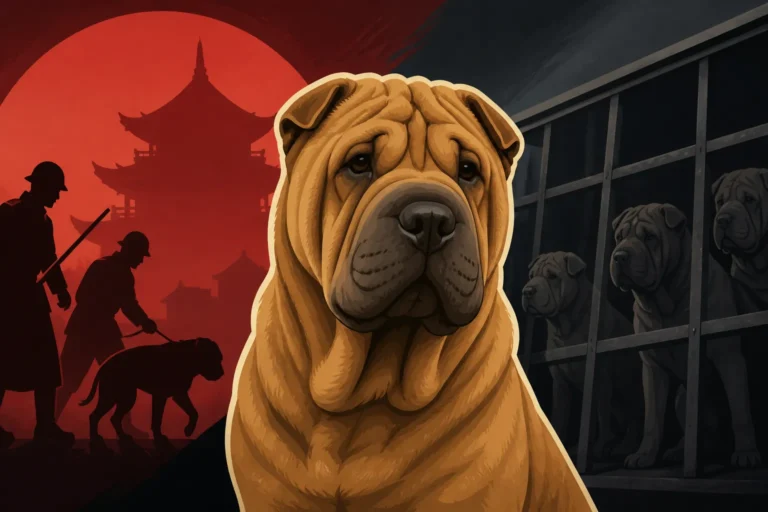
One Letter to a Dog Magazine Saved the Shar Pei
It’s a truly humbling thought to consider that the magnificent Shar Pei breed, with its distinctive wrinkles and fiercely loyal spirit, nearly vanished from the face of the earth. We often admire them in parks or as cherished family members without realizing the incredible, almost miraculous, story of their survival. This guide delves into the precarious existence of the Shar Pei in the mid-20th century and the extraordinary efforts that brought them back from the very brink of extinction.
The Brink of Extinction: Why the Shar Pei Almost Vanished
Imagine a world where the Shar Pei simply didn't exist anymore, a world where those soulful eyes and unique loose skin were just a memory or a rare historical drawing. For a time, this was a very real possibility. The Shar Pei, an ancient breed with roots deep in China, faced a perfect storm of political, economic, and social upheaval that pushed it to the absolute edge of survival. It wasn't just a decline in numbers; it was a wholesale, systematic eradication that threatened to wipe them out completely.
Historical Context in China and Its Impact on Dog Breeds
For centuries, the Shar Pei served various roles in Chinese society, from loyal guard dogs on farms to companions for royalty, and even as fighting dogs, though that particular aspect is often overstated in modern narratives. They were an integral part of rural life, appreciated for their intelligence, strength, and distinctive appearance. However, China experienced profound changes throughout the 20th century, and these transformations had a devastating effect on dog populations, particularly those breeds associated with traditional or "bourgeois" lifestyles. The Shar Pei, as a breed with a long history and a unique look, found itself caught in this cultural shift.
During this period, dog ownership was often seen as a luxury or an unnecessary expense, and in some contexts, even as a symbol of decadence or a drain on resources. This societal shift meant that many families who once kept dogs were no longer able or willing to do so. The focus shifted entirely to human survival and agricultural productivity, leaving little room for canine companions. It created a climate where keeping dogs became increasingly difficult, both economically and socially, laying the groundwork for the breed's rapid decline.
The Impact of Political and Economic Changes
The most significant blow to the Shar Pei population came with the establishment of the People's Republic of China in 1949 and the subsequent cultural and economic policies. Dogs were often viewed as pests, disease carriers, or simply unproductive mouths to feed during times of scarcity. Large-scale culling campaigns were enacted, particularly in urban areas, to control stray populations and to reallocate resources. Owning a dog became not only impractical but also politically sensitive, leading many owners to abandon or euthanize their pets. This wasn't a matter of neglect; it was a matter of survival for human families, and sadly, their dogs were often casualties of these tumultuous times.
The government also implemented heavy taxes on dog ownership, making it prohibitively expensive for most ordinary families. Imagine having to pay a significant portion of your meager income just to keep a dog – it simply wasn't feasible. This economic pressure effectively eliminated dog ownership for the vast majority of the population. Those few Shar Pei that remained were often hidden away in remote rural areas, living out their lives in isolation, far from any breeding programs or efforts to preserve their lineage. This policy effectively choked off the ability of the breed to regenerate, driving their numbers down at an alarming rate. It’s a somber reminder of how quickly a cherished breed can disappear when societal circumstances turn against it.
The Dire Numbers of the 1970s
By the 1970s, the situation was truly desperate. The Shar Pei was teetering on the precipice of non-existence. The breed was practically unheard of outside of a few isolated pockets in Hong Kong, and even there, numbers were critically low. Experts and enthusiasts worldwide began to sound the alarm, fearing that the breed would be lost forever. It was not merely a case of dwindling popularity; it was an active, observable extinction event unfolding in real-time. The breed's population had plummeted to what many believed was an unrecoverable level.
Estimates from this period are truly shocking. At one point, it was believed that there were Sixty Shar Pei Were Left in 1978 in the entire world. Think about that for a moment – sixty dogs. That's not sixty dogs in a country or a region, but sixty dogs globally. This critically low gene pool posed immense challenges, not just for sheer numbers but for genetic diversity, which is essential for a breed's long-term health and viability. The situation was so dire that Guinness World Records actually recognized the Shar Pei as the rarest dog breed on Earth, a title no breed owner would ever wish for their beloved companion. This grim recognition underscored the urgent need for intervention if the breed was to have any hope of survival. The clock was truly ticking.
Matgo Law and His Desperate Plea
In this bleak landscape, a single voice rose to champion the cause of the Shar Pei, a voice that would ultimately become its savior. This individual, an ardent admirer of the breed, understood the gravity of the situation and knew that if something wasn't done immediately, the Shar Pei would become nothing more than a historical footnote. His actions were a testament to the power of passion and dedication, proving that one person truly can make a profound difference.
Who Matgo Law Was
The hero of our story is Matgo Law, a dedicated breeder living in Hong Kong. He wasn't just a casual dog owner; he was deeply committed to the Shar Pei, having seen firsthand the rapid decline of the breed in his region. Who Matgo Law Was is a crucial piece of this puzzle because his personal connection to these dogs fueled his desperate efforts. He understood their unique characteristics, their history, and the potential loss if they vanished. Law recognized that the problem extended beyond Hong Kong; the entire breed was at risk globally.
His insight wasn't just about preserving dogs, but preserving a piece of living history, a breed with a lineage tracing back centuries in China. He wasn't content to simply lament the situation; he felt a profound responsibility to act. Matgo Law’s determination stemmed from his belief that this unique breed deserved to continue, and that its distinctive traits, both physical and temperamental, were worth fighting for. He knew that conventional methods of breed preservation were no longer viable given the dire circumstances, and that a more radical, global appeal was necessary.
The Content of His Pivotal Letter
Realizing the desperate situation required desperate measures, Matgo Law penned a heartfelt letter in The Year Matgo Law Wrote His Letter, which was 1978. This wasn't a dry, academic treatise; it was a passionate plea, an urgent cry for help directed at anyone who might listen and, crucially, act. His letter painted a stark picture of the Shar Pei's plight, detailing their near-extinction and appealing to dog lovers around the world to assist in their preservation. He didn't just ask for sympathy; he asked for concrete action: for people to find, save, and breed the remaining Shar Pei.
The letter outlined the dire statistics and the cultural factors that had led to the breed's perilous state. It conveyed a sense of urgency and despair, yet also a glimmer of hope that if enough people came together, they could reverse the tide. He emphasized the unique qualities of the Shar Pei – their distinctive appearance, their loyalty, and their ancient heritage – making a compelling case for why this breed was so worthy of saving. It was a plea rooted in both factual accuracy and deep emotional resonance, designed to stir the conscience of the global dog community and mobilize them into action.
The Chosen Platform: Dogs Magazine
To reach the widest possible audience of dedicated dog enthusiasts and breeders, Matgo Law made the strategic decision to submit his letter to Dogs magazine. This publication, a popular and influential American dog magazine of the time, had a broad readership of people deeply invested in the world of purebred dogs. Which Magazine Published the Shar Pei Appeal was critical because it provided the perfect platform to reach individuals with the resources, knowledge, and passion to respond effectively. He understood that a local appeal in Hong Kong wouldn't suffice; he needed an international outcry.
The decision to publish in an American magazine was particularly shrewd because the United States had a strong and active dog fancy, with numerous breeders and enthusiasts dedicated to preserving and promoting various breeds. It was a place where there was both the interest and the infrastructure to potentially mount a rescue effort. The article caught the attention of many, sparking conversations and igniting a movement that would spread far beyond the pages of that single magazine. It was the spark that ignited the flame, turning a desperate whisper into a global shout for help, all thanks to Matgo Law's foresight and the magazine's willingness to amplify his urgent message.
The Unprecedented Response to a Magazine Article
The impact of Matgo Law’s letter was nothing short of astonishing. What started as a desperate plea from one man resonated across continents, mobilizing an international effort to save a breed on the verge of disappearing forever. The response highlighted the incredible power of shared passion within the dog community and demonstrated that even in the face of overwhelming odds, collective action can achieve the seemingly impossible.
How Many Replies the Shar Pei Letter Drew
Once Matgo Law's article hit the newsstands, the response was immediate and overwhelming. How Many Replies the Shar Pei Letter Drew is a testament to the power of his impassioned plea. The offices of Dogs magazine were flooded with inquiries, letters, and offers of assistance from around the world. People were captivated by the story of this unique, ancient breed on the brink of extinction and felt compelled to help. Breeders, veterinarians, and dog lovers alike wanted to know how they could contribute to saving the Shar Pei. It wasn't just a trickle; it was a deluge of support.
This surge of interest wasn't just passive sympathy. Many respondents actively sought out ways to import the remaining dogs, offer financial aid, or establish breeding programs. The article struck a chord, tapping into a collective desire to preserve canine heritage. The sheer volume of responses proved that Matgo Law had indeed found the right audience, and that the global dog community was ready and willing to step up to the challenge. It truly was an unprecedented outpouring of concern and commitment for a single dog breed.
The First Shar Pei to Reach American Shores
Following the publication of the article, a handful of these rare dogs began to make their way from Hong Kong to the United States. These initial imports were critically important, forming the genetic foundation for the breed's resurgence in the West. Each dog was a precious commodity, carrying the hopes of an entire breed on its wrinkled shoulders. The logistical challenges were immense, involving extensive travel, health checks, and careful quarantine procedures. This was far from a simple transaction; it was a complex operation driven by dedication and a shared sense of mission.
These early imports were carefully selected to maximize genetic diversity within the tiny remaining pool, a formidable task given the scarcity. Breeders worked tirelessly to ensure that these founding dogs were healthy and capable of contributing to a viable breeding program. Their arrival in America marked a turning point, signaling the real beginning of the Shar Pei's recovery. Without these initial pioneers and the committed individuals who facilitated their journey, the story of the Shar Pei might have had a very different, and much sadder, ending.
The Rise to Fame: From Rarest to Recognized
The dramatic story of the Shar Pei's near-extinction and subsequent rescue quickly captured the public's imagination. Once virtually unknown, the breed rapidly gained notoriety. Its unique appearance, combined with the compelling narrative of its survival, made it a fascinating subject for media attention. Articles and features about the "rarest dog in the world" appeared in various publications, further fueling public interest and demand. This newfound fame transformed the breed's status from obscure to iconic almost overnight.
Within a relatively short period, the Shar Pei transitioned from being an unknown rarity to one of the most talked-about and sought-after breeds in the dog world. This explosion in popularity led to its eventual recognition by major kennel clubs, including the American Kennel Club (AKC). The process of recognition is rigorous, requiring a certain number of dogs, geographical distribution, and established breed standards. The Shar Pei's journey through this process was incredibly swift, a direct result of the intense interest and coordinated efforts ignited by Matgo Law's letter. This rapid ascent was both a blessing and, as we'll explore, a challenge for the breed's long-term health.
The Shar Pei's Resurgence: From Rarity to Popularity
The incredible story of the Shar Pei's rescue quickly transformed it from a historical footnote into a global phenomenon. Its unique appearance, coupled with the compelling narrative of its near-extinction, captured the hearts and minds of dog lovers everywhere. However, this meteoric rise in popularity, while undoubtedly saving the breed from vanishing, also brought with it a new set of challenges and complexities that continue to impact the breed today.
How Fast Shar Pei Numbers Recovered
The speed at which the Shar Pei population recovered following Matgo Law's appeal was truly remarkable. Once considered the rarest dog on Earth, their numbers began to climb steadily as dedicated breeders in the West, particularly in the United States, committed themselves to establishing viable breeding programs. The enthusiasm for the breed was palpable, and within a few short years, what had been a critically endangered population began to flourish. This rapid expansion was fueled by a combination of public fascination and the tireless work of preservationists who recognized the unique value of the breed.
However, this rapid growth also meant that the small genetic pool from which all modern Shar Pei descended was stretched considerably. The initial handful of imported dogs became the ancestors of thousands, meaning that genetic bottlenecks and inherited conditions became a significant concern. While the immediate threat of extinction was averted, a new, more subtle threat emerged: the potential for a concentrated genetic predisposition to certain health issues. It's a classic double-edged sword: numbers increased, but the depth of genetic variety remained limited. How Fast Shar Pei Numbers Recovered is a testament to dedicated human effort, but also a cautionary tale about the implications of such a narrow founding population.
The Shar Pei Boom and Its Challenges
The surge in Shar Pei popularity during the 1980s and 1990s, often referred to as the "Shar Pei boom," brought both positive attention and significant challenges. On the positive side, it cemented the breed's survival and introduced its unique charm to a global audience. People were drawn to their distinctive appearance, loyal nature, and the romantic story of their rescue. This increased demand meant that more resources were poured into breeding, showing, and understanding the breed, which helped to establish it firmly in the canine world.
However, the immense demand also attracted less scrupulous breeders who were more interested in profit than in the long-term health and integrity of the breed. These individuals often bred dogs indiscriminately, without proper health screening or consideration for temperament. The focus shifted to producing puppies quickly to meet market demand, sometimes at the expense of sound breeding practices. This period led to an increase in health problems and some variations in temperament, as the emphasis on careful genetic selection was sometimes overlooked in the rush to produce more puppies. The breed's unique wrinkles, initially a characteristic, became exaggerated by some breeders seeking to capitalize on what made the Shar Pei so distinct, often with detrimental health consequences. Whether the Shar Pei Boom Damaged the Breed is a question many enthusiasts still debate, recognizing both the good and the bad that came with such rapid fame.
The Shar Pei in the Modern Dog World
Today, the Shar Pei holds a secure, albeit sometimes controversial, place in the global dog world. They are recognized by all major kennel clubs, actively participate in dog shows, and are cherished companions in countless homes. Their unique look continues to draw admirers, but responsible ownership and breeding practices have become paramount. There's a much greater awareness within the breed community about the importance of health testing and maintaining genetic diversity, given the breed's history. Organizations and dedicated breeders work tirelessly to educate the public and support ethical breeding.
For example, many reputable Shar Pei breeders now prioritize health screenings for common breed ailments, working to mitigate the genetic legacy of the bottleneck. They often collaborate with veterinary specialists and geneticists to make informed breeding decisions. When looking for a Shar Pei, it's crucial to seek out breeders who are transparent about their dogs' lineage and health clearances, and who focus on producing healthy, well-socialized puppies. Even purchasing basic supplies for a Shar Pei today, whether it's specialized food or grooming tools, can be easily done through reputable online retailers like Chewy, allowing owners to focus on their dog's specific needs with confidence. This current landscape is a direct descendant of the whirlwind of the 1980s, where initial excitement has matured into a more nuanced understanding of breed responsibility.
The Health Consequences of a Near-Extinction Event
While the rescue of the Shar Pei from oblivion is a heartwarming tale of perseverance, it's crucial to acknowledge the long-term ramifications of such a narrow genetic bottleneck. When a breed's population dwindles to such dangerously low numbers, the genetic diversity within that population becomes severely limited. This lack of genetic variation has profound implications for the breed's health, making them more susceptible to certain hereditary conditions that are now characteristic of the Shar Pei.
How a Narrow Gene Pool Impacts Health
Imagine taking a tiny handful of people and asking them to repopulate the entire planet. The resulting population would carry a very limited set of genetic traits, both good and bad. This is precisely what happened with the Shar Pei. How Narrow the Shar Pei's Founding Gene Pool Was meant that any genetic predispositions present in those initial few dozen dogs were amplified throughout the subsequent generations. If a handful of those founding dogs carried a gene for a specific health condition, that gene would become far more prevalent in the recovering population than it would in a breed with a broad, diverse genetic background.
This phenomenon is known as the founder effect, and it has undeniably shaped the Shar Pei's health profile. Conditions that might have been rare or easily bred out in a more diverse population became much more common, almost intrinsic to the breed. It's not that these dogs were inherently "unhealthy" at their origin, but rather that the lack of genetic options made it difficult to dilute or eliminate undesirable genetic traits. The limited gene pool meant that breeders had fewer choices to work with when trying to select for robust health and against inherited ailments, inadvertently perpetuating certain vulnerabilities.
Familial Shar Pei Fever and Amyloidosis: A Dire Link
Perhaps the most recognized and devastating health consequence of the Shar Pei's genetic bottleneck is the prevalence of Familial Shar Pei Fever (FSF) and its deadly complication, Amyloidosis. FSF is an inflammatory disease unique to the breed, characterized by recurrent episodes of fever, swelling of the hocks, and general malaise. It's caused by a mutation, or more accurately, a copy number variation of a gene called HAS2, which is also responsible for their excessive wrinkles. While the fever itself is distressing, the long-term danger lies in Amyloidosis.
Amyloidosis occurs when abnormal protein deposits (amyloid) build up in organs, primarily the kidneys, leading to organ failure. Amyloidosis Is What Actually Kills a Shar Pei, and it's a direct, tragic consequence of recurrent FSF episodes. The chronic inflammation associated with FSF triggers the body to produce these amyloid proteins, which then accumulate and destroy vital organ function. Not every Shar Pei with FSF will develop severe amyloidosis, but the link is undeniable and serious. This condition represents the stark reality of how genetic predisposition, exacerbated by a constrained gene pool, can lead to chronic, life-threatening diseases that require vigilant management and monitoring throughout a Shar Pei's life.
Other Common Health Concerns in the Breed
Beyond FSF and amyloidosis, the Shar Pei is unfortunately prone to a range of other health issues, many of which can be attributed to their unique physical characteristics and the limited genetic diversity. Their distinctive wrinkles, while charming, can lead to Skin Fold Dermatitis on a Shar Pei, as moisture and bacteria get trapped in the folds, causing infections. Similarly, their deeply set eyes, often surrounded by heavy wrinkles, make them highly susceptible to entropion, a condition where the eyelid rolls inward, causing eyelashes to rub against the cornea. Entropion in a Shar Pei Puppy Is an Emergency, Not a Cosmetic Issue because it can lead to corneal ulcers and even blindness if left untreated.
Their unique ear canal structure is another common trouble spot. A Shar Pei Has the Narrowest Ear Canals of Any Breed, which makes them prone to chronic ear infections. The narrowness and often folded nature of the ear canal create a warm, moist environment perfect for yeast and bacteria to thrive, making routine cleaning and veterinary care essential. Furthermore, immune system deficiencies, such as IgA deficiency, and thyroid problems like hypothyroidism are also more prevalent in the breed. All these conditions, while not all directly linked to the FSF gene, are often considered part of the broader health challenges arising from the breed's genetic past, emphasizing the importance of responsible breeding and proactive veterinary care for every Shar Pei owner.
Evolution of the Breed: From Traditional to Modern Shar Pei
The story of the Shar Pei's revival isn't just about numbers; it's also about physical evolution. The breed we recognize today, with its heavily wrinkled head and often substantial "meat mouth," is quite different in appearance from the more traditional Shar Pei that existed before the near-extinction event. This transformation is a direct result of selective breeding during the breed's recovery, driven by both aesthetic preferences and, unfortunately, sometimes by a misunderstanding of healthy breed traits.
Meat Mouth vs. Bone Mouth: A Shift in Appearance
Before the 1970s, the Shar Pei was generally a leaner, more athletic dog with fewer wrinkles, particularly around the muzzle. This more traditional type is often referred to as the "bone mouth" Shar Pei, characterized by a flatter, less padded muzzle and a more streamlined body. What a Bone Mouth Shar Pei Is highlights a dog that was historically bred for utility – guarding, hunting, and fighting – where extreme wrinkles would have been a hindrance. Their skin was loose, but not in the exaggerated way we often see today.
The "meat mouth" Shar Pei, conversely, is the type that became popular during and after the breed's rescue. What a Meat Mouth Shar Pei Is refers to the distinctively padded, often massive muzzle, and copious wrinkles covering the head and sometimes the body. This appearance became the preferred look in Western show rings and among the general public. Breeders, striving to create a unique and eye-catching dog, inadvertently or intentionally selected for these exaggerated features. This shift wasn't just aesthetic; it brought with it potential health implications, as extreme wrinkles can exacerbate skin and eye issues, and a very padded muzzle can sometimes affect breathing.
| Feature | Traditional "Bone Mouth" Shar Pei | Modern "Meat Mouth" Shar Pei |
|---|---|---|
| Muzzle | Flatter, less padded, more pronounced bone | Heavily padded, substantial, sometimes jowly |
| Wrinkles | Fewer, primarily on head and neck | Numerous, often covering head and body |
| Body Build | More athletic, leaner | More substantial, stockier |
| Historical Role | Utility, guarding, fighting | Companion, show dog |
| Prevalence | Rare, foundational | Common, dominant in Western populations |
The Influence of Western Breeding Preferences
The Western world's fascination with the Shar Pei, particularly after its near demise, significantly influenced its physical characteristics. When the breed arrived in the US, breeders and kennel clubs began to establish a written standard, which inevitably codified certain traits. Unfortunately, the more exaggerated features, particularly the wrinkles and the "meat mouth," were often favored in the show ring. This created a strong incentive for breeders to select for these traits, often pushing the boundaries of what was healthy or functional. Whether Western Breeders Made the Shar Pei Wrinklier is a question with a clear answer: yes, to a significant extent.
The desire for a truly distinctive dog, unlike any other, led to a preference for more and more wrinkles. While these traits certainly made the Shar Pei visually striking, they weren't necessarily beneficial for the dog's health or original purpose. The focus shifted from the functional, practical dog of rural China to a more stylized, unique companion animal for Western households. This isn't to say all Western breeding was detrimental; many dedicated breeders have always prioritized health. However, the commercial pressures and aesthetic trends undeniably pulled the breed in a more extreme direction, impacting its structure and overall wellbeing.
The Role of Wrinkles in Health Issues
The very feature that makes the Shar Pei so unique – its wrinkles – is also inextricably linked to many of its common health problems. While some wrinkles are characteristic of the breed, excessive wrinkling, particularly around the face and body, can lead to a host of issues. The deep folds trap moisture, dirt, and bacteria, creating an ideal breeding ground for yeast and bacterial infections, leading to painful skin conditions like pyoderma or skin fold dermatitis. This means constant vigilance and cleaning are necessary, with products often found at places like Chewy.
Furthermore, the excess skin around the eyes is a primary cause of entropion, where the eyelids roll inward, causing the eyelashes to rub against the delicate cornea. This constant irritation can lead to chronic pain, corneal ulcers, and even permanent vision damage if not corrected, often requiring surgical intervention. The gene responsible for these excessive wrinkles, HAS2, is also the same gene implicated in Familial Shar Pei Fever. This critical link highlights the complex relationship between the breed's distinctive appearance and its underlying genetic health challenges. While the wrinkles are beloved by many, understanding their impact on a Shar Pei's health is crucial for responsible ownership and breeding.
The Enduring Legacy of the Rescue Effort
The story of the Shar Pei’s journey from near extinction to global recognition is a powerful testament to the dedication of individuals and the resilience of a breed. However, this remarkable rescue also left an enduring legacy, shaping not only the physical characteristics of the Shar Pei but also raising critical questions about breeding practices, genetic diversity, and the responsibility of modern dog ownership. The implications of that pivotal letter in Dogs magazine continue to resonate today.
The Impact on the Breed's Genetic Diversity
While the successful recovery of the Shar Pei population was a triumph, it came at a significant cost to the breed's genetic diversity. Starting with such a small number of individuals, even with careful breeding, means that the entire modern Shar Pei population descended from a very limited gene pool. This lack of genetic variation makes the breed inherently more vulnerable to hereditary diseases and reduces its overall resilience. It's like building an entire city from just a few types of bricks – if those bricks have a flaw, the whole city is at risk.
This genetic bottleneck means that desirable traits, such as longevity or disease resistance, may be less prevalent, while undesirable traits or predispositions to certain illnesses are more concentrated. Responsible breeders today face the monumental task of trying to manage these inherited conditions and slowly, carefully, broaden the genetic base where possible. It’s a delicate balance of preserving the breed’s unique characteristics while simultaneously striving to improve its overall health and vitality for future generations. The challenges are ongoing, and the breed's history dictates that genetic considerations must always be at the forefront of any breeding program.
Shar Pei Health Today: A Call for Responsible Breeding
In light of the breed's history and its known health challenges, responsible breeding is more critical than ever for the Shar Pei. A responsible breeder goes far beyond simply producing puppies; they are committed to the long-term health and welfare of the breed. This means conducting extensive health screenings for conditions like FSF, amyloidosis, entropion, hip and elbow dysplasia, and thyroid issues. They should be transparent about the health history of their breeding stock and willing to discuss potential hereditary problems. Resources and information on these breed-specific health issues are abundant, from specialist veterinarians to comprehensive databases that track disease prevalence.
Responsible breeders also focus on temperament, ensuring that their dogs are well-socialized and have stable personalities, suitable for family life. They prioritize genetic diversity within their breeding program, carefully selecting mates to avoid exacerbating existing predispositions. This is a commitment that involves significant investment in time, money, and expertise. For prospective owners, it means seeking out these ethical breeders, asking detailed questions, and being prepared for the financial and emotional commitment that comes with owning a breed with known health vulnerabilities. It’s a partnership between the breeder and the owner to ensure the best possible life for these remarkable dogs.
The Shar Pei Owner's Lifelong Commitment
Owning a Shar Pei is a truly unique and rewarding experience, but it also comes with a significant commitment to proactive care and vigilance. Given their genetic predispositions, Shar Pei owners often find themselves more attuned to their dog's health needs than owners of some other breeds. This isn't a burden, but rather a loving responsibility to a dog that was quite literally saved for us to enjoy. A Shar Pei owner should be prepared for the possibility of managing chronic conditions, from regular fold cleaning to potential fever episodes or eye treatments. Being proactive about veterinary care, including regular check-ups and early screening for conditions like kidney disease, is essential. The Age a Shar Pei Should Start Kidney Monitoring is often recommended to be around two years old, highlighting the importance of early intervention.
Building a relationship with a veterinarian who understands the specific health challenges of the Shar Pei is invaluable. It’s important to have an emergency fund or consider pet insurance to help cover the costs associated with potential health issues. Furthermore, continued education about the breed's needs, from diet to exercise and environmental considerations, is vital. For example, keeping a Shar Pei cool in warm weather is crucial, as their unique physiology can make them prone to overheating. Tools like cooling mats or vests, easily purchased from pet supply stores like Chewy, can be invaluable. Ultimately, the legacy of the Shar Pei's rescue means that every owner becomes a steward of its continued well-being, embracing the special care and attention this magnificent breed deserves.
Disclaimer
This article is for general informational purposes only and does not constitute professional advice. Laws, prices and regulations vary by location and change over time. Consult a qualified professional for guidance on your specific situation.