What a Bone Mouth Shar Pei Is
So, you're diving into the fascinating world of Shar Pei, and you've stumbled across terms like "Bone Mouth" and "Meat Mouth." It can feel a bit like learning a secret language, especially when you're trying to understand the nuances of this incredible breed. Many prospective owners get really confused by these distinctions, wondering if it's just about looks or if it actually impacts a dog's health and temperament. This guide is here to untangle the mystery of the Bone Mouth Shar Pei, explaining what it is, how it differs, and why it holds such a special place in the breed's history.
Unpacking the "Bone Mouth" Shar Pei Identity
When we talk about a "Bone Mouth" Shar Pei, we're really stepping back in time to the breed's origins. Imagine the Shar Pei as it existed for centuries in rural China – a utilitarian, working dog, not the exaggerated show dog many are familiar with today. The term "Bone Mouth" directly refers to the more traditional structure of its muzzle, which is leaner, less padded, and frankly, more functional for a dog that needed to hunt and guard. It’s a term that describes a specific physical type, one that was nearly lost to history.
Defining the Traditional Look
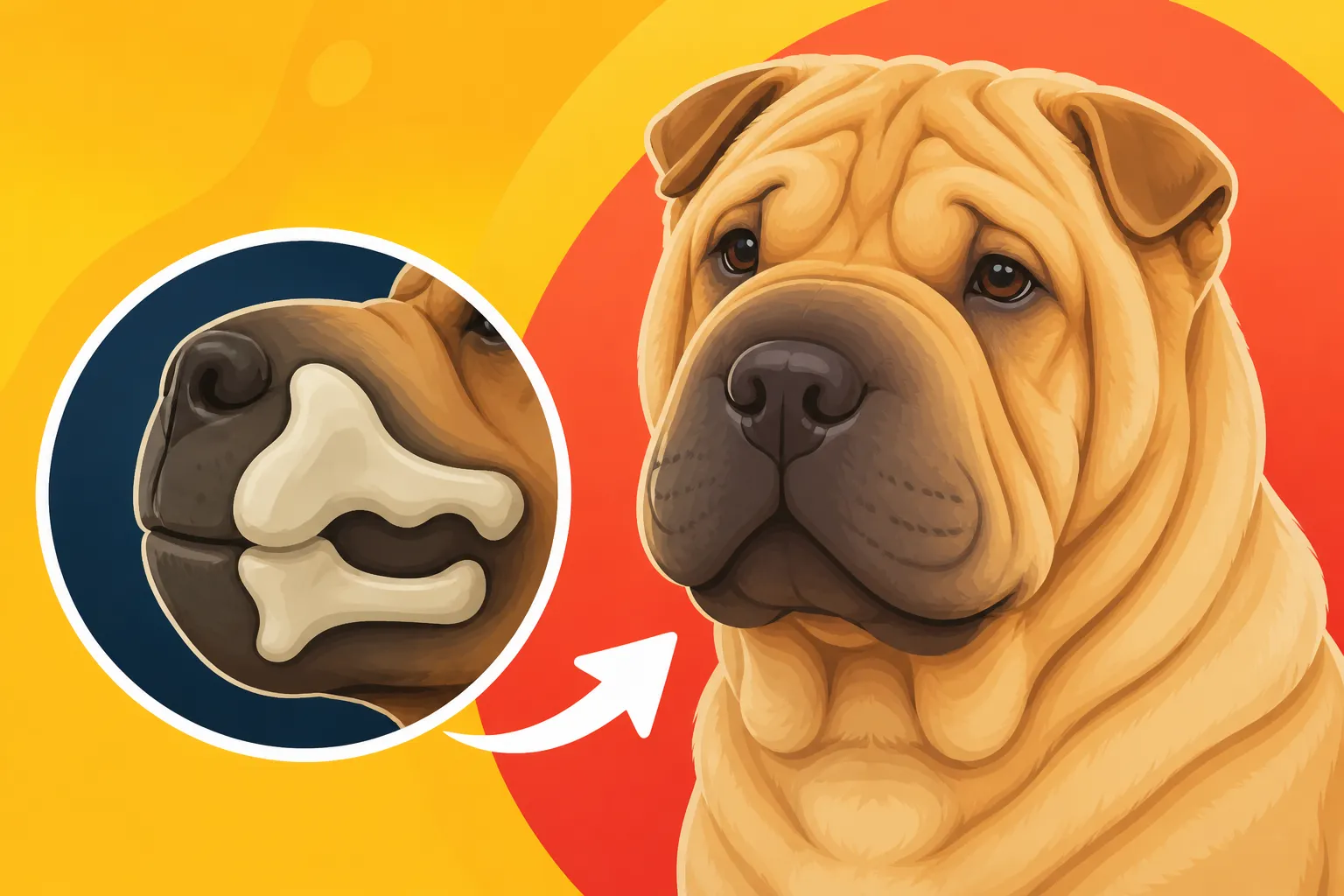
A Bone Mouth Shar Pei possesses a distinct set of physical characteristics that set it apart from its "Meat Mouth" counterparts. The most defining feature is, of course, the muzzle. It’s not broad and heavily cushioned; instead, it's more refined and tapering, revealing the bone structure beneath. Think of it as a less "fleshy" or "puffy" face. This leaner muzzle often goes hand-in-hand with a more proportionate head, which isn't as massively large relative to the body.
Beyond the head, you'll notice that the wrinkling is significantly less extreme on a Bone Mouth. While a Shar Pei is certainly defined by its wrinkles, the traditional Bone Mouth typically features moderate folds, primarily concentrated on the head and neck, with a much smoother body. This isn't to say they're wrinkle-free; rather, their folds are functional, allowing for protection without creating pockets that can trap moisture and debris. Their overall build tends to be more athletic and agile, reflecting their heritage as capable working dogs rather than sedentary companions. They carry themselves with an alert, dignified posture, always ready for action.
A Glimpse into the Past
To truly understand the Bone Mouth, you have to appreciate its historical context. This was the Shar Pei that shared its life with Chinese peasants and farmers for hundreds of years. It was a multi-purpose dog, tasked with a wide array of jobs that demanded intelligence, toughness, and an athletic physique. What a Shar Pei Was Originally Bred to Do included everything from guarding livestock and property, to hunting wild boar, and even, sadly, participating in dog fighting. For these roles, an overly wrinkled, heavy-set dog would have been a hindrance.
The leaner muzzle and fewer wrinkles meant better vision, fewer skin issues, and less interference with breathing, all crucial for a dog working in challenging environments. This physical form was shaped by necessity and natural selection, favoring dogs that could perform their duties effectively and survive harsh conditions. The Bone Mouth isn't just a look; it's a testament to the breed's original purpose and resilience, embodying the functional elegance of its ancestors. It’s a stark reminder of how far the breed has evolved, or perhaps, devolved in some interpretations, from its practical roots.
The Distinctive Features of a Bone Mouth Shar Pei
The differences between a Bone Mouth and a Meat Mouth Shar Pei are more than just cosmetic. They represent distinct lines of development within the breed, each with its own set of implications for health and temperament. When you see them side-by-side, the distinctions become quite clear, though it often takes a trained eye to truly appreciate the subtle nuances, especially as many dogs can fall somewhere in between the two extremes.
Comparing Muzzle and Head Structure
The most obvious distinguishing characteristic lies in the muzzle and overall head shape. A "Meat Mouth" Shar Pei is characterized by a very broad, heavily padded muzzle, often described as resembling a hippopotamus's snout. This is due to an abundance of extra tissue and fat, giving the face a full, puffed-up appearance. It's a look that became highly sought after during the Shar Pei's rise to popularity in the West. You can read more about this type here: What a Meat Mouth Shar Pei Is.
In contrast, the Bone Mouth Shar Pei has a much more slender, less fleshy muzzle. You can literally see the bone structure, especially around the jawline. The lips are tighter, and the overall head is more proportionate to the body, lacking the heavy, almost blocky appearance of its Meat Mouth cousin. This difference isn't just about aesthetics; it can impact things like breathing and even how they eat. Some Meat Mouths can experience mild breathing difficulties due to the excessive tissue, similar to brachycephalic breeds, although not typically as severe. The Bone Mouth's leaner structure generally avoids these issues, allowing for clearer airways and a more natural bite.
Wrinkles and Overall Body Type
Another critical distinction lies in the amount and placement of wrinkles. The Meat Mouth often exhibits extreme wrinkling, not just on the face and head, but frequently extending over the entire body, creating deep folds and rolls of skin. While undeniably cute in a puppy, this level of wrinkling can lead to significant health challenges, such as skin fold dermatitis.
The Bone Mouth, on the other hand, possesses moderate wrinkling. Their wrinkles are primarily concentrated around the face, head, and neck, with a much tighter, smoother coat over the rest of the body. These folds are typically less deep and less prone to trapping moisture and debris. This cleaner skin profile generally translates to fewer instances of skin infections and irritations. Furthermore, the body type of a Bone Mouth is typically more athletic and streamlined. They tend to be slightly taller and more agile, with a less stocky build. This physique is a direct reflection of their original working heritage, where agility and endurance were paramount. The differences in body conformation also affect how they move and carry themselves, often appearing more graceful and less cumbersome than some of the more heavily wrinkled Shar Pei.
| Feature | Bone Mouth Shar Pei | Meat Mouth Shar Pei |
|---|---|---|
| Muzzle Shape | Leaner, narrower, more defined bone structure | Broad, heavily padded, "hippo-like" snout |
| Head Size | More proportionate to body, less massive | Often large and blocky, disproportionate to body |
| Wrinkling | Moderate, primarily on head/neck, smoother body | Extreme, often on face, head, and extensive body folds |
| Body Type | Athletic, streamlined, agile, functional | Stockier, heavier build, less agile |
| Ear Placement | Can sometimes appear slightly larger or more open | Often deeply set within head folds, sometimes leading to narrow ear canals |
| Eye Exposure | Generally better, less likely to need tacking | More prone to entropion due to excessive facial folds |
| Historical Tie | Closer to original working type | Product of Western selective breeding for aesthetics |
The Historical Journey: From Working Dog to Rarity
The journey of the Shar Pei from a common working dog in China to a globally recognized, yet often misunderstood, breed is a fascinating and somewhat bittersweet tale. The Bone Mouth Shar Pei plays a crucial role in the initial chapters of this story, representing the breed's authentic past before external influences drastically altered its appearance and health trajectory. Its shift from prevalence to rarity is a direct consequence of shifting breeding priorities.
The Bone Mouth as the Original Prototype
For centuries, the Shar Pei in China was a dog of purpose, ingrained in the daily lives of its owners. It wasn't bred for aesthetics or extreme features; it was bred for functionality and resilience. The Bone Mouth was, unequivocally, the original prototype. Its physical characteristics – the lean muzzle, moderate wrinkles, and athletic build – were all adaptations for the demanding jobs it performed. Whether it was herding, guarding, or hunting, the dog needed to be robust, agile, and free from debilitating physical traits.
Historical records, ancient artwork, and even photographs from the early 20th century depict a Shar Pei that closely resembles the Bone Mouth type. These dogs were revered for their loyalty, strength, and protective instincts. They were integral members of the family unit, contributing significantly to survival in often harsh rural environments. To truly appreciate the Shar Pei, one must understand that the Bone Mouth represents the breed in its most authentic, unadulterated form – a living piece of canine history that embodies the true spirit and original design of the breed. Whether the Bone Mouth Is the Original Shar Pei is not really a question for those familiar with the breed's origins.
How Western Breeding Trends Reshaped the Breed
The story takes a significant turn when the Shar Pei was introduced to the Western world, particularly in the 1970s, after a famous plea to save the breed from extinction in China. This sudden influx into a new cultural context, coupled with rapid popularity, led to a dramatic shift in breeding goals. Western breeders, often influenced by a desire for unique or exaggerated features that would stand out in the show ring, began to selectively breed for more extreme traits.
The "Meat Mouth" Shar Pei, with its heavily padded muzzle and profuse wrinkling, became the fashionable ideal. This aesthetic was perceived as more distinctive and garnered attention, leading to a rapid increase in breeding for these traits. Unfortunately, this intense focus on exaggerated features often came at the expense of health and functionality. The very characteristics that made the Meat Mouth appealing – the deep folds and ample skin – also introduced or exacerbated a host of breed-specific health issues. You can explore Why the Meat Mouth Became the Standard to understand the driving forces behind this transformation. This period of rapid expansion and selective breeding for extreme aesthetics inadvertently pushed the traditional Bone Mouth type into obscurity, making it a rare sight today. It's a classic example of how human preference can dramatically reshape a breed, sometimes with unintended consequences for its well-being.
Health, Temperament, and the Bone Mouth Advantage
When considering a Shar Pei, health and temperament are paramount. While all Shar Pei can be wonderful companions, the structural differences between Bone Mouth and Meat Mouth types can sometimes lead to variations in their health profiles and even influence their interaction with the world. It’s not just about what they look like; it’s about how those looks affect their quality of life.
Potential Health Benefits of Fewer Wrinkles
One of the most significant advantages often cited for the Bone Mouth Shar Pei is its generally healthier physical conformation, primarily due to fewer wrinkles. While Shar Pei are known for their folds, excessive wrinkling, characteristic of many Meat Mouth lines, can lead to a cascade of health problems. Deep skin folds create warm, moist environments perfect for bacteria and yeast to thrive, resulting in conditions like skin fold dermatitis, which can be incredibly frustrating and uncomfortable for the dog and expensive for the owner to manage.
Furthermore, the excessive facial folds of a Meat Mouth Shar Pei are a major contributing factor to entropion, a condition where the eyelids roll inward, causing eyelashes to rub against the cornea. This is not just irritating; it can lead to corneal ulcers, pain, and even blindness if left untreated, often requiring surgery. A Bone Mouth, with its tighter facial skin and clearer eyes, is typically less prone to severe entropion. This means potentially fewer painful eye issues and a reduced likelihood of needing multiple eye tacking procedures in puppyhood or corrective surgery later on. Whether a Less Wrinkled Shar Pei Is Healthier is a question that many in the breed community are increasingly asking, and for good reason, as fewer wrinkles often correlate with fewer of these common breed-specific ailments.
Temperamental Traits and Training Considerations
It's a commonly held belief among some enthusiasts that Bone Mouth Shar Pei also exhibit a temperament closer to the original working dogs of China – intelligent, independent, and perhaps a bit more reserved, but fiercely loyal to their chosen family. While individual personality varies greatly within any breed, and early socialization plays a huge role, the ancestral traits associated with the Bone Mouth's function often hint at a robust character. These dogs were bred for tasks that required self-reliance and keen observational skills, meaning they might be less prone to overt clinginess but incredibly observant and protective.
Training a Shar Pei, regardless of type, requires patience, consistency, and positive reinforcement. They are known for being headstrong and intelligent, often evaluating commands before complying. However, some owners report that Bone Mouths, perhaps due to their closer link to working lines, can be highly motivated and excel in activities like obedience, agility, or scent work, provided they have a strong bond with their handler. Their inherent guarding instincts are strong, so proper socialization from puppyhood is crucial to ensure they are confident and well-adjusted around strangers and other animals. This type of Shar Pei might not be the most effusive greeter, but their loyalty to their family is unwavering, making them exceptional guardians and companions for the right household.
The Modern Quest for a Bone Mouth Shar Pei
In today's world, finding a true Bone Mouth Shar Pei is quite the endeavor. Due to the overwhelming popularity of the "Meat Mouth" look that dominated the breed's resurgence in the West, the traditional Bone Mouth became a rarity. It's not something you'll typically find advertised widely, and often requires deep dives into breed history and connecting with dedicated preservation breeders. For many, it's a quest fueled by a desire for better health and a connection to the breed's authentic heritage.
Navigating the Rarity and Ethical Breeding
The biggest challenge in acquiring a Bone Mouth Shar Pei today is its sheer scarcity. They are not nearly as common as the more heavily wrinkled Meat Mouth type. This rarity means that prospective owners need to be prepared for a potentially long search and possibly a waitlist. It also underscores the absolute importance of finding an ethical, responsible breeder. Unfortunately, the desire for "rare" dogs can sometimes attract unscrupulous breeders or backyard operations who may not prioritize health or genetic soundness.
An ethical breeder of Bone Mouth Shar Pei will be passionate about preserving the original type, not just for its looks, but for its health and temperament. They will likely have a comprehensive understanding of the breed's history and genetic predispositions, actively working to minimize health issues like Familial Shar Pei Fever and amyloidosis. They should conduct extensive health testing on their breeding stock, including evaluations for hips, elbows, thyroid, and eyes, and be transparent about their dogs' lineage and any known health concerns. Expect a rigorous screening process from such breeders, as they are looking for dedicated homes that understand the unique needs and historical significance of this traditional type. You might even find yourself on a waiting list, but the patience is well worth it for a well-bred, healthy companion. How Many Bone Mouth Shar Pei Are Left is a testament to the dedicated work of these few breeders.
Understanding Registration and Recognition
One common area of confusion for those interested in Bone Mouth Shar Pei revolves around registration and breed standards. The current breed standards, set by kennel clubs like the American Kennel Club (AKC), were largely established during the period when the "Meat Mouth" type was most prevalent and desired. As a result, these standards tend to favor the more exaggerated features, particularly the broader, padded muzzle and specific amounts of wrinkling.
This doesn't mean a Bone Mouth Shar Pei cannot be registered, but it might not fare as well in the show ring if it doesn't align perfectly with the prevailing aesthetic standards. Many traditional Shar Pei enthusiasts argue that the current standards have moved too far from the functional, ancestral type and advocate for a re-evaluation to encourage healthier conformations. Whether the Shar Pei Standard Should Change is a hotly debated topic within the breed community. However, for most people seeking a companion, show ring success isn't the primary goal. What matters is a healthy, well-adjusted dog. Therefore, if you're looking for a Bone Mouth, focus on finding a breeder dedicated to health and temperament above all else, rather than solely on conforming to show standards. Their goal is often the preservation of the original type, regardless of how it fits into modern show conventions.
Living with and Caring for a Bone Mouth Shar Pei
Bringing any dog into your home is a commitment, and a Shar Pei, regardless of its type, comes with its own set of unique needs and considerations. While a Bone Mouth Shar Pei may offer some advantages in terms of reduced health risks associated with extreme features, they are still Shar Pei through and through, meaning they require attentive care, understanding, and a consistent routine.
Daily Care and Grooming Considerations
Even with fewer wrinkles, a Bone Mouth Shar Pei still needs regular grooming and attention to its unique coat and skin. Their coat, whether horse coat or brush coat, is short and often feels rough, like sandpaper. While they may not have as many deep body folds to manage, the wrinkles on their head and neck still need to be kept clean and dry to prevent issues like skin fold dermatitis. A gentle wiping of these areas with a clean, damp cloth, followed by thorough drying, can go a long way.
Regular bathing is important, but not overly frequent, as it can strip natural oils. When you do bathe your Shar Pei, choosing a shampoo that's gentle and suitable for sensitive skin is key. You can find excellent options, perhaps even medicated shampoos if recommended by your vet, from reputable retailers like Chewy. After bathing, meticulous drying of every fold and crevice is non-negotiable. Dampness is the enemy of Shar Pei skin! Nail trims are also essential, as is dental care, which is often overlooked in many breeds. Getting your Shar Pei accustomed to these routines from a young age will make life much easier for both of you. Skin Is the Shar Pei's Largest Problem by Surface Area, so even a Bone Mouth benefits from vigilant care.
Diet and Exercise Needs
A Bone Mouth Shar Pei, like all dogs, thrives on a balanced, high-quality diet. Given that many Shar Pei can have sensitivities or allergies, finding the right food can sometimes be a process of trial and error. Some owners find that a limited ingredient diet or a novel protein source works best to keep their Shar Pei's skin and coat healthy. Always consult with your veterinarian to determine the best dietary approach for your individual dog. Many specialized foods and supplements, like fish oil for skin health, are readily available on platforms like Chewy, offering convenience for busy owners.
In terms of exercise, Bone Mouth Shar Pei tend to be more athletic than their heavily wrinkled counterparts, thanks to their original working heritage. They enjoy daily walks, playtime in a securely fenced yard, and mental stimulation through training and puzzle toys. Aim for at least 30-60 minutes of moderate activity per day, broken into shorter sessions if needed. However, remember that all Shar Pei are sensitive to heat due to their short snouts and dense coats, so avoid strenuous exercise during the hottest parts of the day. A cooling mat or vest might be a good investment if you live in a warmer climate. While they might be more robust, they're still not built for extreme endurance in high temperatures. Providing them with opportunities to run, explore, and engage their minds will contribute significantly to their overall health and happiness.
Disclaimer
This article is for general informational purposes only and does not constitute professional advice. Laws, prices and regulations vary by location and change over time. Consult a qualified professional for guidance on your specific situation.