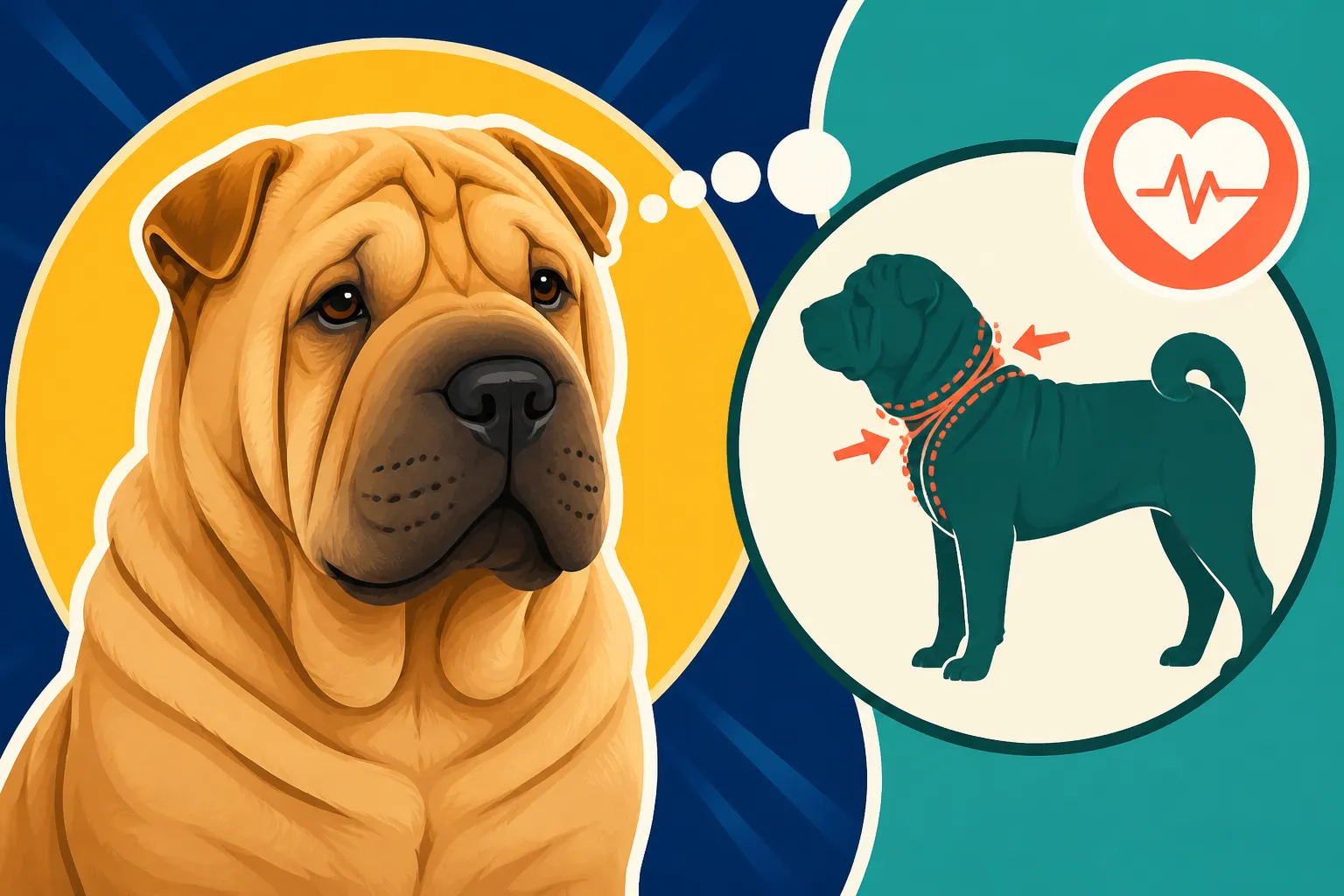
Whether the Shar Pei’s Bottleneck Explains Its Health
It can be incredibly disheartening to fall head over heels for the unique charm of a Shar Pei, only to find yourself quickly grappling with a seemingly endless list of perplexing health issues. Owners often wonder why their beloved wrinkly companion seems prone to so many distinct and often expensive conditions that don't plague other breeds in the same way. This guide will delve into the historical twists and turns that led to the Shar Pei's genetic makeup, exploring how a historical population bottleneck might explain many of the health challenges we see in the breed today.
The Shar Pei's Brush with Extinction: A Genetic Reset
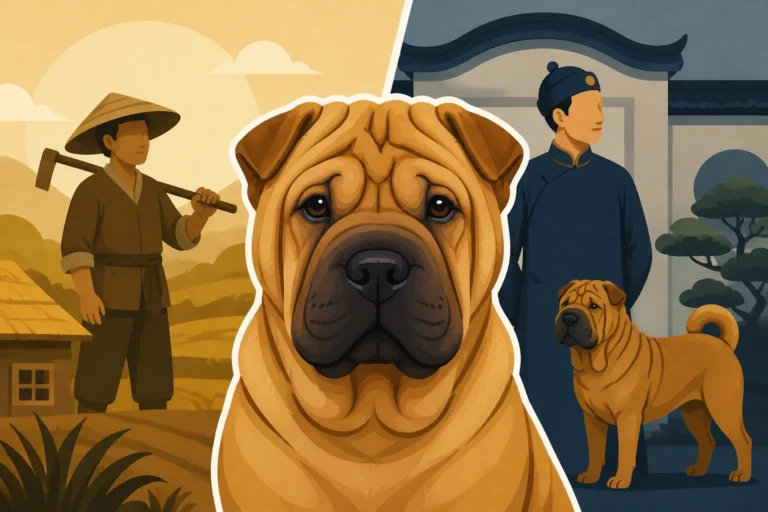
To truly understand the Shar Pei's current health landscape, we have to rewind to a dark period in its history. Imagine a breed with ancient origins, once common in rural China, suddenly facing near eradication. This wasn't a gradual decline; it was a precipitous drop, largely due to political and economic shifts in China during the mid-20th century, particularly under communist rule when dog ownership was seen as a bourgeois extravagance and heavily taxed or even outlawed. Many dogs were culled, and the Shar Pei, like many indigenous Chinese breeds, teetered on the brink of disappearing forever.
It was a passionate Hong Kong breeder named Matgo Law who, in 1978, famously wrote an appeal to an American dog magazine, pleading for help to save the remaining few Shar Pei. At this point, the breed was so rare that Guinness World Records actually listed it as the rarest dog in the world. The response was overwhelming, and a small number of Shar Pei were imported to the United States. This handful of dogs became the foundation stock for virtually all Shar Pei in the Western world today. Think about that for a moment: almost every Shar Pei you see, from the playful pup at the park to the dignified senior in your home, traces its lineage back to a tiny pool of survivors. Sixty Shar Pei Were Left in 1978 is a stark reminder of how close the breed came to vanishing completely.
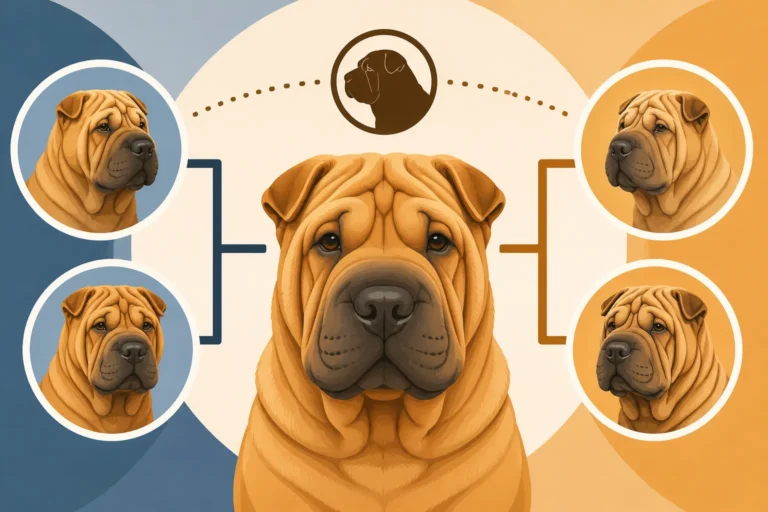
This dramatic reduction in population size, followed by a rapid expansion from a very limited number of founders, is what we call a "genetic bottleneck." It's like pouring all the liquid from a large bottle through a very narrow funnel into another large bottle – what comes out the other side is significantly less diverse than what went in, even if the volume eventually recovers. The traits and genetic variations present in those few founding dogs were the only ones passed on, and any genetic material unique to the many Shar Pei that didn't survive was lost forever. This event, while saving the breed from extinction, irrevocably altered its genetic diversity. What Being Saved Did to the Shar Pei's Health is a critical piece of this puzzle.
The Mechanics of a Genetic Bottleneck and Its Health Implications
So, what does a "genetic bottleneck" actually mean for a dog's health? It's far more than just a historical footnote; it has profound and lasting consequences on a breed's genetic makeup, directly influencing its susceptibility to various diseases.
When a population undergoes a severe bottleneck, it experiences a drastic reduction in its gene pool. Imagine a deck of cards representing all the possible genes and variations within a population. If you suddenly lose 99% of those cards and only have a few left to shuffle and deal out for future generations, the diversity of hands you can create is severely limited. This means that if a particular undesirable gene was present in one of those few founding individuals, it would become much more prevalent in subsequent generations. Conversely, beneficial genes that might have been present in the lost population could also be gone forever.
One of the most significant impacts is the increased likelihood of inheriting recessive genetic disorders. Most serious genetic conditions are recessive, meaning a dog needs two copies of the faulty gene (one from each parent) to express the disease. In a diverse population, the chances of two carriers mating are lower because there are many non-carrier individuals. However, in a bottlenecked population, carriers are much more common, leading to a higher incidence of these diseases. Breeders, even responsible ones, face an uphill battle when the entire breed carries a similar genetic load.
| Genetic Diversity Level | Characteristics | Health Implications |
|---|---|---|
| High Diversity | Wide range of genes, many variations; individuals are less related. | More robust immune system; lower incidence of recessive genetic diseases; better adaptability to environmental changes. |
| Low Diversity (Bottlenecked) | Narrow range of genes, fewer variations; individuals are more related. | Weaker immune system; higher incidence of recessive genetic diseases; increased susceptibility to certain conditions; potential for inbreeding depression. |
This lack of genetic variation can weaken the immune system, making dogs more vulnerable to common infections and allergies. It can also lead to a phenomenon known as "inbreeding depression," where reduced genetic diversity results in lower fertility, smaller litter sizes, and overall poorer health. Essentially, the breed becomes less resilient because it has fewer "tools" in its genetic toolbox to combat challenges.
Specific Shar Pei Health Issues Linked to Low Genetic Diversity
When we look at the specific health problems that disproportionately affect Shar Pei, the link to their bottlenecked history becomes remarkably clear. Many of the breed's signature ailments stem from or are exacerbated by this reduced genetic diversity.
Familial Shar Pei Fever (FSF) and Amyloidosis
Perhaps the most notorious condition unique to the breed is Familial Shar Pei Fever (FSF). This isn't just a random fever; it's a hereditary inflammatory disorder characterized by recurrent bouts of fever, often accompanied by swollen hocks, lethargy, and pain. It's a terrifying experience for both dog and owner. While the exact trigger can vary, stress, excitement, or even vaccination can set off an episode. Familial Shar Pei Fever Is Not an Infection is important to remember – it's an inflammatory response, not a virus or bacteria.
The heartbreaking truth is that FSF is directly linked to the very mutation that gives the Shar Pei its distinctive wrinkles. A specific gene duplication, called the "Hyaluronic Acid Synthase 2 (HAS2)" gene, leads to an overproduction of hyaluronic acid (HA) in the skin, which creates those adorable folds. Unfortunately, this same genetic quirk also triggers the inflammatory response seen in FSF. It's a cruel irony that the feature many people adore in the breed is intrinsically tied to its most devastating health condition. One Mutation Gave the Shar Pei Its Wrinkles and Its Fever explains this connection in more detail. Because the breed went through such a tight bottleneck, this gene became widespread.
The truly devastating consequence of FSF is amyloidosis. This is where abnormal proteins (amyloid) deposit in organs, primarily the kidneys, leading to organ failure. Over time, repeated episodes of FSF increase the risk of amyloidosis, which is ultimately what claims the lives of many Shar Pei far too early. Amyloidosis Is What Actually Kills a Shar Pei highlights the gravity of this secondary condition. The lack of genetic diversity means that nearly all Shar Pei carry this genetic predisposition, making it an ever-present concern for owners. You might find yourself searching for specialized supplements or kidney-supportive foods on sites like Chewy, constantly vigilant for signs of trouble.
Skin Problems and Autoimmune Conditions
Beyond FSF, Shar Pei are notorious for a host of skin problems. Their abundant wrinkles, a direct result of that HAS2 gene duplication, create warm, moist environments where bacteria and yeast thrive, leading to painful skin fold dermatitis. But it's more than just the folds; Shar Pei also frequently suffer from allergies, often manifesting as persistent itching, redness, and recurrent skin infections. Skin Is the Shar Pei's Largest Problem by Surface Area because of these combined factors.
Many Shar Pei also contend with conditions like hypothyroidism and IgA deficiency. Hypothyroidism, an underactive thyroid, can lead to weight gain, lethargy, and poor coat quality. IgA deficiency, a primary immunodeficiency, leaves them more susceptible to recurrent infections, particularly in the skin, ears, and respiratory tract. These conditions, while not exclusive to Shar Pei, are seen with increased frequency, which many researchers attribute to the breed's limited gene pool. When a population has low genetic diversity, certain immune system genes can become less varied, making the entire breed more prone to specific immune-mediated or autoimmune diseases. Managing these issues often means a cupboard full of specialized shampoos, medications, and careful dietary choices.
Eye and Ear Issues
Even seemingly distinct issues like entropion and chronic ear infections can be tied back to the breed's unique morphology and, by extension, its genetic history. Entropion, where the eyelids roll inward, causing eyelashes to rub against the cornea, is incredibly common in Shar Pei puppies. It's an emergency, not a cosmetic issue, because it can cause severe pain and permanent eye damage. Entropion in a Shar Pei Puppy Is an Emergency, Not a Cosmetic Issue drives this point home. While selective breeding for excessive wrinkles certainly exacerbated this, the genetic predisposition was likely locked into the breed's foundation stock.
Similarly, Shar Pei are known for having extremely narrow ear canals, making them highly prone to recurrent ear infections. A Shar Pei Has the Narrowest Ear Canals of Any Breed illustrates just how significant this anatomical feature is. Again, this isn't random; it's a structural characteristic that became fixed in the breed's genetic makeup due to the bottleneck and subsequent selection. Managing these conditions often means regular vet visits, expensive prescription ear drops, and specialized cleaning routines.
Navigating Shar Pei Health: What Owners Can Do
While the genetic bottleneck presents significant challenges, it doesn't mean owning a Shar Pei is a guaranteed path to heartbreak. Understanding the breed's genetic predispositions empowers owners to be proactive and informed advocates for their dogs.
Responsible Breeding and Genetic Testing
For those looking to bring a Shar Pei into their lives, the absolute most crucial step is to choose a responsible breeder. A truly dedicated breeder will understand the implications of the genetic bottleneck and actively work to minimize its impact. This means:
- Health Testing: They will conduct comprehensive health testing on their breeding stock, going beyond basic vet checks to include genetic tests where available, hip and elbow evaluations, thyroid panels, and eye clearances. They should be transparent about the health history of their lines, including any incidence of FSF or amyloidosis in ancestors.
- Careful Lineage Research: Responsible breeders meticulously research pedigrees to avoid combining lines that might amplify known genetic issues. They prioritize health and temperament over conformation fads like excessively wrinkled dogs, knowing that extreme wrinkles are linked to more severe health problems. Whether a Less Wrinkled Shar Pei Is Healthier explores this concept.
- Longevity Records: They will track the lifespan and causes of death in their dogs and their ancestors, providing a clearer picture of potential health longevity.
A good breeder will also provide a health guarantee and be a lifelong resource for their puppy buyers. Don't be shy about asking tough questions, and expect them to ask you many in return, to ensure their puppies go to knowledgeable and prepared homes.
Proactive Veterinary Care and Early Intervention
For Shar Pei owners, regular, proactive veterinary care is paramount. Your vet should be familiar with the breed's unique predispositions.
- Early Kidney Monitoring: Due to the risk of amyloidosis, your vet should discuss starting kidney monitoring early, often by two years of age. This includes regular bloodwork and urinalysis, specifically checking the urine protein-to-creatinine (UPC) ratio, which can detect early kidney damage. Why a Shar Pei's Kidneys Need Watching From Two Years Old cannot be stressed enough. Early detection allows for interventions like diet changes or medications such as colchicine, which can help slow the progression of amyloidosis.
- Skin and Ear Care: Implement a rigorous routine for fold cleaning and ear care. This might involve medicated wipes for folds and specialized ear cleansers. Being vigilant for early signs of infection can prevent more severe issues. Keeping products like ear cleaners and medicated wipes on hand from retailers like Chewy can make daily care easier.
- Fever Management: Understand what a Shar Pei fever episode looks like and have a plan of action with your vet. Knowing when to rush to the emergency clinic versus managing symptoms at home with supportive care is crucial. What to Do When a Shar Pei Spikes a Fever is essential reading for any owner. Keeping a rectal thermometer handy and knowing your dog's baseline temperature is invaluable.
- Diet and Lifestyle: Discuss a suitable diet with your vet, especially if your Shar Pei shows signs of allergies or gastrointestinal sensitivities, which are common. A high-quality, limited-ingredient diet might be beneficial. Ensure appropriate exercise that avoids overheating, as Shar Pei are prone to heatstroke.
Being an Informed Advocate
Ultimately, being a Shar Pei owner means being an incredibly informed and proactive advocate for your dog's health. You'll need to learn the breed's nuances, observe your dog closely for subtle changes, and work closely with your veterinary team. While the genetic bottleneck means there are inherent challenges, understanding them is the first step toward providing the best possible life for these incredibly loving and unique companions. The Shar Pei may have been saved from extinction, but their journey to robust health is an ongoing effort, one that dedicated owners embark on with open eyes and full hearts.
Disclaimer
This article is for general informational purposes only and does not constitute professional advice. Laws, prices and regulations vary by location and change over time. Consult a qualified professional for guidance on your specific situation.