Whether a Shar Pei Mix Lives Longer
A Shar Pei mix may live longer than a purebred Shar Pei, but mixed ancestry is no guarantee of extra years. The outcome depends on which traits a dog inherits, its size and overall health, and the care it receives throughout life. This guide explains what a mix can and cannot tell you about lifespan, which health risks still matter, and how to support your dog’s long-term wellbeing.
Do Shar Pei mixes usually live longer
Why mixed ancestry can help but cannot promise more years
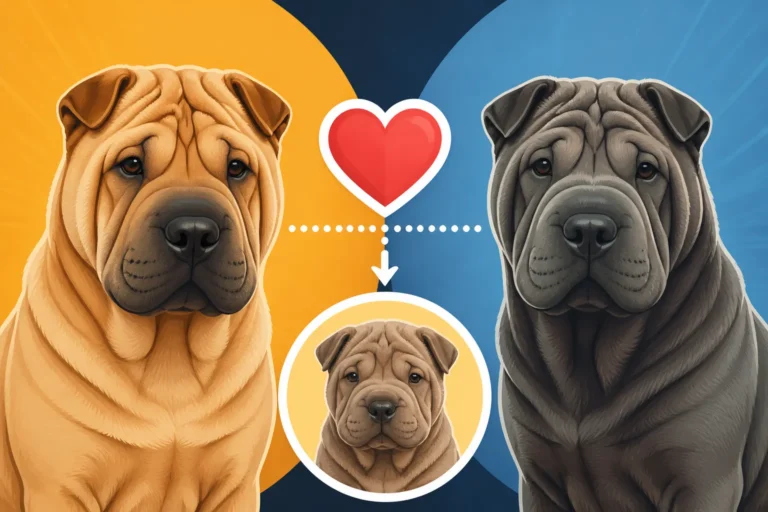
A mixed-breed dog may benefit from a broader gene pool than a purebred dog, which can reduce the chance of inheriting some harmful gene combinations. This is sometimes called hybrid vigor. It is a possible advantage, not a personal lifespan forecast: a Shar Pei cross may still inherit health risks from either parent, and the effect varies from one dog to another.
A mix can also inherit traits that have little to do with genetic diversity but strongly affect longevity. Adult size matters, for example: a large-bodied cross may have a different life expectancy from a smaller one. So can body condition, inherited heart or joint problems, and whether a dog is prone to chronic skin or ear disease. Even littermates can end up with different combinations of traits.
The word “mix” does not tell you how much Shar Pei ancestry a dog has, which other breed is in its background, or what health conditions run in its family. A dog that looks only slightly wrinkled may still carry a Shar Pei-related risk. A dog with a very Shar Pei-like appearance may have inherited other traits that change its health outlook. Appearance alone cannot settle the question.
For a broader look at what mixed ancestry may mean beyond lifespan, read Whether a Shar Pei Mix Is Healthier. The useful takeaway is that a mix can have an advantage, but its individual history and health matter more than the label.
What a lifespan estimate can and cannot tell you
Breed lifespan figures describe groups, not guarantees for an individual dog. They can offer a rough frame of reference, but they cannot predict how long a particular Shar Pei mix will live. A dog’s medical history, inherited risks, size, daily activity, and access to veterinary care all shape its outlook.
It is also easy to mistake a dog’s current appearance for a clean bill of health. A Shar Pei mix may look energetic and have a glossy coat while still developing a condition that is not obvious at home. Some problems can be detected through veterinary examination or testing before clear outward signs appear.
If you are choosing a puppy, ask about both parents’ health and any known family history, not just the puppy’s appearance. If you are adopting an adult dog, ask for available medical records and details about previous illnesses or recurring symptoms. Missing information is common in rescue situations; it does not mean the dog is unhealthy, but it makes a vet check and ongoing observation especially useful.
Shar Pei health risks a mix may still inherit
Fever and inflammation-related risks
Shar Pei mixes may inherit a predisposition to Shar Pei fever and related inflammatory disease. The risk varies, and ancestry alone cannot confirm whether an individual dog will develop it. A crossbreed should not be assumed to be protected just because it has fewer wrinkles or does not look exactly like a purebred Shar Pei.
A fever, painful or swollen joints, lethargy, or swelling around the hocks should be discussed with a veterinarian. Those signs do not automatically mean Shar Pei fever; infections and other illnesses can also cause fever or discomfort. A vet can assess the whole picture rather than relying on the dog’s breed mix. For context on the breed-linked condition, see One Mutation Gave the Shar Pei Its Wrinkles and Its Fever and Whether a Shar Pei Mix Still Gets Fever.
It can help to keep a simple record of episodes: the date, measured temperature if your vet has shown you how to take it, symptoms, duration, and any medication given under veterinary direction. That record may reveal a pattern and can make appointments more productive. Do not give human fever or pain medicine unless a veterinarian specifically instructs you to; some common medications can be dangerous for dogs.
Kidney, skin, eye, and ear concerns
Amyloidosis, a serious condition involving deposits of abnormal protein in organs, is an important concern in Shar Peis because it can damage the kidneys. A mixed dog may or may not inherit the underlying predisposition, but a Shar Pei connection is a good reason to tell the veterinarian about any fever history or related symptoms. Amyloidosis Is What Actually Kills a Shar Pei explains why the condition deserves attention.
Kidney disease may not be obvious early on. Changes in thirst, urination, appetite, energy, or weight are worth reporting, but some dogs show few clear signs at first. Ask your veterinarian whether routine blood and urine testing makes sense for your dog, particularly if it has had repeated fever episodes or another relevant medical history. The appropriate timing depends on the individual dog; The Age a Shar Pei Should Start Kidney Monitoring offers more background on the breed-specific concern.
Skin folds, narrow ear canals, and eye structure can also matter. A mix with facial folds may be prone to trapped moisture or irritation, while recurring ear odor, discharge, head shaking, or eye squinting should not be written off as “just the breed.” These signs need assessment, especially if they persist or worsen. You can learn more about the underlying breed concerns in Skin Is the Shar Pei's Largest Problem by Surface Area, A Shar Pei Has the Narrowest Ear Canals of Any Breed, and Entropion in a Shar Pei Puppy Is an Emergency, Not a Cosmetic Issue.
What influences a Shar Pei mix’s longevity
Inherited traits, size, and family history
The other breed in the mix may influence adult size, activity needs, coat type, and inherited conditions. But a guessed breed combination is not a reliable medical profile. Even a DNA test can offer clues rather than a complete prediction of health, and it cannot replace an examination or screening recommended by a veterinarian.
If the dog comes from a breeder, ask about health testing and the health of close relatives on both sides. Useful answers are specific: what tests were performed, what results were found, and whether relatives have had recurring problems. Vague assurances that the dogs are “healthy” do not provide the same information. If the seller cannot answer questions, that uncertainty should factor into your decision.
For a rescue dog, ask what is known about its previous care, recurring symptoms, and medications. A rescue may have limited history, and that is not a reason to dismiss the dog. It is a reason to establish a relationship with a veterinarian early and keep copies of examination results, test results, and treatment instructions.
Everyday care that supports a longer, healthier life
Maintaining a healthy body condition is one of the most practical things an owner can do. Extra weight can make movement harder and may add strain to joints. Ask your veterinarian how to assess your dog’s body condition and adjust meals or treats if needed. Food portions should reflect the dog’s age, activity, and health, rather than relying only on the feeding guide printed on a bag.
Choose a complete and balanced diet appropriate for the dog’s life stage, and avoid making repeated food changes in response to every itch or digestive upset. If food allergy or sensitivity is suspected, work with a veterinarian on a structured plan. When comparing products, you can use a retailer such as Chewy to review ingredient labels and available formulas, but the product description itself cannot diagnose a food allergy. For a dog on a prescription diet, follow the veterinarian’s guidance and confirm that any replacement food is suitable before switching.
Consistent preventive care matters too. Keep up with veterinary checkups, dental care, parasite prevention, and vaccination discussions based on your dog’s health and lifestyle. At home, notice gradual changes in appetite, drinking, urination, energy, movement, skin, eyes, and ears. Chewy can be one convenient place to keep routine supplies such as a suitable brush or grooming products, but avoid putting cleaners, powders, or medications on irritated skin unless your vet recommends them.
| Factor | Why it matters | Useful next step |
|---|---|---|
| Family and medical history | Can reveal inherited or recurring concerns | Ask for records and share known history with your vet |
| Adult size and body condition | Influence activity needs and strain on the body | Track weight and ask for a body-condition assessment |
| Fever or recurring inflammation | May need investigation and follow-up | Record episodes and contact your veterinarian |
| Skin, ear, and eye symptoms | Can become painful or persistent if ignored | Arrange an exam for ongoing odor, discharge, redness, or squinting |
| Routine preventive care | Helps identify some problems before they become advanced | Keep regular appointments and follow an individualized care plan |
How to make a realistic plan for your dog
Start with a baseline veterinary check
Whether your Shar Pei mix is a new puppy, a recently adopted adult, or a dog you have had for years, begin with a clear health baseline. Share everything you know about the dog’s background, including any suspected Shar Pei ancestry, previous fever episodes, recurring skin or ear problems, and medications. If the dog’s history is incomplete, say so rather than guessing.
Ask the veterinarian which screenings are appropriate for this dog’s age, symptoms, and family history. A routine exam may be enough for some dogs; others may need bloodwork, urine testing, eye assessment, or follow-up for a particular concern. There is no single testing schedule that fits every mix, so the plan should be individualized.
Bring a list of questions and, if possible, past records. This is especially helpful when a dog has moved between homes or clinics. If you shop for regular food through Chewy or another retailer, bring the exact product name and feeding amount to the appointment. That lets the veterinarian consider the actual diet rather than a general description.
Watch for changes without assuming the worst
Owners can become anxious when every cough, itch, or tired afternoon feels like a sign of a breed-related disease. At the same time, dismissing recurring changes as normal can delay care. The middle ground is to notice patterns and ask for help when a symptom is severe, repeated, or persistent.
Contact a veterinarian promptly for significant lethargy, painful swelling, repeated vomiting, trouble breathing, collapse, inability to urinate, or sudden eye pain. Less urgent but recurring changes—such as increased thirst, ongoing itch, repeated ear infections, or unexplained weight loss—also deserve an appointment. Your veterinarian can help decide how quickly the dog needs to be seen.
A Shar Pei mix may live longer than a purebred Shar Pei, but there is no dependable way to promise that outcome from mixed ancestry alone. Focus instead on what you can learn and influence: the dog’s history, early assessment, a healthy weight, thoughtful preventive care, and prompt attention to changes. How Long a Shar Pei Lives provides additional context about the purebred breed, while your own dog’s veterinarian can help interpret what applies to your individual companion.
Disclaimer
This article is for general informational purposes only and does not constitute professional advice. Laws, prices and regulations vary by location and change over time. Consult a qualified professional for guidance on your specific situation.