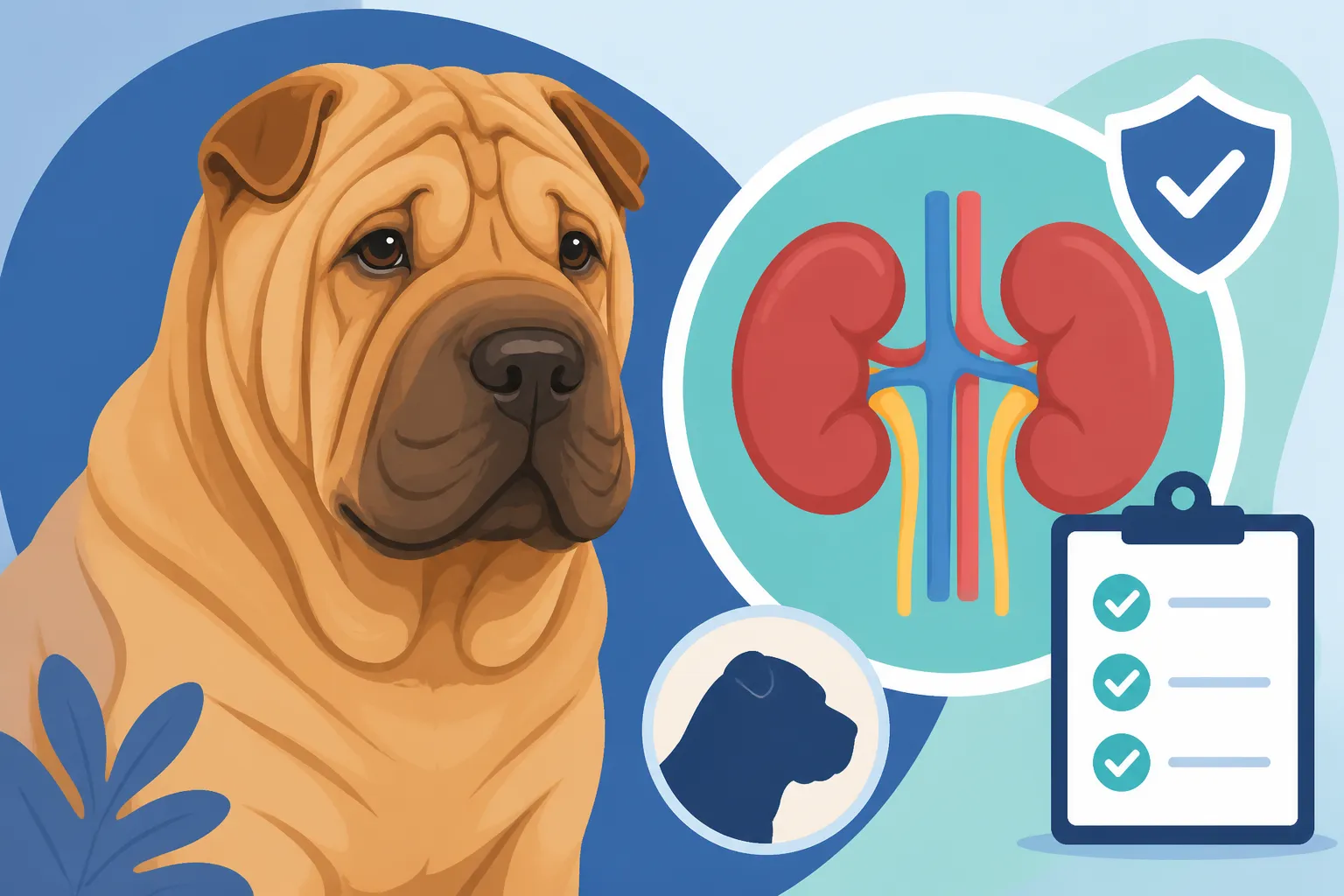
The Age a Shar Pei Should Start Kidney Monitoring
One of the most heart-wrenching realities for Shar Pei owners is the silent, insidious threat of kidney disease, often stemming from Familial Shar Pei Fever and subsequent amyloidosis. It’s incredibly frustrating to know your beloved companion carries this genetic predisposition, leaving many of us wondering exactly when we should begin actively monitoring their precious kidneys. This guide aims to demystify the timeline and specific steps for early kidney monitoring in your Shar Pei.
Why Early Kidney Monitoring is Non-Negotiable for Shar Pei
Let's be brutally honest: Shar Pei are not like other breeds when it comes to kidney health. The genetic mutation that gives them their distinctive wrinkles also unfortunately predisposes them to a condition called Familial Shar Pei Fever (FSF). While the fever itself is a concern, the real long-term danger lies in the body's reaction to these inflammatory episodes. Repeated bouts of inflammation can lead to the deposition of an abnormal protein called amyloid in the organs, most commonly the kidneys. This condition, known as amyloidosis, is what actually kills a Shar Pei.
The tricky part about kidney disease, especially in its early stages, is that our dogs are masters at hiding discomfort. By the time obvious symptoms like excessive thirst, increased urination, or lethargy appear, significant damage has often already occurred. This isn't just a "wait and see" situation; early detection is absolutely critical because while amyloidosis itself isn't reversible, managing kidney disease can significantly slow its progression and improve your dog's quality of life. Understanding this unique vulnerability helps us prepare and be proactive, giving our wrinkled friends the best chance.
Many vets who aren't deeply familiar with the breed might not suggest specialized kidney monitoring until a Shar Pei is older or presents with symptoms. But for our Shar Pei, that’s often too late. We need to be the advocates, armed with knowledge about their unique health challenges. This is why knowing when to start and what to ask for is so important.
The Age a Shar Pei Should Start Kidney Monitoring
Given the inherent risk of amyloidosis linked to Familial Shar Pei Fever, it's widely recommended that Shar Pei begin proactive kidney monitoring much earlier than most other breeds. The consensus among Shar Pei specialists and experienced breeders is to start monitoring as young as two years old. This might seem incredibly early to some, especially if your dog appears perfectly healthy and hasn't had many, or any, fever episodes. However, amyloid deposition can occur silently over time, even with subclinical inflammation that you might not even notice.
Starting at two years old allows for a baseline to be established and for trends to be observed over time. Remember, a single blood or urine test only provides a snapshot. Regular monitoring helps your veterinarian identify subtle changes that could indicate the beginning of kidney dysfunction, long before your Shar Pei shows any outward signs of illness. This proactive approach gives you the best opportunity to intervene early and manage the condition, potentially extending your beloved companion’s healthy years. Thinking about the future, having a robust pet insurance plan like one from Healthy Paws can provide immense peace of mind, knowing that these ongoing monitoring tests and potential treatments will be supported.
For those Shar Pei who have already experienced one or more episodes of Familial Shar Pei Fever, it's even more imperative to begin this monitoring regimen immediately, regardless of age. If your Shar Pei is older than two and hasn't had this specific monitoring, don't despair – start now. It's never truly too late to begin being proactive, but earlier is always better when dealing with progressive diseases like amyloidosis. The goal is to catch issues when they are minimal and most amenable to intervention.
Essential Tests for Early Kidney Disease Detection
So, you know when to start, but what exactly should you be asking your vet for? Standard yearly bloodwork (CBC and chemistry panel) is a good start for general health, but it's often not sensitive enough to detect early kidney damage in Shar Pei. For our unique breed, we need more specific tests that look for early indicators of renal protein loss.
Here are the key tests you should request for early kidney monitoring:
-
Urine Protein:Creatinine (UPC) Ratio: This is arguably the most crucial test for early detection of amyloidosis in Shar Pei. It measures the amount of protein leaking into the urine, which is a hallmark of early kidney damage. An elevated UPC ratio indicates proteinuria, a condition where the kidneys are losing excessive protein, often long before blood values change. This test can truly catch a Shar Pei's kidney damage early. It's recommended to perform this test on a first-morning urine sample, ideally collected at home to reduce stress, as stress can sometimes elevate protein levels temporarily.
-
SDMA (Symmetric Dimethylarginine) Test: The SDMA test is a relatively newer and more sensitive blood test that can detect kidney disease much earlier than traditional creatinine levels. While creatinine levels typically only rise when about 75% of kidney function is lost, SDMA can elevate when as little as 25-40% of kidney function is compromised. This makes it an invaluable tool for early detection in a high-risk breed like the Shar Pei.
-
Comprehensive Blood Chemistry Panel with Electrolytes: While not as sensitive for early detection as UPC or SDMA, a comprehensive chemistry panel provides essential information about overall organ function, including a baseline for kidney values like creatinine and BUN (Blood Urea Nitrogen), and electrolyte balance. Tracking these values over time, even if they're within the "normal" range, can help identify subtle upward trends that could signify a problem brewing.
-
Urinalysis: A complete urinalysis provides a snapshot of urine concentration, pH, and the presence of any red blood cells, white blood cells, bacteria, or crystals. While it doesn't directly detect amyloidosis, it's vital for assessing overall kidney function and ruling out other urinary tract issues that could confound UPC results.
Combining these tests allows your veterinarian to get a comprehensive picture of your Shar Pei's kidney health. It's not just about getting one set of numbers; it's about tracking them diligently year after year, and potentially more frequently if any red flags appear or if your dog experiences a fever episode. This kind of consistent monitoring is a fundamental part of Caring for a Shar Pei Past Seven.
Understanding Monitoring Frequency and Interpreting Results
Once you've started the kidney monitoring journey with your Shar Pei, the next question is how often these tests should be performed and what to do with the results. Generally, for a healthy Shar Pei without previous fever episodes, yearly screening of UPC, SDMA, and a full chemistry panel is a good starting point from two years of age. However, if your Shar Pei has experienced episodes of What a Shar Pei Fever Episode Looks Like, or if any initial test results are borderline, your vet might recommend more frequent testing, perhaps every six months. For a deeper dive into the disease process, understanding How Amyloid Damages a Shar Pei's Kidneys can be very insightful.
Interpreting these results requires a vet who understands the unique Shar Pei predisposition. A "normal" range for creatinine in another breed might still be considered a concern for an older Shar Pei or one with a history of FSF if it's trending upwards. The UPC ratio is especially important to watch. A UPC ratio consistently above 0.2-0.5 (depending on the lab and specific guidelines, your vet will advise) could indicate significant protein loss and warrant further investigation and potentially intervention. Many Shar Pei owners keep a detailed log of their dog's fevers and all test results, which can be invaluable for identifying patterns and discussing trends with their vet.
It's also worth noting that pet insurance can be a game-changer here. A good policy from providers like Healthy Paws, if acquired before any signs of kidney issues appear, can help cover the ongoing costs of these specialized tests and any subsequent treatments. This proactive approach to both health and finances really takes a load off your mind, especially when considering the potential for long-term care. After all, prevention and early intervention are almost always less costly and more effective than crisis management.
Here's a quick overview of typical monitoring recommendations:
| Shar Pei Health Status | Recommended Monitoring Schedule | Key Tests to Request |
|---|---|---|
| Healthy, >2 years old, no fever history | Annually | UPC, SDMA, Comprehensive Chemistry, Urinalysis |
| History of FSF episodes | Every 6 months | UPC, SDMA, Comprehensive Chemistry, Urinalysis |
| Borderline or mildly elevated results | Every 3-6 months | UPC, SDMA, repeat as advised by vet |
| Diagnosed with kidney disease | Every 1-3 months | UPC, SDMA, Comprehensive Chemistry, Urinalysis, BP |
Remember, these are general guidelines. Your veterinarian, especially one knowledgeable about Shar Pei health, will tailor a specific monitoring plan based on your individual dog's health, age, and history. If your vet isn't familiar with the specific kidney issues in Shar Pei, don't hesitate to politely educate them or seek a second opinion from a vet with more breed-specific knowledge. It's your role to advocate for your furry family member.
Proactive Steps Beyond Testing
Beyond the crucial diagnostic tests, there are proactive steps you can take to support your Shar Pei's kidney health, especially once monitoring begins and throughout their life. It’s not just about waiting for a problem to appear, but actively working to mitigate risks.
One of the most important aspects is hydration. Ensuring your Shar Pei always has access to fresh, clean water is paramount. Good hydration helps the kidneys function more efficiently and can help flush out toxins. Consider adding water to their food or using a pet water fountain to encourage more drinking.
Diet also plays a significant role. Discuss appropriate nutrition with your vet, especially if your Shar Pei begins showing any signs of kidney stress. While a full renal diet might not be necessary in early stages, a diet that is not excessively high in protein or phosphorus could be beneficial. Many owners also wonder Whether a Shar Pei Needs a Special Diet for Its Kidneys as a preventative measure. It's a conversation worth having with your vet, as individual needs can vary greatly.
Managing episodes of Familial Shar Pei Fever is another critical preventative step. If your dog experiences a fever, knowing What to Do When a Shar Pei Spikes a Fever can directly impact the long-term risk of amyloidosis. Prompt and appropriate treatment of fever episodes can help reduce the inflammatory burden on the body. Some Shar Pei are even prescribed Colchicine, a medication that can help prevent amyloid deposition, particularly in dogs with recurrent fevers. It’s a serious medication, so knowing Whether Colchicine Helps a Shar Pei and discussing its benefits and potential side effects with your vet is essential. However, it's critical to note that Amyloidosis Is What Actually Kills a Shar Pei and it can occur even in dogs without overt fever episodes, so monitoring remains key for all Shar Pei.
Finally, managing stress and providing a stable, loving environment can also contribute to overall health. While stress hasn't been directly linked to causing amyloidosis, chronic stress can impact the immune system and overall well-being, which could indirectly affect inflammatory processes. Regular, moderate exercise appropriate for a Shar Pei's needs, and maintaining a healthy weight, are also important for overall organ health. A comprehensive approach, combining vigilant monitoring with supportive care, offers the best hope for a long and happy life for our unique and wonderful Shar Pei. For more on their specific health concerns, check out our guide on Why a Shar Pei's Kidneys Need Watching From Two Years Old. Understanding Whether Every Feverish Shar Pei Gets Amyloidosis also helps clarify the risks.
Navigating Kidney Health Challenges with Your Shar Pei
The journey of owning a Shar Pei is often filled with joy, but it also comes with a unique set of responsibilities, particularly concerning their health. The threat of kidney disease and amyloidosis is a heavy one, and it's completely normal to feel overwhelmed or anxious about it. However, forewarned is forearmed. By understanding the specific risks your Shar Pei faces and implementing a proactive monitoring plan from an early age, you're giving them the best possible chance at a long and comfortable life.
Remember, early detection is your most powerful tool. Don't wait for your Shar Pei to show obvious signs of illness, as by then, the disease may have progressed significantly. Be diligent about the yearly, or even bi-annual, kidney health checks, focusing on that critical UPC ratio and SDMA test, especially starting around two years of age. Having candid conversations with your veterinarian about your Shar Pei's specific breed predispositions is vital. If they're not familiar with the urgency of Shar Pei kidney monitoring, consider seeking out a vet with more experience with the breed or consulting with an internal medicine specialist.
The financial aspect of ongoing care can also be a significant worry for many pet parents. This is where pet insurance, like a policy from Healthy Paws, can be incredibly beneficial. By enrolling your Shar Pei when they are young and healthy, before any pre-existing conditions are noted, you can gain coverage for future diagnostic tests, medications, and treatments should kidney disease develop. It's an investment in their future health and your peace of mind. Knowing What a Shar Pei's Kidney Panel Costs and What a Shar Pei's Urine Protein Test Costs can help you budget, but insurance can definitely buffer those expenses.
Ultimately, your Shar Pei relies on you to be their advocate. Your attentiveness, combined with knowledgeable veterinary care, is the greatest defense against the silent progression of kidney disease. Stay informed, stay vigilant, and continue to shower your wrinkled companion with all the love and care they deserve. Their unique quirks and incredible loyalty make them worth every extra effort. Keep an eye out for Signs a Shar Pei's Kidneys Are Failing and always consult your vet if you notice any changes. You can also explore Which Test Catches a Shar Pei's Kidney Damage Early for more detailed information.
Disclaimer
The information provided in this article is for general informational purposes only and is not a substitute for professional veterinary advice. Always consult with a qualified veterinarian regarding any health concerns or before making any decisions about your pet's medical care.


