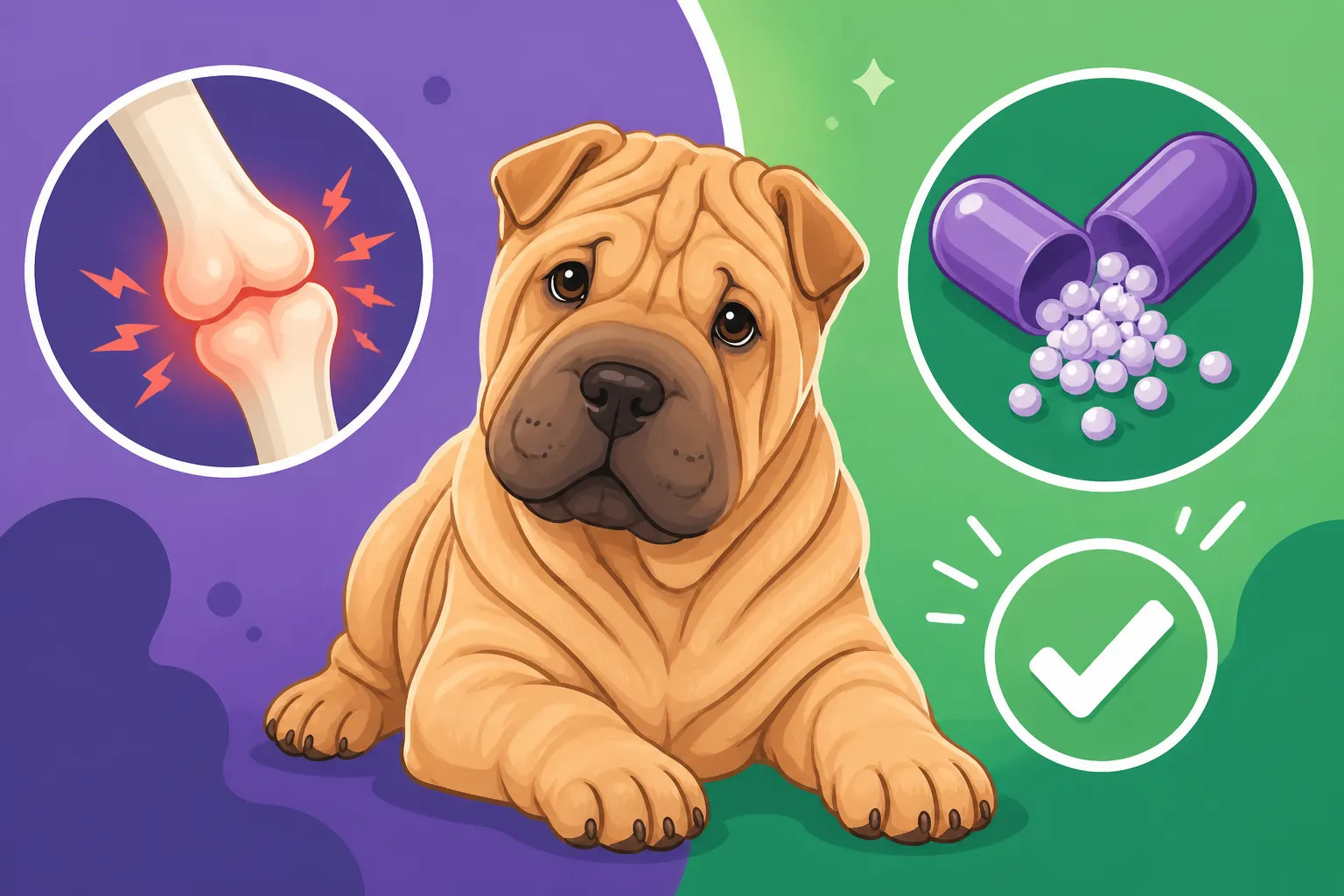
Whether Colchicine Helps a Shar Pei
The heartbreak of watching your beloved Shar Pei suffer through another fever episode, feeling helpless as their hocks swell, and knowing the underlying risk of kidney damage can be incredibly frustrating. Many Shar Pei owners grapple with the complex realities of Familial Shar Pei Fever (FSF) and the shadow of amyloidosis. This guide aims to thoroughly explore whether colchicine can be a crucial tool in managing FSF and protecting your cherished companion from its most devastating consequences.
Understanding Familial Shar Pei Fever and Its Dangers
Familial Shar Pei Fever (FSF) isn't just a "bad day" for your dog; it's a serious, genetically predisposed inflammatory condition that can wreak havoc on their system. It's a hallmark of the breed, deeply intertwined with the very gene that gives them their distinctive wrinkles. Understanding FSF is the first step in effective management.
The Genetic Link to Wrinkles and Fever
It's a bittersweet truth that the excessive wrinkles we adore in our Shar Pei are directly linked to the predisposition for FSF. This comes down to a specific gene duplication, often referred to as the "wrinkle gene." This gene leads to an overproduction of hyaluronic acid, which gives the skin its characteristic thickness and folds. However, this same genetic quirk also seems to heighten the inflammatory response in these dogs, setting the stage for recurrent fevers. This connection means that unfortunately, one mutation gave the Shar Pei its wrinkles and its fever. It’s not something that can easily be bred out without losing the very essence of what makes a Shar Pei, well, a Shar Pei.
When a fever episode strikes, it’s not due to an infection in the typical sense; rather, it’s a systemic inflammatory response. You might notice your dog suddenly lethargic, refusing food, or experiencing swelling in their hocks. This isn't just about a high temperature; it's a sign that their body is in an acute inflammatory state, and these episodes can be both painful and distressing for your dog and alarming for you. Knowing what a Shar Pei fever episode looks like can help you distinguish it from other ailments and act quickly.
The Impact of Recurrent Fevers on Long-Term Health
While a single fever episode might seem like a fleeting illness, the true danger of FSF lies in its recurrent nature and the long-term damage it can inflict. Each fever episode, in essence, is a surge of inflammation throughout the body. This chronic inflammation can lead to the deposition of an abnormal protein called amyloid in various organs, most notably the kidneys and liver. This condition, known as amyloidosis, is devastating because it slowly impairs organ function.
Many Shar Pei owners worry about how often Shar Pei fever recurs, and indeed, the frequency can vary wildly between individuals. Some dogs might have only a few episodes in their lifetime, while others could experience them monthly. Regardless of frequency, every single fever contributes to the risk of amyloid accumulation. It’s crucial to understand that amyloidosis is what actually kills a Shar Pei, and it’s a silent, insidious process that often shows no outward signs until significant organ damage has already occurred. This makes preventative measures, like colchicine, all the more vital.
The Mechanism of Colchicine's Action
Colchicine is not a magic bullet, but it's the closest thing we have to a specific treatment for mitigating the long-term effects of FSF in Shar Pei. Its mechanism of action targets the inflammatory pathways and the process of amyloid deposition, offering a glimmer of hope against a notoriously difficult disease.
Interrupting the Inflammation Pathway
At its core, colchicine works by interfering with the inflammatory response. It’s an anti-inflammatory agent, but it operates differently from common NSAIDs (non-steroidal anti-inflammatory drugs) or steroids. Colchicine specifically inhibits the migration and activity of neutrophils, which are a type of white blood cell heavily involved in acute inflammation. By reducing the number of these cells at sites of inflammation and hindering their ability to release pro-inflammatory substances, colchicine helps to dampen the overall inflammatory cascade that characterizes FSF episodes.
This isn't to say it stops fevers entirely. Your Shar Pei might still experience periods of elevated temperature, but the goal is to reduce the severity and frequency of these inflammatory flare-ups. Think of it less as a fever reducer and more as a long-term modulator of their body’s exaggerated immune response. This continuous, low-level interruption of inflammation is key to minimizing the cumulative damage caused by FSF.
Preventing Amyloid Deposition
Perhaps the most critical role of colchicine in Shar Pei is its ability to prevent or slow down the deposition of amyloid protein. Amyloid is formed when certain proteins misfold and aggregate, and in FSF, these proteins are a byproduct of the chronic inflammation. Colchicine is believed to achieve its amyloid-preventing effect in several ways. Firstly, by reducing inflammation, it inherently lowers the production of the precursor proteins that can turn into amyloid. Secondly, it's thought to interfere directly with the formation and deposition of amyloid fibrils themselves.
This protective action against amyloidosis is why many veterinarians advocate for early and consistent colchicine use in Shar Pei diagnosed with FSF. It provides a crucial defense against the silent progression of kidney and liver damage. While it cannot reverse existing amyloidosis, it can significantly impact the long-term prognosis by preserving organ function. This is especially important when considering how amyloid damages a Shar Pei's kidneys, making them vulnerable to failure over time. For many owners, investing in comprehensive pet insurance plans like those offered by Healthy Paws can help cover the ongoing costs associated with managing such chronic conditions.
Administering Colchicine: Dosage and Monitoring
Deciding to put your Shar Pei on colchicine is a significant step, and it requires careful consideration of dosage, diligent monitoring, and a commitment to long-term treatment. It's not a one-size-fits-all solution, and your vet will be your best guide.
Determining the Right Dose for Your Shar Pei
Finding the optimal dose of colchicine for your Shar Pei is a nuanced process. Veterinarians typically base the initial dosage on the dog's weight, but adjustments may be needed based on individual response and tolerance. It's often started at a low dose and gradually increased if necessary, or maintained at a steady dose if it proves effective with minimal side effects. Colchicine is usually given orally, either once or twice a day. Consistency is paramount; missed doses can compromise its effectiveness.
It's vital to have an open conversation with your vet about the specific challenges your dog faces. For instance, a Shar Pei with a history of frequent or severe fever episodes might require a different approach than one with milder, less frequent occurrences. Remember, this isn't about guesswork; it's about tailoring a specific treatment plan that best suits your dog's unique needs. This personalized approach is crucial, especially since a blanket recommendation won't account for individual variations in metabolism or disease progression.
Monitoring for Effectiveness and Safety
Once your Shar Pei starts on colchicine, ongoing monitoring is essential to ensure both its effectiveness and your dog's safety. Your veterinarian will likely recommend regular blood tests, including complete blood counts and biochemistry panels, to check for any adverse effects on organ function (especially liver and kidney values) and to ensure blood cell counts remain normal. Additionally, urine protein creatinine (UPC) ratio tests are vital for monitoring kidney health, as a rising UPC ratio can indicate protein-losing nephropathy, a sign of kidney damage due to amyloidosis.
A detailed log of your Shar Pei's fever episodes – noting frequency, duration, and severity – will also be invaluable. This objective data helps your vet assess whether the colchicine is reducing the inflammatory events. You might find that a Shar Pei owner should keep a fever log to track progress more accurately. While on colchicine, some owners report that their Shar Pei still experiences fevers, but often with reduced intensity or duration. This is important to note and discuss with your vet to determine if dosage adjustments are needed. Understanding whether a Shar Pei on colchicine still fevers is a common concern, and the answer is often yes, but hopefully to a lesser degree.
Long-Term Commitment to Treatment
Colchicine for Shar Pei is generally considered a lifelong commitment. Much like managing a chronic condition in humans, consistency and adherence to the prescribed regimen are key to maximizing its benefits. Stopping the medication, even for short periods, can potentially reverse the protective effects and increase the risk of amyloid deposition. This long-term commitment also means factoring in the ongoing cost of medication and regular veterinary check-ups.
For many, the idea of a lifetime of medication can be daunting, both emotionally and financially. This is where foresight and planning come into play. Considering pet insurance early, before any diagnosis of FSF, can make a significant difference in managing these costs. For example, a provider like Healthy Paws often offers comprehensive coverage that could alleviate the burden of ongoing prescription costs and diagnostic tests, allowing you to focus on your dog's well-being without financial stress. The proactive steps you take now will greatly influence the quality and length of your Shar Pei's life.
| Aspect of Monitoring | Frequency (General Guideline) | Purpose |
|---|---|---|
| Physical Exam | Every 3-6 months | Assess overall health, weight, signs of illness |
| Blood Panel (CBC, Chemistry) | Every 3-6 months | Check liver/kidney function, blood cell counts, screen for side effects |
| Urine Protein Creatinine (UPC) | Every 6-12 months | Detect early kidney protein loss, a sign of amyloidosis progression |
| Fever Log | Ongoing, daily | Track frequency, severity, duration of FSF episodes |
| Body Weight | Monthly | Monitor for unexplained weight loss/gain |
Expected Outcomes and Potential Side Effects
While colchicine offers significant benefits for Shar Pei with FSF, it's also important to have realistic expectations regarding its outcomes and to be vigilant for any potential side effects. Like any medication, it comes with a balance of pros and cons.
Reducing Fever Episodes and Severity
The primary clinical goal of colchicine is to reduce the frequency and severity of Familial Shar Pei Fever episodes. For many Shar Pei, this means fewer days of listlessness, discomfort, and swelling. Owners often report that while their dog might still experience occasional fevers, they are generally milder, resolve quicker, and may not be accompanied by the severe lethargy or joint swelling previously observed. This improvement in quality of life for the dog, and reduced stress for the owner, is a major benefit.
It’s important to clarify that colchicine is a preventative measure for the systemic inflammation that leads to amyloidosis, not an acute fever reducer for a current episode. If your Shar Pei spikes a fever, your vet might recommend other supportive care, such as non-steroidal anti-inflammatory drugs (NSAIDs) or even subcutaneous fluids, to manage the immediate crisis. Colchicine works in the background, continuously modulating the inflammatory response to prevent the severe flares that contribute to amyloid deposition. This is why familial Shar Pei fever is not an infection that can be cured with antibiotics, but a genetic condition requiring ongoing management.
Recognizing and Managing Adverse Reactions
No medication is without its potential downsides, and colchicine is no exception. The most common side effects observed in dogs include gastrointestinal upset, such as vomiting, diarrhea, and loss of appetite. These symptoms are usually dose-dependent and might improve with a dosage adjustment or by administering the medication with food. In more severe cases, bone marrow suppression, leading to low white blood cell or platelet counts, can occur, though this is less common with appropriate dosing.
It's crucial to be aware of whether colchicine has side effects in a Shar Pei and to report any unusual symptoms to your vet immediately. If your dog develops severe gastrointestinal issues or seems unwell in other ways after starting the medication, prompt veterinary attention is necessary. Your vet might suggest reducing the dose, trying a different formulation, or even temporarily stopping the medication to see if the symptoms resolve. Always follow your vet's advice carefully and never adjust the dosage yourself. A good pet insurance policy, such as one from Healthy Paws, can be incredibly helpful in covering unexpected veterinary visits or diagnostic tests if side effects emerge.
Integrating Colchicine into a Holistic Care Plan
Administering colchicine is just one piece of the puzzle when it comes to caring for a Shar Pei prone to FSF and amyloidosis. A truly comprehensive approach involves integrating this medication with other supportive therapies and consistent veterinary oversight.
Combining with Other Supportive Therapies
While colchicine works to mitigate the underlying inflammation and amyloid deposition, it's often used as part of a broader strategy to support your Shar Pei's health. This might include dietary modifications, especially if your dog shows signs of kidney compromise or has food sensitivities. A low-protein, kidney-supportive diet may be recommended if signs a Shar Pei's kidneys are failing begin to appear, or as a preventative measure if amyloidosis is suspected.
Supplements, such as omega-3 fatty acids, can also be beneficial for their anti-inflammatory properties and overall skin and coat health. During a fever episode, your vet might prescribe anti-inflammatory medications to ease discomfort and bring down the temperature. Ensuring your Shar Pei has access to fresh water at all times and encouraging hydration is also vital, especially when battling fever. This multi-pronged approach helps to manage the various facets of FSF and its potential complications, providing the best possible quality of life for your companion.
The Role of Regular Veterinary Check-ups
Consistent and regular veterinary check-ups are non-negotiable for Shar Pei on colchicine. These appointments allow your vet to monitor your dog’s response to the medication, adjust dosages as needed, and perform crucial diagnostic tests to detect any progression of amyloidosis early. Regular blood work and urinalysis, including the UPC ratio, are particularly important. For instance, knowing why a Shar Pei's kidneys need watching from two years old emphasizes the importance of early and ongoing monitoring, long before clinical signs appear.
These routine visits also provide an opportunity to discuss any new symptoms, behavioral changes, or concerns you might have. Your vet can offer advice on diet, exercise, and environmental management to further support your dog's health. They can also provide guidance on what SPAID means for a Shar Pei, a newer understanding of systemic inflammatory disease in the breed, which might influence treatment strategies. Establishing a strong, trusting relationship with a veterinarian who understands the unique challenges of the Shar Pei breed is invaluable. This ongoing professional partnership is key to proactive management and ensuring your dog receives the most appropriate and up-to-date care.
Disclaimer
The information provided in this guide is for informational purposes only and does not constitute veterinary medical advice. Always consult with a qualified veterinarian for any health concerns or before making any decisions about your pet's medical care, especially concerning prescribed medications like colchicine.


