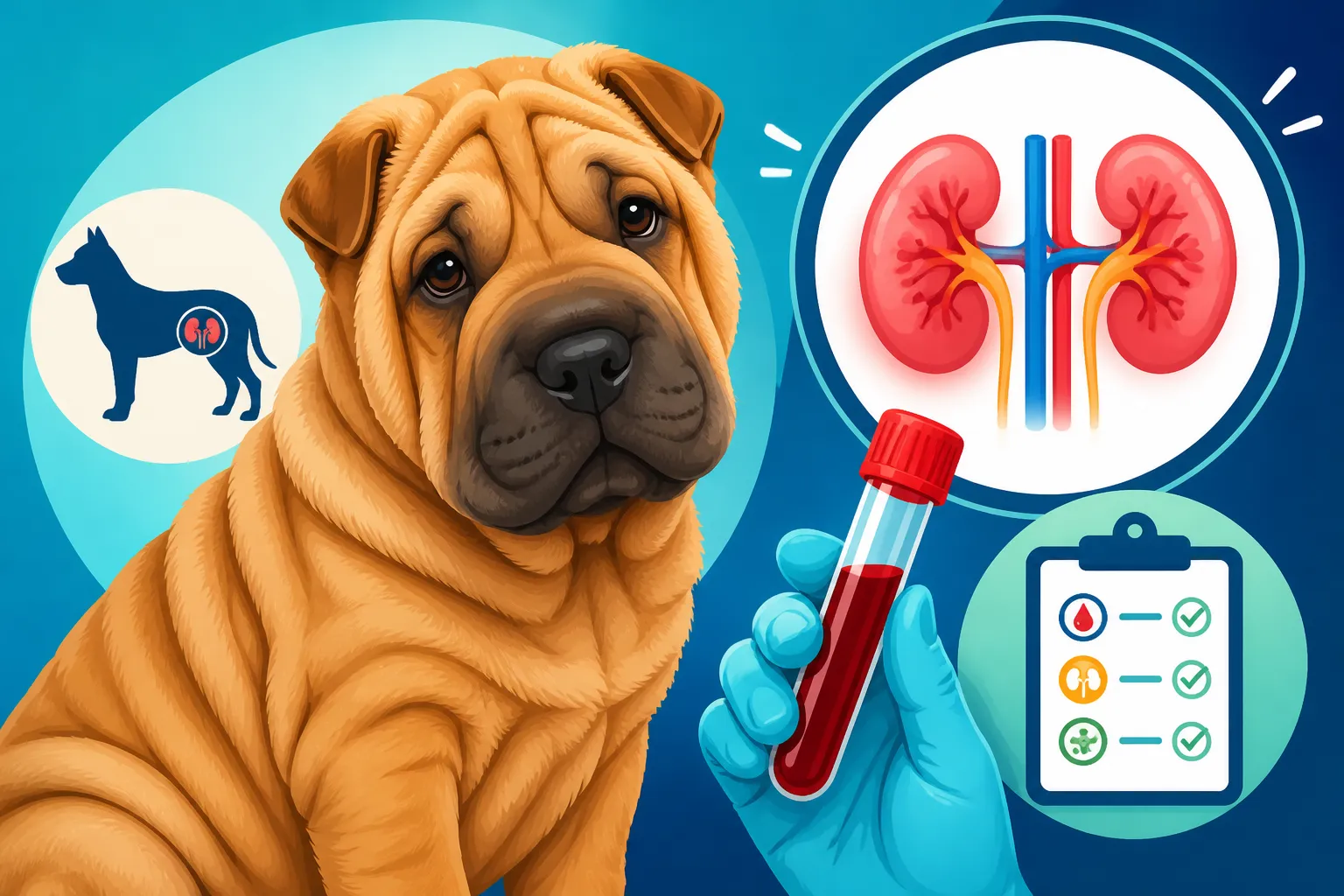
Which Test Catches a Shar Pei’s Kidney Damage Early
The sinking feeling when your beloved Shar Pei starts to show subtle changes – a little less energy, maybe drinking a bit more – can be absolutely terrifying, especially when you know their breed is predisposed to serious health issues. Kidney disease is one of those silent threats that often goes undetected until it's quite advanced, leaving us scrambling to catch up. This guide is dedicated to helping you understand the single most effective test available for catching kidney damage early in your Shar Pei, giving you the power to intervene sooner and potentially extend their healthy, happy life.
The Silent Threat of Kidney Disease in Shar Pei
For any Shar Pei owner, the words "kidney disease" often loom large, and for good reason. Our wrinkly companions are unfortunately prone to a very specific and insidious form of kidney trouble, largely tied to their unique genetic makeup. It’s not just a general risk; it's a predisposition woven into their very DNA, making early and vigilant monitoring not just a recommendation, but a critical part of their care. You might think you're safe if your Shar Pei doesn't get fevers often, but the reality is much more complex and often progresses without obvious outward signs until it's too late.
Understanding Familial Shar Pei Fever and Its Connection to Kidneys
The cornerstone of Shar Pei kidney issues traces back to a genetic condition called Familial Shar Pei Fever (FSF), which is not an infection at all, but rather an inflammatory syndrome. This inherited inflammatory disease is directly linked to the very gene that gives our Shar Peis their distinctive wrinkles. It's a cruel twist of fate that the trait we love so much also carries such a significant health burden. When a Shar Pei experiences a fever episode, their body goes into an inflammatory overdrive, and it's during these episodes, and even in between them, that damaging proteins are produced and deposited.
These inflammatory proteins, known as amyloid, are the real culprits. Each fever episode, or even chronic subclinical inflammation, acts like a tiny hammer blow, depositing more and more amyloid into various organs, but primarily the kidneys. This process can happen even in Shar Peis who rarely, if ever, show outward signs of fever, meaning that relying solely on visible symptoms to gauge kidney health is a dangerous game. For a deeper dive, understanding How the Wrinkle Gene Also Triggers Fever can offer valuable insights into this complex genetic link.
How Amyloidosis Destroys Kidney Function
Once amyloid proteins are deposited in the kidneys, a condition known as amyloidosis begins. This isn't just a benign accumulation; these abnormal proteins are physically disruptive. They don't belong there, and as they build up, they start to crowd out and damage the delicate filtering units of the kidneys, called glomeruli. Imagine trying to filter water through a sieve that's slowly getting clogged with glue – eventually, nothing can pass through properly. This is essentially what happens inside your Shar Pei's kidneys.
The glomeruli are responsible for filtering waste products from the blood while retaining essential proteins. When amyloidosis takes hold, these filters become leaky, allowing vital proteins that should stay in the body to escape into the urine. Over time, as more and more glomeruli are compromised, the kidneys lose their ability to do their job effectively, leading to kidney failure. It's a progressive disease, meaning it tends to get worse over time. Tragically, Amyloidosis Is What Actually Kills a Shar Pei, often by overwhelming their kidneys. Learning about How Amyloid Damages a Shar Pei's Kidneys can help you visualize the progression.
Why Traditional Kidney Tests Fall Short in Early Detection
When we talk about kidney health, most people immediately think of routine blood tests. Your vet might run a "senior panel" or a general health screen that includes values like BUN (Blood Urea Nitrogen) and creatinine. These are standard, important tests, but for a breed as susceptible to early kidney disease as the Shar Pei, they simply aren't enough for early detection. Waiting for these numbers to change is, unfortunately, often waiting too long.
The Limitations of Blood Urea Nitrogen BUN and Creatinine
BUN and creatinine are waste products that healthy kidneys filter out of the blood. When kidney function declines, these substances build up in the bloodstream, and their levels rise. The problem is, your Shar Pei can lose a significant percentage – often as much as 75% – of their kidney function before these blood values start to climb outside the normal range. Think about that for a moment: three-quarters of your dog's kidney filtering capacity could be gone before your vet's routine blood work even hints at a problem.
For a Shar Pei, where kidney damage can be a slow, creeping process from a relatively young age, this delay is devastating. By the time BUN and creatinine are elevated, the disease is already quite advanced, and the window for truly effective, proactive intervention has narrowed considerably. These tests are excellent for diagnosing kidney failure, but they are poor indicators of early kidney damage in the subtle stages where intervention can make the biggest difference.
The Importance of Glomerular Filtration Rate GFR
The true measure of kidney health is the Glomerular Filtration Rate (GFR). This rate indicates how well the glomeruli are filtering blood – essentially, how much fluid is being filtered per unit of time. A healthy GFR means efficient filtration. As kidney disease progresses, the GFR decreases. The challenge is that GFR is not routinely measured in a standard vet clinic setting; it requires specialized tests that are more invasive and expensive, often involving injecting a marker into the bloodstream and tracking its clearance.
Because direct GFR measurement isn't practical for routine screening, we need reliable proxy tests that can tell us when the kidneys are starting to struggle, before the waste products build up in the blood. This is where the Urine Protein:Creatinine (UPC) ratio steps in as a game-changer for Shar Pei owners, offering a window into kidney function that traditional blood tests simply can't provide early enough.
The Gold Standard for Early Shar Pei Kidney Damage: The UPC Ratio
If you're looking for the best way to get ahead of kidney disease in your Shar Pei, the Urine Protein:Creatinine (UPC) ratio is the test you need to know about. This simple, non-invasive urine test has become indispensable for breeds at high risk for kidney damage, and it should be a cornerstone of your Shar Pei's preventive health plan. It offers a glimpse into the earliest stages of kidney trouble, long before your dog shows symptoms or their blood work flags an issue.
What the Urine Protein:Creatinine UPC Ratio Measures
The UPC ratio measures the amount of protein leaking into your Shar Pei's urine compared to the amount of creatinine, a waste product that's consistently excreted in urine. In a healthy dog, the kidney's filtering units (glomeruli) should retain almost all protein in the bloodstream. If these filters become damaged, even slightly, they start to leak protein into the urine. This is often the very first sign of kidney damage, especially in conditions like amyloidosis where the glomeruli are directly affected.
By comparing protein to creatinine, the test accounts for variations in urine concentration. So, whether your dog is well-hydrated and producing dilute urine, or slightly dehydrated with concentrated urine, the ratio remains a reliable indicator of protein loss. A persistently elevated UPC ratio signals that the delicate filters in the kidneys are failing to hold onto essential proteins, a red flag for early kidney damage that needs investigation. This is crucial because, as discussed, What a Urine Protein Test Tells a Shar Pei Owner is far more predictive than just seeing if protein is present.
Interpreting Your Shar Pei's UPC Results
Understanding your Shar Pei's UPC results is key to proactive care. Here's a general guideline for interpreting the numbers, though your veterinarian will always provide the most accurate assessment based on your individual dog:
| UPC Ratio Range | Interpretation for Shar Pei | Action Required |
|---|---|---|
| < 0.2 | Normal, healthy kidney function. | Continue routine monitoring. |
| 0.2 – 0.4 | Borderline protein loss. | Re-test in 2-4 weeks; investigate other causes (e.g., UTI). If persistent, consider early kidney damage. |
| > 0.4 | Significant protein loss (proteinuria). | Further investigation for kidney disease and potential treatment. Highly concerning for Shar Peis. |
For a Shar Pei, even a UPC ratio consistently in the 0.2-0.4 range is cause for concern and warrants diligent follow-up. This breed's predisposition to amyloidosis means that any persistent proteinuria should be taken very seriously, even if other kidney values (like BUN and creatinine) are still normal. Early detection allows for the possibility of interventions like special diets, medications (such as ACE inhibitors or ARBs), and supplements that can slow the progression of kidney disease and improve your dog's quality of life. Don't dismiss a borderline result; it could be the first whisper of a problem.
Integrating the UPC Ratio into Your Shar Pei's Routine Care
Knowing about the UPC ratio is one thing, but actually incorporating it into your Shar Pei's health regimen is where the real work begins. It's a commitment, but one that can pay dividends in terms of your dog's long-term health and your peace of mind. Making this a regular part of their vet visits ensures you're proactively monitoring their most vulnerable organ.
When and How Often to Test Your Shar Pei's Urine
Given their breed-specific risks, it's generally recommended to start monitoring your Shar Pei's kidney health earlier than you might for other breeds. Many veterinarians specializing in Shar Peis suggest initiating UPC ratio testing around two years of age. This allows you to establish a baseline before any significant issues typically arise. If your Shar Pei experiences episodes of FSF, or has a known family history of kidney disease, your vet might recommend starting even earlier.
After the initial baseline, the frequency of testing will depend on those results. If the UPC ratio is consistently normal, your vet might suggest annual testing. However, if there's a borderline result, or if your Shar Pei is actively experiencing FSF episodes, your vet will likely recommend more frequent checks, perhaps every 3-6 months. This regular monitoring is vital because kidney disease can progress silently. For more information on this, consider reading about The Age a Shar Pei Should Start Kidney Monitoring and How Often a Shar Pei's Kidney Values Should Be Checked.
The Collection Process: Making it Easier for You and Your Dog
The good news is that collecting a urine sample for a UPC ratio test is usually quite straightforward and non-invasive. Your veterinarian will typically ask you to bring in a "free catch" sample, meaning you collect it yourself while your dog is urinating.
Here are a few tips to make the process easier:
- Be Prepared: Keep a clean, dry container on hand. Many pet supply stores sell urine collection kits, or you can use a clean, shallow plastic container or ladle.
- Early Morning is Best: The first urine of the morning is often the most concentrated, providing the most accurate results for protein evaluation.
- Follow Your Dog: Head out with your Shar Pei for their morning potty break. As they begin to squat or lift a leg, quickly and discreetly slide your container underneath to catch a sample. Aim for at least 10-20ml if possible, but any amount is usually helpful.
- Keep it Clean: Avoid contaminating the sample with dirt or debris.
- Refrigerate and Deliver: Once collected, seal the container and refrigerate it immediately. Deliver the sample to your vet's office as soon as possible, ideally within a few hours.
If you struggle to get a clean catch, or your dog is being particularly modest, don't worry! Your vet can perform a cystocentesis, which is a sterile collection directly from the bladder using a needle. While slightly more invasive, it provides the cleanest sample for the most accurate results, especially if there's any suspicion of a urinary tract infection that could skew the protein reading.
Beyond the UPC Ratio: Other Early Indicators and Comprehensive Monitoring
While the UPC ratio is a powerhouse for early detection of kidney damage in Shar Peis, it's part of a larger puzzle. A holistic approach to kidney health involves looking at other indicators that can either contribute to kidney disease or signal its progression. Your veterinarian will use a combination of tests and observations to get the most complete picture of your Shar Pei's internal landscape.
Blood Pressure Monitoring and Its Role in Kidney Health
High blood pressure, or hypertension, is a silent killer in both humans and dogs, and it has a particularly nasty relationship with kidney disease. It's a vicious cycle: high blood pressure can damage the delicate blood vessels in the kidneys, leading to kidney disease, and conversely, failing kidneys often contribute to high blood pressure. Monitoring your Shar Pei's blood pressure regularly is a simple yet crucial step in their overall health assessment, especially if kidney issues are a concern.
Veterinarians can easily take your dog's blood pressure using a cuff, similar to how it's done for people. If your Shar Pei has consistently elevated blood pressure, your vet may recommend medication to bring it down, which not only protects their heart and other organs but can also help preserve kidney function. Early intervention here can significantly impact the progression of kidney damage and enhance your Shar Pei's quality of life.
Regular Urinalysis and Sediment Examination
Beyond the UPC ratio, a complete urinalysis provides a wealth of information about your Shar Pei's urinary system. This test involves dipping a reagent strip into the urine to check for things like pH, glucose, ketones, and blood, and then examining a centrifuged sample under a microscope (the sediment examination).
What can a full urinalysis tell you?
- Specific Gravity: This measures how concentrated the urine is, indicating the kidneys' ability to conserve or excrete water. Low specific gravity can be an early sign of kidney trouble.
- Presence of Blood, Glucose, or Ketones: These can indicate various issues, from infection or bladder stones to diabetes.
- Sediment Examination: Under the microscope, your vet can identify red blood cells, white blood cells, bacteria, crystals, or casts. The presence of white blood cells and bacteria might signal a urinary tract infection (UTI), which can cause temporary proteinuria and needs to be ruled out before relying on a UPC ratio. Crystals could indicate a propensity for stone formation, while certain types of casts are direct evidence of kidney damage.
Combining a thorough urinalysis with the UPC ratio gives your vet a much more comprehensive understanding of your Shar Pei's kidney health, allowing for targeted diagnosis and treatment.
What Happens After an Elevated UPC Result
Discovering an elevated UPC ratio in your Shar Pei can be incredibly unsettling. It's natural to feel worried, but remember, this is precisely why we do early testing – to catch problems when we can still do something meaningful about them. An elevated result isn't a death sentence; it's a call to action, prompting further investigation and proactive management strategies.
Further Diagnostics and Consultation with Your Vet
Once an elevated UPC ratio is confirmed, your veterinarian will likely recommend additional diagnostics to determine the underlying cause and the extent of the kidney damage. This might include:
- Repeat UPC Tests: Often, your vet will want to repeat the UPC test a few times over several weeks to confirm that the proteinuria is persistent and not due to a transient issue like a urinary tract infection or stress.
- Comprehensive Bloodwork: Even though BUN and creatinine are not early indicators, once proteinuria is found, a full blood panel including these values, phosphorus, and electrolytes, becomes important to assess overall kidney function and rule out other systemic diseases.
- Kidney Ultrasound: An ultrasound can visualize the kidneys, checking for changes in size, shape, or texture, and identifying any masses, cysts, or stones. It can help assess the severity of damage and guide prognosis.
- Kidney Biopsy: In some cases, particularly to definitively diagnose amyloidosis and assess its severity, a kidney biopsy might be recommended. This involves taking a small tissue sample from the kidney for microscopic examination. While more invasive, it offers the most definitive diagnosis.
- Urine Culture: To definitively rule out bacterial infection as a cause of proteinuria, a urine culture may be performed.
It's crucial to consult with your veterinarian every step of the way. They can help you navigate these options, explain the risks and benefits, and formulate the best diagnostic plan for your individual Shar Pei.
Proactive Management and Quality of Life
If kidney damage, particularly due to amyloidosis, is confirmed, the focus shifts to managing the condition and preserving kidney function for as long as possible. While amyloidosis itself isn't curable, its progression can often be slowed, and your Shar Pei's quality of life maintained with diligent care.
Management strategies often include:
- Dietary Changes: A prescription kidney diet, typically lower in protein, phosphorus, and sodium, can significantly reduce the workload on the kidneys. Your vet will guide you on the best option for your dog. Whether a Shar Pei Needs a Special Diet for Its Kidneys is a common question, and the answer is often yes, especially in these situations.
- Medication:
- Colchicine: This medication is often prescribed for Shar Peis with FSF and amyloidosis. It works by inhibiting amyloid deposition and reducing inflammation. It's not a cure, but it can help slow the progression of the disease. You might wonder Whether Colchicine Helps a Shar Pei – for many, it's a vital part of management, though Whether a Shar Pei on Colchicine Still Fevers can be a concern.
- ACE Inhibitors or ARBs: These drugs (like enalapril or telmisartan) help reduce protein leakage from the kidneys and manage blood pressure, further protecting kidney function.
- Antioxidants and Supplements: Your vet may recommend supplements like omega-3 fatty acids, which have anti-inflammatory properties, or specific kidney support supplements.
- Fluid Management: Ensuring your Shar Pei stays well-hydrated is important. In advanced cases, subcutaneous fluids administered at home might be necessary.
This proactive management is a long-term commitment, and the costs can add up. Many owners find that having pet insurance, such as through a provider like Healthy Paws, can be an immense help in managing these ongoing medical expenses.
Planning for the Future: Pet Insurance and Ongoing Care
Living with a Shar Pei diagnosed with early kidney damage means committing to ongoing care, which inevitably comes with financial considerations. The tests, medications, prescription diets, and potential specialist visits can become a significant expense over your dog's lifetime. This is where careful planning and understanding your options, like pet insurance, become incredibly important.
Pet insurance policies, particularly comprehensive plans, can be a true lifeline for managing chronic conditions like Shar Pei kidney disease. Companies like Healthy Paws, for example, offer plans that can cover a large percentage of veterinary bills for accidents, illnesses, and even hereditary conditions – provided your pet is enrolled before diagnosis. It's worth researching Insuring a Shar Pei Against a Mutation It Was Bred For, as early enrollment is critical. Once a condition is diagnosed, it's often considered pre-existing and may not be covered by new policies.
When considering pet insurance, always read the fine print about hereditary conditions, waiting periods, and what is considered a "pre-existing" condition. An elevated UPC ratio, even without overt symptoms, could be flagged as a pre-existing condition if you try to get a new policy after the fact. Therefore, enrolling your Shar Pei when they are young and healthy is the smartest financial move.
The cumulative financial burden of managing kidney disease in a Shar Pei can be substantial. Understanding The Cost of Watching a Shar Pei's Kidneys for Its Whole Life highlights why financial preparation is essential. A good pet insurance policy can alleviate much of this stress, allowing you to focus on getting your beloved Shar Pei the best possible care without constant worry about the vet bill. It’s also wise to check Whether an Insurer Covers Shar Pei Amyloidosis specifically, as this is a common concern for Shar Pei owners.
Disclaimer
This article is intended for informational purposes only and is not a substitute for professional veterinary advice, diagnosis, or treatment. Always seek the advice of your veterinarian or other qualified animal health provider with any questions you may have regarding a medical condition.


