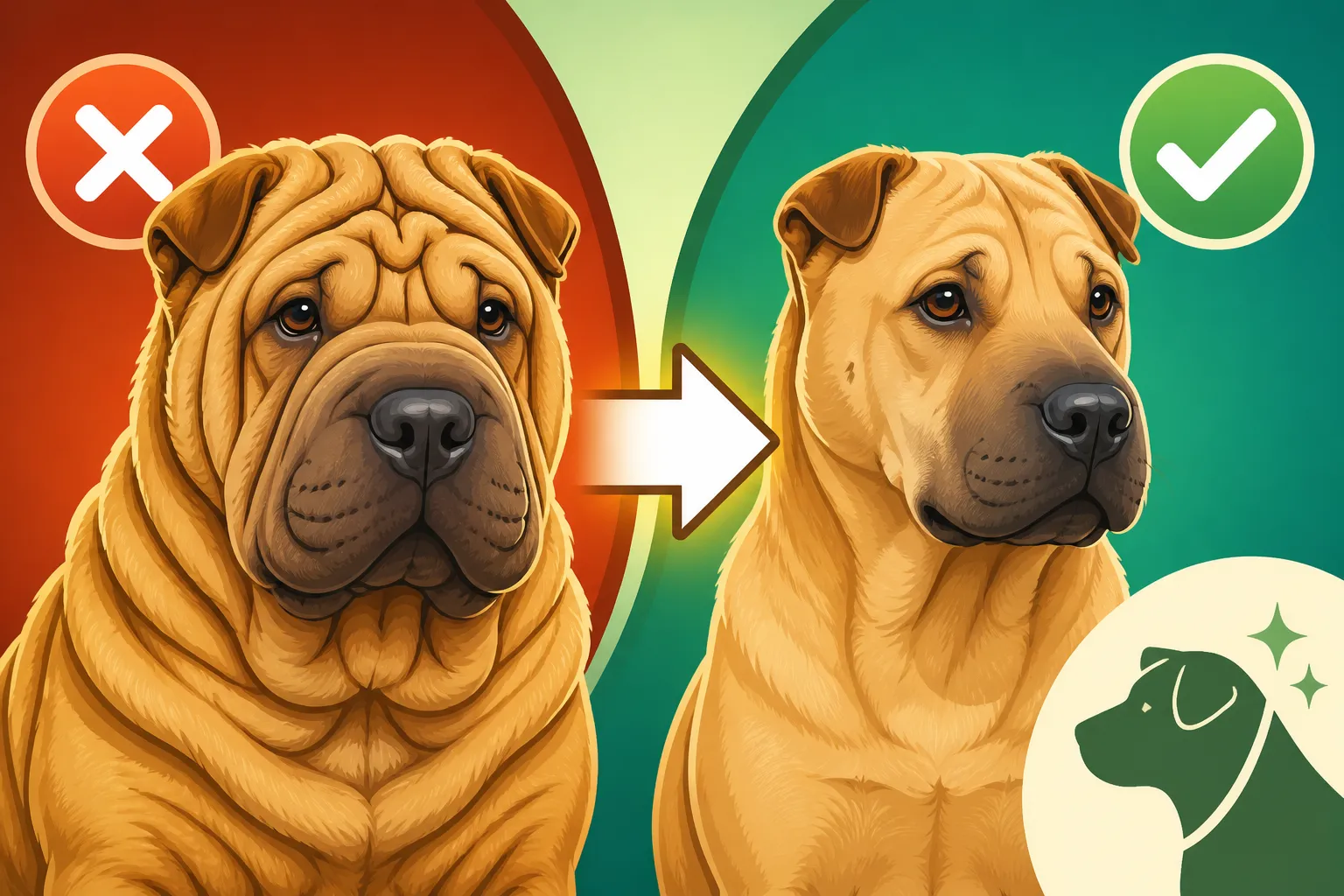
Whether Breeding for Fewer Wrinkles Would Help
Many Shar Pei owners wrestle with the heartbreaking reality of their beloved dogs suffering from a host of unique health issues, often stemming directly from the very wrinkles that make the breed so distinctive. It’s a cruel irony that the feature we love most can also be the source of so much pain and expense. This guide will dive deep into the intricate relationship between a Shar Pei's characteristic wrinkles and its overall health, exploring whether a concerted effort to breed for fewer wrinkles could genuinely lead to a healthier, happier life for these wonderful dogs.
Understanding the Shar Pei's Wrinkles and Health Challenges
It's no secret that the Shar Pei's deep wrinkles are its most striking feature. They’re what draw so many of us to the breed in the first place, giving them that unique, ancient, wise look. But beneath those adorable folds lies a complex genetic truth that impacts nearly every aspect of their well-being. This isn't just about aesthetics; it's about biology and the unintended consequences of selective breeding.
The Genetic Connection to Hyaluronic Acid and Fever
The story of the Shar Pei's wrinkles is, at its heart, a story of genetics. Specifically, it boils down to a particular gene mutation that causes an overexpression of hyaluronic acid. Imagine this: hyaluronic acid is a substance naturally found in the body, crucial for joint lubrication and skin health. In most dogs, it's present in normal amounts. But in the Shar Pei, there's too much of it. This excess causes the characteristic thick, loose skin and those deep, wonderful wrinkles we all recognize.
Unfortunately, this isn't just a cosmetic trait. This same genetic mutation, which gave the Shar Pei its wrinkles and its fever, is intrinsically linked to a debilitating condition known as Familial Shar Pei Fever (FSF). This isn't an infection you catch; it's an inherited inflammatory disease where dogs experience recurrent episodes of high fever, often accompanied by swollen hocks, lethargy, and pain. It's truly miserable to witness. Think of it as an internal alarm system going off far too often, triggered by the very substance meant to keep their skin plump. The higher the "copy number" of this specific gene—meaning, the more they overproduce hyaluronic acid—the more pronounced their wrinkles tend to be, and critically, the higher their risk of developing FSF. Understanding how copy number changes a Shar Pei's risk is vital for anyone considering this breed.
The Cascade Effect: From Wrinkles to Kidney Disease
While FSF itself is distressing, it's often a precursor to something far more sinister: amyloidosis. This is where the true danger lies. Each episode of FSF causes inflammation in the body. Over time, chronic or severe inflammation can lead to the deposition of an abnormal protein called amyloid in various organs, primarily the kidneys and sometimes the liver. This amyloid buildup is insidious; it's like tiny, invisible shards gradually accumulating, preventing these vital organs from functioning correctly. Amyloidosis is what actually kills a Shar Pei.
The connection here is direct: more wrinkles generally mean a higher propensity for FSF, and repeated bouts of FSF significantly increase the risk of amyloidosis. It's a tragic cascade effect, starting with a visible trait and ending with often fatal organ failure. This is why a Shar Pei's kidneys need watching from two years old, as early detection of kidney damage is crucial, even if it doesn't reverse the underlying process. Owners need to be acutely aware that the fight against FSF isn't just about managing fever episodes; it's about minimizing the long-term risk of kidney failure, a condition that can rack up significant veterinary bills, even with a good pet insurance plan like Healthy Paws.
The Debate: Fewer Wrinkles for a Healthier Future?
Given the undeniable link between the genetic predisposition for excessive wrinkles and severe health issues, it's natural to ask: would breeding for fewer wrinkles actually help? It sounds logical, right? If the problem starts with the gene causing the wrinkles, surely reducing the expression of that gene would reduce the associated health problems. This is a complex and often emotional topic within the Shar Pei community.
How "Less Wrinkled" Shar Pei Might Look and What It Means for Health
When we talk about a "less wrinkled" Shar Pei, we're essentially talking about moving towards what's sometimes referred to as a "bone mouth" Shar Pei, or a more "traditional" Shar Pei. These dogs tend to have a leaner build, less excess skin, and fewer wrinkles, particularly around the face and body. Their muzzles are typically less padded, giving them a more defined, less "hippopotamus-like" appearance than many modern, heavily wrinkled "meat mouth" Shar Pei. You might wonder, whether a bone mouth Shar Pei has fewer copies of the wrinkle-causing gene, and indeed, genetic studies suggest this is often the case.
If a Shar Pei has fewer copies of the wrinkle gene, it theoretically produces less hyaluronic acid. This reduction could, in turn, lead to a decreased incidence and severity of FSF. Fewer fever episodes mean less inflammation, and less inflammation means a lower risk of amyloid deposition in the kidneys. In essence, a less wrinkled Shar Pei could experience a significant reduction in the primary health challenges that plague the breed. This isn't just conjecture; anecdotal evidence from breeders focusing on more moderate wrinkle patterns often points to healthier lines. The question of whether a less wrinkled Shar Pei is healthier is really at the heart of improving the breed's future.
Challenges and Ethical Considerations in Breeding for Change
While the idea of breeding for fewer wrinkles sounds like a straightforward solution, implementing it comes with a unique set of challenges and ethical considerations that are not to be taken lightly.
First, there's the aesthetic standard. Many people, and indeed some breed standards, celebrate the Shar Pei's extreme wrinkles. Shifting this perception requires a significant cultural change within the breed fancy. Will judges penalize a dog with fewer wrinkles, even if it's healthier? Will the public still desire a less wrinkled Shar Pei, or will they gravitate towards the more "iconic" look that, ironically, carries higher health risks? This brings up the sensitive topic of whether breeders knew the wrinkle gene carried the fever, and the responsibility that comes with that knowledge.
Second, the genetic pool is relatively small. The Shar Pei breed faced near extinction in the 1970s, and the modern population descends from a very limited number of dogs. This genetic bottleneck means that desirable traits (like fewer wrinkles and better health) might be tightly linked to other less desirable traits, or that there's simply not enough genetic diversity to make rapid changes without inadvertently introducing other problems. Strategic breeding requires careful planning, extensive health testing, and a deep understanding of canine genetics to avoid creating new issues while solving old ones.
Finally, there's the ethical dilemma. Is it fair to drastically alter the appearance of a breed simply for health? For many, the answer is a resounding "yes," especially when the current aesthetic causes so much suffering. However, it's not as simple as flipping a switch. Responsible breeders committed to the breed's future would need to meticulously select breeding pairs, using genetic testing to identify dogs with lower copy numbers of the problematic gene. This also involves careful monitoring for other potential health issues and ensuring that temperament and other breed-specific traits are maintained. It’s a long, dedicated road that moves beyond merely wanting "Whether the wrinkles could be bred out entirely" to a more nuanced goal of moderation and health. It takes time, commitment, and often, a willingness to go against what has become the popular perception of the breed.
Beyond Wrinkles: Holistic Approaches to Shar Pei Health
While focusing on reducing wrinkles through selective breeding holds immense promise for the long-term health of the Shar Pei, it's also crucial to remember that a holistic approach to care and management is indispensable right now for the Shar Pei in front of us. No matter how many wrinkles a dog has, proactive healthcare and attentive ownership can make a world of difference.
Comprehensive Health Screening and Proactive Management
For any Shar Pei owner, understanding the breed's specific health vulnerabilities is the first step toward proactive care. Beyond the genetic link to FSF and amyloidosis, Shar Pei are prone to other conditions like entropion (eyelids rolling inward), narrow ear canals that predispose them to chronic ear infections, and various skin issues.
A comprehensive health screening program for a Shar Pei should include:
- Genetic Testing: If you’re considering a puppy, ask breeders about testing for the copy number variation of the HAS2 gene. While not every feverish Shar Pei gets amyloidosis, knowing the genetic risk is empowering.
- Regular Veterinary Check-ups: These are non-negotiable. Your vet, ideally one familiar with the breed, can help monitor for early signs of trouble. This is especially true for kidney health; why a Shar Pei's kidneys need watching from two years old is paramount. Regular bloodwork and urine tests, like a Urine Protein:Creatinine (UPC) ratio, can catch subtle changes before they become severe. The cost of watching a Shar Pei's kidneys for its whole life might seem daunting, but early detection can improve quality of life and potentially extend lifespan.
- Eye Exams: Entropion in a Shar Pei puppy is an emergency, not a cosmetic issue. Regular checks by your vet or a veterinary ophthalmologist can ensure their vision remains clear and pain-free.
- Ear Care: Given their narrow ear canals, consistent ear cleaning with vet-approved solutions is vital to prevent infections. A Shar Pei has the narrowest ear canals of any breed, making preventative care paramount.
- Skin Fold Management: Daily cleaning and drying of their deep skin folds can prevent painful skin fold dermatitis and yeast infections. Every fold on a Shar Pei is a place something grows, so vigilance is key.
Having a robust pet insurance plan, such as one from Healthy Paws, can also be a game-changer. Given the chronic nature of many Shar Pei health issues, those unexpected vet bills can quickly add up. A good policy can help ensure you can afford the best care for your wrinkly companion without financial stress, which is particularly important with conditions like SPAID in a Shar Pei, which involves immune-mediated inflammation.
| Health Condition | Genetic Link (Wrinkles) | Common Symptoms | Proactive Management |
|---|---|---|---|
| Familial Shar Pei Fever | Direct (high copy #) | High fever, swollen hocks, lethargy, pain | Genetic testing, fever log, vet consultation, Colchicine (if prescribed) |
| Amyloidosis | Indirect (via FSF) | Kidney failure signs (increased thirst, urination, vomiting, weight loss) | Regular kidney monitoring (bloodwork, UPC ratio), managing FSF, renal diet (if needed) |
| Entropion | Direct (excess facial skin) | Eye irritation, excessive tearing, squinting, corneal ulcers | Eye tacking for puppies, permanent eyelid surgery for adults |
| Ear Infections | Indirect (narrow canals due to overall breed structure) | Head shaking, ear scratching, discharge, odor | Regular cleaning with vet-approved solutions, medicated drops for infections |
| Skin Fold Dermatitis | Direct (deep folds) | Redness, irritation, odor, infection in folds | Daily cleaning and drying of folds, medicated wipes/shampoos |
The Role of Responsible Breeders and Owners
Ultimately, the future health of the Shar Pei breed rests on the shoulders of both responsible breeders and dedicated owners.
Responsible breeders are the ones who prioritize health over exaggerated features. They use genetic testing, screen their breeding dogs for known health conditions, and strive to produce puppies with moderate wrinkle patterns, a healthy temperament, and a sound structure. They are transparent about their dogs' health histories and educate prospective owners about the breed's challenges. They understand that breeding for fewer wrinkles would help improve the overall genetic health. They're not just selling puppies; they're safeguarding a breed. You'll find they often have waiting lists, reflecting their commitment to careful, ethical breeding practices, and they're usually open to discussing topics like whether a Shar Pei's copy number can be tested.
Dedicated owners are those who go into Shar Pei ownership with their eyes wide open, fully prepared for the commitment these special dogs require. This means:
- Education: Learning everything you can about the breed's specific health needs and understanding the nuances of how the wrinkle gene also triggers fever.
- Vigilance: Paying close attention to any changes in your dog's behavior, appetite, or physical condition, and knowing what to do when a Shar Pei spikes a fever.
- Financial Preparedness: Recognizing that Shar Pei can be an expensive breed to own due to their health issues. Budgeting for regular vet visits, potential specialist care, and medication is crucial. This is where options like Healthy Paws pet insurance really shine, offering peace of mind when unexpected medical costs arise.
- Advocacy: Working with your vet as a team, asking informed questions, and advocating for the best possible care for your Shar Pei. Keeping a Shar Pei fever log, for instance, can provide invaluable data to your veterinarian.
By making informed choices about breeding and providing meticulous, proactive care, we can collectively strive for a future where Shar Pei are not only cherished for their unique appearance but also thrive in robust health. Improving Shar Pei lifespan is a goal that's within reach with dedication and a shift in priorities within the breed community.
Disclaimer
Please remember that the information provided in this guide is for educational and informational purposes only and does not constitute veterinary advice. Always consult with a qualified veterinarian or veterinary specialist for any health concerns or before making any decisions about your Shar Pei's medical care or breeding plans. Individual dogs may vary in their health needs and responses to treatments.


