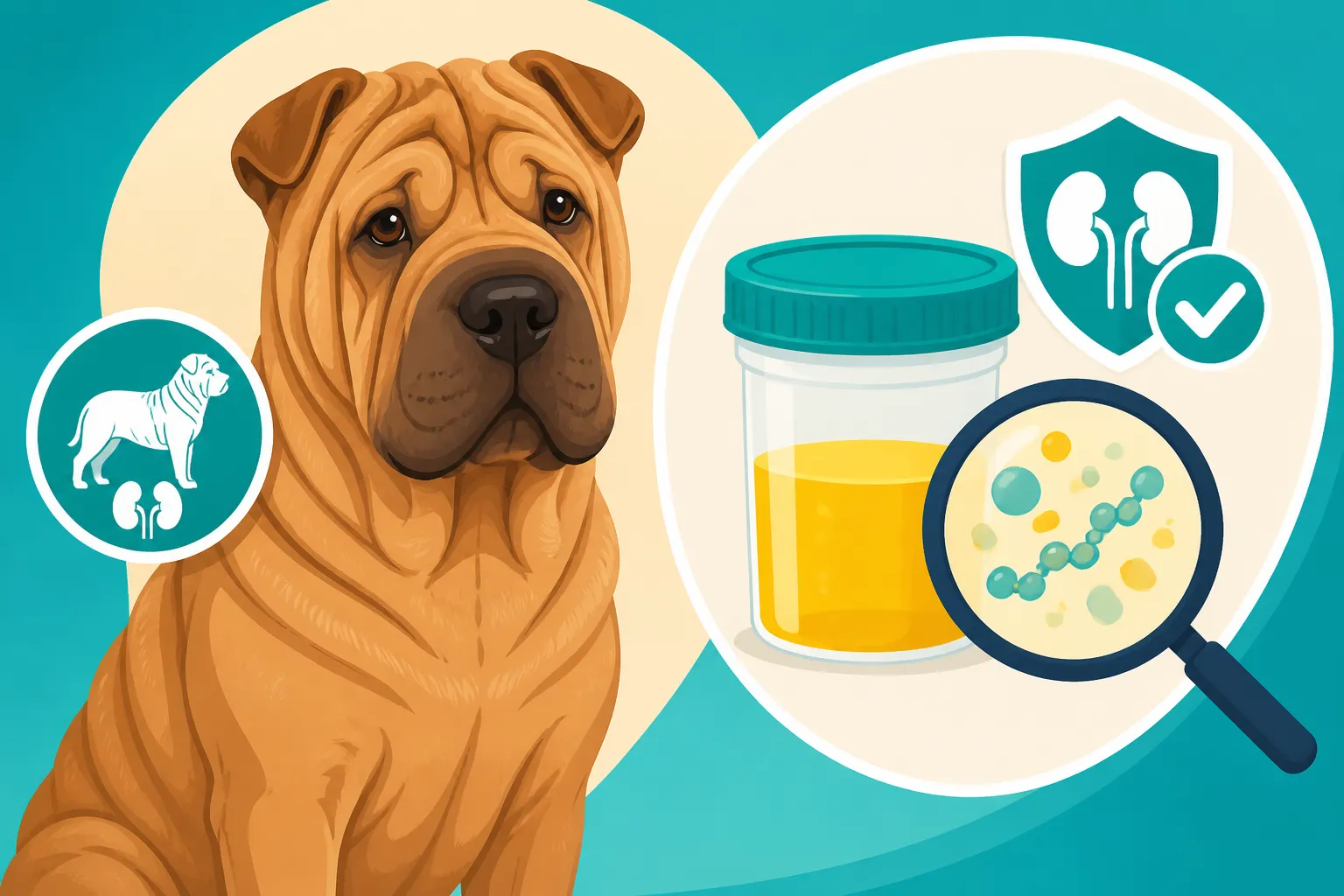
What a Urine Protein Test Tells a Shar Pei Owner
One of the most heart-wrenching realities of owning a Shar Pei is the constant worry about their unique health challenges, particularly the silent threat of kidney disease. It’s a fear that hangs over many of us, knowing that by the time overt symptoms appear, significant damage might have already been done. This guide aims to demystify one of our most powerful tools in proactive care: the urine protein:creatinine (UPC) ratio test, explaining exactly what it tells a Shar Pei owner and how to use that information to advocate for your beloved companion.
The Silent Threat of Kidney Disease in Shar Pei
For any Shar Pei owner, the words "kidney disease" can send a chill down your spine. This breed, as we know all too well, carries a genetic predisposition to a condition called Familial Shar Pei Fever (FSF), and critically, a secondary complication known as amyloidosis. It's a cruel twist of fate that the very genes giving our Shar Peis their distinctive wrinkles also make them susceptible to this life-shortening illness. The real heartbreak is how insidious amyloidosis can be, often progressing silently without obvious symptoms until the kidneys are severely compromised.
The Link Between Fever and Kidney Damage
Let's talk about those fevers. When your Shar Pei spikes a fever, it's not always a bacterial or viral infection in the traditional sense. In fact, Familial Shar Pei Fever Is Not an Infection; it's an inflammatory condition linked to the overproduction of hyaluronic acid, which also gives them their wrinkly skin. Repeated episodes of inflammation, particularly those associated with FSF, can lead to the deposition of an abnormal protein called amyloid in various organs, most commonly the kidneys. This amyloid material essentially clogs and damages the delicate filtering structures within the kidneys, slowly but surely impairing their function. This insidious process is why Amyloidosis Is What Actually Kills a Shar Pei. It’s a slow burn, not a sudden explosion, which makes consistent monitoring absolutely essential. Understanding What a Shar Pei Fever Episode Looks Like is the first step, but connecting those episodes to potential long-term kidney health is the critical next step for proactive owners.
Why Early Detection is So Crucial
The unfortunate truth about kidney disease in dogs, especially in Shar Peis, is that they are incredibly good at compensating until a significant portion of their kidney function is already lost. We're talking about 75% or more damage before you might notice symptoms like increased thirst, more frequent urination, lethargy, or loss of appetite. By this stage, while management is still possible, the window for truly preventative or significantly life-extending measures often narrows. This is why we, as Shar Pei parents, cannot afford to wait for symptoms. Proactive testing, starting from a young age, is our best defense. It allows us to intervene sooner, potentially slowing the progression of the disease and improving our dog's quality of life for much longer. This foresight is part of why Why a Shar Pei's Kidneys Need Watching From Two Years Old is such vital advice. Knowing Whether Every Feverish Shar Pei Gets Amyloidosis can help temper expectations, but the prudent approach is always early vigilance.
Understanding the Urine Protein:Creatinine Ratio Test
So, how do we catch these issues early? That's where the urine protein:creatinine (UPC) ratio test becomes your best friend. It’s a simple, non-invasive test that can provide invaluable information about your Shar Pei's kidney health long before any other signs might show up. It helps detect protein leaking into the urine, which is often one of the first indicators of kidney damage.
How the UPC Test Works
Think of your Shar Pei's kidneys as incredibly sophisticated coffee filters. Their job is to filter waste products from the blood while keeping essential proteins in the body. When these filters start to get damaged, whether by amyloid deposits or other issues, they become "leaky." Essential proteins, which are normally too large to pass through, start to spill into the urine.
The UPC test measures the amount of protein and creatinine in a single urine sample and expresses it as a ratio. Creatinine is a waste product that's excreted at a relatively constant rate, so it acts as a benchmark. By comparing the protein level to the creatinine level, vets can get a standardized measure of protein loss, correcting for variations in urine concentration (e.g., if your dog just had a big drink of water). A simple "dipstick" test at the vet's office might show protein, but it doesn't give a reliable quantitative measure. The UPC ratio, however, provides a much more accurate and consistent picture of protein leakage. It's an easy sample to collect, often just a "free catch" first-morning urine from your dog, making it stress-free for both of you.
Interpreting Your Shar Pei's Results
So you've got the results back – what do those numbers actually mean for your Shar Pei? It's essential to understand that "normal" can vary slightly between labs, but there are generally accepted ranges.
Here’s a general guide to interpreting UPC ratios:
| UPC Ratio Range | Interpretation for Shar Pei | Action Steps |
|---|---|---|
| Less than 0.2 | Normal. Excellent! | Continue routine monitoring, especially with a history of FSF. |
| 0.2 – 0.4 | Borderline. | Often warrants a re-test in 2-4 weeks. Consider diet review and closer monitoring. This is where Healthy Paws might start to see claims. |
| Greater than 0.4 | Proteinuria. Indicates potential kidney disease. | Further diagnostics recommended, repeat testing, vet consultation to determine cause and management. |
| Greater than 0.5 | Significant Proteinuria. | Strong indicator of kidney disease. Urgent vet intervention for diagnosis and treatment. |
For a Shar Pei, even a UPC ratio in the "borderline" range (0.2-0.4) warrants close attention, especially if your dog has a history of FSF episodes. It might be the earliest warning sign that amyloidosis is starting to take hold. A consistently elevated UPC, particularly above 0.4 or 0.5, is a red flag indicating persistent protein loss, a hallmark of kidney disease. It doesn't necessarily tell you why the protein is leaking, but it tells you that it is, and that kidney damage is a strong possibility. This early information is paramount, as it gives your vet a chance to explore causes and intervene before the disease progresses to more advanced stages, where Signs a Shar Pei's Kidneys Are Failing become much more apparent. This kind of proactive monitoring, while a responsible part of Shar Pei ownership, is exactly the kind of preventative care that can lead to fewer acute emergencies and better long-term outcomes, easing the financial burden which pet insurance like Healthy Paws can also help with.
Actionable Steps After a High UPC Result
Finding out your Shar Pei has an elevated UPC ratio can be incredibly unsettling. It's natural to feel worried, even panicked. But remember, this test is a tool for action. It’s giving you the chance to be proactive, which is far better than reacting to full-blown symptoms later.
Confirming the Diagnosis and Further Testing
The first step after an elevated UPC is usually to repeat the test, often in a few weeks, to confirm it's not a transient issue caused by something minor like a urinary tract infection or temporary inflammation. If the protein levels remain high, your vet will likely recommend a more comprehensive diagnostic workup. This typically includes:
- Complete Blood Count (CBC) and Chemistry Panel: These tests evaluate overall health and can check for other indicators of kidney function, like blood urea nitrogen (BUN) and creatinine. Even more importantly, a newer marker called Symmetric Dimethylarginine (SDMA) can detect kidney disease much earlier than BUN or creatinine, often when only 40% of kidney function is lost, compared to 75%.
- Urinalysis with Sediment Exam and Culture: This helps rule out urinary tract infections or other inflammatory conditions that can cause protein in the urine.
- Blood Pressure Measurement: High blood pressure can be both a cause and a consequence of kidney disease, and managing it is crucial.
- Abdominal Ultrasound: This imaging can provide a visual assessment of the kidneys, looking for structural changes, amyloid deposition, or other abnormalities. It can show How Amyloid Damages a Shar Pei's Kidneys by revealing changes in their size and texture.
This comprehensive approach helps your vet pinpoint the underlying cause of the proteinuria and determine the stage of kidney disease. It's a journey, not a single snapshot, and each piece of information builds a clearer picture.
Management Strategies and Treatments
Once kidney disease is diagnosed and staged, your vet will discuss a tailored management plan. The goal is to slow the progression of kidney damage, manage symptoms, and maintain your Shar Pei's quality of life. For Shar Peis with amyloidosis, management often involves a multi-pronged approach:
- Dietary Modifications: A prescription renal diet is often recommended. These diets are carefully formulated with controlled protein levels (to reduce kidney workload), reduced phosphorus (to prevent mineral imbalances), and often increased omega-3 fatty acids (for anti-inflammatory benefits). It's crucial that your Shar Pei actually eats and tolerates this diet, as nutrition is key.
- Medications to Reduce Proteinuria: ACE inhibitors (e.g., benazepril, enalapril) are commonly prescribed. These drugs help to reduce protein leakage by altering blood flow within the kidneys and can also help manage high blood pressure.
- Blood Pressure Control: If your Shar Pei has hypertension, medications like amlodipine might be added to lower blood pressure, which in turn protects the kidneys.
- Colchicine: For Shar Peis with FSF and a risk of amyloidosis, a drug called colchicine is often prescribed. This medication doesn't reverse existing amyloid, but it can help prevent further amyloid deposition by disrupting the inflammatory pathways. Knowing Whether Colchicine Helps a Shar Pei and understanding its preventative role is crucial for long-term management. While it might not stop all future fevers, it's a vital part of the proactive approach to combat amyloidosis.
- Supportive Care: This might include anti-nausea medications, appetite stimulants, or even subcutaneous fluids if your Shar Pei becomes dehydrated or isn't drinking enough.
The costs associated with these diagnostics and ongoing treatments can add up quickly. This is where a robust pet insurance policy, like those offered by Healthy Paws, can be an absolute lifesaver. Being able to say "yes" to every recommended test or medication without worrying about the bill makes a huge difference in your ability to provide the best possible care for your Shar Pei. They can help cover everything from specialist visits to prescription medications, taking a significant burden off your shoulders during a stressful time.
Long-Term Monitoring and Proactive Care
Living with a Shar Pei with kidney disease, or even just at risk, means embracing a lifestyle of vigilance. It becomes a partnership with your veterinarian, constantly monitoring, adjusting, and adapting to give your dog the longest, healthiest life possible.
Establishing a Routine for Kidney Health
Regular monitoring is the cornerstone of managing kidney disease in Shar Peis. This typically involves:
- Frequent UPC Tests: Depending on your Shar Pei's stage of kidney disease, your vet might recommend UPC tests every 3-6 months. This helps track the effectiveness of treatments and detect any progression early.
- Bloodwork and Blood Pressure Checks: These should coincide with UPC tests to give a full picture of kidney function and overall health.
- Weight Monitoring: Keeping your Shar Pei at an ideal body weight is crucial, as obesity can put additional strain on the kidneys.
- Hydration: Always ensure your Shar Pei has access to fresh water. Encouraging drinking can help keep their kidneys flushed. Consider adding water to their food or using a pet fountain.
- Medication Adherence: Stick strictly to your vet's prescribed medication schedule. Consistency is key for managing conditions like high blood pressure and reducing protein leakage.
It's a lot to keep track of, but it becomes second nature over time. Keeping a detailed health log can be incredibly helpful for tracking trends and sharing information with your vet, especially regarding How Often a Shar Pei's Kidney Values Should Be Checked. This proactive data collection can allow your vet to spot issues even before clinical signs develop.
The Importance of a Comprehensive Health Plan
Kidney health, while paramount, is just one piece of the puzzle for a Shar Pei. Their unique anatomy and genetic predispositions mean they often face a host of other health challenges. For example, Skin Is the Shar Pei's Largest Problem by Surface Area, and managing skin fold dermatitis or allergies is often an ongoing battle. Similarly, A Shar Pei Has the Narrowest Ear Canals of Any Breed, making them prone to chronic ear infections that require diligent cleaning and sometimes advanced treatment.
A truly comprehensive health plan integrates all these elements. Regular vet check-ups should encompass a thorough examination of skin, ears, and eyes, alongside the essential kidney monitoring. Discussing your Shar Pei's full health profile with your vet ensures that no single issue is treated in isolation.
Having reliable pet insurance is another critical component of this comprehensive plan. Companies like Healthy Paws understand the breed-specific challenges Shar Peis face. While they don't cover pre-existing conditions, getting a policy when your Shar Pei is young and healthy means you're prepared for future, unexpected illnesses or accidents. This financial safety net allows you to make treatment decisions based on what's best for your beloved dog, rather than being limited by cost, and provides immense peace of mind. Ultimately, being a Shar Pei owner is about being a vigilant, dedicated advocate for their health, embracing proactive care, and being prepared for the unique journey this wonderful breed offers.
Disclaimer
The information provided in this article is for general informational purposes only and is not intended as a substitute for professional veterinary advice. Always consult with a qualified veterinarian regarding your Shar Pei's health and any medical conditions.


