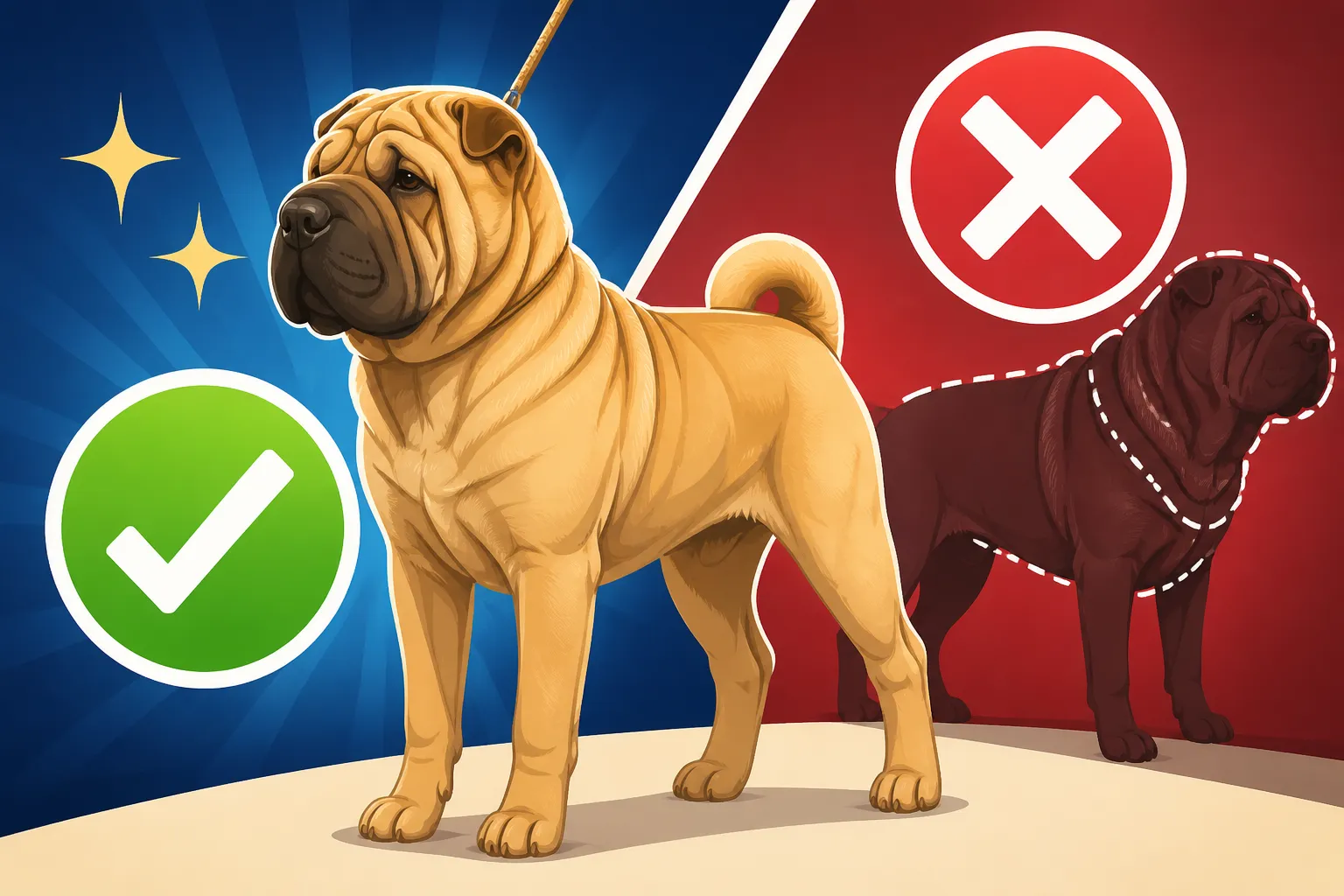
Whether a Tacked Shar Pei Can Be Shown
It's heartbreaking to realize your adorable Shar Pei puppy, with all its beautiful wrinkles and sweet nature, might be facing a painful eye condition that could threaten their sight and, potentially, their dreams of gracing a show ring. Many hopeful owners find themselves grappling with the diagnosis of entropion, a common ailment in our beloved breed, and then face the immediate question: if my puppy needs eye tacking, does that mean their show career is over before it even begins? This guide will unpack the realities of showing a tacked Shar Pei, helping you understand the rules, the ethics, and how to best support your wrinkly companion.
Understanding Entropion and the Necessity of Tacking in Shar Pei Puppies
The distinctive folds and wrinkles that make our Shar Peis so unique can, unfortunately, also contribute to some significant health challenges. One of the most pressing issues for many Shar Pei puppies is entropion, a condition where the eyelid rolls inward, causing eyelashes and fur to rub against the delicate surface of the eye. It's not just uncomfortable; it can be incredibly painful and cause permanent damage if left untreated.
The Urgency of Early Intervention for Entropion
When a Shar Pei puppy develops entropion, it's not a wait-and-see situation. That constant rubbing of hair on the cornea is excruciating, akin to having sand perpetually in your eye, but imagine it for every waking moment. This irritation can quickly lead to corneal ulcers, infections, and even scarring, which can permanently impair vision or even lead to blindness. Owners often notice their puppy squinting, tearing excessively, holding one or both eyes shut, or pawing at their face. If you see these signs, it's a critical moment to act. You need to get to your vet, ideally one experienced with brachycephalic breeds or a veterinary ophthalmologist, as soon as possible. The sooner you intervene, the better the chances of preserving your puppy's vision and comfort. As we've discussed in detail, What Entropion Does to a Shar Pei Puppy's Eye is a serious matter, and ignoring it is simply not an option for responsible pet parents.
The age a Shar Pei puppy often first shows signs of entropion can vary, but it's typically within their first few months of life. Some puppies are born with noticeable entropion, while others develop it as they grow and their facial structure changes. The crucial thing is recognizing the symptoms quickly and understanding that this isn't a cosmetic issue to be dealt with lightly. It's a painful medical emergency that demands prompt attention to prevent long-term damage.
How Eye Tacking Works to Protect Their Vision
Once entropion is diagnosed, especially in young puppies where the skull and facial tissues are still developing, the most common immediate solution is eye tacking. This isn't permanent surgery, but rather a temporary procedure designed to roll the eyelid back out, preventing the hairs from irritating the eye. Small sutures are placed on the outside of the eyelid, gently pulling the skin taught and away from the eyeball. It’s a bit like giving the eyelid a temporary "lift" to allow the puppy to see comfortably and prevent corneal damage.
The goal of tacking is to provide relief and allow the puppy to grow, sometimes "growing into" their skin as their head develops. Sometimes, one round of tacking is enough. Other times, a puppy might need several tacking sessions as they mature. The good news is that What Eye Tacking Involves for a Shar Pei is usually a straightforward procedure. Often, puppies don't even need full anesthesia; many vets can perform it with local anesthetic and light sedation, which is a relief for worried owners. The sutures typically stay in for a few weeks, after which they are removed, and the vet assesses if the problem has resolved or if further tacking or eventual permanent surgery might be needed. This temporary fix is a lifesaver for many puppies and is purely for their health and comfort.
Show Ring Rules and Shar Pei Breed Standards Regarding Tacking
This is where the rubber meets the road for show enthusiasts. The immediate concern for anyone hoping to show their Shar Pei is whether a procedure like eye tacking, or even permanent entropion surgery, will disqualify their dog from competition. Kennel clubs, like the American Kennel Club (AKC), have specific rules regarding surgical alterations, and it's essential to understand the nuances.
Navigating Kennel Club Regulations on Cosmetic vs. Corrective Procedures
Generally speaking, kennel clubs aim to preserve the natural appearance and health of a breed. This means that cosmetic surgeries performed solely to enhance a dog's appearance for the show ring, or to hide a fault, are typically prohibited and will lead to disqualification. Think things like ear cropping or tail docking in breeds where it's not part of the standard, or other procedures done purely for aesthetics.
However, medical procedures performed to correct a health defect, pain, or discomfort, even if that defect is genetic, are often treated differently. The key distinction lies in the intent. Eye tacking for entropion in a Shar Pei puppy falls squarely into the category of a medically necessary procedure to relieve pain and prevent serious, permanent vision damage. It's not being done to "improve" the dog's appearance for the judge, but to allow the dog to see and be comfortable. In most cases, a temporary procedure like eye tacking, performed by a veterinarian to ensure the health and welfare of the dog, would not automatically disqualify a Shar Pei from being shown. Many judges and kennel club officials understand the unique challenges Shar Peis face with their eye structure. You will want to verify the specific rules of the kennel club you plan to show with, but generally, temporary tacking is accepted as a medical necessity. The question of Whether Eye Tacking Is Considered Cosmetic Surgery is critical, and for a Shar Pei, it is overwhelmingly viewed as medical, not cosmetic.
When considering a permanent entropion surgery later in life, the situation can be a bit more complex. Some kennel clubs might require veterinary certification that the surgery was medically necessary and not performed to gain an unfair advantage or disguise a conformation fault. It's always best practice to discuss any surgical procedures with your veterinarian and then consult the specific show rules and potentially even a reputable breed club mentor or official before entering a dog that has undergone such a procedure. Documenting the medical necessity with clear veterinary records is paramount.
The Ethical Dilemma: Health First, Show Second
While the technical rules are important, there's a deeper, more profound consideration that every Shar Pei owner must face: their dog's well-being. When you're trying to decide Whether a Shar Pei Puppy's Eye Tacking Hurts, the answer is that the entropion itself causes immense pain. The tacking procedure, while requiring some discomfort, alleviates that suffering. No show ribbon, no championship title, is worth more than your dog's comfort, health, and ability to live a pain-free life.
Imagine trying to train or show a puppy that is constantly in agony, squinting, and unable to properly see their environment. It would be unfair to the dog and would likely result in a poor performance anyway. Prioritizing the necessary veterinary care, like tacking, demonstrates responsible ownership and true dedication to your dog's welfare. Most judges, and certainly any ethical breeder or exhibitor, would agree that immediate medical intervention is always the right choice, regardless of its potential impact on a show career. Your Shar Pei relies on you to make these tough decisions, and putting their health first is the most loving thing you can do. This is where having a good pet insurance plan from a provider like Healthy Paws can truly help owners make these medical decisions without financial stress being the primary factor. Knowing that a significant portion of the vet bill for crucial procedures like entropion repair could be covered allows you to focus on what's best for your puppy.
Long-Term Outlook for a Tacked Shar Pei's Show Career
So, you’ve tacked your puppy, given them relief, and now they’re growing. What does the future hold for their show prospects? The journey isn't always straightforward, and it’s important to manage expectations while remaining hopeful.
From Temporary Tacking to Potential Permanent Correction
As your Shar Pei puppy grows, their skull and facial muscles develop. Sometimes, as they mature, the issue of entropion resolves on its own, and the eyelids naturally fall into a correct position. This is the ideal scenario, and if it happens, then the temporary tacking had no lasting impact on their conformation or show eligibility. However, many Shar Peis will need more than just temporary tacking. After the tacking sutures are removed, the entropion might recur, or perhaps it never fully resolved, leading to continued irritation. In these cases, permanent eyelid surgery, also known as blepharoplasty, might be necessary. This surgery involves removing a small strip of skin from the eyelid to permanently correct the inward roll.
The decision for permanent surgery is usually made once the dog is closer to full maturity, typically around 6 to 12 months of age, to ensure their facial structure is more stable. When a Shar Pei Needs Permanent Eyelid Surgery is a decision made in consultation with your veterinarian or ophthalmologist, weighing the severity of the entropion against the dog's growth. While permanent surgery is more invasive, it offers a lasting solution to a painful and potentially blinding condition. Again, for this kind of procedure, particularly if it's costly, having a robust pet insurance policy like those offered by Healthy Paws can be a tremendous asset, ensuring you don't have to compromise on the best care for your Shar Pei.
Balancing Show Ambition with a Shar Pei's Health and Welfare
The ultimate question remains: can a Shar Pei who has undergone permanent entropion surgery be shown? The answer is often yes, with caveats. As mentioned before, the key is the medical necessity of the procedure. If the surgery was performed to correct a painful and damaging genetic defect, and not for cosmetic enhancement, most reputable kennel clubs will allow the dog to compete. However, transparent communication with the kennel club and maintaining meticulous veterinary records are crucial.
Consider the ethical implications. A Shar Pei with uncorrected, severe entropion is not only in pain but also cannot present itself properly in the ring. Their eyes would be squinting, teary, and they might appear uncomfortable or even aggressive due to their poor vision and discomfort. A judge wants to see a happy, healthy dog that embodies the breed standard. A dog that has had its entropion medically corrected, even permanently, and is now comfortable and able to see clearly, will be able to move and interact far more confidently and happily in the ring. In the long run, investing in your Shar Pei's health, whether through initial tacking or subsequent permanent surgery, gives them the best chance to truly shine, both in and out of the show ring. Remember that the overall Shar Pei Lifespan Is Improving due to better care and understanding of these issues, and managing health concerns proactively is a big part of that.
It's also worth noting that judges are looking at the overall dog. While their eye structure is part of the standard, the health and temperament of the dog are paramount. A Shar Pei who is well-socialized, well-trained, and in excellent health, even if they've had necessary eye surgery, often fares better than a dog whose health issues have been ignored. The total Cost of Watching a Shar Pei's Kidneys for Its Whole Life or managing other breed-specific issues emphasizes the ongoing commitment required, and eye care is certainly part of that.
Here’s a quick overview of how different interventions for entropion typically stand regarding show eligibility:
| Feature | Eye Tacking (Temporary) | Permanent Entropion Surgery (Blepharoplasty) |
|---|---|---|
| Purpose | Temporary relief, prevent corneal damage, allow puppy to grow | Permanent correction of eyelid position, eliminate discomfort |
| Medical Status | Medically necessary | Medically necessary |
| Timing | Typically in puppies (weeks to months old) | Typically in adolescents/adults (6-12+ months old) |
| Appearance | Small sutures visible during tacking period | Scarring may be minimal or subtle along the eyelid |
| Show Eligibility | Generally permitted (medical necessity) | Generally permitted with veterinary certification (medical necessity) |
| Impact on Dog | Immediate relief from pain, improved vision temporarily | Long-term relief from pain, clear vision permanently |
Ultimately, if your goal is to show your Shar Pei, make sure you're working with a reputable breeder who prioritizes health and can offer guidance on these breed-specific challenges. Many breeders will offer a health guarantee that might cover costs related to entropion in puppies. Understanding what A Shar Pei Puppy Costs and Which Breeders to Avoid is a critical first step for any prospective owner. With proper care and attention, a tacked or even surgically corrected Shar Pei can certainly go on to have a successful and happy life, and potentially even a thriving show career.
Disclaimer
This information is for educational purposes only and is not a substitute for professional veterinary advice. Always consult with a qualified veterinarian or veterinary ophthalmologist regarding your Shar Pei's health and specific medical conditions. Kennel club rules and regulations can vary and change, so always refer to the most current guidelines from the relevant organization.


