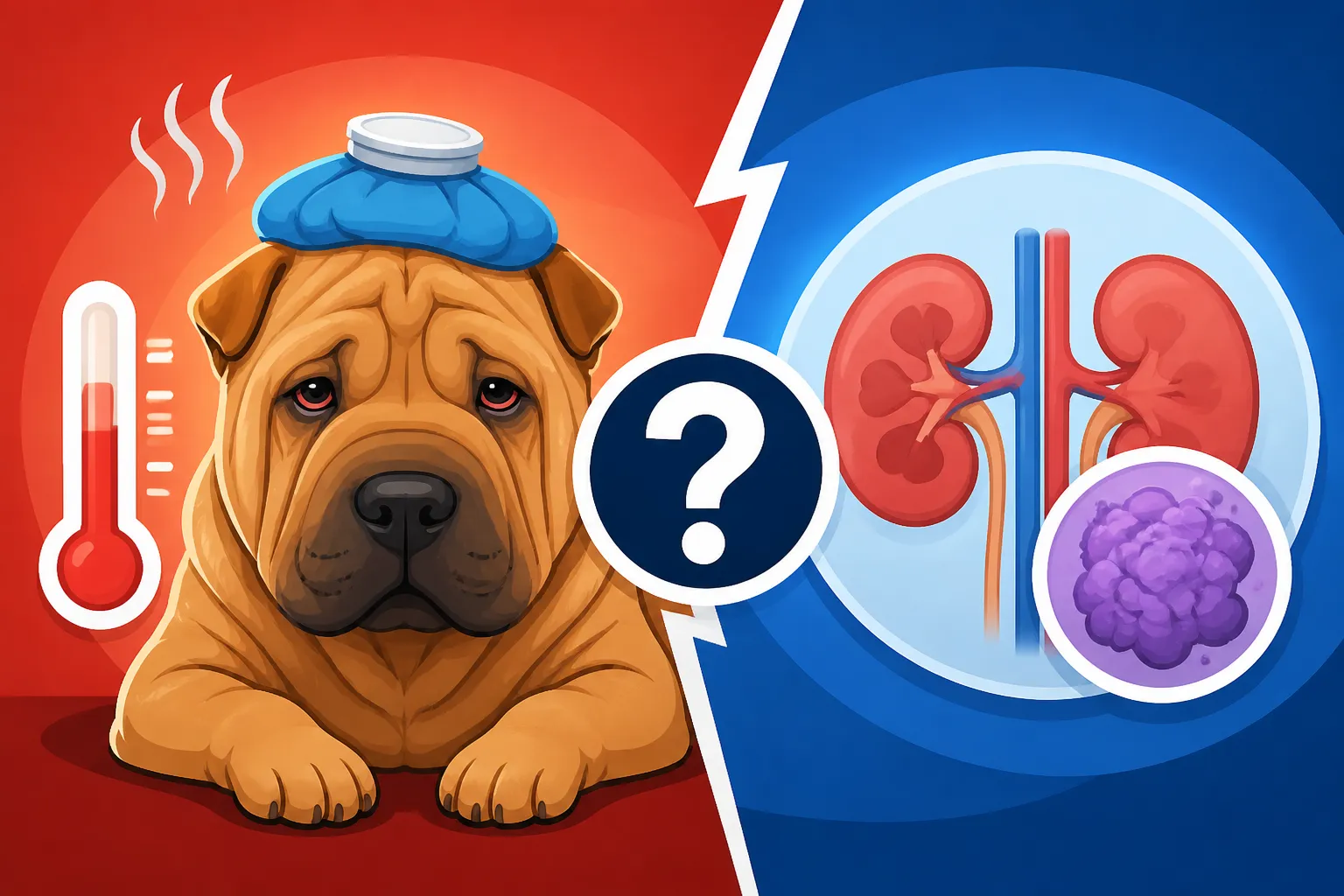
Whether Every Feverish Shar Pei Gets Amyloidosis
One of the most heart-wrenching concerns for any Shar Pei owner is the dreaded thought of Familial Shar Pei Fever (FSF) and its potential progression to amyloidosis. It’s a terrifying prospect, leaving many of us wondering if every single fever episode means a ticking clock towards kidney failure. The truth, thankfully, isn't quite so dire, but it's a connection we absolutely must understand deeply. This guide will walk you through the nuances of this complex relationship, helping you grasp the realities and the proactive steps you can take for your beloved companion.
Understanding Familial Shar Pei Fever and Amyloidosis
To truly understand whether a feverish Shar Pei will develop amyloidosis, we first need to peel back the layers of these two distinct, yet interconnected, health challenges. It’s not just about a dog getting sick; it’s about a breed-specific genetic predisposition that sets them apart.
The Genetic Link to Fever
Familial Shar Pei Fever, often shortened to FSF, is a hereditary inflammatory condition unique to the breed. It’s not an infection caused by bacteria or viruses in the typical sense. Instead, it’s rooted in a genetic mutation involving the HAS2 gene, which is responsible for the abundance of hyaluronic acid that gives the Shar Pei its distinctive wrinkles. We know that One Mutation Gave the Shar Pei Its Wrinkles and Its Fever. This mutation, specifically a duplication in the HAS2 gene, leads to an overexpression of hyaluronic acid, which is believed to contribute to systemic inflammation in these dogs.
When a Shar Pei experiences an FSF episode, their body undergoes a surge in systemic inflammation. This is characterized by a high fever, often spiking suddenly and without obvious external cause. You might notice your dog becomes lethargic, experiences pain, and might even have swollen hocks. It's a debilitating experience for them, and a worrying one for us owners. These episodes are essentially acute inflammatory responses, and while they might resolve, their recurrence is the key factor in the long-term risk.
What is Amyloidosis?
Amyloidosis, on the other hand, is a much more insidious condition. It's not an acute illness but rather a progressive and often fatal disease caused by the abnormal deposition of a protein called amyloid in various organs and tissues. In Shar Pei, the most commonly affected organ is the kidney, followed by the liver and spleen, although it can affect others too. These amyloid deposits are insoluble and accumulate over time, disrupting the normal function of the affected organs.
For Shar Pei, the amyloid that accumulates is primarily Amyloid A (AA) amyloid, which is derived from Serum Amyloid A (SAA), an acute phase protein produced during inflammation. This is where the connection to FSF becomes critical. Repeated bouts of FSF, with their accompanying inflammatory surges, lead to persistently high levels of SAA. If the body cannot clear these proteins efficiently, they misfold and aggregate into amyloid fibrils, which then deposit in the organs. It's a slow, silent process that ultimately leads to organ failure. This is why it's so sobering to understand that Amyloidosis Is What Actually Kills a Shar Pei.
The Connection, Not the Guarantee: Fever and Amyloid Risk
It's crucial to understand that while there's a strong connection between Familial Shar Pei Fever and amyloidosis, having FSF doesn't automatically mean your Shar Pei will develop amyloidosis. This nuance can offer some relief, but also highlights the importance of proactive management.
Why Not Every Fever Leads to Amyloidosis
The fear that every fever episode is a direct step towards amyloidosis is a common and understandable one among Shar Pei owners. However, it's not a direct, guaranteed progression. While FSF significantly increases the risk, not every Shar Pei that experiences fevers will go on to develop clinical amyloidosis. There are several reasons for this, including individual genetic variations, environmental factors, and the overall management of their health.
Firstly, the body's inflammatory response and its ability to process and clear inflammatory proteins can vary from dog to dog. Even among Shar Pei with the HAS2 gene mutation, the exact expression of the gene and the efficiency of the body's clearance mechanisms can differ. This means some dogs might be more resilient to the long-term effects of inflammation than others. Secondly, while FSF is a breed-specific inflammatory condition, it's essential to remember that Familial Shar Pei Fever Is Not an Infection. This means the damage isn't from a replicating pathogen, but from the body's own overactive inflammatory response.
The Role of Chronic Inflammation
The true villain in the story of amyloidosis in Shar Pei isn't necessarily a single fever episode, but rather the cumulative effect of chronic or recurrent inflammation. Each FSF episode is an acute inflammatory event. If these events happen frequently, or if there's a low-grade, persistent inflammatory state even between full-blown fevers, the body is continually producing SAA proteins. Over time, this constant production, coupled with potential inefficiencies in clearing misfolded proteins, leads to the accumulation of amyloid.
Think of it like a leaky faucet: one drip won't flood the house, but a continuous stream will eventually cause significant damage. Similarly, repeated inflammatory flares, or even subclinical inflammation that we might not readily detect, steadily adds to the amyloid burden. This cumulative effect explains why some Shar Pei might have only a few fevers but still develop amyloidosis, while others might have more fevers but escape the disease, perhaps due to differences in their inflammatory response or protein clearance capabilities. The key takeaway is that managing the frequency and severity of FSF episodes is paramount in mitigating the risk of amyloidosis. We also see how often How Often Shar Pei Fever Recurs can play a big part in the cumulative effect.
Factors Influencing Amyloid Development in Feverish Shar Pei
Understanding the complex interplay of genetics, environment, and proactive care is crucial for any Shar Pei owner grappling with the potential for amyloidosis. It's not a simple one-size-fits-all situation, and multiple factors can tip the scales.
Genetic Predisposition and Severity of Fevers
While the HAS2 gene duplication is the primary known genetic factor linking Shar Pei to FSF and amyloidosis, research suggests that other genetic modifiers might also play a role in how an individual dog processes inflammation and develops amyloid deposits. Not all dogs with the same HAS2 copy number will experience FSF or amyloidosis with the same frequency or severity. This means there could be other genes at play that either protect against or exacerbate the condition. Understanding How Copy Number Changes a Shar Pei's Risk is an important piece of the puzzle, but it’s not the whole picture.
Beyond the baseline genetic predisposition, the characteristics of your Shar Pei's fever episodes themselves can influence amyloid risk. Dogs experiencing more frequent, longer-lasting, or more intense fevers are generally considered to be at higher risk for amyloid accumulation. Each significant inflammatory event contributes to the pool of SAA proteins. Therefore, if your dog is having severe episodes of What a Shar Pei Fever Episode Looks Like on a regular basis, the cumulative inflammatory burden is higher, increasing the likelihood of amyloid protein misfolding and deposition. Monitoring these patterns and working with your vet to manage fever severity is incredibly important.
Early Intervention and Management
Proactive and consistent management of Familial Shar Pei Fever is perhaps the most significant factor within our control when it comes to influencing amyloid development. The goal of intervention isn't just to make your dog feel better during a fever, but to actively reduce the chronic inflammatory load on their system. This is where medications like Colchicine come into play.
Colchicine works by interfering with the inflammatory process and inhibiting the deposition of amyloid fibrils. It's not a cure for FSF, nor does it eliminate fevers entirely, but it's a vital tool in mitigating the long-term damage. Research has consistently shown that Shar Pei on a consistent, appropriate dose of Colchicine have a significantly reduced risk of developing amyloidosis, or at least a delayed onset and slower progression of the disease. This is why understanding Whether Colchicine Helps a Shar Pei and its proper administration is critical. Early diagnosis of FSF and prompt initiation of preventative treatment, guided by your veterinarian, can make a profound difference in your Shar Pei's long-term health and quality of life. Without such intervention, even less frequent fevers could potentially lead to amyloidosis. It is also important to know What to Do When a Shar Pei Spikes a Fever to minimize the inflammatory impact of each episode.
Recognizing the Signs and Proactive Monitoring
Being a Shar Pei owner means being vigilant. The breed's unique health challenges demand an educated and proactive approach, especially when it comes to FSF and the insidious threat of amyloidosis. Knowing what to look for and when to act is paramount.
Symptoms of Familial Shar Pei Fever
Identifying an FSF episode is the first step in managing the condition and mitigating the risk of amyloidosis. These fevers often come on suddenly, sometimes within minutes, and can be quite dramatic. The hallmark sign is a high body temperature, often reaching 104°F (40°C) or higher. Beyond the fever, your dog might exhibit:
- Lethargy and Weakness: They might be unusually tired, reluctant to move, or seem generally unwell.
- Pain: Many Shar Pei show signs of pain, often manifesting as sensitivity to touch, a hunched posture, or reluctance to be handled.
- Swollen Hocks: A classic, though not always present, symptom is swelling and tenderness in the hock (ankle) joints. This is so common that Why a Shar Pei's Hocks Swell is often the first indicator for owners.
- Facial Swelling: Less common, but some dogs may experience swelling of the muzzle or around the eyes.
- Loss of Appetite: Your dog may refuse food or water during an episode.
- Reluctance to Urinate/Defecate: Due to pain or general malaise.
It's vital to differentiate FSF from fevers caused by actual infections or other illnesses. While the general symptoms might overlap, FSF typically lacks other signs of infection like coughing, sneezing, or vomiting and diarrhea (though these can sometimes occur concurrently). If you suspect an FSF episode, a rectal thermometer is your best friend. A confirmed high temperature warrants immediate contact with your veterinarian to discuss the appropriate course of action, which may include fever-reducing medication and pain relief.
Monitoring for Amyloidosis
Because amyloidosis progresses silently and can reach advanced stages before overt symptoms appear, proactive monitoring is the bedrock of long-term care for a fever-prone Shar Pei. The kidneys are often the first organ to show damage, making kidney health a primary focus.
Regular veterinary check-ups are non-negotiable. Your vet should be aware of your Shar Pei's FSF history and genetic predisposition. Beyond routine exams, specific diagnostic tests are crucial:
- Urinalysis with Urine Protein:Creatinine (UPC) Ratio: This is arguably the most important test for early detection of kidney damage. A UPC ratio measures the amount of protein in your dog's urine relative to creatinine, helping to identify protein leakage from the kidneys, which is a hallmark of amyloid deposition. This test can reveal subtle kidney issues long before blood tests do. This is why Which Test Catches a Shar Pei's Kidney Damage Early is so valuable.
- Bloodwork (Kidney Values – BUN, Creatinine, SDMA): While often normal in the early stages of amyloidosis, these values become elevated as kidney function significantly declines. SDMA (Symmetric Dimethylarginine) is a newer marker that can detect kidney disease earlier than BUN and creatinine alone.
- Physical Exam: Your vet will palpate the kidneys and assess overall health.
It's generally recommended that Shar Pei with a history of FSF or even just the genetic mutation start kidney monitoring, including regular UPC ratios, as early as two years of age. This early and consistent screening is vital because it allows for intervention before significant, irreversible damage occurs. Why a Shar Pei's Kidneys Need Watching From Two Years Old cannot be stressed enough. Investing in comprehensive pet insurance, like a plan from Healthy Paws, can be incredibly helpful in covering the costs of these frequent diagnostic tests, making proactive care more accessible without financial strain.
| Risk Factor | Impact on Amyloidosis Risk | Management/Mitigation |
|---|---|---|
| HAS2 Gene Duplication | Primary genetic predisposition for FSF and increased amyloid risk. | Breed responsibly, understand lineage. Genetic testing for breeders. |
| Frequent FSF Episodes | Each episode adds to inflammatory burden, increasing SAA production. | Proactive FSF management, Colchicine if prescribed, avoid triggers. |
| Severity/Duration of Fevers | More intense/prolonged inflammation heightens SAA production. | Prompt vet care for fevers, fever reducers, pain management. |
| Lack of Colchicine Treatment | Higher risk of amyloid deposition due to uncontrolled inflammation. | Consistent Colchicine administration as prescribed by vet. |
| Delayed Diagnosis/Monitoring | Amyloidosis can progress silently, leading to advanced organ damage. | Regular vet check-ups, early UPC ratio testing (from 2 years old). |
| Concurrent Inflammatory Conditions | Other chronic inflammatory issues (e.g., allergies) can exacerbate risk. | Holistic health management, treating all underlying conditions promptly. |
Management and Support for Shar Pei with FSF
Managing a Shar Pei with Familial Shar Pei Fever is a long-term commitment that goes beyond just reacting to fever episodes. It involves a strategic, preventative approach aimed at minimizing inflammation and supporting overall health.
The Role of Colchicine
Colchicine is often considered the cornerstone of preventative management for Shar Pei with FSF. Its primary role is not to prevent fevers entirely (though it can sometimes reduce their frequency), but rather to decrease the inflammation associated with FSF and, critically, to inhibit the deposition of amyloid protein in the organs. It achieves this by disrupting the formation of amyloid fibrils and increasing the clearance of SAA protein.
When prescribed, Colchicine is typically given daily, often for the dog's entire life. Consistency is key to its effectiveness. It's a medication that requires careful dosing and monitoring by your veterinarian, as too high a dose can lead to gastrointestinal upset like diarrhea, while too low a dose might not be effective enough. Your vet will determine the appropriate starting dose and may adjust it based on your dog's response and any side effects. It’s comforting to know that Whether Colchicine Has Side Effects in a Shar Pei are usually manageable with proper veterinary oversight. While some owners worry about giving their dog medication long-term, the protective benefits against life-threatening amyloidosis generally far outweigh the potential risks when administered correctly.
Holistic Care and Lifestyle Adjustments
Beyond specific medications, a holistic approach to your Shar Pei's care can significantly contribute to their well-being and help manage FSF, thereby potentially reducing amyloidosis risk. This involves looking at their diet, environment, and overall lifestyle.
A high-quality, balanced diet is fundamental. Some Shar Pei owners find that a limited ingredient diet or a novel protein source can reduce allergic reactions and general inflammation, though dietary changes should always be discussed with your vet. Ensuring adequate hydration is also crucial for kidney health. Stress is another significant factor that can trigger FSF episodes, so creating a calm, predictable home environment is beneficial. Minimizing sudden changes, loud noises, and stressful encounters can help reduce the frequency of flares. While vaccinations are essential, some owners and vets opt for modified vaccination schedules or titers for Shar Pei with FSF, as the immune response can sometimes trigger an inflammatory reaction. However, this is a nuanced decision that must be made in close consultation with your veterinarian. Managing a Shar Pei with chronic health concerns like FSF and the potential for amyloidosis can incur significant veterinary expenses over their lifetime, from specialized diets to medications and frequent testing. This is another area where a comprehensive pet insurance policy, like those offered by Healthy Paws, can provide invaluable support, helping you afford the best possible care without undue financial burden.
Living with a Fever-Prone Shar Pei
Living with a Shar Pei prone to fevers and the risk of amyloidosis requires dedication, vigilance, and a proactive mindset. It’s about building a partnership with your vet and creating an environment where your dog can thrive despite their unique genetic predispositions.
Creating a Low-Stress Environment
One of the most impactful things you can do for a fever-prone Shar Pei is to create a low-stress, predictable environment. Stress, whether from changes in routine, new people, other animals, or even loud noises, can be a significant trigger for FSF episodes in some dogs. These dogs often prefer a calm, quiet household where they feel secure.
This might mean establishing a consistent daily schedule for feeding, walks, and playtime. Providing a safe, quiet space where your Shar Pei can retreat if they feel overwhelmed is also incredibly valuable. For instance, a comfortable crate in a low-traffic area of the house can become their sanctuary. When introducing new experiences, people, or pets, do so slowly and positively, watching for any signs of anxiety. Avoiding highly stimulating environments like crowded dog parks, especially if your dog is prone to stress-induced flares, can also be beneficial. Remember, the goal is to minimize factors that could trigger the inflammatory response, thereby reducing the overall burden on their system.
Advocating for Your Shar Pei's Health
As a Shar Pei owner, you are your dog's primary advocate. Given the breed's specific health challenges, it's essential to be knowledgeable, ask questions, and form a strong, trusting relationship with your veterinarian. Don't be afraid to seek second opinions or consult with specialists, such as internal medicine specialists or dermatologists, if your dog's condition is complex or not responding to initial treatments. Many pet insurance providers, including Healthy Paws, offer coverage for specialist visits, making these expert consultations more accessible and helping you explore all available treatment options.
Keep detailed records of your Shar Pei's health, including dates and symptoms of fever episodes, medications given, and all test results. This log can be invaluable for your vet to track trends and make informed decisions about treatment adjustments. Staying informed about the latest research and management protocols for FSF and amyloidosis is also important. The more you know, the better equipped you'll be to make decisions that prioritize your Shar Pei's health and quality of life. By taking an active role in their care, you can significantly influence their long-term prognosis and help them lead a full and comfortable life.
Disclaimer
The information provided in this guide is for general informational purposes only and does not constitute veterinary advice. Always consult with a qualified veterinarian for any health concerns or before making any decisions about your pet's medical care. Individual outcomes can vary, and treatment plans should be tailored to your specific pet's needs by a professional.


