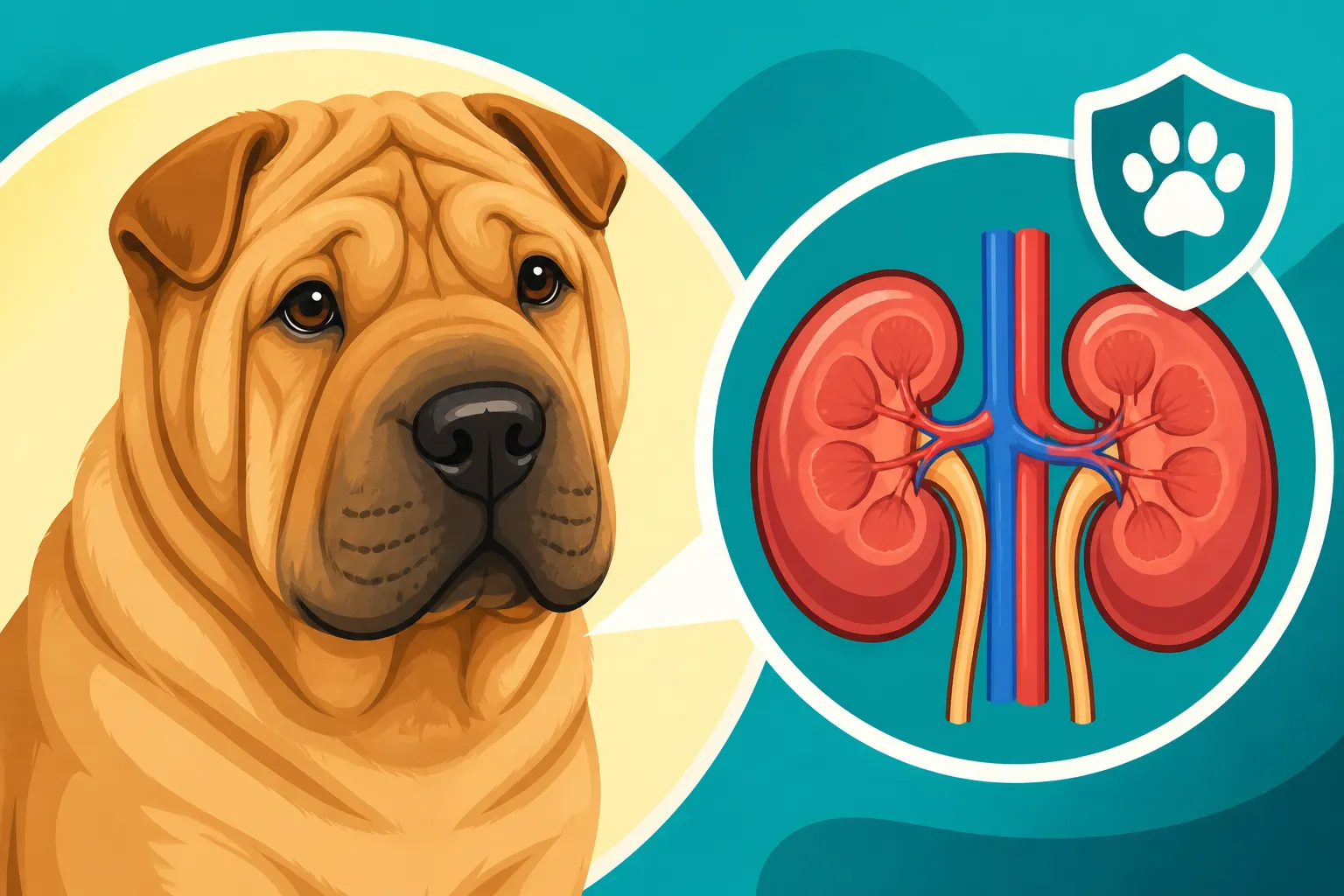
Why a Shar Pei’s Kidneys Need Watching From Two Years Old
The unique and charming Shar Pei, with their distinctive wrinkles and loyal demeanor, unfortunately comes with a predisposition to certain health challenges that can catch even experienced owners off guard. Among the most serious is the silent threat of kidney disease, specifically amyloidosis, which can begin to develop long before any outward symptoms appear. This guide aims to demystify this complex issue, empowering you with the knowledge to proactively monitor your beloved Shar Pei's kidney health from as early as two years old, giving them the best chance at a long and comfortable life.
Understanding the Shar Pei's Unique Genetic Predisposition
The Shar Pei is a truly unique breed, cherished for its distinctive wrinkles and independent spirit. But beneath that charming exterior lies a complex genetic tapestry that, while responsible for their iconic look, also predisposes them to a range of health challenges. Foremost among these is Familial Shar Pei Fever (FSF) and its potential progression to amyloidosis, a condition that disproportionately affects their kidneys. It's a heavy truth for any owner, but understanding it is the first step toward proactive care.
The Wrinkle Gene and Its Unintended Consequences
It's almost hard to believe that the very trait that defines a Shar Pei – their abundant wrinkles – is directly linked to their most serious health risks. Genetic research has illuminated that a specific gene duplication, known as the Hyaluronan Synthase 2 (HAS2) gene, is responsible for the excess hyaluronic acid in their skin, creating those distinctive folds. Unfortunately, this same genetic quirk also plays a role in the inflammatory responses seen in Familial Shar Pei Fever. It’s a classic case of selective breeding for a desirable trait having unforeseen and serious consequences for the breed's overall health. This intricate connection means that what makes them so visually striking also carries a significant burden. To dive deeper into this, you might explore content on One Mutation Gave the Shar Pei Its Wrinkles and Its Fever.
For years, breeders and owners alike puzzled over the recurring fevers and swelling that plagued many Shar Pei, without fully grasping the underlying mechanism. Now, we know that the increased production of hyaluronic acid, while making them wonderfully wrinkly, also contributes to systemic inflammation. This inflammation, when triggered, can manifest as those characteristic fever episodes. It’s not just a superficial issue; it’s a deep-seated biological predisposition. The desire for more and more wrinkles, particularly during the breed's surge in popularity, inadvertently amplified this genetic vulnerability, making proactive health management an absolute necessity for modern Shar Pei. If you're curious, you can learn more about Whether a Shar Pei's Copy Number Can Be Tested to understand your dog's specific genetic risk.
Familial Shar Pei Fever: More Than Just a "Fever"
When we talk about Familial Shar Pei Fever, it's crucial to understand that it's not simply a common infection you can treat with antibiotics. As the name suggests, it's a hereditary inflammatory disorder, specifically a recurrent fever syndrome. Imagine your dog suddenly becoming lethargic, refusing to eat, experiencing pain, and sometimes exhibiting swelling of the muzzle or hocks. These are the hallmark signs of a fever episode. These episodes can come and go, lasting anywhere from 12 hours to 3 days, and can be incredibly distressing for both the dog and the owner.
The term "fever" here almost downplays the seriousness. This isn't just a minor temperature spike; it's a significant inflammatory event that can push a dog's temperature well above 106°F (41°C). While each individual episode needs careful management to keep your dog comfortable and prevent secondary issues, the real danger lies in the cumulative effect of these inflammatory bouts over time. If you've ever had a Shar Pei experience this, you know the fear and helplessness that washes over you. It's a distinct condition, and understanding that Familial Shar Pei Fever Is Not an Infection helps set the stage for understanding the larger threat.
The Dangerous Link: Fever to Amyloidosis
Here's where the story takes a truly grim turn for many Shar Pei. While not every FSF episode leads to it, the chronic or recurrent inflammation associated with these fevers can lead to a condition called amyloidosis. Amyloidosis is a disease where abnormal proteins, called amyloid fibrils, deposit in various organs, disrupting their normal function. Think of it like a slow, invisible invasion, where these sticky proteins accumulate and gradually choke the life out of vital organs.
In Shar Pei, this amyloid deposition predominantly affects the kidneys and, less commonly, the liver or spleen. Each fever episode, each inflammatory flare-up, is like another brick in the wall of amyloid accumulation. Over time, these deposits build up, causing irreversible damage. This is why when we discuss Shar Pei health, we often highlight that Amyloidosis Is What Actually Kills a Shar Pei. It's the silent, often unseen, consequence of their genetic makeup and the inflammatory episodes they're prone to. This progressive nature makes early detection and diligent management not just beneficial, but absolutely critical for their long-term survival.
What is Amyloidosis and How Does It Affect Shar Pei Kidneys?
Amyloidosis is a word that strikes fear into the hearts of many Shar Pei owners, and for good reason. It's a condition that essentially involves the body manufacturing and depositing abnormal protein fibers, called amyloid, into organs. Unlike normal proteins that serve specific functions, amyloid proteins are misfolded and insoluble, meaning the body can't break them down or get rid of them effectively. These deposits then interfere with the normal structure and function of the affected organs, leading to progressive damage and, ultimately, organ failure. In Shar Pei, the kidneys are tragically often the primary target.
The Silent Killer: Amyloid Deposition Explained
Imagine tiny, sticky fibers slowly accumulating within the delicate tissues of your dog’s organs. That's essentially what amyloid deposition is. These fibers aren't supposed to be there, and as they build up, they physically displace healthy cells and interfere with the organ's ability to do its job. It's a chronic process, often starting long before any outward symptoms become apparent. This silent progression is what makes amyloidosis so insidious; by the time you see clear signs of illness, a significant amount of damage may already be done.
The type of amyloid primarily seen in Shar Pei, known as AA amyloid, is a direct consequence of chronic inflammation. When the body experiences inflammation, it produces acute-phase proteins, one of which is Serum Amyloid A (SAA). In Shar Pei, due to their unique genetic predisposition, particularly related to the HAS2 gene and FSF, this SAA protein is more prone to misfolding and forming amyloid fibrils. So, every time your Shar Pei experiences an FSF flare-up, their body produces SAA, increasing the risk of these damaging deposits. It's a cruel cycle where their unique physiology works against them.
Why the Kidneys Are the Primary Target
While amyloid can technically deposit in various organs, it has a particular affinity for the kidneys in Shar Pei. The kidneys are complex organs, responsible for filtering waste products from the blood, regulating blood pressure, producing hormones, and maintaining fluid balance. They are essentially the body's sophisticated filtration system. Within the kidneys are millions of tiny filtering units called glomeruli, which are particularly susceptible to amyloid deposition.
How Amyloid Damages a Shar Pei's Kidneys is a process of slow strangulation. As amyloid builds up in the glomeruli, it impairs their ability to filter blood properly. This leads to a cascade of problems. Initially, the kidneys start to leak protein into the urine, which is a subtle but critical early indicator. Over time, as more and more filtering units become overwhelmed by amyloid, the kidneys lose their overall function, leading to a build-up of toxins in the blood, imbalances in electrolytes, and ultimately, kidney failure. It’s a relentless attack on one of the most vital organ systems.
The Progression of Kidney Damage
The timeline for amyloidosis progression can vary greatly among individual Shar Pei. Some dogs might experience rapid decline, while others may have a much slower progression, seemingly managing for years before serious symptoms emerge. This variability is part of what makes it such a challenging condition to predict and manage. However, the general trajectory is one of gradual deterioration.
In the early stages, the only sign might be an elevated protein level in the urine, without any visible changes in the dog's behavior, appetite, or energy levels. As the disease advances, the dog might start showing more generalized signs of kidney insufficiency: increased thirst and urination (polydipsia and polyuria), decreased appetite, weight loss, lethargy, and sometimes vomiting. In very advanced stages, the accumulation of toxins can lead to severe gastrointestinal upset, anemia, and neurological signs. It's a heartbreaking journey, and often, by the time these overt clinical signs appear, the kidney damage is extensive and irreversible. This highlights precisely why early, proactive monitoring is not just a good idea, but an essential part of Shar Pei care, especially since What Most Shar Pei Die Of is often related to this condition.
Why Age Two is a Critical Benchmark for Kidney Monitoring
You might wonder why we stress "age two" so specifically when it comes to monitoring your Shar Pei's kidneys. It's not an arbitrary number; it's based on observed patterns in the breed's health. While amyloidosis can, in rare cases, manifest earlier or later, the two-year mark often represents a point where significant inflammatory events from Familial Shar Pei Fever may have started to take their toll, even if subtly. It's a crucial window to establish a baseline and potentially detect the earliest whispers of kidney trouble before they become a shout.
The Insidious Nature of Early-Stage Kidney Disease
One of the most frustrating and dangerous aspects of kidney disease, especially amyloidosis in Shar Pei, is its insidious nature in the early stages. Dogs are incredibly good at compensating for organ dysfunction. Their bodies are designed to keep going, even when an organ is operating at a reduced capacity. This means that a Shar Pei can lose a significant portion of its kidney function – sometimes up to 60-75% – before showing any outward signs of illness. Think about that: three-quarters of a vital organ could be compromised, and your dog could still be acting perfectly normal, wagging its tail, and enjoying its food.
This makes it incredibly easy for owners to miss the initial warning signs, because there aren't any obvious ones visible to the naked eye. You wouldn't see increased thirst or urination until later stages, nor would your dog necessarily act "sick." This delay in symptoms is why relying solely on observable changes in your dog's behavior or health is a risky approach for this breed. It's a silent threat that requires proactive investigation.
The Importance of Baseline Testing
Starting kidney monitoring around age two allows you and your veterinarian to establish a crucial baseline for your individual dog. Just like humans have regular physicals and blood tests, a Shar Pei needs a specific regimen due to its genetic predispositions. A baseline helps you understand what's "normal" for your dog before any potential issues arise. When you have a baseline from a healthy two-year-old, any subsequent changes in kidney values, even subtle ones, become much more significant and easier to identify.
Without this baseline, interpreting later test results can be challenging. A single elevated value might seem concerning, but if you don't know what that dog's normal was, it's harder to determine if it's truly a new problem or just within their individual healthy range. This proactive approach with regular testing allows for trend analysis, catching even the slightest deviations early. This is especially vital given the progressive nature of amyloidosis. Many veterinary professionals now understand why a Shar Pei's Kidneys Need Watching From Two Years Old and will guide you on this journey.
Catching Problems Before Symptoms Appear
The ultimate goal of early and consistent kidney monitoring in a Shar Pei is to catch potential problems long before they manifest as visible symptoms. For a condition like amyloidosis, where damage is irreversible and progressive, early detection is synonymous with early intervention. If you can identify kidney dysfunction when it's still subclinical (meaning no symptoms are present), you have a much better chance of implementing strategies to slow the progression of the disease.
This could mean starting dietary changes, introducing medications like colchicine (which some vets believe can help slow amyloid deposition, though its efficacy is debated and it's not a cure), or other supportive therapies. While we can't reverse amyloidosis, we can often manage it and extend a Shar Pei's quality of life significantly if detected early. This preventative mindset is your best defense against the devastating impact of kidney failure. Early detection can transform a grim prognosis into years of cherished companionship. This is where pet insurance providers like Healthy Paws can also play a crucial role, often covering diagnostics and treatments for conditions detected before symptoms become obvious, making ongoing monitoring more financially feasible.
Key Diagnostic Tests and What They Tell You
Navigating the world of veterinary diagnostics can feel a bit overwhelming, but when it comes to your Shar Pei's kidneys, understanding the key tests is empowering. These tests aren't just random checks; they provide vital pieces of a puzzle, helping your vet see what's happening internally, often long before your dog shows any signs of discomfort. Regular and targeted testing is the cornerstone of proactive kidney health management for this breed.
The Urinalysis and Urine Protein Creatinine Ratio (UPC)
Let's start with urine, because for Shar Pei kidneys, it often tells the earliest story. A routine urinalysis is a fundamental test that checks for things like specific gravity (how concentrated the urine is), pH, presence of blood, glucose, or infection. While important, for a Shar Pei, the real gem in urine testing is the Urine Protein Creatinine Ratio (UPC). This test specifically measures the amount of protein being lost in the urine relative to creatinine, which is a waste product normally filtered out.
Why is protein in the urine such a big deal for a Shar Pei? Because significant protein leakage (proteinuria) is often one of the very first indicators of glomerular damage, exactly what happens with amyloidosis. Healthy kidneys should hold onto protein; if they're leaking it, it means those delicate filters (glomeruli) are compromised. A persistently elevated UPC ratio, especially in a dog with normal urine specific gravity and no active urinary tract infection, is a huge red flag that something is wrong with the kidney's filtering ability. This test is crucial and should be a regular part of your Shar Pei's health checks, providing early insight into a potential problem long before blood values might change. It’s truly the best way to determine Which Test Catches a Shar Pei's Kidney Damage Early.
Bloodwork: SDMA and Creatinine
When most people think of kidney tests, they often think of bloodwork, specifically creatinine and BUN (Blood Urea Nitrogen). These are indeed important, but they often only become elevated once a significant amount of kidney function has already been lost (typically 60-75% as mentioned earlier). This is why they are not ideal for early detection in Shar Pei, although they are critical for staging kidney disease once it's established.
However, a newer and more sensitive blood test called SDMA (Symmetric Dimethylarginine) has revolutionized early kidney disease detection. SDMA can detect kidney function loss much earlier than creatinine, sometimes when only 25-40% of kidney function is lost. This makes it an incredibly valuable tool for Shar Pei owners. Pairing SDMA with a regular UPC ratio gives a much more comprehensive and early picture of kidney health. Regular monitoring, starting around two years old, should definitely include both UPC and SDMA, providing crucial insights into your Shar Pei's renal well-being. Knowing How Often a Shar Pei's Kidney Values Should Be Checked is paramount.
| Test Type | What it Measures | Purpose for Shar Pei Kidneys | When it Changes |
|---|---|---|---|
| Urinalysis | Urine concentration, pH, presence of blood, glucose, etc. | General kidney function, screens for infection, hydration status. | Can indicate general kidney stress or infection. |
| Urine Protein Creatinine (UPC) Ratio | Amount of protein leaking into urine relative to creatinine. | Early detection of glomerular damage, a hallmark of amyloidosis. | Often elevated before any other signs or bloodwork changes. |
| SDMA (Blood Test) | Symmetric Dimethylarginine levels. | Early indicator of decreased kidney function, more sensitive than creatinine. | Can detect loss of 25-40% kidney function. |
| Creatinine (Blood Test) | Muscle waste product, filtered by kidneys. | General indicator of kidney filtration; used for staging disease. | Only elevates when 60-75% of kidney function is lost. |
| BUN (Blood Test) | Blood Urea Nitrogen, protein waste product. | General indicator of kidney filtration; can be affected by diet/hydration. | Elevates with significant kidney function loss, less specific than creatinine. |
Beyond Blood and Urine: Imaging and Biopsy
While blood and urine tests are excellent first-line diagnostics, sometimes your vet might need to go deeper. Imaging, such as an abdominal ultrasound, can provide visual information about the size, shape, and internal architecture of the kidneys. It can help identify other issues, but typically cannot definitively diagnose amyloidosis because the deposits are microscopic. An ultrasound can sometimes show if kidneys are abnormally small, irregular, or if there's evidence of chronic disease, but it's not always specific to amyloid.
The definitive diagnosis of amyloidosis actually requires a biopsy – taking a small piece of kidney tissue and examining it under a microscope to look for the characteristic amyloid deposits. This is an invasive procedure and usually reserved for specific situations, such as when other tests are inconclusive, or when there's a strong clinical suspicion and a need for a definitive diagnosis to guide aggressive treatment decisions. Your vet might also consider a rectal biopsy, as amyloid can sometimes be found in the rectum, offering a less invasive option for confirmation, though it's not always as reliable for initial diagnosis as a kidney biopsy. These more advanced diagnostics are typically considered when Signs a Shar Pei's Kidneys Are Failing become more apparent or when routine tests show clear progression.
Managing Kidney Health and Slowing Disease Progression
Receiving any news about your Shar Pei's kidney health can be daunting, but it's not a death sentence, especially if caught early. The good news is that there are many proactive steps you can take, in conjunction with your veterinarian, to manage kidney health and potentially slow the progression of kidney disease. It requires dedication and consistency, but every effort makes a difference in improving your dog's quality of life and extending their time with you.
Dietary Modifications and Nutritional Support
One of the most impactful strategies for managing kidney disease in Shar Pei, particularly once proteinuria is detected or kidney values begin to rise, is through diet. The goal of a kidney-supportive diet is multifaceted: to reduce the workload on the kidneys, provide high-quality protein in controlled amounts, manage phosphorus levels, and ensure adequate hydration.
Typically, a renal diet will feature:
- Reduced, but High-Quality Protein: While protein is essential, excessive protein can contribute to nitrogenous waste products that compromised kidneys struggle to filter. High-quality, easily digestible proteins in moderate amounts are key.
- Reduced Phosphorus: Phosphorus is usually filtered by the kidneys. As kidney function declines, phosphorus can build up in the blood, leading to secondary issues. Renal diets are formulated to be low in phosphorus.
- Controlled Sodium: To help manage blood pressure, which often becomes elevated with kidney disease.
- Increased Omega-3 Fatty Acids: These have anti-inflammatory properties and can help support kidney health.
Your veterinarian will recommend a specific prescription renal diet. There are many excellent brands available, such as Hill's Prescription Diet k/d, Royal Canin Veterinary Diet Renal, or Purina Pro Plan Veterinary Diets NF Kidney Function. It can sometimes be a challenge to transition a Shar Pei to a new food, especially if they are already feeling unwell, but persistence is vital. These diets are carefully balanced to provide complete nutrition while protecting the kidneys.
Medication and Supportive Therapies
Beyond diet, there are several medications and supportive therapies that your vet might prescribe to help manage the various aspects of kidney disease in your Shar Pei.
- ACE Inhibitors: Medications like enalapril or benazepril are commonly prescribed to reduce protein loss in the urine (proteinuria) and help control blood pressure. They work by dilating blood vessels in the kidneys, reducing the pressure within the glomeruli.
- Colchicine: This medication is often used specifically for Shar Pei with Familial Shar Pei Fever and amyloidosis. While not a cure, it's believed to help reduce the inflammation that triggers FSF episodes and potentially interfere with the deposition of amyloid fibrils. Whether Colchicine Helps a Shar Pei is a topic of ongoing discussion among veterinarians, but many believe it offers a valuable tool in their arsenal. It's usually a lifelong medication and requires careful monitoring for side effects.
- Phosphate Binders: If blood phosphorus levels remain elevated despite dietary changes, your vet might prescribe phosphate binders to be given with meals. These bind to phosphorus in the gut, preventing its absorption.
- Anti-Nausea Medications & Appetite Stimulants: Dogs with kidney disease can often feel nauseous and lose their appetite due to the build-up of toxins. Medications like maropitant (Cerenia) can help with nausea, and appetite stimulants might be used to encourage eating, which is crucial for maintaining weight and energy.
- Fluid Therapy: In more advanced stages or during acute crises, subcutaneous (under the skin) fluid therapy at home can be life-saving. It helps flush toxins and keep your dog hydrated. Your vet can teach you how to administer this safely.
Regular follow-up appointments are essential to monitor your Shar Pei's response to these treatments and adjust dosages as needed. This proactive approach, coupled with diligent care, can make a significant difference. Considering pet insurance options like Healthy Paws, which often cover chronic conditions when enrolled early, can help alleviate the financial burden of these ongoing medications and therapies.
The Role of Regular Vet Visits and Vigilance
You are your Shar Pei's most important advocate, and regular veterinary check-ups are non-negotiable. For a Shar Pei, especially from age two onwards, annual (or even bi-annual, depending on their health status) visits should include not just a physical exam but also the specific kidney tests we discussed earlier: a UPC ratio and SDMA blood test.
These routine checks allow your vet to track trends, identify subtle changes, and intervene promptly. Don't wait until your dog is obviously sick to visit the vet; by then, the disease may be advanced. Maintaining a detailed log of your Shar Pei's symptoms, appetite, water intake, and any FSF episodes can also provide invaluable information to your vet. Vigilance at home – noticing any subtle shifts in thirst, urination, appetite, or energy – combined with consistent professional monitoring, forms the strongest defense against the progression of amyloidosis. Remember, for a Shar Pei, every year counts, and proactive monitoring from age two provides the best chance at a healthy, comfortable life.
Living with a Shar Pei with Kidney Disease: What to Expect
If your Shar Pei receives a diagnosis of kidney disease, it can feel devastating. It's natural to feel overwhelmed, anxious, and even heartbroken. However, a diagnosis doesn't mean giving up. It means adjusting, learning, and focusing on maximizing your dog's comfort and quality of life. Living with a Shar Pei with kidney disease requires patience, commitment, and a deep understanding of their evolving needs.
Adapting Daily Routines and Environment
Adjusting your daily routine will become a necessity, but it doesn't have to be a burden. The primary goal is to support kidney function and ensure your dog's comfort.
- Hydration is Key: Encourage water intake constantly. Ensure fresh water is always available in multiple locations. Consider offering filtered water or adding a splash of low-sodium chicken broth to their water bowl to make it more appealing. For some Shar Pei, a pet water fountain can encourage more drinking.
- Frequent Potty Breaks: As kidney function declines, dogs often drink and urinate more frequently. Be prepared for more frequent trips outside, especially overnight. This might mean adjusting your schedule slightly.
- Controlled Exercise: While exercise is still important, avoid strenuous activity, especially in warm weather, as it can put stress on the body. Short, gentle walks are usually best.
- Comfortable Environment: Provide a comfortable, quiet, and stress-free environment. Ensure their bed is easily accessible and they have a warm, draft-free spot to rest.
- Consistent Feeding: Stick to the prescribed renal diet and feeding schedule. If your Shar Pei is reluctant to eat, try warming the food slightly or adding a veterinarian-approved appetite stimulant. Consistency in their diet is crucial.
These adaptations might seem small, but they significantly contribute to your Shar Pei's well-being and can help manage their symptoms effectively. It's about creating an environment that supports their compromised system without overtly changing their quality of life.
Emotional Support for You and Your Dog
Caring for a dog with a chronic illness takes an emotional toll, and it's important to acknowledge that. You'll have good days and bad days. It's okay to feel sad, frustrated, or worried. Lean on your support network, whether that's your family, friends, or a online community of other Shar Pei owners who understand the unique challenges of the breed.
Remember that your dog will pick up on your emotions. Try to remain calm and positive when interacting with them. Continue to engage them in activities they enjoy, even if they're modified, to maintain their spirits. Lots of gentle affection, praise, and quiet companionship will go a long way. Some owners find comfort in keeping a journal, tracking symptoms, positive moments, and questions for the vet, which can also be beneficial for treatment planning. It’s also crucial to understand that even with the best care, this disease is progressive, and facing the reality that Amyloidosis Is What Actually Kills a Shar Pei is part of the journey.
Planning for the Future
One of the hardest parts of living with a chronic, progressive disease like kidney amyloidosis is the uncertainty of the future. While you'll be focused on the present and maximizing each day, it's also wise to have honest conversations with your veterinarian about what to expect as the disease progresses.
Discuss the potential signs of worsening kidney failure, what emergency situations might look like, and when it might be time to consider difficult decisions regarding your dog's quality of life. This planning isn't about giving up; it's about being prepared to ensure your Shar Pei's comfort and dignity always come first. Understanding Signs a Shar Pei's Kidneys Are Failing will help you recognize when changes in care might be necessary. Having these conversations proactively, rather than in a moment of crisis, can help you make decisions with a clear head and a loving heart. This stage of a Shar Pei's life often involves more frequent vet visits and potentially increased costs, making solid financial planning or comprehensive pet insurance from a provider like Healthy Paws even more valuable. This is also why understanding How Long a Shar Pei Lives is more complex than a simple number.
The Broader Implications: Responsible Breeding and Owner Education
The health challenges faced by the Shar Pei, particularly kidney amyloidosis, extend far beyond individual pet ownership. They highlight fundamental issues within the breed's history and future. Addressing these problems requires a multi-pronged approach involving responsible breeding practices, continuous research, and, critically, empowering owners with comprehensive knowledge. Every Shar Pei enthusiast has a role to play in shaping a healthier future for this magnificent breed.
The Role of Health Testing in Breeding
The genetic bottleneck experienced by the Shar Pei breed in the 1970s, where only a handful of dogs formed the foundation for the entire modern population, undoubtedly contributed to the consolidation of certain genetic predispositions, including the HAS2 gene duplication linked to FSF and amyloidosis. For breeders dedicated to the well-being of the breed, rigorous health testing of breeding stock is paramount.
While there isn't a single "amyloidosis gene test" that perfectly predicts which dogs will develop the disease, responsible breeders can and should use available tools. This includes:
- Screening for the HAS2 gene copy number: While not a direct test for amyloidosis, knowing the copy number can indicate a higher risk for FSF and, by extension, amyloidosis. Whether a Shar Pei's Copy Number Can Be Tested is a good question for any prospective owner or breeder.
- Regular UPC and SDMA testing: Breeding dogs should be free of proteinuria and have normal kidney values. Dogs with a history of FSF or elevated kidney markers should ideally not be bred.
- Sharing Health Information: Ethical breeders are transparent about the health history of their lines, including any incidence of FSF or amyloidosis in ancestors.
This commitment to health testing and transparency helps reduce the prevalence of these devastating conditions, slowly but surely working towards a healthier genetic future for the Shar Pei. It's a long-term investment, but one that is essential for the breed's survival and welfare.
Empowering Owners with Knowledge
As a Shar Pei owner, you are on the front lines of your dog's health. Understanding the breed's unique predispositions, like the link between One Mutation Gave the Shar Pei Its Wrinkles and Its Fever, empowers you to be a proactive and informed advocate. It’s not about becoming a veterinarian yourself, but about being equipped to ask the right questions, recognize subtle changes, and partner effectively with your veterinary team.
This means:
- Educating yourself: Continuously learn about Shar Pei-specific health issues. Resources like breed clubs, reputable veterinary sites, and experienced Shar Pei mentors are invaluable.
- Choosing your vet wisely: Find a veterinarian who is knowledgeable about Shar Pei health, or at least open to learning and consulting specialists. Not all vets are equally familiar with the nuances of this relatively uncommon breed.
- Advocating for specific tests: Don't hesitate to ask for a UPC ratio and SDMA test at your Shar Pei's annual check-ups, especially from age two onwards, even if your vet doesn't initially suggest it. You are paying for the care, and it is your right to request these preventative measures.
Your knowledge not only benefits your own dog but also contributes to a broader community of informed Shar Pei guardians, fostering a culture of health-conscious ownership.
Advocating for Your Shar Pei's Health
Beyond personal knowledge, there's a collective responsibility to advocate for the health of the Shar Pei breed. This means supporting research into genetic diseases, contributing to breed-specific health registries, and promoting ethical breeding practices. It also means spreading awareness among potential owners about the commitment and financial implications involved in caring for a Shar Pei, including the Four Bills Every Shar Pei Owner Should Expect.
Many Shar Pei end up in rescues because their owners were unprepared for the medical expenses and ongoing care requirements. By being open and realistic about the breed's health needs, we can ensure that more Shar Pei find homes with owners who are truly prepared for the journey. While proactive care for a Shar Pei's health can be extensive, having comprehensive pet insurance, such as a plan from Healthy Paws, can significantly ease the financial burden over their lifetime, especially as they get older and require Caring for a Shar Pei Past Seven. After all, the ultimate goal is for every Shar Pei to live a full, happy life, free from preventable suffering. While no breed is perfect, with diligent care, proactive monitoring, and a commitment to understanding their unique needs, we can significantly improve the lifespan and quality of life for our beloved wrinkly companions. It is indeed a testament to their resilience, but also to our dedication, that a Shar Pei can lead a rich life even with these challenges.
Disclaimer
This article is intended for informational purposes only and does not constitute medical advice. Always consult with a qualified veterinarian for any health concerns or before making any decisions about your pet's health or treatment. The information provided here is not a substitute for professional veterinary care.


