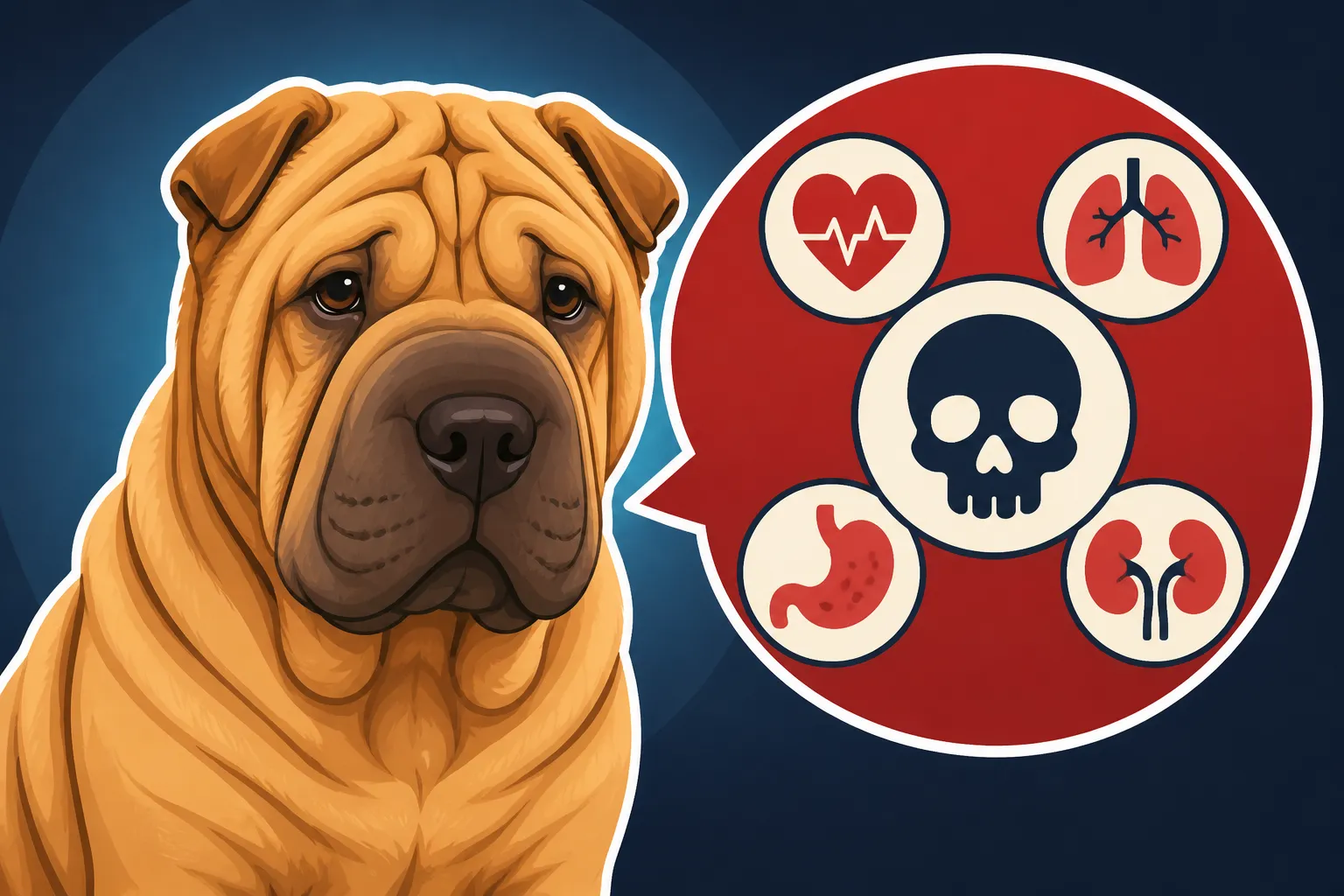
What Most Shar Pei Die Of
It’s a heartbreaking reality for any pet owner, but especially for those of us who share our lives with a Shar Pei: eventually, we have to face the inevitable question of what might take our beloved companions from us. Given their unique genetics and breed-specific health challenges, understanding the common causes of death in Shar Pei isn't about dwelling on the negative, but about being prepared and proactive. This guide aims to shed light on the primary health issues that unfortunately cut short the lives of many Shar Pei, offering a realistic look at how we can best support them through their journey.
The Shadow of Familial Shar Pei Fever and Amyloidosis
If you've spent any time researching or owning a Shar Pei, you've likely come across the term Familial Shar Pei Fever (FSF). It's a condition that casts a long shadow over the breed, not just because of the distressing fever episodes themselves, but because of what they can lead to. This isn't just about managing a high temperature; it's about understanding a complex, systemic inflammatory issue that has serious long-term consequences.
The Genetic Link to Fever and Inflammation
At its core, FSF is a hereditary inflammatory disorder. It's unique to the Shar Pei breed and is directly linked to the gene responsible for their adorable, plentiful wrinkles. Specifically, a duplication of a gene called HAS2 (Hyaluronan Synthase 2) leads to an overproduction of hyaluronic acid, which gives them their characteristic loose skin. However, this same genetic quirk also predisposes them to systemic inflammation. It's a double-edged sword: the very thing that makes them distinctive also makes them vulnerable. Many owners are often shocked to learn that one mutation gave the Shar Pei its wrinkles and its fever.
When a Shar Pei experiences a fever episode, it’s not due to an infection in the traditional sense, but rather an inflammatory response. These episodes can manifest with symptoms like lethargy, pain, reluctance to move, and swelling in the hocks (ankles) or muzzle. Understanding what a Shar Pei fever episode looks like is crucial for timely intervention. While we often worry about external threats, the internal battle against inflammation is arguably the most significant health challenge these dogs face. Knowing that Familial Shar Pei Fever is not an infection helps frame the approach to managing these crises.
The chronic or recurrent nature of this inflammation, even if the fever episodes are mild or infrequent, is what sets the stage for the most devastating outcome. It's a constant, low-level assault on the body, priming it for a much more serious condition down the line. This is why managing FSF isn't just about bringing down a fever; it's about attempting to mitigate this underlying inflammatory process whenever possible.
How Amyloidosis Becomes Life-Threatening
The real danger lurking behind FSF is a condition called amyloidosis. This isn't just a complication; it is, tragically, what actually kills a Shar Pei in many cases. Amyloidosis occurs when abnormal protein deposits, called amyloid, accumulate in the organs. In Shar Pei, these amyloid proteins are a byproduct of the chronic inflammation associated with FSF. They settle in soft tissues, gradually impairing organ function.
The insidious nature of amyloidosis is that it doesn't always present with obvious symptoms until significant damage has already occurred. It's a silent killer, slowly but surely shutting down vital organs. While amyloid can theoretically deposit in any organ, the kidneys are overwhelmingly the most common target in Shar Pei. This makes their kidneys particularly vulnerable, and the damage is often irreversible once it reaches a critical stage.
It’s a natural worry for any owner: whether every feverish Shar Pei gets amyloidosis. The answer, fortunately, is no, not every Shar Pei with FSF will develop amyloidosis. However, the risk is significantly elevated, and every fever episode is considered a potential contributing factor to the amyloid buildup. This understanding really underscores the importance of proactive management and diligent monitoring throughout a Shar Pei's life, especially if they experience recurrent fevers.
The Silent Progression of Kidney Damage
The kidneys are the body's filters, responsible for removing waste products from the blood and maintaining fluid balance. When amyloid infiltrates the kidneys, it disrupts their intricate filtering system. This is how amyloid damages a Shar Pei's kidneys. Initially, the damage might be subtle, with only microscopic changes detectable. Over time, however, the accumulation of amyloid interferes with the kidneys' ability to function properly, leading to chronic kidney disease and, eventually, kidney failure. This is why a Shar Pei's kidneys need watching from two years old, making early detection and intervention critical.
One of the most frustrating aspects for owners is that the signs a Shar Pei's kidneys are failing often don't become apparent until the disease has progressed significantly, sometimes with 75% or more of kidney function already lost. Early symptoms can be vague – increased thirst, more frequent urination, decreased appetite, or general lethargy. These can easily be dismissed as normal aging or minor ailments, making regular veterinary check-ups and specific diagnostic tests incredibly important.
The progression of kidney failure can be slow and gradual, allowing amyloidosis to take hold before owners even realize there's a problem. This makes routine screenings essential for early detection, which can significantly impact the long-term prognosis and quality of life for your Shar Pei. Proactive monitoring, as we’ll discuss further, is perhaps the most powerful tool an owner has against this silent progression.
Beyond Fever: Other Major Health Concerns
While Familial Shar Pei Fever and its devastating complication, amyloidosis, are top concerns, they are by no means the only health challenges that can impact a Shar Pei's lifespan. Like many purebred dogs, Shar Pei are unfortunately predisposed to a range of other conditions that can lead to a decline in health and, ultimately, death. It's important for owners to be aware of these other threats to provide comprehensive care.
The Persistent Threat of Cancer
Cancer is a grim reality for many dog breeds, and the Shar Pei is no exception. It's a leading cause of death in older dogs across the board, and Shar Pei are unfortunately prone to several types. The incidence of certain cancers, such as mast cell tumors, lymphoma, and various carcinomas, appears to be higher in Shar Pei compared to the general canine population. This can be particularly heartbreaking, as a dog might navigate the challenges of FSF and amyloidosis only to be struck down by a different, equally formidable disease.
Mast cell tumors, for instance, are notoriously unpredictable in Shar Pei, often behaving more aggressively than in other breeds. What might be a relatively benign growth in a Labrador could be a rapidly metastasizing tumor in a Shar Pei. Owners need to be vigilant about any new lumps or bumps, no matter how small or seemingly insignificant. Early detection and aggressive treatment, including surgery, chemotherapy, or radiation, offer the best chance of successful management. Having a pet insurance plan like those offered by Healthy Paws can be a lifesaver when facing the extensive costs of cancer treatment.
Other cancers can also appear in various forms, affecting internal organs, bones, or blood. Regular veterinary examinations, which include thorough palpation and discussion of any changes you've noticed at home, are key to catching these issues early. While we can't prevent cancer entirely, being aware of the breed's predispositions empowers owners to be proactive in screening and seeking prompt veterinary attention for suspicious signs.
Organ Failure Not Directly Linked to FSF
Beyond the amyloid-induced kidney failure, other organs can fail due to separate conditions. Heart disease, for instance, can manifest as congestive heart failure, particularly in older Shar Pei. This can be caused by various underlying issues, such as dilated cardiomyopathy or valvular disease, leading to a gradual decline in the heart's pumping efficiency. Symptoms like coughing, difficulty breathing, reduced exercise tolerance, and fluid retention can indicate heart problems.
Liver disease is another concern. While amyloid can affect the liver, Shar Pei can also suffer from other types of liver conditions, including chronic hepatitis or portosystemic shunts, which compromise the liver's crucial functions of detoxification and metabolism. Signs of liver issues might include jaundice, vomiting, diarrhea, weight loss, and neurological symptoms. Diagnosing these conditions often requires blood tests, imaging, and sometimes biopsies.
Pancreatic issues, such as pancreatitis (inflammation of the pancreas), can also occur, causing severe abdominal pain, vomiting, and dehydration. Although often treatable, severe or recurrent pancreatitis can be life-threatening. The complexity of these internal systems means that a seemingly minor symptom could be indicative of a significant underlying problem, necessitating prompt and thorough veterinary investigation.
Compromised Immune Systems and Infections
Shar Pei are also known to have certain immunological quirks, making them more susceptible to infections and other immune-mediated diseases. One notable concern is IgA deficiency in a Shar Pei. Immunoglobulin A (IgA) is an important antibody that plays a critical role in mucosal immunity, protecting surfaces like the gut, respiratory tract, and skin from pathogens. A deficiency in IgA can leave a Shar Pei vulnerable to recurrent bacterial, fungal, and yeast infections.
This often manifests as chronic skin infections, ear infections (especially given that a Shar Pei has the narrowest ear canals of any breed), and gastrointestinal issues. While these infections might not be directly fatal on their own, chronic or severe cases can significantly impact a dog's quality of life and, in some instances, lead to systemic illness if not managed aggressively. For example, a persistent ear infection could eventually lead to a total ear canal ablation, a significant surgical procedure.
Furthermore, some Shar Pei may develop other autoimmune conditions or be more prone to allergic reactions. Hypothyroidism and IgA Deficiency in a Shar Pei are examples of such concerns. Hypothyroidism, where the thyroid gland doesn't produce enough hormones, can lead to a host of symptoms including lethargy, weight gain, and skin problems, and while treatable, it adds to the overall health management burden. These underlying immunological weaknesses mean that what might be a routine infection in another breed can become a long, drawn-out battle in a Shar Pei.
Understanding the Early Warning Signs
Being a Shar Pei owner means being a diligent observer. Because these dogs are stoic and some of their most serious conditions progress silently, recognizing subtle changes in their behavior or physical condition can literally be a matter of life or death. Early detection doesn't guarantee a cure, but it often allows for more effective management, improving quality of life and potentially extending their lifespan.
Recognizing Kidney Disease Symptoms
As we've discussed, kidney failure due to amyloidosis is a major concern. However, the early signs can be incredibly easy to miss or attribute to something else. Owners often report seeing signs a Shar Pei's kidneys are failing only when the disease is quite advanced. Initially, you might notice your Shar Pei drinking more water than usual, leading to more frequent urination. They might also have accidents indoors, which is unusual for a house-trained dog.
As the disease progresses, appetite often decreases, and they may start to lose weight. Vomiting and diarrhea can also become common, as toxins build up in the body that the kidneys can no longer filter out. You might observe a dull coat, lethargy, or a general lack of enthusiasm for activities they once enjoyed. In later stages, mouth ulcers and a uremic breath (a distinct, unpleasant odor) can develop. The problem is, by the time these more obvious symptoms appear, the kidneys have already sustained significant damage.
This makes proactive monitoring essential. Regular veterinary visits should include screening tests that can catch kidney issues before clinical signs appear. A simple urine protein test tells a Shar Pei owner a lot, specifically the urine protein-to-creatinine ratio (UPC), which can detect proteinuria – excess protein in the urine, a key early indicator of kidney damage. Blood tests, including BUN (blood urea nitrogen) and creatinine, are also important, but these often only become elevated once kidney function is already significantly compromised. Early detection through tests like UPC can inform interventions that slow progression.
Spotting Other Concerning Changes
Beyond kidney issues, there are other important signs that warrant immediate veterinary attention. Any sudden change in behavior, such as increased aggression, unusual withdrawal, or excessive vocalization, could indicate pain or neurological issues. For example, if your Shar Pei, typically independent, suddenly becomes clingy or seems disoriented, it’s worth investigating.
Skin problems are incredibly common in Shar Pei, but persistent or worsening skin issues—like chronic itching, hair loss, redness, or a foul odor—that don't respond to usual treatments could signal deeper problems like allergies, hypothyroidism, or a severe immune deficiency. Owners should also watch for any lumps or bumps, changes in existing moles, or non-healing sores, as these could be signs of cancer. Remember, early detection of any suspicious growth is key.
Respiratory changes, such as persistent coughing, wheezing, or difficulty breathing, could point to heart disease, lung issues, or even a foreign body. Gastrointestinal upset, if severe, recurrent, or accompanied by blood in the vomit or stool, is always an emergency. Even subtle shifts in energy levels, sleep patterns, or water intake, when consistent, should prompt a call to your vet. Being attuned to these nuances in your dog's daily life is critical for recognizing when something is truly amiss.
The Importance of Regular Vet Check-ups
Given the breed's predispositions, regular veterinary check-ups aren't just a recommendation; they are a non-negotiable part of responsible Shar Pei ownership. These routine visits provide opportunities for your vet to perform thorough physical examinations, discuss any concerns you might have, and conduct vital screening tests. For Shar Pei, a standard annual check-up often needs to go a step further.
Veterinarians experienced with Shar Pei will often recommend specific diagnostic tests as part of their routine care. This includes blood work (complete blood count, chemistry panel) and urinalysis, paying particular attention to the urine protein-to-creatinine ratio. The age a Shar Pei should start kidney monitoring is typically around two years old, as this is when the effects of FSF might begin to manifest silently. These early tests are crucial because they can detect subtle abnormalities before your dog shows any outward symptoms, giving you a vital head start in managing any developing conditions.
Preventative care also extends to vaccinations, parasite control, and dental care, all of which contribute to overall health and can prevent secondary complications. Building a strong relationship with a veterinarian who understands the unique health profile of the Shar Pei breed is invaluable. They can guide you through the complexities of their health challenges and help you make informed decisions about their care, ensuring your beloved companion has the best possible chance at a long, healthy, and happy life.
Proactive Management and Quality of Life
Owning a Shar Pei means embracing a proactive approach to their health. While we can't eliminate all risks, diligent management of their unique predispositions can significantly improve their quality of life and potentially extend how long a Shar Pei lives. It’s about being informed, vigilant, and ready to adapt their care as needed throughout their life.
The Role of Diet and Lifestyle
Diet plays a crucial role in managing a Shar Pei's overall health, especially if they are prone to inflammatory conditions or have specific health issues. For Shar Pei with sensitivities or suspected allergies, a limited ingredient diet or a novel protein diet may be recommended to reduce skin inflammation and gastrointestinal upset. Some owners also find that diets lower in purines can be beneficial, particularly for dogs prone to kidney stones or gout, which can sometimes occur in conjunction with FSF. Discussing suitable dietary options with your veterinarian is essential, as individual needs can vary greatly.
Beyond food, managing environmental factors is also key. Shar Pei, particularly those with a horse coat, are notoriously sensitive to heat. They can overheat very quickly due to their unique physiology and brachycephalic tendencies, even if they aren't severely brachycephalic like some other breeds. Heat management is daily work with a Shar Pei, especially in warmer climates. This means avoiding walks during the hottest parts of the day, ensuring constant access to fresh, cool water, and providing plenty of shade and cool resting spots. A cooling mat or a vest can be invaluable during summer months.
Exercise, while important, needs to be moderated. An hour a day suits a Shar Pei, but heat cuts it short. Overexertion can lead to overheating and stress, which some owners report can even trigger FSF episodes in susceptible individuals. Balancing mental stimulation with appropriate physical activity helps maintain a healthy weight and keeps them happy without putting undue strain on their bodies.
Medications and Supportive Care
For Shar Pei diagnosed with FSF, the cornerstone of proactive medical management is often Colchicine. This medication works by inhibiting amyloid deposition and can be highly effective in slowing the progression of amyloidosis. Whether Colchicine helps a Shar Pei is a resounding yes for many, dramatically improving their prognosis. It's a daily medication, usually started after a diagnosis of FSF or even earlier if the dog is genetically at high risk. Regular monitoring by your vet is crucial while on Colchicine to check for any side effects and ensure proper dosing.
Beyond specific FSF medications, supportive care for other breed-specific issues is vital. For dogs with chronic ear infections, regular cleaning with vet-approved solutions is necessary, and sometimes long-term ear medications or even specialized surgeries are needed to prevent recurring problems. Skin fold dermatitis on a Shar Pei requires meticulous daily cleaning and drying of their wrinkles to prevent bacterial and yeast infections. Medicated wipes or gentle cleansers are often part of the routine.
For Shar Pei with diagnosed kidney disease, a special renal diet that is lower in protein, phosphorus, and sodium can help reduce the workload on the kidneys and slow disease progression. Medications to manage blood pressure, reduce proteinuria, or control nausea might also be prescribed. The journey of caring for a Shar Pei past seven often involves increased medical oversight and a more complex medication regimen. This is where comprehensive pet insurance like Healthy Paws can truly alleviate the financial burden of ongoing treatments and specialized diets, ensuring you can provide the best care without undue stress.
The Emotional Toll on Owners
Let's be real: owning a Shar Pei can be emotionally taxing, especially when facing their unique health challenges. The worry about when the next fever will strike, the fear of amyloidosis, and the constant vigilance required to spot subtle symptoms can be a heavy burden. Many owners feel a profound sense of frustration and helplessness, particularly when their beloved companion is in pain or suffering from chronic conditions. It's a love like no other, but it asks a lot of us.
The financial strain can also be significant. Recurring vet visits, diagnostic tests, specialized diets, and long-term medications can add up quickly. This is where preparation becomes crucial. Having an emergency fund or robust pet insurance coverage, perhaps from a provider like Healthy Paws, can remove a huge layer of stress during critical times. Knowing that you can afford the best possible care for your dog, without having to make agonizing financial decisions, is incredibly empowering.
It’s important for Shar Pei owners to build a strong support system—whether it’s a trusted veterinary team, online communities of fellow Shar Pei enthusiasts, or friends and family who understand the unique journey. Sharing experiences, asking questions, and even just venting frustrations can make a world of difference. Remember, you're not alone in navigating these complexities. The dedication and love that Shar Pei owners show their dogs is truly remarkable, and it’s a testament to the incredible bond we share with these deeply loyal and fascinating creatures.
Table: Common Causes of Death in Shar Pei
| Primary Cause of Death | Associated Health Issues | Key Symptoms | Prognosis & Management |
|---|---|---|---|
| Amyloidosis | Familial Shar Pei Fever (FSF), Kidney Failure | Increased thirst, urination, lethargy, vomiting, weight loss, dull coat | Guarded to poor; managed with Colchicine, renal diet, supportive care. Early detection critical. |
| Cancer | Mast Cell Tumors, Lymphoma, Carcinomas | Lumps, weight loss, lethargy, appetite loss, lameness, non-healing sores | Varies by type and stage; surgery, chemotherapy, radiation. Vigilant monitoring crucial. |
| Other Organ Failure | Heart Disease, Liver Disease, Pancreatitis | Coughing, difficulty breathing, jaundice, vomiting, diarrhea, abdominal pain, lethargy | Varies; managed with specific medications, dietary changes, supportive care. |
| Severe Infections/Complications | IgA Deficiency, Chronic Skin/Ear Infections | Recurrent skin lesions, chronic ear discharge, systemic illness, fever | Good with aggressive treatment; may require long-term antibiotics/antifungals, special care. |
Disclaimer
The information provided in this guide is intended for educational purposes only and should not be considered a substitute for professional veterinary advice. Always consult with a qualified veterinarian for any health concerns or before making any decisions about your Shar Pei's care.