Amyloidosis Is What Actually Kills a Shar Pei
One of the most heartbreaking realities of loving a Shar Pei is grappling with their unique health challenges, especially the silent, insidious threat of amyloidosis. It’s a term that strikes fear into the hearts of many owners, often because it’s the ultimate, devastating consequence of the very genetic traits that make our wrinkly companions so distinct. This comprehensive guide aims to demystify amyloidosis, explaining its origins, its devastating impact, and how we, as devoted Shar Pei parents, can best navigate this difficult journey with our beloved dogs.
Understanding Amyloidosis: The Silent Threat
It’s easy to get caught up in the drama of a Shar Pei fever episode – the sudden onset, the high temperature, the swelling, and the worry. But while those fevers are certainly alarming, they are rarely the direct cause of death for our Shar Pei. Instead, it’s the quiet, relentless damage inflicted by amyloidosis, often a direct result of those fevers and the underlying genetic predisposition, that poses the gravest long-term threat. Understanding this distinction is crucial for every Shar Pei owner.
What is Amyloid and Why is it Dangerous?
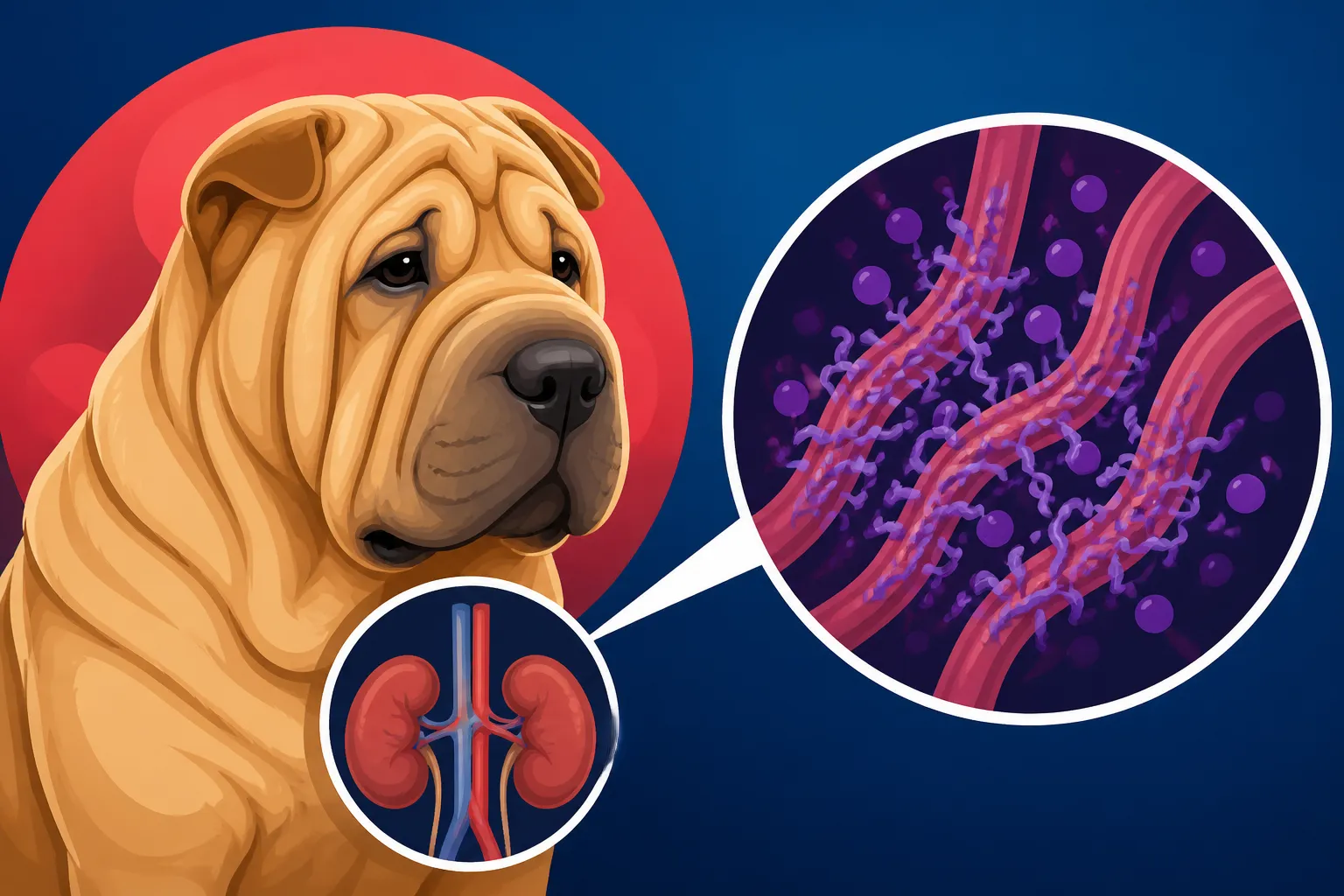
Imagine a rogue protein in your dog's body, one that refuses to dissolve or be cleared away. That, in essence, is amyloid. It's an abnormal protein, specifically serum amyloid A (SAA) protein, that the body produces in response to inflammation. In a healthy dog, once the inflammation subsides, these SAA proteins are broken down and excreted. However, in Shar Pei, due to their unique genetic makeup and a tendency towards chronic systemic inflammation, this process goes awry. Instead of being properly cleared, these proteins misfold and accumulate, forming insoluble clumps.
These amyloid deposits don't just float around harmlessly; they act like a kind of sticky, biological concrete. They infiltrate and build up within the delicate tissues of organs, gradually displacing normal, functional cells. Think of it like pouring cement into the intricate plumbing of your house. Initially, you might not notice much difference, but over time, the pipes become clogged, constricted, and eventually, completely non-functional. The danger lies in this accumulation. As more and more amyloid piles up, the affected organs lose their ability to perform their vital tasks, leading to progressive organ failure. It’s a slow, relentless hijacking of the body’s essential systems, ultimately leading to a critical breakdown.
How Amyloidosis Differs from Familial Shar Pei Fever
This is where many owners get confused, and understandably so. Familial Shar Pei Fever (FSF) and amyloidosis are intimately connected, but they are not the same thing. Familial Shar Pei Fever Is Not an Infection; it's an inherited inflammatory syndrome. It’s characterized by recurrent bouts of fever, often accompanied by swollen hocks or muzzles, and sometimes gastrointestinal upset or pain. These episodes are acute inflammatory events, the body's immune system going into overdrive for a short period. While distressing, the fever itself, in most cases, isn't immediately life-threatening, though severe fevers can cause dehydration or secondary issues.
Amyloidosis, on the other hand, is the consequence of this chronic or recurrent inflammation. It’s the long-term, silent damage that accumulates over months or years because of the heightened inflammatory response inherent in many Shar Pei. Every FSF episode, and even subclinical inflammation that an owner might not even notice, contributes to the production of those SAA proteins. If these proteins aren't cleared efficiently (which is often the case in Shar Pei due to their genetics), they begin to deposit as amyloid. So, while FSF is the fire, amyloidosis is the slow-burning structural damage left in its wake. It’s a critical distinction to grasp: one is an event, the other is a progressive disease process that those events accelerate, and it’s the latter that ultimately leads to fatal organ failure for many Shar Pei.
The Unbreakable Link: Familial Shar Pei Fever and Amyloidosis
The genetic story of the Shar Pei is both fascinating and tragic. The very mutation responsible for their distinctive wrinkles also predisposes them to the inflammatory condition of FSF, which in turn sets the stage for amyloidosis. It’s a cruel irony that the trait we adore also carries such significant health risks. Understanding this connection is paramount for any Shar Pei owner.
The Genetic Predisposition to Amyloid Deposition
It all boils down to a specific genetic mutation that gave the Shar Pei its wrinkles and its fever. This mutation leads to an overexpression of Hyaluronic Acid (HA) synthase 2 (HAS2), which results in increased production of hyaluronic acid. This is the substance that gives a Shar Pei its characteristic loose skin and plentiful wrinkles. However, this excess HA also triggers a heightened inflammatory response in the body. It’s like their immune system is constantly on a low-grade alert, primed for inflammation.
When inflammation occurs, the body naturally produces proteins called serum amyloid A (SAA) as part of its acute phase response. In most breeds, these SAA proteins serve a purpose in the inflammatory process and are then efficiently cleared from the system. But in Shar Pei with this genetic predisposition, not only do they have a higher baseline level of inflammation due to the HA, but they also seem to have a defect in clearing these SAA proteins effectively. This means that even without a full-blown fever episode, their bodies are continually producing SAA, and these proteins are more likely to misfold and deposit as amyloid. It's a fundamental biochemical glitch that lays the groundwork for amyloidosis, making it an ever-present risk for the breed.
How Repeated Fever Episodes Accelerate Amyloidosis
If the genetic predisposition sets the stage, then recurrent episodes of FSF are the accelerants. What a Shar Pei Fever Episode Looks Like – sudden, high temperatures, lethargy, pain, and sometimes swollen hocks or muzzle – is a clear sign that the body is undergoing a significant inflammatory event. During these acute inflammatory flares, the production of SAA proteins skyrockets. For a Shar Pei with their inherent difficulty in clearing these proteins, each fever episode represents a massive influx of amyloid-forming material into their system.
Think of it as adding a fresh layer of 'biological concrete' to the growing amyloid deposits in their organs with every fever. The more frequent or severe these fever episodes are, the more opportunities there are for amyloid to accumulate. While some Shar Pei may develop amyloidosis even without overt fever episodes, the presence of recurrent fevers significantly escalates the risk and can lead to a much faster progression of the disease. It's not a guarantee that every feverish Shar Pei gets amyloidosis, but the correlation is incredibly strong, making effective management of FSF not just about comfort during an episode, but about delaying or mitigating the onset of this more serious underlying condition. This cumulative damage is why owners and veterinarians alike stress proactive management of FSF.
Kidney Catastrophe: How Amyloid Damages a Shar Pei's Organs
The devastating impact of amyloidosis is felt throughout the body, but in Shar Pei, one organ bears the brunt of the damage more than any other: the kidneys. This makes kidney health a lifelong concern for owners of the breed, and understanding the specifics of this damage is vital.
The Kidneys: Primary Target for Amyloid Destruction
The kidneys are incredible, complex organs, essential for filtering waste products from the blood, regulating blood pressure, producing hormones, and maintaining the body's delicate fluid and electrolyte balance. Within the kidneys are millions of tiny filtering units called glomeruli, which are essentially networks of microscopic blood vessels. These glomeruli are where the crucial work of separating waste from useful components of the blood happens.
Unfortunately, these glomeruli are the primary target for amyloid deposition in Shar Pei. How Amyloid Damages a Shar Pei's Kidneys is by infiltrating and gradually replacing the normal, healthy tissue of these delicate filtering structures. As amyloid builds up, it physically obstructs and destroys the glomeruli. This means the kidneys lose their ability to filter toxins effectively, leading to a build-up of waste products in the bloodstream (uremia). Even more critically, the damaged glomeruli can no longer hold onto essential proteins, particularly albumin, which is vital for maintaining fluid balance in the body. This protein leakage is one of the earliest and most significant indicators of amyloid-induced kidney damage. As more and more glomeruli become choked with amyloid, the kidneys slowly but surely lose their function, eventually leading to end-stage kidney failure, which is a terminal condition.
Other Organs Affected by Amyloidosis in Shar Pei
While the kidneys are overwhelmingly the most commonly and severely affected organs in Shar Pei amyloidosis, it's important to remember that amyloid can deposit in other places too. These instances are less common but can contribute to the overall decline in a dog's health or present with different symptoms that might initially confuse diagnosis.
The liver is another organ that can be impacted. If amyloid builds up in the liver, it can interfere with its numerous vital functions, such as detoxification, protein synthesis, and bile production. Signs of liver involvement might include jaundice (yellowing of the skin and eyes), fluid accumulation in the abdomen, or issues with blood clotting. The spleen, which plays a role in the immune system and filtering blood, can also become enlarged and dysfunctional due if amyloid infiltrates its tissue. Less frequently, the amyloid deposits can affect the gastrointestinal tract, leading to chronic vomiting, diarrhea, or malabsorption of nutrients, further contributing to weight loss and debilitation. In some rare cases, even the heart, thyroid, or adrenal glands can be affected. However, for most Shar Pei suffering from amyloidosis, it's the progressive kidney failure that dictates the course of the disease and ultimately leads to the most severe consequences, making kidney monitoring an absolute priority for this breed.
| Feature | Familial Shar Pei Fever (FSF) | Amyloidosis (Secondary to FSF) |
|---|---|---|
| Nature | Acute inflammatory episode | Chronic, progressive protein deposition |
| Primary Cause | Genetic mutation (HA overproduction) | Long-term consequence of inflammation |
| Symptoms | Fever, swelling (hocks/muzzle), pain, lethargy, loss of appetite | Increased thirst/urination, lethargy, weight loss, vomiting, fluid retention, eventual organ failure |
| Typical Onset Age | Often young (6 months to 4 years), but can occur later | Later in life (often 2+ years, insidious, progresses over time) |
| Duration of Episodes | 24-48 hours usually | Lifelong, irreversible progression |
| Immediate Danger | Dehydration, discomfort, secondary infections | Organ failure (kidney, liver), death |
| Treatment Focus (Acute) | Symptomatic relief (NSAIDs, fluids, rest) | N/A (amyloidosis is chronic, not episodic) |
| Treatment Focus (Long-term) | Colchicine (preventative/modulatory) | Supportive care, slow progression (Colchicine), symptom management, renal diet |
Spotting the Signs: Early Detection and Diagnosis of Amyloidosis
One of the most frustrating aspects of amyloidosis is its insidious nature. The disease often progresses silently in its early stages, with symptoms only becoming apparent when significant organ damage has already occurred. This makes being hyper-vigilant as a Shar Pei owner, and partnering closely with your veterinarian, absolutely essential.
Recognizing the Subtle Symptoms of Kidney Decline
In the very beginning, a Shar Pei with amyloidosis might show no outward signs at all, or only very subtle changes that are easily dismissed. You might notice they're drinking a bit more water than usual, leading to more frequent urination. Perhaps they seem a little less energetic, or their appetite isn't quite as enthusiastic. These can be easy to miss, especially in an otherwise stoic breed that often hides discomfort. As the disease progresses and kidney function continues to decline, the signs become more pronounced.
You might observe noticeable weight loss, even if their appetite seems okay, or a general dullness to their coat and eyes. Vomiting can become more frequent, and muscle wasting might be evident, especially over their hindquarters. In later stages, due to the loss of protein through damaged kidneys, fluid can build up in their abdomen (ascites) or under their skin, causing swelling in their limbs or face. These are clear Signs a Shar Pei's Kidneys Are Failing, and by this point, the disease is often advanced. The challenge is that many of these symptoms can overlap with other health issues, making early diagnosis reliant on specific testing, not just observation. This is why regular vet check-ups are so critical, especially for Shar Pei.
Diagnostic Tests for Amyloidosis and Kidney Health
Given the subtlety of early symptoms, regular diagnostic testing becomes the cornerstone of managing amyloidosis risk in Shar Pei. Simply waiting for your dog to show obvious signs could mean missing the crucial window for intervention.
Standard bloodwork, including BUN (Blood Urea Nitrogen) and creatinine levels, are typically used to assess kidney function. However, these values often don't become elevated until about 75% of kidney function has been lost, meaning they are not ideal for early detection of damage. A more sensitive indicator is a urinalysis, which can detect changes in urine concentration or the presence of protein. The true hero of early detection for Shar Pei kidney damage is the Urine Protein:Creatinine (UPC) ratio. This simple test measures the amount of protein being lost in the urine compared to creatinine, providing an early warning sign of glomerular damage – exactly what amyloidosis causes. A persistently elevated UPC ratio, even with normal blood kidney values, strongly suggests ongoing damage and should prompt further investigation.
This is precisely why a Shar Pei's kidneys need watching from two years old, with routine UPC ratios performed annually, or even more frequently if there's a history of FSF. While a kidney biopsy remains the definitive way to confirm amyloidosis by identifying amyloid deposits in the tissue, it's an invasive procedure and usually reserved for cases where the diagnosis is unclear or for research purposes. For practical purposes in managing your pet, a persistently elevated UPC ratio combined with a history of FSF or the breed's genetic predisposition is usually enough to guide treatment decisions. When your vet recommends "Which Test Catches a Shar Pei's Kidney Damage Early," they're almost certainly talking about the UPC ratio, and it's a test worth investing in.
Managing the Inevitable: Treatment and Support for Amyloidosis
Coming to terms with a diagnosis of amyloidosis can be incredibly difficult for a Shar Pei owner. There is no cure for this relentless disease, but there are strategies and medications that can help manage its progression and support your dog's quality of life for as long as possible. The focus shifts from curing to caring, to preserving function, and providing comfort.
The Role of Colchicine in Slowing Progression
When it comes to slowing the march of amyloidosis in Shar Pei, one medication stands out: colchicine. This drug has been a subject of much discussion and research within the Shar Pei community, and for good reason. Colchicine is thought to work by interfering with the inflammatory pathways that lead to SAA protein production and by disrupting the assembly of amyloid fibrils, potentially preventing or slowing down the deposition of new amyloid. It's not a cure, nor will it reverse existing damage, but it can be a powerful tool in mitigating future harm.
The consensus among Shar Pei specialists is that colchicine is most effective when started early, ideally before significant kidney damage has occurred. This means if your Shar Pei experiences FSF episodes, or if screening tests like the UPC ratio show early signs of protein leakage, your vet might recommend starting colchicine as a preventative or therapeutic measure. Whether Colchicine Helps a Shar Pei seems to depend on early intervention and consistent administration. It typically needs to be given for life, and while generally well-tolerated, some dogs may experience gastrointestinal upset. Your veterinarian will determine the appropriate dosage and monitor for any side effects, emphasizing that this medication is a long-term commitment in the battle against amyloidosis.
Supportive Care for Advanced Kidney Disease
For Shar Pei whose amyloidosis has progressed to the point of significant kidney dysfunction or failure, treatment shifts towards comprehensive supportive care. The goal here is to manage the symptoms of kidney disease, slow further progression as much as possible, and maintain the best possible quality of life for your dog. This often involves a multi-faceted approach, tailored to the individual dog's needs.
A specialized renal diet is usually the first line of defense. These diets are carefully formulated to be lower in protein (to reduce waste products the kidneys need to filter), phosphorus (which can build up and cause problems in kidney disease), and sodium. While some Shar Pei can be picky eaters, finding a palatable renal diet that they will consistently eat is crucial. Fluid therapy, often administered subcutaneously at home by owners, becomes vital to help flush toxins from the system and prevent dehydration. Medications may also be prescribed to manage other symptoms: anti-nausea drugs for vomiting, appetite stimulants to encourage eating, phosphorus binders to control phosphorus levels, and medications to manage high blood pressure, which often accompanies kidney disease. Partnering with your vet and potentially utilizing pet insurance like Healthy Paws can greatly alleviate the financial burden of these ongoing treatments, allowing you to focus on your Shar Pei's comfort. The commitment to these supportive measures is immense, but they can significantly extend a comfortable lifespan.
The Hard Truth: Prognosis and Lifespan Implications
This is perhaps the hardest section to write, and to read, for any Shar Pei owner. Amyloidosis in Shar Pei is a progressive and ultimately fatal disease. There’s no easy way around that truth. However, understanding the prognosis and what to expect can empower owners to make informed decisions and cherish the time they have with their beloved companions.
What to Expect: The Progression of Amyloidosis
The progression of amyloidosis is variable. Some Shar Pei may show a very slow decline over many years, while others can experience a rapid deterioration. Unfortunately, there is no cure, and the damage caused by amyloid deposition is irreversible. Over time, as kidney function continues to diminish, the accumulation of waste products in the blood (uremia) will lead to a worsening of clinical signs, including severe lethargy, complete loss of appetite, persistent vomiting, and profound weakness.
It’s a heartbreaking reality that What Most Shar Pei Die Of is usually amyloidosis leading to end-stage kidney failure. This typically happens when the kidneys can no longer adequately filter the blood, and the dog becomes symptomatic due to toxin build-up. While a Shar Pei might live for several years with managed FSF, the underlying amyloidosis is often a ticking clock. The focus shifts entirely to maintaining quality of life, managing discomfort, and providing as much happiness as possible during their remaining time. Knowing this hard truth allows us to prioritize their well-being every single day.
Navigating Quality of Life and End-of-Life Decisions
As amyloidosis progresses, owners are faced with the incredibly difficult task of navigating their dog’s quality of life and eventually, making end-of-life decisions. This is perhaps the most profound act of love an owner can perform. Monitoring your Shar Pei's daily activities, appetite, thirst, comfort level, and overall demeanor becomes paramount. Are they still enjoying their favorite activities, even if it's just a short stroll or a snuggle on the couch? Are they eating and drinking adequately? Is their pain managed?
There will come a point when, despite all efforts, the disease advances to a stage where quality of life significantly diminishes. Your veterinarian will be a crucial partner in assessing this, helping you understand the signs of irreversible decline and discussing humane euthanasia options when the time is right. This isn’t about giving up; it’s about preventing prolonged suffering. For many, this process of saying goodbye is made even harder by the emotional bond with a breed known for its deep loyalty. Discussions around How Long a Shar Pei Lives often include these difficult considerations, and for senior Shar Pei, Caring for a Shar Pei Past Seven inevitably touches upon managing chronic diseases like amyloidosis and kidney failure. It’s a path no owner wants to walk, but preparing for it mentally can offer a small measure of peace.
Proactive Care: What Shar Pei Owners Can Do
While the specter of amyloidosis can feel overwhelming, Shar Pei owners are not powerless. There are very real, proactive steps we can take to monitor our dogs, potentially slow the disease's progression, and ensure they have the best possible quality of life. This requires vigilance, consistency, and a strong partnership with your veterinary team.
Partnering with Your Veterinarian for Early Intervention
Your veterinarian is your most important ally in the fight against amyloidosis. Because the disease is so common in Shar Pei, it's crucial to have a vet who is knowledgeable and proactive about breed-specific health concerns. During your regular check-ups, go beyond the basic annual exam. You should insist on yearly UPC ratios from a young age, typically starting around two years old. This simple, non-invasive urine test is the most effective way to catch early kidney protein leakage, which can be the first sign of amyloid deposition, long before blood values change or your dog shows symptoms. This is why Why a Shar Pei's Kidneys Need Watching From Two Years Old is so critical.
Be completely transparent with your vet about your Shar Pei's fever history. Keep a detailed log of any FSF episodes, noting the date, duration, peak temperature, and any associated symptoms like swelling or pain. This Whether a Shar Pei Owner Should Keep a Fever Log provides invaluable data for your vet to assess risk and make informed decisions about preventative treatments like colchicine. Don't be afraid to ask questions, seek second opinions if needed, and advocate fiercely for your dog's health. Financial planning for these ongoing medical needs is also wise; having pet insurance, such as a comprehensive plan from Healthy Paws, can provide immense peace of mind, covering a significant portion of diagnostic tests, medications, and specialized diets that may become necessary as your Shar Pei ages.
Lifestyle Adjustments and Ongoing Monitoring
Beyond veterinary care, there are several lifestyle adjustments and ongoing monitoring practices that Shar Pei owners can implement at home to support their dog's health and potentially mitigate the impact of amyloidosis. A consistent, high-quality diet and ensuring constant access to fresh water are fundamental for kidney health. Some owners opt for limited ingredient diets to reduce potential inflammatory triggers, though this should always be discussed with your vet.
Reducing stress in your Shar Pei's environment is also important, as stress can sometimes trigger FSF episodes, which in turn can exacerbate amyloidosis. Maintaining a calm, predictable routine and providing a safe, comfortable home are key. Most importantly, you, as the owner, are your Shar Pei's best advocate through vigilant observation. Pay close attention to subtle changes in their behavior: is their appetite less enthusiastic? Are they drinking more or less? Are they more lethargic than usual? Any persistent changes, no matter how small, warrant a call to your vet. Consistency in medication administration, as prescribed by your vet, whether it's colchicine or supportive therapies for kidney disease, is non-negotiable. Regular follow-up appointments with your vet to monitor kidney values and UPC ratios will help track progression and adjust treatments as needed. The ongoing costs associated with managing a chronic condition like amyloidosis can be substantial, and having a reliable pet insurance provider like Healthy Paws can be a lifesaver, ensuring you can afford the best possible care for your cherished companion without undue financial strain. This holistic approach, combining expert veterinary care with dedicated home monitoring, offers the best chance for a good quality of life.
Disclaimer
This article is for general informational purposes only and does not constitute professional advice. Laws, prices and regulations vary by location and change over time. Consult a qualified professional for guidance on your specific situation.