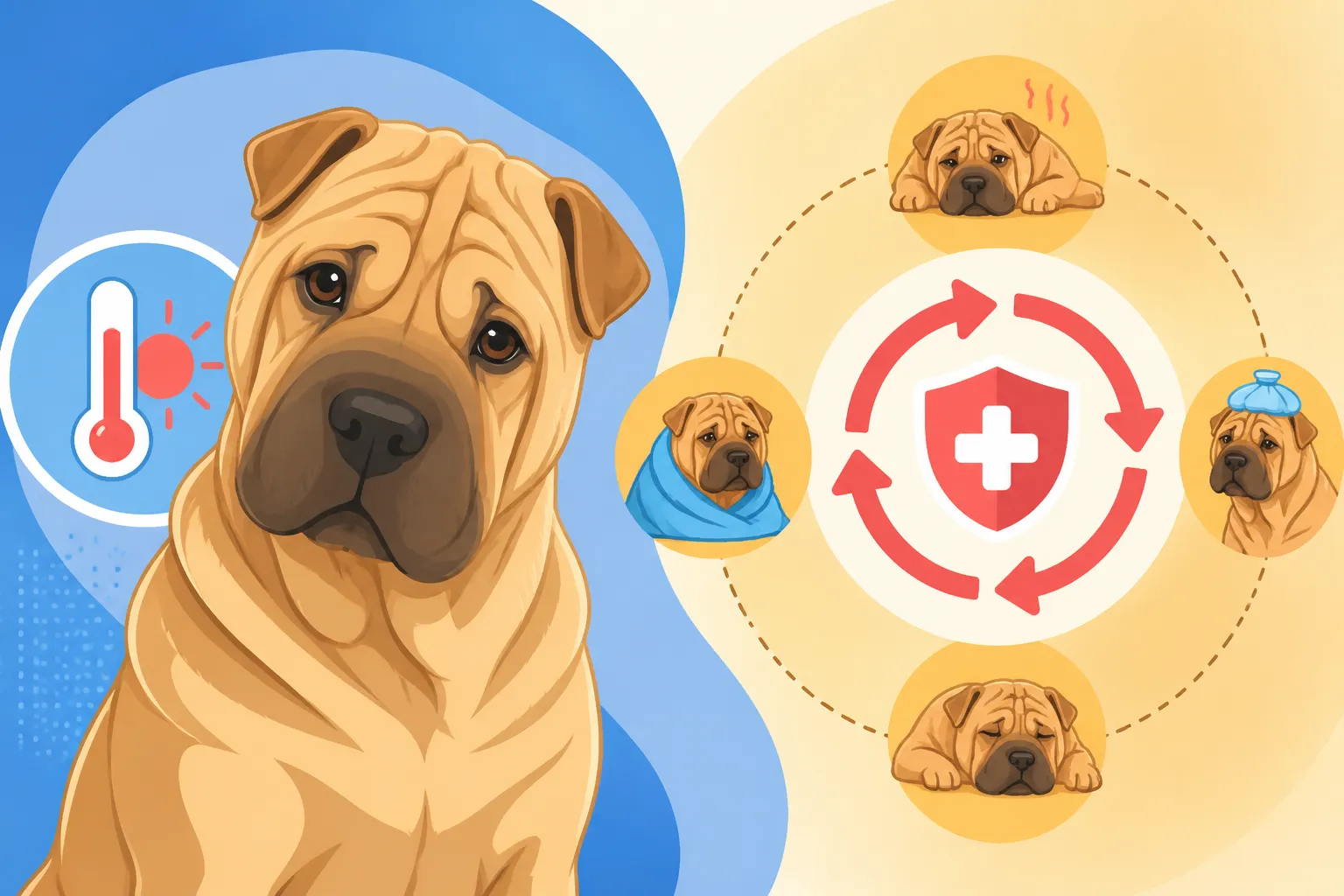
How Often Shar Pei Fever Recurs
It's absolutely terrifying when your beloved Shar Pei suddenly gets hit with a fever, becoming lethargic, possibly refusing to eat, and sometimes even suffering from swollen hocks. The first time it happens, you're usually rushing to the vet, scared out of your mind. But then, as you learn about Familial Shar Pei Fever (FSF), a new fear sets in: will it happen again? And if so, how often? This guide is here to shed light on the unpredictable nature of Shar Pei fever recurrence, offering insights into what to expect and how to prepare.
Understanding Familial Shar Pei Fever (FSF)
Familial Shar Pei Fever, often abbreviated as FSF, isn't just a regular fever; it's a genetic condition unique to the Shar Pei breed. It's a systemic inflammatory event that can strike suddenly and leave both you and your dog feeling completely drained. Knowing what FSF is and how it manifests is the first step in managing its recurrence.
What a Shar Pei Fever Episode Looks Like
When FSF hits, it's usually unmistakable. Your Shar Pei might go from playful to completely withdrawn in a matter of hours. The classic signs often include a sudden spike in body temperature, sometimes soaring to 103-107°F (39.4-41.7°C), making your dog feel burning hot to the touch. Beyond the fever itself, you might notice extreme lethargy, a loss of appetite, and a general reluctance to move. It's like they're feeling every ache and pain in their body.
Many Shar Pei also experience specific physical symptoms during an episode. One of the most common is a swelling of the hocks, which are the ankle-like joints on their hind legs. This swelling can be painful, making walking difficult and often contributing to their reluctance to move. Some dogs might even develop a swollen muzzle or other joint swellings, adding to the distress. For a more detailed look, understanding What a Shar Pei Fever Episode Looks Like can help you recognize the signs early.
The Genetic Link to FSF
The existence of FSF is deeply intertwined with the very characteristic that makes Shar Pei so distinctive: their wrinkles. Research has shown that a specific genetic mutation, a duplication on chromosome 13, is responsible for both the excessive mucin that creates their iconic loose skin and the inflammatory response that leads to FSF. It’s a bittersweet irony that the trait so admired in the breed is also the root cause of this debilitating condition.
This means that FSF isn't something a Shar Pei "catches" like an infection; it's something they're predisposed to by their very genetic makeup. Understanding One Mutation Gave the Shar Pei Its Wrinkles and Its Fever helps us grasp this fundamental aspect of the breed's health. Furthermore, learning How the Wrinkle Gene Also Triggers Fever explains the biochemical pathways that lead to these inflammatory episodes, preparing owners for the realities of living with this unique breed.
Understanding Recurrence Patterns
The question of "how often" is perhaps the most anxiety-inducing for Shar Pei owners. The truth is, there's no single answer, and the recurrence of FSF episodes can vary wildly from one dog to another. It's not a predictable schedule, which makes diligent observation and a proactive approach crucial.
How Often Shar Pei Fever Recurs
For some fortunate Shar Pei, a fever episode might be a rare, isolated event, happening once or twice in their lifetime. For others, it can become a distressing regular occurrence, striking several times a year. On average, many affected Shar Pei might experience a fever episode anywhere from once every few months to two to four times annually. However, it's not unheard of for some dogs to have more frequent bouts, sometimes even monthly, especially during their younger years or if underlying triggers aren't managed effectively.
Keeping a detailed log of each episode – noting the date, duration, severity of symptoms, and any potential triggers you observed – can be incredibly helpful. This log becomes a valuable tool for your veterinarian to understand your individual dog's pattern and tailor the best management strategy. It helps move beyond generalized statistics to a personalized approach for your beloved companion.
Factors That Might Influence Frequency
While FSF is genetic, environmental and physiological factors can certainly act as triggers, potentially influencing how often a Shar Pei experiences an episode. One significant factor is stress. Just like in humans, stress can suppress the immune system and increase inflammation in dogs, possibly making them more susceptible to an FSF flare-up. A sudden change in routine, a trip to the vet, or even a new person in the house could theoretically contribute to an episode. It's worth considering Whether Stress Sets Off a Shar Pei's Fever if your dog's fevers seem to coincide with stressful events.
Another potential trigger that many owners report is heat. Shar Pei, especially those with very dense coats or excessive wrinkles, can be prone to overheating, and a high environmental temperature can sometimes precipitate a fever episode. This is why vigilance during warmer months is crucial. Similarly, anecdotal evidence suggests that vaccinations might occasionally trigger an episode in some sensitive individuals. While vital for health, discussing vaccination schedules with your vet, especially if your Shar Pei is prone to fevers, might be beneficial. Being mindful of Whether Heat Triggers a Shar Pei's Fever can help you implement preventative measures.
Age and Severity of Episodes
It's common for Shar Pei to experience their first fever episode relatively young, often between six months and three years of age. Some puppies might even show signs earlier. As they grow, the pattern can shift. For some, the episodes might become less frequent or less severe as they mature, while for others, they could remain consistent or even worsen. It’s a very individual journey for each dog, and there’s no universal trajectory.
When it comes to severity, there isn't a strict rule either. Some dogs might consistently have mild fevers that resolve quickly with supportive care, while others might experience intense, prolonged episodes with significant swelling and discomfort. Unfortunately, it's also a common concern among owners if Whether Fevers Get Worse as a Shar Pei Ages. This variability underscores the importance of close observation and working hand-in-hand with your veterinarian to manage each unique case effectively.
Monitoring and Managing Recurrent Fevers
Living with a Shar Pei prone to recurrent fevers requires a proactive and informed approach. It’s not just about reacting when an episode strikes, but about putting strategies in place to manage them effectively and, hopefully, reduce their frequency.
What to Do When a Shar Pei Spikes a Fever
The moment you suspect your Shar Pei is having a fever episode, immediate action is important. First, confirm the fever with a rectal thermometer. A temperature above 103°F (39.4°C) warrants attention. Contact your veterinarian right away, as they can provide specific guidance tailored to your dog's history. They might advise an emergency visit or guide you through supportive care at home, such as administering a prescribed fever reducer. Always follow your vet's advice regarding medication and dosage, as over-the-counter human medications can be toxic to dogs.
While waiting for vet advice or during recovery, focus on comfort and hydration. Offer fresh water, possibly with a little ice to entice drinking. Keeping them in a cool, quiet place is essential. You might gently apply cool, damp cloths to their paws or groin, but avoid extreme cooling, which can be counterproductive. For a comprehensive plan, refer to What to Do When a Shar Pei Spikes a Fever. It’s also wise for any Shar Pei owner to know What a Shar Pei Owner Should Have at Home for these sudden events.
The Role of Colchicine in Prevention
For many Shar Pei with recurrent or severe FSF episodes, veterinarians often prescribe colchicine. This medication works by interfering with the inflammatory process, specifically by disrupting the deposition of amyloid protein, which is a dangerous byproduct of chronic inflammation in Shar Pei. While colchicine doesn't prevent every fever episode, it is thought to significantly reduce the frequency, duration, and intensity of FSF attacks. More importantly, it is a crucial tool in mitigating the long-term, life-threatening complication of amyloidosis.
Many owners wonder Whether Colchicine Helps a Shar Pei and the answer for many is a resounding yes. It's typically given daily and is considered a long-term, if not lifelong, medication for affected Shar Pei. This brings up the question of Whether a Shar Pei Should Be on Colchicine for Life. The decision is usually made in consultation with your vet, weighing the benefits against any potential side effects. Regular vet check-ups are essential to monitor your dog's response to the medication and adjust dosage as needed.
Lifestyle Adjustments to Minimize Triggers
Beyond medication, several lifestyle adjustments can help reduce the frequency and severity of FSF episodes. Managing stress is key. Try to maintain a consistent routine, provide a calm environment, and avoid situations that you know cause your Shar Pei anxiety. Gentle, positive reinforcement training can also build confidence and reduce stress.
Heat management is equally vital. During warm weather, restrict outdoor exercise to cooler parts of the day, like early mornings or late evenings. Provide plenty of shade and access to fresh water. Cooling mats, vests, or even a small paddling pool can be lifesavers. Be extra cautious about car travel in hot weather; even a few minutes in a warm car can be dangerous for a Shar Pei. Lastly, consistent fold cleaning can prevent skin infections, which can sometimes exacerbate systemic inflammation.
Long-Term Health Implications of Recurrent Fevers
While managing acute fever episodes is crucial, the real long-term concern with FSF is its potential impact on vital organs, primarily the kidneys. This chronic inflammation can have serious, irreversible consequences.
The Link Between Fever and Amyloidosis
The most devastating long-term complication of recurrent Shar Pei fevers is amyloidosis. This condition occurs when amyloid protein, an abnormal protein produced during chronic inflammation, deposits in the organs. In Shar Pei, these deposits most commonly accumulate in the kidneys, but can also affect the liver and other organs. Over time, these amyloid deposits prevent the organs from functioning correctly, eventually leading to organ failure.
It's a stark reality that Amyloidosis Is What Actually Kills a Shar Pei. The more frequently a Shar Pei experiences fever episodes, and the higher the inflammation, the greater the risk of amyloidosis developing and progressing. This is why managing fevers and, more importantly, administering colchicine, is so critical – it aims to prevent or slow down this insidious process. However, it’s important to understand that Whether Every Feverish Shar Pei Gets Amyloidosis is still debated, but the risk is significant enough to warrant serious concern and preventative measures.
Monitoring for Kidney Damage
Given the strong link between FSF and kidney amyloidosis, vigilant monitoring of your Shar Pei’s kidney health is non-negotiable. This isn’t just for older dogs; it should begin early in their life. Veterinarians typically recommend starting regular kidney screenings from around two years of age, or even earlier if your dog has experienced frequent or severe fever episodes.
Key tests include routine bloodwork to check kidney values like BUN (blood urea nitrogen) and creatinine, and a urinalysis. However, the most sensitive early indicator of kidney damage in Shar Pei is often a urine protein:creatinine (UPC) ratio test. This test measures the amount of protein leaking into the urine, which is one of the first signs that the kidneys are being damaged by amyloid deposits. Knowing Why a Shar Pei's Kidneys Need Watching From Two Years Old and asking your vet for Which Test Catches a Shar Pei's Kidney Damage Early are proactive steps every Shar Pei owner should take. Early detection and intervention can significantly impact the progression of kidney disease, offering more options for management and potentially extending a good quality of life.
The Financial and Emotional Burden of Recurrent Fevers
Beyond the physical toll on your Shar Pei, recurrent fevers can place a significant burden on owners, both financially and emotionally. The unpredictable nature of the condition, coupled with the potential for serious complications, makes it a challenging journey.
The Cost of Recurrent Episodes
Each fever episode, whether it requires an emergency vet visit, diagnostics, or simply supportive medications, can add up. Initial emergency visits can easily run into hundreds of dollars, especially if they involve bloodwork, IV fluids, or overnight stays. Then there are the ongoing costs of preventative medication like colchicine, which, while not exorbitant, becomes a regular expense over many years. When you consider What One Shar Pei Fever Episode Costs, it becomes clear that owning a Shar Pei prone to FSF requires a dedicated financial plan.
This is where pet insurance can be a genuine lifesaver for Shar Pei owners. Plans from providers like Healthy Paws can help offset the significant veterinary bills associated with recurrent fevers and the long-term management of conditions like amyloidosis. While FSF might be considered a pre-existing condition if diagnosed before coverage, a good policy initiated early in your Shar Pei's life, especially from a puppy, can provide immense peace of mind and ensure you can always afford the best care without financial strain. It's worth exploring options like Healthy Paws to protect your budget from unexpected emergencies and ongoing treatment costs.
Coping with the Uncertainty
The emotional toll of living with a Shar Pei prone to recurrent fevers is immense. The constant worry, the fear of another sudden episode, and the guilt you might feel when you can't prevent one, can be overwhelming. There's also the profound sadness that comes with knowing your beloved companion faces a lifelong battle with a genetic condition that could ultimately lead to kidney failure. This uncertainty can create a feeling of helplessness.
It's crucial to acknowledge these feelings and seek support. Connect with other Shar Pei owners, either online or in local groups. Sharing experiences, tips, and emotional support can make a huge difference. Remember that you are doing your absolute best for your dog by being informed, proactive, and loving. Celebrate the good days, cherish the moments of health, and know that your dedication provides your Shar Pei with the best possible quality of life despite the challenges. You are not alone in this journey, and prioritizing your own well-being is also important for your ability to care for your dog.
| Aspect of FSF | Typical Recurrence | Common Triggers | Long-Term Risk | Management Strategies |
|---|---|---|---|---|
| Frequency | Highly variable; few times in life to several times a year | Stress, Heat, Vaccinations (anecdotal) | Amyloidosis | Colchicine, trigger avoidance |
| Duration of Episodes | 24-48 hours, sometimes longer | Underlying inflammation | Kidney/Organ Failure | Supportive care, fever reducers |
| Severity of Episodes | Ranges from mild lethargy to severe pain & swelling | Individual dog's immune response | Reduced quality of life | Vet consultation, pain management |
| Age of Onset | Typically 6 months to 3 years | Genetic predisposition | Progression of disease | Early monitoring, proactive treatment |
| Associated Symptoms | High fever, lethargy, loss of appetite, swollen hocks/muzzle | Systemic inflammation | Chronic pain | Anti-inflammatory meds, rest |
Disclaimer
The information provided in this guide is for informational purposes only and does not constitute veterinary medical advice. Always consult with a qualified veterinarian regarding any health concerns or before making any decisions about your pet's care. Each Shar Pei is an individual, and their health needs may vary.


