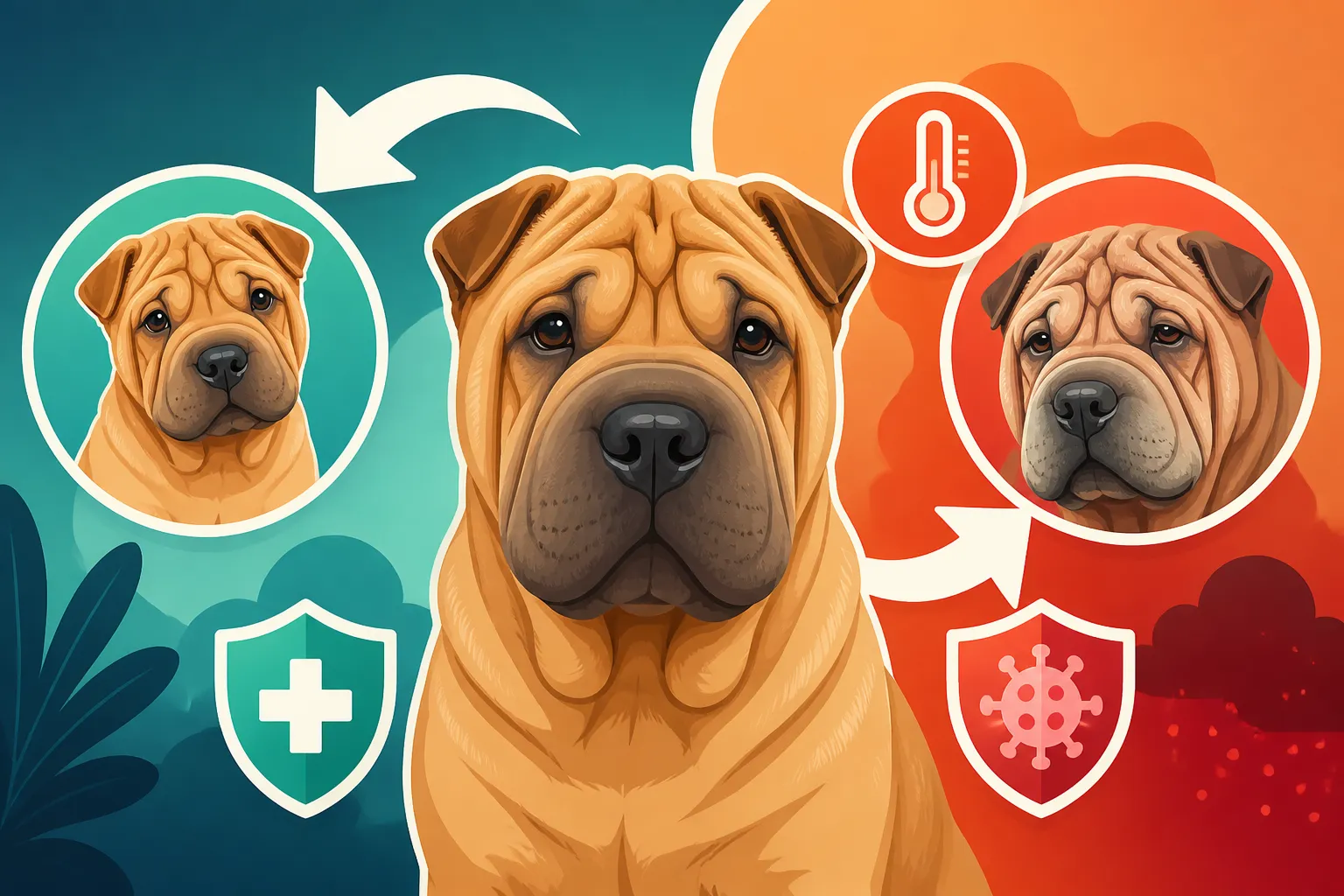
Whether Fevers Get Worse as a Shar Pei Ages
One of the most heart-wrenching concerns for any Shar Pei owner is the dreaded fever episode. You watch them become lethargic, their temperature spikes, and a deep worry settles in: will these fevers get worse as my beloved companion grows older? It's a valid and incredibly common fear, and this guide is here to shed light on what to expect, how to manage these episodes, and most importantly, how to proactively protect your Shar Pei's long-term health.
Understanding Shar Pei Fever and Its Recurrence
Living with a Shar Pei means understanding their unique health challenges, and none are quite as defining as Familial Shar Pei Fever (FSF). It’s a condition that can baffle new owners and even some vets if they're not familiar with the breed, leading to a lot of anxiety and confusion.
The Nature of Familial Shar Pei Fever FSF
Familial Shar Pei Fever isn't like a typical infection that your dog catches from a virus or bacteria. Instead, it's an autoinflammatory syndrome, which means your Shar Pei's own immune system mistakenly triggers an inflammatory response. Think of it like a short-circuit in the body's warning system, leading to a sudden onset of fever and other symptoms without any external pathogen causing it. This is why you'll often hear that Familial Shar Pei Fever Is Not an Infection.
This fascinating and often frustrating condition is directly linked to the very trait that makes our Shar Peis so unique: their wrinkles. Research has shown that a specific gene duplication, responsible for the excess hyaluronic acid that gives them their distinctive loose skin, is also intrinsically linked to FSF. It's a double-edged sword, and understanding Which Gene Duplication Causes a Shar Pei's Wrinkles helps explain why this breed is so predisposed to these fever episodes. The connection is quite profound, illustrating How the Wrinkle Gene Also Triggers Fever.
Typically, the first fever episode can appear quite early in a Shar Pei's life, often between six months and two years of age, though some may experience them sooner or later. It's a shock when it happens for the first time – suddenly your energetic pup is listless, running a high temperature, and you feel helpless.
How Often Fevers Occur and What Triggers Them
The frequency of FSF episodes is incredibly variable from one Shar Pei to another. Some dogs might only have one or two mild fevers in their entire lifetime, while others might experience them every few weeks or months. There's no "normal" schedule, which is part of what makes it so stressful for owners. You're always a little bit on edge, wondering when the next one will strike. If you're wondering How Often Shar Pei Fever Recurs, the answer is frustratingly inconsistent.
While the autoinflammatory response is internal, certain external factors are known to act as triggers, seemingly tipping the scales and initiating an episode. Common culprits include stress, such as changes in routine, travel, or even visitors to the home. Heat is another significant factor; hot weather, vigorous exercise, or even just being left in a warm environment can bring on a fever. Even routine events like vaccinations can sometimes precede an FSF episode, as the body's immune system is already stimulated. Minor injuries, too, can sometimes trigger a response.
Knowing these potential triggers allows you to be more proactive in managing your Shar Pei's environment and routine. While you can't prevent every episode, minimizing stress and overheating can certainly help. When a fever does hit, it's usually quite clear from their behavior. A Shar Pei will often become unusually quiet, refuse food, and may even appear painful. Understanding What a Shar Pei Fever Episode Looks Like can help you react quickly. The fever itself can be quite high, sometimes reaching 106°F (41°C) or even higher. Knowing What Temperature a Feverish Shar Pei Reaches is crucial for monitoring.
Do Fevers Intensify as a Shar Pei Ages?
This is the million-dollar question for many Shar Pei owners, and it's born from genuine concern for their furry family member's comfort and longevity. The thought of your dog suffering more intensely as they get older is a heavy burden.
The Reality of Fever Severity Over Time
It's a common misconception that individual fever episodes themselves necessarily "get worse" in terms of peak temperature or duration as a Shar Pei ages. What can happen is that the frequency of episodes might change, or the recovery period might seem longer in an older dog simply because they have less resilience. An adult Shar Pei with a fever might appear more subdued than a young, robust puppy experiencing the same temperature spike. The overall severity of the fever itself – the actual temperature it reaches – tends to remain relatively consistent throughout a Shar Pei's life, assuming no other underlying infections are at play.
So, while the fever might feel worse to you as an owner observing your aging dog, it's not typically a case of the autoinflammatory process itself escalating in intensity with age. Instead, the concern shifts to the cumulative impact of these recurring inflammatory events on their body, which leads us to a much more critical long-term health consideration. You might be wondering How Long a Shar Pei's Fever Lasts; typically, episodes are short-lived, resolving within 24-48 hours, but the recovery of energy can take a bit longer, especially as they get older.
It’s important to remember that each Shar Pei is an individual. While some might have more frequent episodes as they age, others might actually see them decrease. There's no one-size-fits-all trajectory, which is why diligent observation and communication with your veterinarian are paramount. When an episode does occur, the immediate focus is on bringing down their temperature and making them comfortable, knowing What to Do When a Shar Pei Spikes a Fever.
The Link to Amyloidosis and Long-Term Health
Here's where the real long-term concern lies, and it's not about the fever itself getting "worse," but rather the insidious damage that can accumulate from recurrent inflammation. Each FSF episode generates systemic inflammation. In some Shar Peis, this inflammation leads to the abnormal deposition of a protein called amyloid in their organs. This condition is called amyloidosis, and it’s a silent, progressive killer. This is why Amyloidosis Is What Actually Kills a Shar Pei.
Amyloid protein isn't supposed to be there, and when it accumulates, it slowly but surely disrupts organ function. The kidneys are the primary target, acting as a filter for the body's waste. As amyloid builds up in the delicate kidney tissues, they lose their ability to filter effectively. This process is gradual, often showing no outward signs until significant damage has occurred. Understanding How Amyloid Damages a Shar Pei's Kidneys is crucial for Shar Pei owners.
The connection between FSF and amyloidosis means that even if a Shar Pei's fevers don't seem to worsen in intensity, the risk of amyloid deposition increases with each inflammatory event. This is why proactive monitoring, regardless of fever frequency or severity, is so vital for the breed. It's also important to note that not every feverish Shar Pei will develop amyloidosis, but the risk is significant enough to warrant careful attention. Whether Every Feverish Shar Pei Gets Amyloidosis is a common question, and while it's not a certainty, it's a serious possibility that every owner must be aware of.
This is a stark reminder that while the acute fever resolves, the potential for long-term, irreversible organ damage remains. This makes continuous, proactive health management, often including preventative medication like colchicine, a cornerstone of Shar Pei ownership. Planning for this long-term care means considering things like pet insurance. Providers like Healthy Paws can be a lifeline when dealing with chronic conditions and the extensive vet visits they necessitate, helping to ease the financial burden of managing this breed's unique health needs over their lifespan.
Managing Fevers and Protecting Your Aging Shar Pei
While the prospect of recurring fevers and the risk of amyloidosis can feel overwhelming, there are proactive steps you can take to manage your Shar Pei's health, particularly as they enter their golden years. A well-informed and vigilant owner is the best defense against these breed-specific challenges.
Home Care and When to Seek Veterinary Help
When your Shar Pei spikes a fever, your immediate goal is to make them comfortable and bring their temperature down safely. First, always have a rectal thermometer on hand; it's the most accurate way to monitor their temperature. Keep a log of fever episodes, noting the date, duration, peak temperature, and any accompanying symptoms like swelling in the hocks. This record is invaluable for your vet. When a fever strikes, encourage rest in a cool, quiet place. Offer small amounts of water or ice cubes.
However, it's crucial to understand that not every fever episode requires an immediate emergency vet visit, especially if you're familiar with your dog's patterns and the fever is mild and resolves quickly. Yet, for the first fever episode, or if symptoms are severe (e.g., extreme lethargy, vomiting, persistent high fever above 106°F/41°C, or signs of pain), veterinary attention is absolutely necessary. Never assume; it's always better to be safe than sorry. If you’re unsure, a quick call to your vet or an emergency clinic can provide peace of mind. For ongoing discussions about whether a Shar Pei's Fever Needs a Vet Every Time, maintaining open communication with your trusted veterinary team is key.
Regarding medication, never administer over-the-counter human fever reducers like acetaminophen or ibuprofen without explicit veterinary guidance. Many human medications are toxic to dogs. Your vet may prescribe a specific fever reducer that is safe for dogs, such as carprofen or meloxicam, to be given during episodes. Understanding Which Fever Reducer Suits a Shar Pei is something you should discuss thoroughly with your veterinarian. Also, while it might seem intuitive, avoid aggressive cooling methods like ice baths, as this can cause shivering and actually increase core body temperature. Gentle cooling with damp cloths or a fan is usually sufficient. Whether a Shar Pei Should Be Cooled During a Fever is about gentle intervention, not drastic measures.
For those times when a fever escalates quickly or presents with unusual symptoms, an emergency vet visit can be quite costly. This is another area where pet insurance like Healthy Paws can provide crucial support. Knowing you have coverage can alleviate the stress of making critical medical decisions during an already anxious time.
Proactive Health Monitoring for Senior Shar Pei
As your Shar Pei ages, particularly from around two years old and certainly past seven, proactive health monitoring becomes non-negotiable, especially concerning kidney health. The insidious nature of amyloidosis means that early detection is paramount. Regular veterinary check-ups, ideally every six months for senior Shar Peis, should include specific tests to catch kidney damage before it becomes severe.
The most important test is a urine protein:creatinine (UPC) ratio. This simple urine test measures the amount of protein leaking into the urine, which is often the earliest indicator of kidney damage due to amyloid deposition. Bloodwork, including kidney function tests (BUN and creatinine), is also important, but these values often don't rise until 75% of kidney function is already lost. Therefore, relying solely on bloodwork can mean missing early signs. This is why a Shar Pei's Kidneys Need Watching From Two Years Old. Discussing Which Test Catches a Shar Pei's Kidney Damage Early with your vet will invariably lead to the UPC ratio.
Another critical component of long-term care for Shar Peis at risk of FSF and amyloidosis is the medication colchicine. This drug doesn't prevent fevers entirely, but it has been shown to reduce the deposition of amyloid protein in organs, thereby potentially slowing the progression of amyloidosis. It's not a cure, but it can be a vital preventative measure. Whether Colchicine Helps a Shar Pei is a resounding yes for many, offering hope for extended healthy lifespans. Your vet will determine if colchicine is appropriate for your dog and the correct dosage, based on their individual health status and history of fevers.
This ongoing monitoring and potential medication represent a significant, but worthwhile, investment in your Shar Pei's future. For instance, the regular costs of check-ups and specialized kidney tests can add up. Again, pet insurance providers like Healthy Paws can help manage these ongoing expenses, making sure that financial considerations don't stand in the way of providing the best possible care for your aging companion.
Lifestyle Adjustments for an Older Shar Pei
As your Shar Pei transitions into their senior years, their needs will naturally evolve, and thoughtful lifestyle adjustments can significantly contribute to their comfort and well-being, especially concerning their unique breed challenges. Caring for a Shar Pei Past Seven involves a holistic approach.
Firstly, heat management, which is critical throughout a Shar Pei’s life, becomes even more important as they age. Older dogs can be less efficient at regulating body temperature and may have underlying health conditions that make them more vulnerable to heatstroke. Ensure they always have access to shade, fresh water, and ideally, an air-conditioned environment during warmer months. Avoid walks during the hottest parts of the day and choose cooler times like early morning or late evening. Remember that even a relatively mild day can be too warm for a senior Shar Pei, given their physical conformation and predisposition to overheating.
Stress reduction is another key element. An older Shar Pei might be less tolerant of changes, loud noises, or new environments. Maintain a predictable routine, provide a quiet, safe space where they can retreat, and avoid situations that might cause anxiety. A calm home environment is a gift to any aging dog, particularly one prone to stress-induced inflammatory responses.
Consider their diet. As a Shar Pei ages, their metabolism can slow, and they might become more prone to weight gain, which can exacerbate joint problems and skin fold issues. Discuss appropriate senior diets with your vet, focusing on quality protein and balanced nutrition. If kidney disease is present, a prescription renal diet will be necessary. Joint support supplements, like glucosamine and chondroitin, can also be beneficial as arthritis is common in older dogs. Regular dental care is also crucial, as dental disease can lead to other health problems and discomfort.
Finally, continue with consistent, gentle grooming, paying close attention to their skin folds, which can become more problematic with age if left unattended. Regular, thorough drying after baths or exposure to moisture is non-negotiable to prevent skin infections. The Age a Shar Pei Is Considered Senior varies, but generally, around 7-8 years old marks the transition. Adjusting their exercise routine to shorter, more frequent, low-impact walks can help maintain muscle mass without putting undue strain on their joints.
By combining proactive medical monitoring, preventative measures like colchicine, and thoughtful daily care adjustments, you can help your beloved Shar Pei navigate their senior years with comfort and dignity, even with the ongoing presence of FSF. Pet insurance like Healthy Paws, which covers chronic conditions, can also be a valuable resource to support these long-term care needs, ensuring that you can always choose the best treatment options available.
Understanding the Progression of Shar Pei Health Concerns
To give you a clearer picture of how various health aspects can evolve in a Shar Pei, especially in relation to their fevers and aging, here’s a comparison table summarizing typical presentations versus potential progressive issues. This is not exhaustive, but highlights key areas of concern for owners.
| Health Aspect | Typical Presentation (Younger Shar Pei) | Potential Progressive Issue (Aging Shar Pei) |
|---|---|---|
| Fever Episodes | Acute, high temperature, lethargy; generally resolve within 24-48 hours. Minimal lasting effects between episodes. | Frequency may increase or decrease; recovery period can seem longer due to general aging. The fever itself isn't necessarily "worse." |
| Kidney Health | Appears normal, bloodwork typically within normal range. Subclinical amyloid deposition may begin silently. | Amyloidosis progression, leading to protein in urine (earliest sign), then elevated blood kidney values, eventually kidney failure. |
| Energy Levels | High energy, playful, quick recovery from exertion. | Gradual decrease in stamina, longer recovery from activity or illness. May seem generally more subdued. |
| Joint Mobility | Agile, active, rarely shows signs of pain. | Increased stiffness, reluctance to jump or climb, signs of arthritis, especially in hips and hocks. |
| Skin Folds | Require regular cleaning; occasional mild infections, easily managed. | Increased susceptibility to deeper, more chronic skin fold infections due to reduced immune function or mobility, requiring more intensive care. |
| Eye Health | Entropion in puppies often corrected; otherwise healthy. | Potential for secondary eye issues from chronic inflammation, or age-related changes like cataracts. |
| Appetite | Robust and consistent. | May decrease with age, especially if kidney disease or other chronic conditions develop, or dental pain is present. |
Disclaimer
This article is intended for informational purposes only and does not constitute veterinary advice. Always consult with a qualified veterinarian for any health concerns or before making any decisions about your Shar Pei's medical care. Breed-specific conditions like Familial Shar Pei Fever and amyloidosis require personalized professional guidance.


