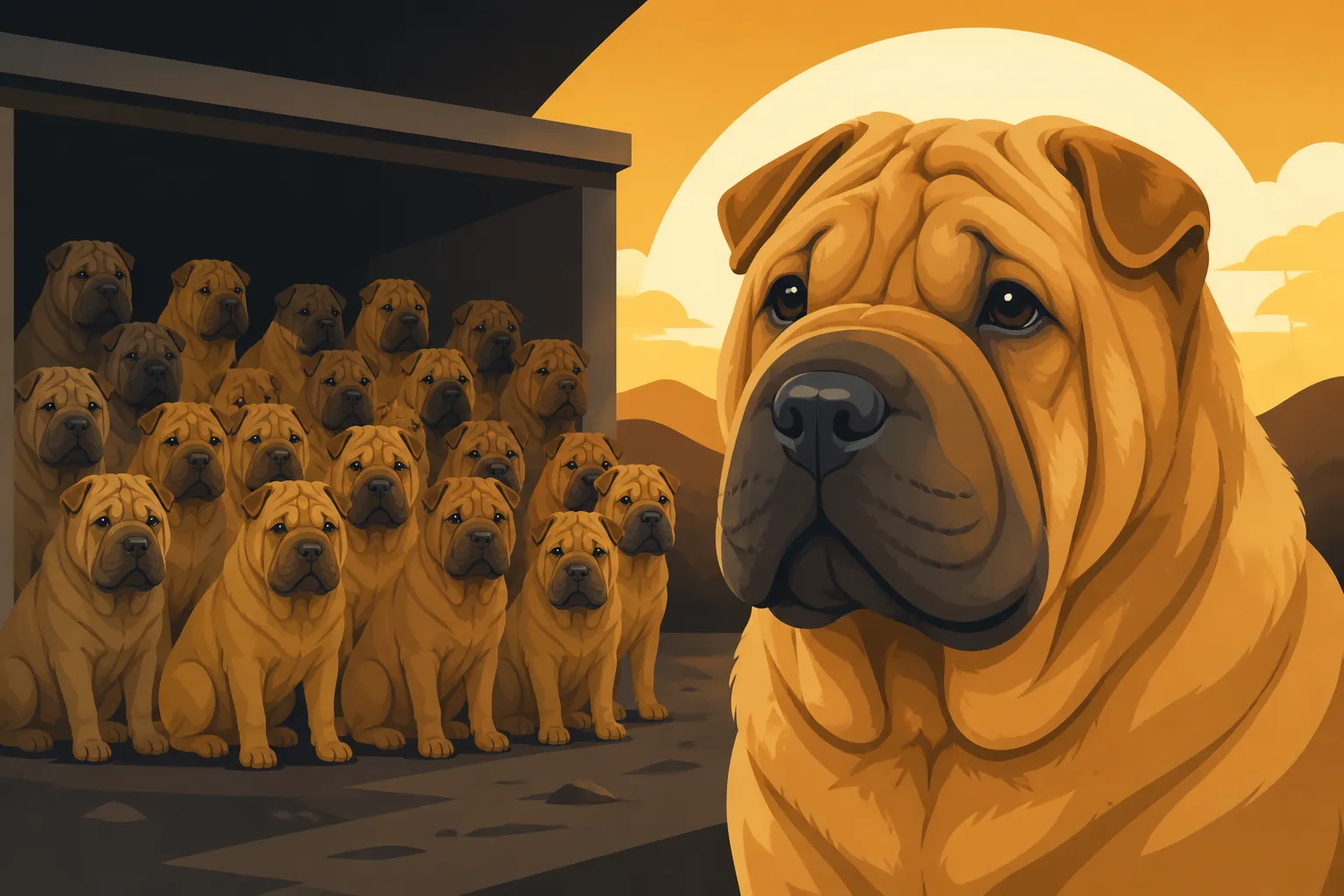
Sixty Shar Pei Were Left in 1978
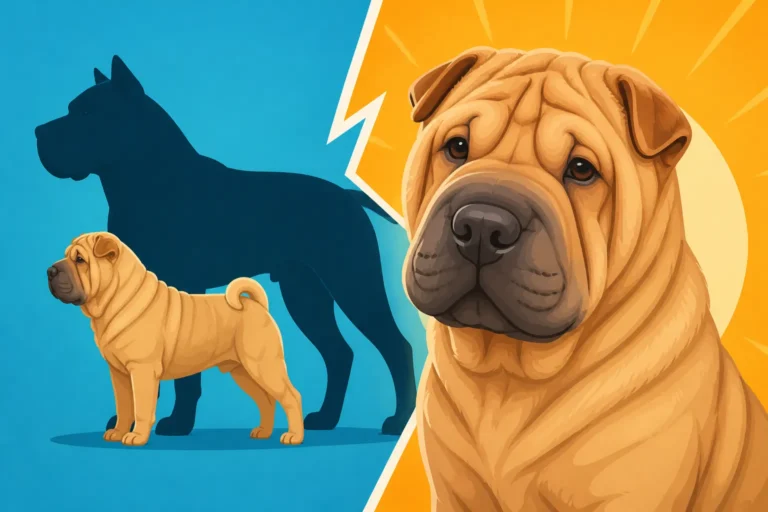
It’s a truly staggering thought, isn't it? That a breed as distinct and beloved as the Shar Pei almost vanished from the face of the earth, dwindling to just a handful of individuals. Imagine a world without their deeply furrowed brows, their small, tight ears, or that incredible blue-black tongue. This guide dives deep into the incredible, almost miraculous journey of the Shar Pei, from the brink of extinction in the 1970s to their dramatic global resurgence, and explores the lasting impact this rollercoaster ride has had on the breed we know and love today.
The Brink of Extinction: A Dire Situation in the 1970s
Before the Shar Pei became a recognized and sought-after breed around the world, there was a period where their very existence hung by a thread. This wasn't just a slight dip in popularity; it was a precipitous decline that saw their numbers plummet to alarmingly low levels, almost consigning them to history books. It’s a stark reminder of how fragile a breed's survival can be, even for those with an ancient lineage.
A Fading Breed in China
For centuries, the Shar Pei held a specific, revered place in rural China. They were multi-purpose farm dogs, employed for guarding property, herding livestock, and even hunting. They weren't bred for their looks alone, but for their utility and protective instincts. They were sturdy, independent, and perfectly suited to the demanding lives of the Chinese peasantry. However, as China underwent significant social and political upheaval in the mid-20th century, the traditional roles of such dogs began to diminish. Owning a dog became a luxury, and in some periods, it was actively discouraged or even forbidden, sometimes with severe penalties for those who defied the directives.
This shift meant that the breeding and keeping of dogs like the Shar Pei became a precarious endeavor. Without the support of a broad population or formal breeding programs, their numbers naturally started to dwindle. The local populations, which had sustained the breed for generations, were simply no longer in a position to do so. It was a slow, quiet erosion, happening far from the eyes of the Western world, threatening to erase an entire canine heritage.
The Political Climate and Its Impact
The mid-20th century in China was marked by profound political and cultural changes. Policies enacted during this time viewed dog ownership as a bourgeois indulgence, an unnecessary expense, and sometimes, even a health risk. Taxation on dogs became exorbitant, making it practically impossible for common families to afford to keep them. This was a deliberate effort to curb the dog population, and it was incredibly effective. Many dogs were culled, and those that remained were often hidden away or perished due to neglect and lack of resources.
This systematic suppression of dog ownership effectively decapitated the Shar Pei population. Breeders, if they even dared to continue, did so in secret, with very few animals. The genetic diversity, already limited by its specific regional origins, suffered immensely. It wasn't just about losing individual dogs; it was about losing entire bloodlines and the breadth of genetic material that makes a breed robust. The once-thriving population was fractured into isolated pockets, each teetering on the edge of complete disappearance.
The Global Dog Scene's Unawareness
While the Shar Pei was facing oblivion in its homeland, the rest of the world remained largely oblivious. International dog fancy and breed registries in the West focused on their established breeds, and communication with isolated China was minimal. Very few, if any, Shar Pei had ever made their way out of China before this period of decline. The breed was virtually unknown outside of its native country, making its plight an invisible one to global canine enthusiasts.
There was no international cry for help because there was no knowledge of the impending disaster. No breed clubs existed outside of China, no breed standards were being maintained globally, and no rescue efforts could be mounted from afar. The lack of awareness meant that the responsibility for the breed's survival rested solely on the few remaining dedicated individuals within China, a burden that was becoming impossible for them to bear alone given the prevailing societal conditions. The world was simply unaware that one of its most unique canine treasures was about to be lost forever.
One Man's Plea: Matgo Law's Desperate Letter
In the face of such overwhelming odds, it often takes just one determined individual to spark a revolution. For the Shar Pei, that individual was Matgo Law, a Hong Kong businessman and devoted dog lover. His desperate plea to the Western world was the catalyst that pulled the breed back from the very precipice of extinction, demonstrating the incredible power of a single voice.
The Call for Help
Matgo Law was living in Hong Kong, a place that offered a slight reprieve from the strict dog culling policies of mainland China, but even there, the Shar Pei population was dangerously low. He understood the breed's ancient lineage and unique qualities, and he watched with despair as their numbers dwindled. He knew that if something wasn't done quickly, the Shar Pei would vanish forever. Feeling the immense weight of this impending loss, he decided to take a bold, almost audacious step: he would appeal to the international community.
His hope was that Western dog enthusiasts, with their established breed clubs and resources, might be able to offer a lifeline. It was a long shot, a gamble against cultural barriers and geographic distance, but he was convinced it was the only way. He wasn't just trying to save a few dogs; he was fighting to preserve a piece of living history, a breed that represented centuries of Chinese culture and canine companionship. His call was not for financial gain, but for the sheer survival of a breed he cherished.
The Magazine That Changed Everything
In 1978, Matgo Law penned a heartfelt letter to an American publication, Dogs Magazine. This wasn't just any magazine; it was a widely read and respected publication within the dog world, reaching a passionate audience of breeders, exhibitors, and pet owners. His letter painted a stark picture of the Shar Pei's dire situation, describing it as "the last dogs of China" and emphasizing their uniqueness. He included captivating photos of these deeply wrinkled dogs, showcasing their unusual appearance and hinting at their distinctive temperament.
The impact of this letter was immediate and profound. It wasn't just published; it ignited a firestorm of interest. The images were unlike anything most Western dog lovers had ever seen, and the story of a breed on the brink of extinction resonated deeply. This single publication acted as a crucial bridge, connecting the isolated struggle of a few dedicated individuals in Hong Kong with a global community eager to help. It proved that sometimes, all it takes is the right message, delivered at the right time, through the right channel, to change the course of history. One Letter to a Dog Magazine Saved the Shar Pei describes this pivotal moment in more detail.
An Unforeseen International Response
The response to Matgo Law's letter was overwhelming. Dog lovers from across America and beyond were captivated by the Shar Pei's plight and unique appearance. They wanted to help, and they wanted to own one of these "rarest dogs on Earth." Enquiries poured into Hong Kong, and soon, plans were being made to import the first Shar Pei to the United States. This wasn't just a trickle; it was a burgeoning interest that quickly turned into a significant international effort.
However, the journey was not without its challenges. Exporting dogs from Hong Kong and importing them into the US involved complex logistics and considerable expense. The initial dogs that made it to American shores were few in number, and their genetic diversity was incredibly narrow. Still, the fact that any of them made it at all was a testament to the dedication of Matgo Law and the burgeoning community of Western enthusiasts. This passionate response was the first critical step in ensuring the Shar Pei's survival, laying the groundwork for its dramatic revival.
The Shar Pei's Journey to the West and Its Rapid Rise
Once Matgo Law's plea reached the Western world, the Shar Pei's fate began to shift dramatically. From being virtually unknown, they rapidly rose to become one of the most intriguing and sought-after breeds, but this sudden surge in popularity also brought its own set of challenges.
The First Arrivals and Their Challenges
The initial Shar Pei that arrived in the United States were true pioneers. They came from a very small gene pool, primarily from the few dogs that Matgo Law and other dedicated individuals in Hong Kong managed to preserve. This limited genetic diversity was a critical factor that would later impact the breed's health. These early imports were often expensive, reflecting their rarity and the logistical difficulties of bringing them across the world. Owners of these first dogs were pioneers themselves, learning about a breed with a distinct temperament and unique care needs with very little established knowledge or support.
Moreover, the breed itself was not a "blank slate." These were dogs with generations of specific traits, bred for guarding and independence. Integrating them into American households, which often had different expectations for companion animals, required understanding and patience. How a Shar Pei Treats the Family It Chose illustrates the deep, though sometimes subtle, loyalty these dogs offer. There were no established Western breed clubs or comprehensive health databases at this point; it was largely a grassroots effort driven by passion and a desire to see this unusual breed thrive.
The "Rarest Dog" Phenomenon
The Dogs Magazine article didn't just introduce the Shar Pei; it branded them. The claim that they were "the rarest dog on Earth" stuck, becoming an irresistible allure for many. This designation by Guinness World Records further cemented their mystique, transforming them into a status symbol for some, and a fascinating challenge for others. Everyone wanted a piece of this rare, wrinkled wonder. This newfound celebrity, while crucial for their survival, also created a breeding boom.
The demand far outstripped the supply of healthy, well-bred dogs. As a result, prices soared, and many people, often with little understanding of responsible breeding practices or the breed's unique needs, jumped into the market. The emphasis shifted from preserving a healthy, functional breed to producing as many wrinkled puppies as possible to meet the insatiable demand. This period of intense popularity saw a dramatic increase in Shar Pei numbers, but also laid the groundwork for significant health issues that would plague the breed for decades to come.
The Kennel Club Recognition and Popularity Boom
The surge in interest inevitably led to calls for formal recognition by major kennel clubs. The American Kennel Club (AKC) first recognized the Shar Pei in the miscellaneous class in 1988, moving them into the Non-Sporting Group in 1992. This official recognition further legitimized the breed and fueled its popularity, pushing it further into the mainstream. Suddenly, Shar Pei were appearing in dog shows, in advertisements, and in popular culture.
This period was a double-edged sword. On one hand, it brought stability, established breed standards (albeit with a focus that some argue exacerbated health issues), and a structured framework for breeding. On the other, the sheer speed of their rise meant that many new breeders lacked the deep understanding and long-term perspective necessary for preserving breed health. The focus on extreme wrinkles, often seen as the breed's most distinctive feature, unfortunately overshadowed the more critical aspects of health and temperament. The breed's population exploded, but it was a growth that came with significant genetic and health compromises. What Being Saved Did to the Shar Pei's Health explores these consequences in depth.
The Unintended Consequences of Rapid Revival
The Shar Pei's dramatic rescue from extinction was undeniably a triumph, but like many rapid successes, it came with a host of unintended consequences. The very factors that ensured their survival also created new vulnerabilities, particularly concerning their health and genetic makeup.
The Narrowing Gene Pool
When a breed is saved from such a small founder population, as the Shar Pei was, it inherently suffers from a significantly restricted gene pool. All the Shar Pei in the Western world descended from those few dozen dogs imported from Hong Kong. This means that any genetic predispositions present in those original dogs were amplified and widely disseminated throughout the burgeoning population. There was simply not enough genetic diversity to 'dilute' or breed out undesirable traits.
This bottleneck effect is a major contributor to the breed's propensity for certain health issues. Traits like Familial Shar Pei Fever Is Not an Infection and the underlying genetic mutation that causes excessive wrinkles (and contributes to fever) became almost universal. Without a broader genetic base to draw upon, breeders faced immense challenges in trying to improve health without losing the characteristic appearance of the breed. It became a balancing act, and often, appearance won out over health in the rush to meet demand. How Copy Number Changes a Shar Pei's Risk explains how genetic variations affect health outcomes.
The "Wrinklier is Better" Trend
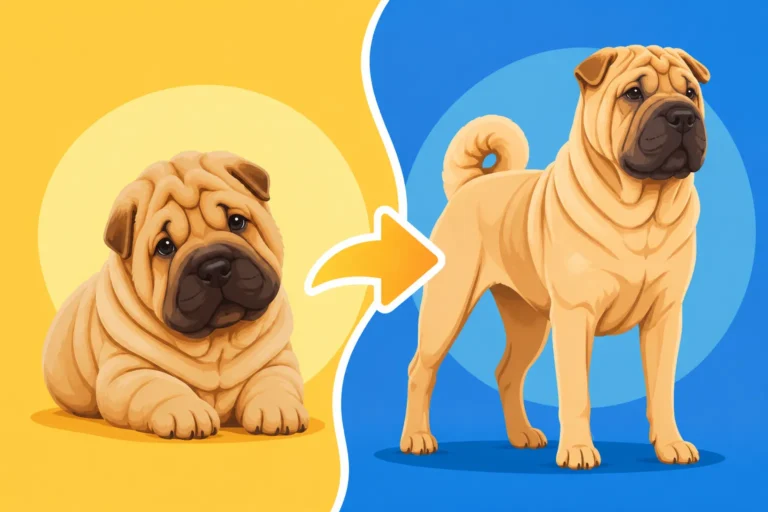
One of the most striking features of the Shar Pei is its wrinkles, and in the post-revival boom, this characteristic became an exaggerated focal point. The original, utilitarian Shar Pei from China had fewer, looser wrinkles, primarily around the head and neck, allowing for flexibility during work. However, as the breed gained popularity in the West, there was a strong aesthetic preference for more wrinkles, particularly a heavily wrinkled face and body. This trend was actively encouraged in show rings and by many breeders catering to public demand.
This pursuit of extreme wrinkles, while appealing visually to many, directly correlated with an increase in health problems. The very gene that causes the characteristic wrinkles also predisposes the breed to inflammation and fever. More wrinkles often meant a higher likelihood of One Mutation Gave the Shar Pei Its Wrinkles and Its Fever. Furthermore, excessive facial wrinkles often led to severe eye problems like entropion, where the eyelids roll inward, causing eyelashes to rub against the cornea. This "wrinklier is better" mindset inadvertently bred health issues into the very fabric of the breed. Whether a Less Wrinkled Shar Pei Is Healthier explores this critical relationship.
The Rise of Puppy Mills
The massive demand for Shar Pei, coupled with their high price tags, made them an attractive target for unscrupulous breeders and puppy mills. These operations prioritize profit over animal welfare, health, and responsible breeding practices. Dogs in puppy mills are often kept in substandard conditions, bred continuously, and receive minimal veterinary care. The focus is purely on quantity, not quality.
Puppy mills further exacerbated the health crisis in the Shar Pei by breeding dogs indiscriminately, often from parents with known health issues or poor temperaments, simply because they possessed the "look." This meant that puppies from these sources were often predisposed to severe health problems, had genetic conditions, or carried behavioral issues due to poor early socialization. For unsuspecting buyers, a seemingly "cheaper" puppy could quickly become a lifetime of expensive veterinary bills and heartbreaking health struggles. What a Shar Pei Puppy Costs and Which Breeders to Avoid delves into the dangers of choosing the wrong breeder.
Understanding the Modern Shar Pei: Health Challenges and Breed Specifics
The legacy of the Shar Pei's near extinction and rapid revival means that understanding their unique health challenges is paramount for any owner. While their striking appearance is what first draws many to the breed, responsible ownership demands a deep dive into what makes them tick, both physically and emotionally.
Familial Shar Pei Fever and Its Link to Wrinkles
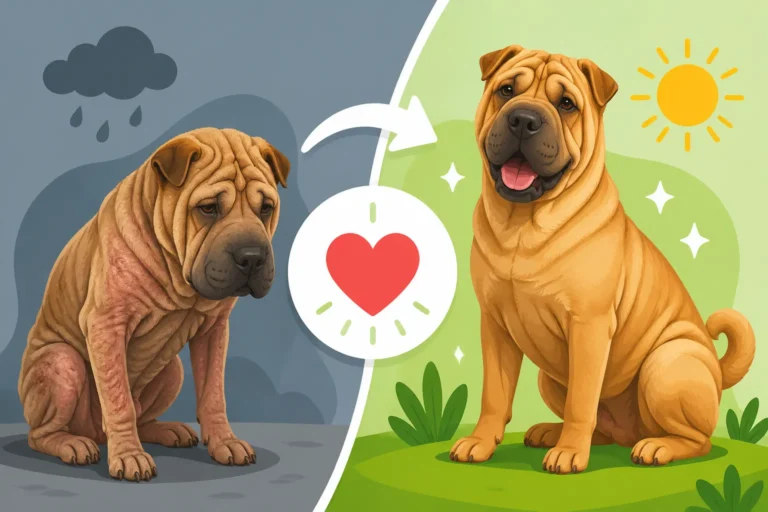
One of the most well-known and concerning health issues in the breed is Familial Shar Pei Fever (FSF). This inherited condition causes recurrent episodes of fever, lethargy, painful swollen hocks, and sometimes gastrointestinal upset. It's a debilitating condition, and critically, it's directly linked to the same genetic mutation that gives the Shar Pei its characteristic wrinkles. The more copies of this "wrinkle gene" a Shar Pei has, the higher their risk of developing FSF.
FSF isn't just a temporary illness; it can lead to a far more serious, often fatal, condition called Amyloidosis. Amyloidosis Is What Actually Kills a Shar Pei. This occurs when an abnormal protein, amyloid, is deposited in organs, primarily the kidneys, leading to organ failure. Managing FSF involves monitoring, supportive care during fever episodes, and often, long-term medication like colchicine to try and prevent amyloid accumulation. Owners need to be acutely aware of the signs of fever and work closely with their vet. What a Shar Pei Fever Episode Looks Like provides more detail on symptoms.
Other Common Health Concerns
Beyond FSF and Amyloidosis, Shar Pei are prone to a range of other breed-specific health problems, many of which stem from their unique physical characteristics or the genetic bottleneck.
- Eye Problems: The excessive skin folds around their eyes often lead to entropion, as mentioned earlier. This painful condition requires surgical correction, sometimes multiple times. Ectropion (eyelids roll outward) and other eye issues can also occur.
- Skin Issues: Their characteristic loose skin and deep folds are breeding grounds for skin fold dermatitis, yeast infections, and bacterial infections. Regular cleaning and diligent care of their folds are essential. They also have a predisposition to cutaneous mucinosis, which causes fluid-filled blisters or excessive thickening of the skin.
- Ear Problems: Shar Pei have incredibly narrow ear canals, making them highly susceptible to chronic ear infections. These can be difficult to treat and may require specialized veterinary care, including advanced diagnostics and sometimes surgery. A Shar Pei Has the Narrowest Ear Canals of Any Breed highlights this challenge.
- Allergies and Hypothyroidism: Shar Pei can be prone to various allergies, manifesting as skin irritation, itching, and recurrent infections. Hypothyroidism, an underactive thyroid, is also seen in the breed and can contribute to skin issues, weight gain, and lethargy.
Temperament and Care Considerations
Despite their health challenges, Shar Pei are cherished for their unique personalities. They are often described as independent, intelligent, and fiercely loyal to their chosen family. They can be aloof with strangers and other dogs, a remnant of their guarding instincts. Early and extensive socialization is crucial for a well-adjusted Shar Pei, helping them to navigate the world with confidence rather than suspicion. Socialize a Shar Pei Before Twelve Weeks or Pay for It Later is a vital read for puppy owners.
Caring for a Shar Pei is a commitment. It involves regular fold cleaning, ear care, careful attention to their diet (especially if allergies are present), and proactive health monitoring. Their tolerance for heat is low, so appropriate exercise and climate control are important. They thrive in consistent, calm environments with clear boundaries. While they form deep bonds, they are not typically effusive dogs; their affection is often expressed through quiet companionship and watchful presence.
Distinguishing Features: More Than Just Wrinkles
While their plentiful wrinkles are often the first thing people notice about a Shar Pei, there's so much more to this ancient breed's distinctive appearance. These unique features not only set them apart but also offer clues to their heritage and, in some cases, contribute to their specific care needs.
The Unique Blue-Black Tongue
One of the most fascinating and immediately recognizable traits of the Shar Pei is their blue-black or lavender tongue and gums. This isn't just a quirky aesthetic; it's a genetic characteristic shared with only one other breed, the Chow Chow, hinting at a distant common ancestry. This feature is so integral to the breed standard that a pink tongue is considered a serious fault in show dogs.
For new owners, it's important to know that a Shar Pei puppy's tongue might not be fully pigmented at birth; it gradually darkens over the first few weeks or months. Any pink spots in an adult's mouth are often considered normal if the primary color is blue-black, but entirely pink is not. This distinctive tongue color adds to the breed's mystique and serves as a natural conversation starter, often leading to questions about their origins and rarity. It's a vibrant, living connection to their ancient Chinese heritage. The Blue Black Tongue a Shar Pei Shares With One Other Breed offers a deeper dive into this genetic marvel.
Coat Types and Their Implications
Shar Pei typically come in three main coat types, though only two are widely recognized by kennel clubs: the Horse Coat and the Brush Coat. There's also a less common Bear Coat. Each has its own distinct feel and implications for care.
- Horse Coat: This is the shortest and harshest of the coats, feeling truly like sandpaper. It's often likened to pig bristles. While historically prized for its protective qualities, it can be quite irritating to sensitive human skin. Horse Coat Shar Pei often have more extensive wrinkles. They may also be more prone to skin irritation themselves and tend to shed quite a bit of fine, stiff hair.
- Brush Coat: Slightly longer and softer than the Horse Coat, the Brush Coat offers a slightly less prickly texture. While still stiff, it's generally more tolerable for those with sensitive skin. Brush Coat Shar Pei tend to have fewer, larger wrinkles than their Horse Coat counterparts. They also shed, but the slightly longer hair might be less irritating when it comes to contact.
- Bear Coat: This is the longest and softest coat, resembling a Chow Chow's fur. It's not recognized in the breed standard and often indicates a genetic throwback to their distant Chow Chow ancestry. Bear Coat Shar Pei are rare and sometimes advertised as such, but they are not the traditional Shar Pei. They typically have fewer wrinkles and can have different grooming needs due to their longer fur.
Regardless of the coat type, all Shar Pei require regular grooming. While they don't need extensive clipping, brushing helps manage shedding and keeps their skin healthy. More importantly, proper drying after a bath is crucial for all coat types, especially in the folds, to prevent skin infections. Horse Coat or Brush Coat Changes How You Care for a Shar Pei explores these distinctions further.
Bone Mouth vs. Meat Mouth
Within the Shar Pei breed, you might hear terms like "Bone Mouth" and "Meat Mouth." These describe two distinct styles of Shar Pei, reflecting differences in their head and muzzle structure, as well as their overall build.
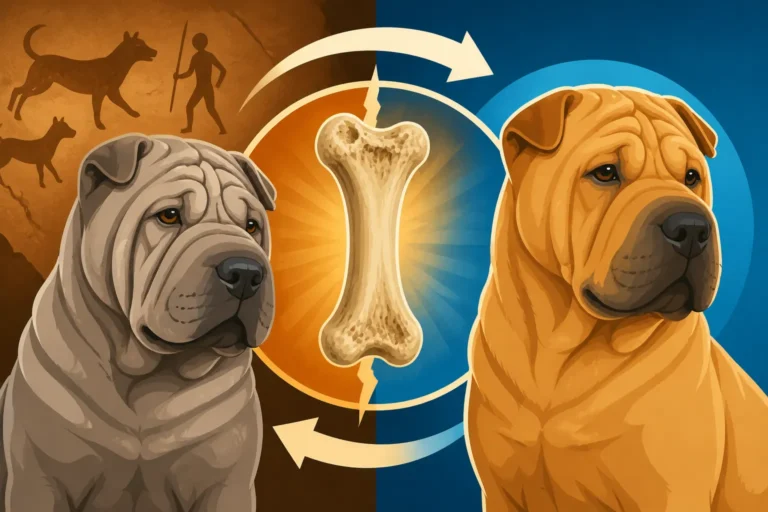
- Bone Mouth: This type is considered closer to the original, traditional Shar Pei from rural China. They have a leaner, more angular muzzle, less padding in the cheeks, and a more athletic, less compact body build. Their wrinkles are generally less profuse, concentrated mainly on the head and neck, allowing for better peripheral vision and less skin-related health issues. They were the working dogs, bred for agility and function. What a Bone Mouth Shar Pei Is provides a detailed description.
- Meat Mouth: This type is characterized by a thicker, more padded muzzle, fuller cheeks, and a more heavily wrinkled head and often body. This style became dominant during the breed's surge in popularity in the West, as breeders emphasized extreme wrinkles. While visually striking, the "meatier" muzzle and heavier wrinkles can contribute to breathing difficulties, entropion, and skin fold dermatitis. This is the style that generally aligns with the modern AKC breed standard for show dogs. What a Meat Mouth Shar Pei Is explains the features of this type.
Understanding the difference between these types is crucial for potential owners, as it can correlate with varying health predispositions and temperaments. While the Meat Mouth gained popularity, many dedicated enthusiasts and traditional breeders advocate for the health and functional advantages of the Bone Mouth type.
| Feature | Bone Mouth Shar Pei | Meat Mouth Shar Pei |
|---|---|---|
| Muzzle | Leaner, more angular, less padded | Thicker, more padded, fuller cheeks |
| Wrinkles | Fewer, more functional (head/neck), less extreme | More profuse, often extending onto the body, more extreme |
| Build | More athletic, lighter, less compact | Stockier, more robust, compact body |
| Appearance | Closer to original Chinese working dog | More aligned with modern Western show ring aesthetics |
| Health Impact | Potentially fewer issues like entropion/skin folds | Higher predisposition to entropion, skin folds, breathing |
| Temperament | Often considered more alert, active | Can be calmer, but varies |
| Recognition | Less common in modern show rings | Dominant in modern show rings and popular perception |
The Future of the Breed: Responsible Ownership and Breeding
The Shar Pei's remarkable journey from near extinction to global recognition is a powerful story, but their future relies heavily on the choices made by dedicated owners and ethical breeders. Learning from the past is crucial to ensuring a healthier, happier future for these magnificent dogs.
The Role of Ethical Breeders
Ethical breeders are the cornerstone of a healthy breed. For the Shar Pei, this means making conscious choices to prioritize health, temperament, and genetic diversity over exaggerated physical traits. A responsible breeder will focus on reducing the incidence of inherited diseases like FSF and amyloidosis, striving for moderate wrinkles that don't compromise the dog's vision or skin health. They will actively work to broaden the gene pool where possible and maintain meticulous health records for their breeding stock.
Furthermore, an ethical breeder will be transparent about the breed's challenges. They won't just sell a puppy; they will educate prospective owners about the commitment required, the potential health issues, and the specific care needs of a Shar Pei. They will be a lifelong resource for their puppy buyers and will take back any dog they have bred if the owner can no longer care for it. Finding such a breeder is paramount for anyone considering adding a Shar Pei to their family.
The Importance of Health Testing
Given the Shar Pei's predisposition to several serious health conditions, comprehensive health testing of breeding dogs is non-negotiable. This goes beyond just a vet check-up. Reputable breeders will conduct specific screenings for conditions prevalent in the breed.
Key health tests for Shar Pei often include:
- Genetic testing for the FSF mutation: While not all dogs with the mutation develop FSF or amyloidosis, knowing the genetic load helps breeders make informed decisions to reduce risk in future generations. Whether a Shar Pei's Copy Number Can Be Tested is important here.
- Ophthalmological examinations: Regular eye exams by a board-certified veterinary ophthalmologist to check for entropion, ectropion, and other eye abnormalities.
- Thyroid screening: To detect hypothyroidism.
- Kidney function monitoring: This is particularly critical due to the risk of amyloidosis. Breeders should monitor their dogs for protein in the urine (UPC ratio) and regular blood work. Why a Shar Pei's Kidneys Need Watching From Two Years Old cannot be overstated.
- Hip and elbow evaluations: To screen for hip and elbow dysplasia, though less prevalent than other issues.
These tests are expensive and time-consuming, but they are an investment in the health of the puppies. An ethical breeder will be happy to share the results of these tests and explain what they mean.
Supporting Rescues and Education
Beyond responsible breeding, supporting Shar Pei rescues and ongoing owner education are vital for the breed's future. Rescues often take in Shar Pei who are surrendered due to health issues, behavioral problems stemming from lack of socialization, or owners unprepared for the breed's specific needs. These organizations provide a critical safety net, offering rehabilitation and rehoming to dogs in need. Adopting a rescue Shar Pei can be a deeply rewarding experience, giving a deserving dog a second chance. Why Shar Pei Fill Rescues and What Adopting One Involves is a poignant read for anyone considering rescue.
Education for current and prospective owners is equally important. Understanding the breed's history helps explain its unique temperament and health predispositions. Knowing the signs of FSF, how to care for their folds, and the importance of early socialization empowers owners to provide the best possible care. Resources from reputable breed clubs, veterinary specialists, and even trusted online pet supply retailers like Chewy often offer valuable information and products tailored to Shar Pei needs, from specialized shampoos to limited ingredient diets for sensitive stomachs. By spreading knowledge and encouraging responsible practices, we can ensure that the Shar Pei, having been saved once, continues to thrive for generations to come.
Disclaimer
This article is for general informational purposes only and does not constitute professional advice. Laws, prices and regulations vary by location and change over time. Consult a qualified professional for guidance on your specific situation.