The Blue Black Tongue a Shar Pei Shares With One Other Breed
One of the first things that captures people's attention about a Shar Pei, beyond those wonderfully deep wrinkles, is their incredibly distinctive tongue. It's not pink like most dogs; instead, it's a fascinating shade of blue-black, often described as a dark purple or even slate grey. If you're new to the breed, seeing this for the first time can be a little startling, and it often leads to questions about their health or what makes them so unique. This guide is here to demystify the blue-black tongue, explain its origins, explore the one other breed that shares this rare trait, and reassure you about what's normal for your wonderfully unusual Shar Pei.
The Unmistakable Mark: Why the Blue-Black Tongue is a Shar Pei Trait
The blue-black tongue is perhaps one of the most striking physical characteristics of the Shar Pei, often making people do a double-take. It's an integral part of their breed standard, a feature that distinguishes them immediately from almost every other canine. This isn't just a random genetic quirk; it's a deeply embedded trait that speaks to their ancient lineage and unique biology.
What Gives the Shar Pei its Distinctive Tongue Color
The pigment responsible for the Shar Pei's blue-black tongue is melanin, the same pigment that gives us humans our skin, hair, and eye color. In most dogs, melanin is concentrated in their skin and coat, but for the Shar Pei, and one other special breed, it extends to the oral tissues, including the tongue and gums. This isn't a surface stain or something that can be washed away; it's deep-seated cellular pigmentation, a natural part of their anatomy. Think of it like a birthmark, but for the entire tongue!
The distribution and intensity of this pigmentation can vary from one Shar Pei to another. Some might have an almost solid, uniform blue-black tongue, while others might display patches of pink, especially as puppies. The consistency of this color is actually an important aspect of breed evaluation, highlighting its significance to the breed's identity. It's a hallmark feature that breeders strive to maintain, reflecting the purity of their lines.
This intense pigmentation is believed to be linked to their genetic heritage, connecting them to some of the most ancient dog breeds. It's not something that developed recently; rather, it's a trait that has been passed down through generations, surviving centuries of selective breeding and natural selection. It's a little peek into canine history right there in their mouth!
More Than Just a Color: The Cultural Significance
In many cultures, unique physical traits in animals carry significant meaning, and the blue-black tongue of the Shar Pei is no exception. In China, where the Shar Pei originated, dogs with such distinctive tongues were often regarded as particularly wise, fierce, or even having protective qualities. This isn't just about aesthetics; it hints at a deeper, almost mystical appreciation for this unusual feature.
Historically, the Shar Pei was a versatile working dog in rural China, tasked with everything from guarding livestock and property to hunting wild boar. Their distinctive appearance, including that unique tongue, might have added to their mystique and perceived efficacy in these roles. An animal with such an unusual mark could be seen as possessing special power or prowess. This cultural perception likely reinforced the desire to maintain the blue-black tongue as a defining characteristic of the breed.
Even today, for enthusiasts and breed lovers, the blue-black tongue is a point of pride and a connection to the Shar Pei's rich heritage. It’s part of the lore, a talking point that makes the breed even more intriguing. It’s not just a physical trait; it’s a symbol of their ancient origins and the enduring uniqueness of the breed.
The Spectrum of Blue-Black: What's Normal?
When we talk about a "blue-black" tongue, it's not always a single, uniform shade. Just like human skin tones, there's a spectrum within what's considered normal for a Shar Pei. The color can range from a deep, almost inky blue to a lighter, more purple or lavender hue, and even a mottled grey-black. It's important for owners to understand this range so they can recognize what's typical for their own dog and when something might be amiss.
Some Shar Peis will have tongues that are completely solid blue-black, with no pink showing at all. Others might have tongues that are predominantly blue-black but feature small, symmetrical pink spots or patches. These spots are often perfectly normal, especially as puppies mature. What you generally don't want to see are bright red or inflamed areas, or sudden, irregular changes in color that indicate injury or a health issue. Whether a Pink Spotted Tongue Is a Fault in a Shar Pei delves deeper into these variations.
The depth of the color can also vary based on factors like excitement, temperature, or even genetics. A Shar Pei's tongue might appear slightly darker when they are calm and cool, and perhaps a little lighter or more mottled when they are panting or very active. Establishing a baseline for your individual dog is key to ensuring their oral health. Regular, gentle examination of their mouth and tongue will help you become familiar with their normal appearance.
A Family Resemblance: The Other Breed with a Blue-Black Tongue
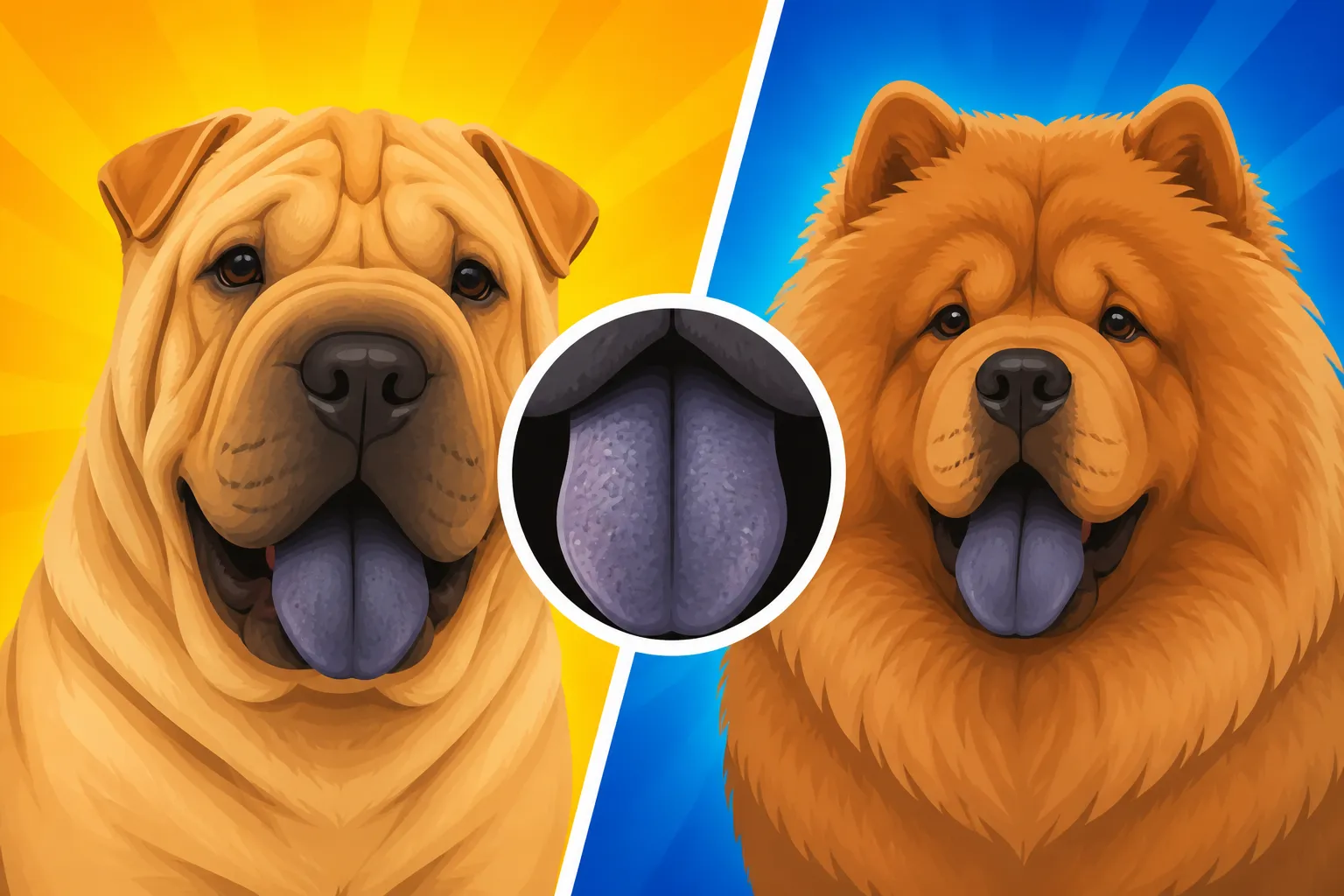
The Shar Pei might feel wonderfully unique with its blue-black tongue, but it actually shares this fascinating trait with only one other well-known purebred dog: the Chow Chow. This shared characteristic is a significant clue that points to a common ancestral link between these two distinct breeds, even though they look quite different at first glance.
Unraveling the Shared Ancestry
The connection between the Shar Pei and the Chow Chow is a fascinating piece of canine history. Both breeds hail from ancient China, and genetic studies have supported the idea that they share a deep common ancestry, placing them among the oldest and most basal dog breeds in the world. This means their lineage goes back thousands of years, to some of the earliest domesticated dogs. The blue-black tongue is a tangible, visible remnant of this shared heritage. Whether the Shar Pei and the Chow Chow Are Related explores this connection in more detail.
Imagine ancient dog populations in China, where certain genetic traits, like this unique pigmentation, were present and perhaps even favored for reasons we can only speculate about now. As these populations diversified over millennia, evolving into the distinct breeds we know today, some of these foundational traits were carried forward. The blue-black tongue is one such trait that stubbornly persisted in both the Shar Pei and the Chow Chow, a testament to their shared roots.
It’s not just a random coincidence; it's a biological marker. Think of it like a unique family crest that both cousins display, even if they live in different towns and have taken on different professions. The evolutionary path diverged, leading to the wrinkly, protective Shar Pei and the lion-like, dignified Chow Chow, but that tongue color remained a constant, linking them across time and distinct physical developments.
Differences Beyond the Tongue: Shar Pei vs. Chow Chow
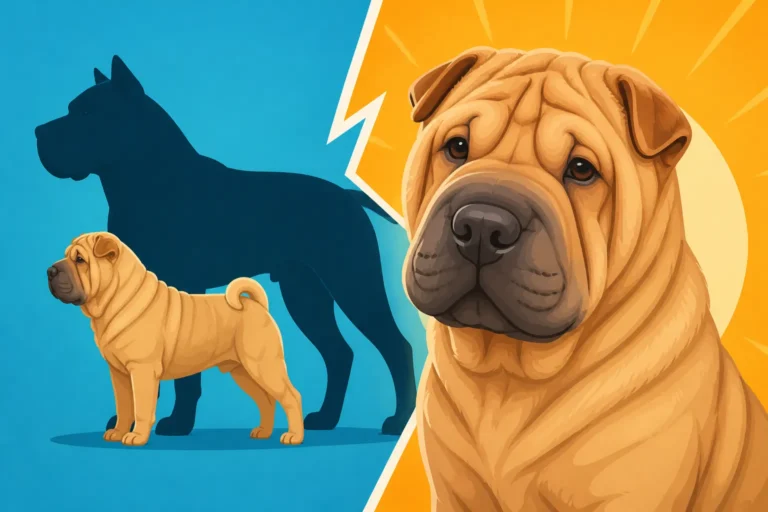
While the blue-black tongue is a striking commonality, the Shar Pei and the Chow Chow are undeniably distinct breeds in terms of appearance, temperament, and historical roles. Understanding these differences helps to appreciate each breed on its own merits. The Shar Pei Against a Chow Chow provides a full comparison.
The Shar Pei is known for its heavily wrinkled skin, giving it a somewhat mournful or serious expression, and its "hippopotamus" muzzle. Their coats are typically short and bristly – either horse coat or brush coat – and they tend to be alert, independent, and fiercely loyal to their chosen family, often displaying aloofness towards strangers. Historically, they were guard dogs, hunters, and farm dogs in rural areas.
The Chow Chow, on the other hand, is famous for its dense, lion-like mane, often around its head and neck, and its thick double coat which can be rough or smooth. They have a proud, dignified, almost aristocratic bearing, and a temperament that is generally more reserved and independent than the Shar Pei, often described as cat-like. Chows were also working dogs, used for guarding, hunting, pulling carts, and even as food sources. Their build is more robust and stocky, without the characteristic loose skin of the Shar Pei.
| Feature | Shar Pei | Chow Chow |
|---|---|---|
| Origin | China | China |
| Tongue Color | Blue-black (most) | Blue-black (most) |
| Coat Type | Short, bristly (Horse or Brush coat) | Dense, thick (Rough or Smooth coat) |
| Wrinkles | Prominent, especially on face and body | Minimal (some on forehead when frowning) |
| Muzzle | Broad, "hippopotamus" muzzle | Broad, often obscured by mane |
| Tail | High-set, curled tightly over back | High-set, curled tightly over back |
| Ears | Very small, triangular, laid flat to head | Small, triangular, erect |
| Temperament | Independent, loyal, often aloof with strangers, prone to guarding | Reserved, dignified, independent, can be stubborn |
| Historical Role | Guarding, hunting, farm dog | Guarding, hunting, pulling carts, food source |
| Eyes | Small, sunken, often almond-shaped | Deep-set, almond-shaped |
The Genetic Link: What We Know
The scientific understanding of the blue-black tongue is that it's a polygenic trait, meaning it's influenced by multiple genes rather than a single one. While we know melanin is the pigment, pinpointing the exact genetic mechanism that directs this particular accumulation of melanin to the oral tissues, specifically the tongue, is complex. Research into canine genetics has made incredible strides, but the intricate details of every breed-specific trait are still being uncovered.
What we can say with certainty is that it's an inherited trait. If a dog has a blue-black tongue, it's because it inherited the genetic predispositions for it from its parents. This makes it a reliable indicator of lineage and, in the case of the Shar Pei and Chow Chow, a strong piece of evidence for their shared ancient background. It’s not something that can be developed or acquired; it’s something you’re born with.
For breeders, maintaining the blue-black tongue is part of preserving breed purity and adhering to the established breed standard. It’s one of those key identifiers that makes a Shar Pei, well, a Shar Pei! While the exact 'how' of the genetics might be deep in scientific papers, the 'what' and 'why' from a breed perspective are clear: it's a sign of ancient heritage and a distinctive characteristic that makes these dogs so special.
Beyond Aesthetics: What a Blue-Black Tongue Doesn't Mean for Your Shar Pei's Health
When new owners first encounter the unique blue-black tongue of their Shar Pei, it's natural to have questions, and sometimes concerns. Given that a blue tongue in other breeds can signal a medical emergency, it’s crucial to understand that for a Shar Pei, this color is completely normal and healthy. We need to separate fact from fiction and focus on what truly indicates well-being.
Not a Sign of Health Problems
Let's get this straight right off the bat: a Shar Pei's blue-black tongue, in its natural, consistent state, is absolutely not a sign of poor health. It's not an indicator of a heart condition, respiratory issues, or any other systemic disease. It is simply a manifestation of their breed-specific pigmentation, as normal for them as a pink tongue is for a Labrador. There's no need to panic if your Shar Pei's tongue looks dark; in fact, if it didn't look dark, that would be more unusual for the breed standard!
This natural pigmentation should be distinguished from other types of oral discoloration. For instance, sometimes dogs can develop dark spots on their gums or tongue due to trauma, benign melanin deposits (which can happen in any breed, often called "gum spots"), or, rarely, malignant melanoma. However, in a Shar Pei, the widespread, even blue-black coloration across the entire tongue is a genetic trait, not a symptom.
It's important for veterinary professionals, especially those less familiar with the breed, to understand this distinction. A vet seeing a "blue tongue" in a typical dog might immediately think of cyanosis (lack of oxygen), but for a Shar Pei, a healthy, dark tongue is simply their baseline. It's part of what makes them, them.
Distinguishing from Cyanosis: When to Worry
While a healthy Shar Pei's tongue is naturally blue-black, it's vital for owners to be able to distinguish this normal pigmentation from cyanosis, which is a medical emergency. Cyanosis occurs when there isn't enough oxygen in the blood, causing mucous membranes (like the gums and tongue) to turn a bluish-purple color due to deoxygenated hemoglobin.
The key difference lies in the context and shade. A cyanotic tongue in any dog, including a Shar Pei, will typically be a brighter, often purplish-blue color that looks distinctly different from their normal, deep slate or blue-black pigmentation. More importantly, cyanosis will always be accompanied by other severe symptoms of respiratory distress or cardiovascular compromise. Think of labored breathing, gasping, coughing, weakness, collapse, or a rapid heart rate.
If your Shar Pei's tongue suddenly appears a different shade of blue – a new, brighter, or more vivid purple-blue – and they are struggling to breathe, are lethargic, or collapse, then yes, that is an emergency. But if your dog is otherwise acting completely normal, breathing easily, eating, and playing, and their tongue is its usual blue-black hue, then there is absolutely no cause for alarm. Always assess the whole picture: the color and the accompanying symptoms.
Puppy Tongues: The Gradual Appearance of Color
If you've ever seen a Shar Pei puppy, you might have noticed that their tongues aren't always fully blue-black from day one. This can sometimes cause confusion or concern for new owners, but it's a perfectly normal part of their development. Just like human babies might be born with light hair that darkens over time, a Shar Pei puppy's tongue pigmentation often develops gradually.
Many Shar Pei puppies are born with tongues that are more pink with dark spots or patches. Over the first few weeks and months of their lives, these pink areas will gradually fill in with the characteristic blue-black pigment. It's a fascinating process to observe. By the time they are a few months old, typically around 8-12 weeks, the tongue should have achieved its full, adult blue-black coloration. Whether a Shar Pei Puppy's Tongue Is Blue at Birth explains this developmental process.
So, if your young Shar Pei puppy has a speckled or patchy pink and blue-black tongue, don't worry! This is usually just an indication of their maturing pigmentation. Of course, always mention any concerns to your vet during routine check-ups. But generally, seeing those dark spots slowly spread and deepen is a sign that your little wrinkly friend is developing exactly as they should be.
Observing Your Shar Pei's Tongue: What to Look For
Regularly checking your Shar Pei's mouth, including their unique tongue, is an important part of their overall health care. While their blue-black tongue is distinctive, it doesn't make it immune to the same issues that can affect any dog's oral health. Knowing what's normal for your dog's tongue will empower you to spot any potential problems early.
The Importance of Regular Oral Health Checks
Many dog owners focus on brushing teeth (if they do it at all!) but might neglect to inspect the tongue and gums. For a Shar Pei, whose oral tissues are already a different color, regular examination is even more crucial. You're not just looking for problems with the tongue itself, but also for signs of dental disease, injuries, or other issues in the mouth that might be harder to see against a dark background.
Make it a habit to gently lift your Shar Pei's lips and open their mouth a few times a week. This isn't just for checking their tongue; it's also about getting them accustomed to oral examination, which will be invaluable during vet visits. You'll be looking for things like redness or swelling of the gums, tartar buildup on the teeth, any unusual lumps or bumps on the tongue or inner cheeks, and certainly any cuts or abrasions that might indicate an injury.
Consistent at-home checks create a baseline of what's normal for your individual dog. This knowledge is your best tool for identifying subtle changes that could indicate a problem, allowing you to seek veterinary attention sooner rather than later. A healthy mouth contributes significantly to your Shar Pei's overall well-being and comfort.
When a Pink Spot is Okay, and When it's Not
As we discussed, many Shar Peis have tongues that aren't perfectly uniform in their blue-black pigmentation. Small pink spots or patches are common and generally considered perfectly normal, especially if they've been there since puppyhood and haven't changed. These are simply areas where the melanin pigmentation is less dense.
However, there are times when a pink area, or a change in a pink area, could signal a problem. If you notice a new pink spot, especially one that wasn't there before, or if an existing pink spot changes in size, shape, or texture, it warrants a closer look. Similarly, any areas that appear inflamed, raised, ulcerated, or are causing your dog discomfort should be evaluated by a vet.
The key is change. Is it a new spot? Has an old spot grown or become irritated? Does your Shar Pei seem bothered by it? If the answer is yes to any of these questions, it’s always best to consult your veterinarian. They can determine if it's just a natural variation or something that needs attention, like a minor injury or, in very rare cases, something more serious.
Changes Over Time: What to Monitor
Beyond the initial development from puppyhood, a Shar Pei's tongue color typically remains quite stable throughout their adult life. However, certain changes can occur, and it's good to know what to monitor. Any sudden, dramatic change in the overall color of the tongue, especially if it shifts towards a brighter blue or purplish hue and is accompanied by other symptoms, needs immediate veterinary attention (as discussed when distinguishing from cyanosis).
You should also monitor for any localized changes. This includes growths, lesions, or areas of unexplained redness or swelling. While the deep folds and unique texture of a Shar Pei's skin can sometimes make things tricky, their tongue should generally appear smooth and consistent in texture, despite its color. If you notice any unusual textures, lumps, or bumps, it's worth checking with your vet.
Sometimes, injuries can occur in the mouth from chewing on something sharp or rough. If you see cuts, tears, or bleeding, these also require attention. Even though the tongue is dark, signs of injury, discomfort, or infection will still be visible if you look closely. Regular monitoring not only reassures you that your dog is healthy but also helps you to catch any potential issues early, leading to better outcomes for your beloved Shar Pei.
The Shar Pei Breed: A Brief Overview of Their Unique Traits
Beyond their distinctive tongue, Shar Peis are a breed brimming with unique characteristics that charm and challenge their owners in equal measure. Understanding these core traits is essential to providing them with the best possible care and a fulfilling life. They are a truly ancient and fascinating breed.
Ancient Roots and Modern Challenges
The Shar Pei's history stretches back over 2,000 years to ancient China, where they were revered as versatile working dogs. Their original purpose included guarding homesteads, hunting wild game, and herding livestock. What Job the Shar Pei Held in Rural China really highlights their historical significance. They were a hardy, resourceful breed, built for resilience in a demanding environment. This ancient lineage is evident in their independent spirit and innate protective instincts.
However, the breed faced near extinction in the mid-20th century in mainland China, only to be dramatically revived thanks to the efforts of a dedicated few, most notably Matgo Law in Hong Kong. This dramatic bottleneck in their genetic history, while saving the breed, also left them with a relatively narrow gene pool. This genetic heritage, while making them unique, has unfortunately contributed to some breed-specific health challenges that modern Shar Pei owners must be aware of.
Today, owning a Shar Pei means appreciating their ancient history while actively addressing the health implications of their journey. It's a balance of celebrating their unique traits and being proactive about their specific needs, understanding that their past directly influences their present.
The "Sand Skin" and Its Implications
The name "Shar Pei" itself is a nod to one of their most distinctive physical characteristics: their coat. "Shar Pei" translates to "sand skin" or "sand paper skin" in Cantonese, a perfect description of their unique, coarse, and bristly coat. Unlike soft, plush dog fur, a Shar Pei's coat feels incredibly rough to the touch, almost like sandpaper or velvet, depending on whether it's a horse coat (shorter, coarser) or brush coat (slightly longer, softer). Why a Shar Pei's Coat Feels Like Sandpaper explores this fascinating texture.
This "sand skin" is intertwined with their famous wrinkles. The loose, abundant skin, particularly noticeable in puppies, is due to a genetic mutation that causes an overproduction of hyaluronic acid. While these wrinkles are part of their charm, they also create skin folds that can trap moisture and debris, making Shar Peis prone to certain skin conditions like skin fold dermatitis. This means meticulous grooming and hygiene are not just cosmetic, but crucial for their health.
Understanding the "sand skin" means recognizing that their coat and skin are not just aesthetic features but an integral part of their care routine. It requires owners to be diligent with drying after baths, cleaning between folds, and being aware of the signs of skin irritation. It’s a constant reminder of their unique biology and the responsibilities that come with it.
Temperament: Loyal, Independent, and Often Misunderstood
A Shar Pei's personality is as distinct as their appearance. They are often described as independent, intelligent, and fiercely loyal to their immediate family, yet famously aloof with strangers. They aren't typically the type of dog to greet everyone with wagging tails and sloppy kisses. This reserved nature is a hallmark of the breed, stemming from their history as guardians. A Shar Pei Was Bred to Guard, Not to Greet perfectly encapsulates this trait.
Their intelligence means they can be quick learners, but their independence often translates into a "what's in it for me?" attitude towards training. They respond best to positive reinforcement, patience, and consistency, and will quickly shut down if handled harshly. They bond deeply with their chosen people, often forming a strong "one-person" attachment within the family.
Despite their serious demeanor, Shar Peis can be incredibly affectionate and playful with their family members, often enjoying quiet cuddles on the couch. However, their protective instincts mean early and consistent socialization is paramount, especially when introducing them to new people, places, and other animals. Without proper socialization, their natural wariness can escalate into reactivity or aggression. They are not a breed for a first-time dog owner who isn't prepared for their unique blend of loyalty and strong will.
Caring for a Shar Pei: Keeping Your Unique Companion Healthy
Owning a Shar Pei is a journey filled with love, laughter, and a fair share of unique care considerations. Their distinctive looks and ancient genetics mean that a proactive approach to their health and well-being is key. From their diet to their daily grooming, every aspect of their care is influenced by what makes them special.
Dietary Considerations for Shar Pei Health
Feeding your Shar Pei isn't just about putting food in a bowl; it's about providing nutrition that supports their unique physiology and helps manage potential breed-specific sensitivities. Many Shar Peis can be prone to food allergies or sensitivities, which can manifest as skin issues, ear infections, or digestive upset. Because of this, choosing the right diet often involves careful consideration.
Some owners find success with limited ingredient diets (LIDs) or novel protein sources, which can help pinpoint and avoid potential allergens. Common culprits often include chicken, beef, wheat, soy, and corn, though individual dogs vary widely. Consulting with your veterinarian or a veterinary nutritionist can help you navigate the often-confusing world of dog food and select a diet that best suits your Shar Pei's specific needs. Whether a Shar Pei Needs a Limited Ingredient Food can offer further insights.
It's always a good idea to research reputable brands known for quality ingredients and transparent sourcing. Websites like Chewy offer a wide selection of specialized diets, including limited ingredient options and prescription foods if recommended by your vet. Remember, consistency in diet is often key to managing sensitivities. Sudden changes can sometimes trigger digestive upset, so always introduce new foods gradually.
Grooming the Distinctive Coat and Folds
The "sand skin" and abundant wrinkles of a Shar Pei mean their grooming needs go beyond a simple brush and bath. While their short coat doesn't require extensive trimming, keeping it clean and their folds dry is crucial for preventing skin infections.
Regular bathing, typically every 2-4 weeks or as needed, is important, often using a medicated shampoo if they are prone to skin issues. The most critical step after bathing is thorough drying. Every single fold, crevice, and wrinkle must be completely dry to prevent moisture from becoming a breeding ground for yeast and bacteria. A soft towel followed by a low-setting blow dryer, or even gentle dabbing with cotton balls between the deepest folds, can make all the difference. Drying Is More Important Than Washing on a Shar Pei emphasizes this point.
Beyond baths, daily or weekly fold cleaning with a gentle, non-irritating wipe (many pet-specific wipes are available on Chewy, for example) can help remove dirt and moisture. Pay special attention to facial folds, the neck ruff, and any deep body wrinkles. Their tiny, narrow ear canals also require regular cleaning with a vet-approved ear cleaner to prevent infections. A Shar Pei Has the Narrowest Ear Canals of Any Breed illustrates just how delicate these ears are.
The Importance of Early Socialization
Given their naturally aloof and protective temperament, early and ongoing socialization is arguably one of the most critical aspects of raising a well-adjusted Shar Pei. The window for socialization is relatively short and impactful, typically before 12-16 weeks of age. During this time, a puppy's brain is highly receptive to new experiences, shaping how they will perceive the world as an adult.
Expose your Shar Pei puppy to a wide variety of sights, sounds, people, and appropriate situations with other vaccinated dogs. This doesn't mean overwhelming them, but rather creating positive, controlled experiences. Enroll in puppy classes, take them to dog-friendly stores (like some pet supply stores, including Chewy's physical locations if applicable), and have friends and family interact gently with them. Socialize a Shar Pei Before Twelve Weeks or Pay for It Later is not an exaggeration – the investment here pays dividends for life.
Continued positive exposure throughout adolescence and adulthood helps reinforce their comfort and confidence. While a Shar Pei may never be the life of the party, proper socialization helps them to tolerate new experiences and strangers without becoming overly fearful or reactive. It helps them to understand that not everything new is a threat, allowing their true loyalty and affection to shine through within their safe circle.
Disclaimer
This article is for general informational purposes only and does not constitute professional advice. Laws, prices and regulations vary by location and change over time. Consult a qualified professional for guidance on your specific situation.