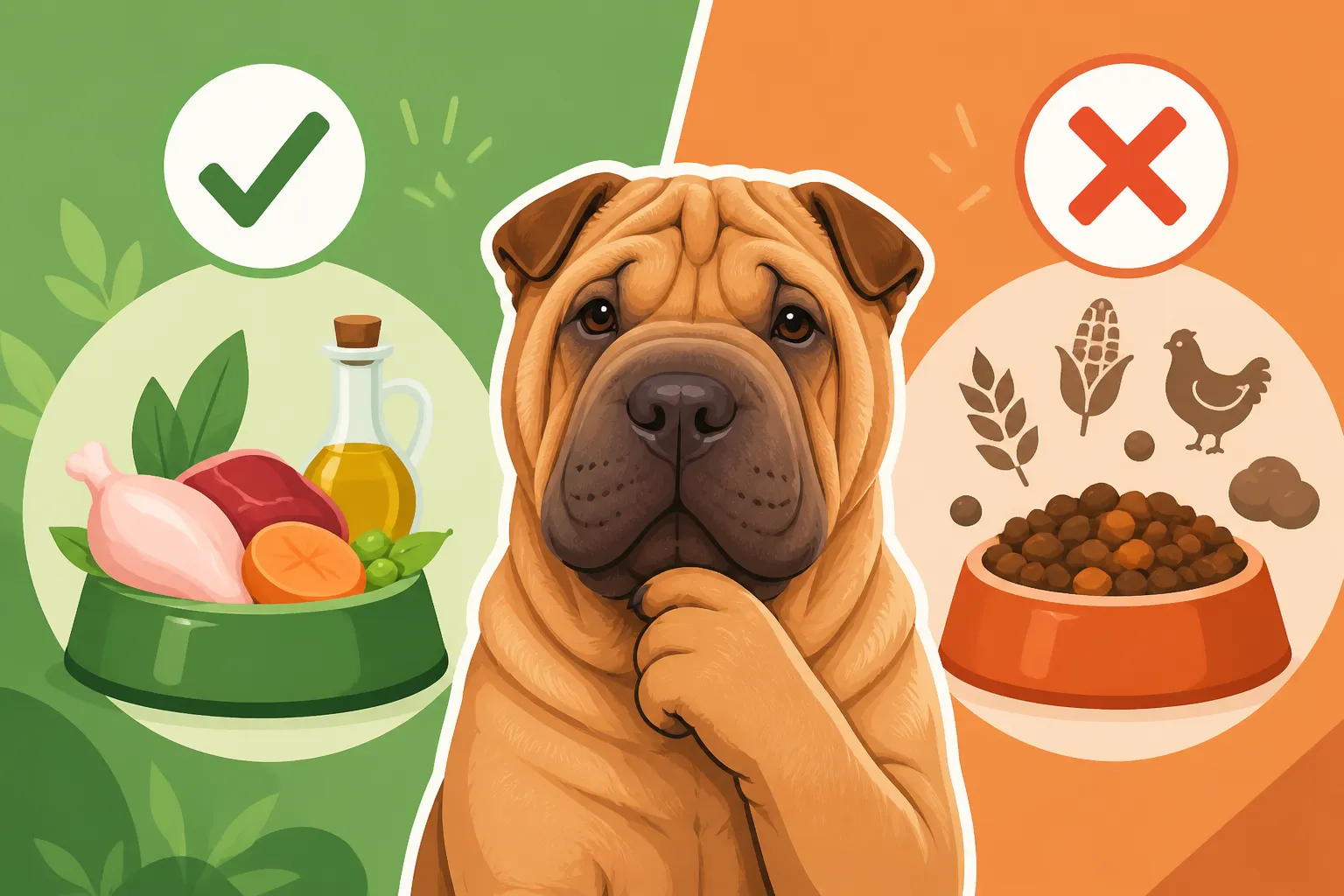
Whether a Shar Pei Needs a Limited Ingredient Food
It’s a tale as old as time for many Shar Pei owners: you’re doing everything right, you’re feeding them good quality food, but your beloved wrinkly companion is still itching, scratching, or dealing with digestive woes. Their skin might be red and inflamed in places, or their ears constantly bothering them, and you’re left wondering if the food bowl is truly the culprit. It’s an incredibly frustrating cycle, making you question every ingredient label and desperate for a solution. This comprehensive guide is here to shed some light on whether a limited ingredient diet could be the answer for your Shar Pei and what you need to know before making any dietary changes.
Why Shar Pei Are Often Prone to Food Sensitivities
Let’s be honest, our Shar Pei are unique dogs, and their genetics, while giving them their distinctive charm, also predispose them to a host of health challenges that often manifest as skin or digestive issues. These aren't just minor quirks; they can significantly impact your dog's quality of life and your peace of mind. Understanding why they might be prone to food sensitivities is the first step in addressing the problem. It’s not just bad luck; there are underlying breed-specific factors at play.
The Link Between Genetics and Skin Issues
The very thing that makes a Shar Pei so visually striking – their abundant wrinkles – is also a major factor in their propensity for skin problems. That extra mucin, which gives them their plush, sometimes puffy look, is associated with a genetic mutation that can also affect their immune system and inflammatory responses. This means their skin often acts as a billboard for internal distress. If something is irritating them, whether it’s an allergen or an infection, their skin is often the first place you’ll see it, flaring up with redness, itching, or even developing secondary infections.
Think about it: those deep skin folds, while adorable, create warm, moist environments that are perfect breeding grounds for bacteria and yeast if not meticulously cared for. This alone can lead to constant irritation. Beyond the folds, many Shar Pei suffer from generalized itchy skin, even in areas without deep wrinkles. This can often be attributed to environmental allergies, but food allergies can exacerbate the situation, making it harder to pinpoint the primary trigger. It’s a complex interplay, and diet can play a surprisingly significant role in managing the overall inflammatory load on their system. You might find yourself constantly cleaning folds and managing minor infections, all while the root cause of the inflammation could be something as simple as what's in their food bowl. Skin Fold Dermatitis on a Shar Pei is a common issue that can worsen with generalized skin inflammation.
Immune System Quirks: IgA Deficiency
Another aspect of Shar Pei genetics that makes them candidates for dietary sensitivities is their predisposition to IgA deficiency. IgA, or Immunoglobulin A, is an antibody that plays a crucial role in immune protection, particularly in mucosal surfaces like the gut and respiratory tract. When a dog has insufficient IgA, their body is less equipped to fight off pathogens and might have a harder time regulating immune responses, leading to a heightened susceptibility to allergies and infections. What IgA Deficiency Means for a Shar Pei is a critical piece of the puzzle for many owners.
This deficiency can mean that their digestive system is more vulnerable to inflammation when exposed to certain food proteins, or that their immune system overreacts to otherwise harmless ingredients. This isn't just about "tummy upsets"; it can lead to chronic diarrhea, vomiting, inflammatory bowel disease (IBD), or even contribute to those persistent skin issues we just discussed. It creates a vicious cycle where a compromised gut barrier allows more allergens to enter the bloodstream, triggering a systemic immune response that can show up as skin irritation. So, a diet designed to minimize potential irritants becomes incredibly appealing for these sensitive pups.
What Exactly Is a Limited Ingredient Diet?
When you hear "limited ingredient diet" (LID), it might sound a bit vague, but the core concept is quite straightforward: it’s a dog food formulated with a minimal number of ingredients, primarily focusing on a single novel protein source and a single carbohydrate source. The goal is to reduce the chances of encountering common allergens or irritants that could be triggering your Shar Pei’s symptoms. It’s not just about cutting down on ingredients; it’s about carefully selecting which ingredients are included.
The Philosophy Behind Fewer Ingredients
The main idea behind an LID is simplification. Many commercial dog foods contain a long list of ingredients, including multiple protein sources (chicken, beef, lamb, fish), various grains (corn, wheat, soy), and a plethora of additives, colorings, and preservatives. While these might be fine for many dogs, for a Shar Pei with a sensitive system, each additional ingredient presents another opportunity for an allergic reaction or digestive upset. By stripping the diet down to its bare essentials, we create a "clean slate" to observe how your dog reacts.
The fewer ingredients there are, the easier it becomes to identify which specific component might be causing a problem. If your Shar Pei is reacting to a food, is it the chicken? The corn? The peas? With a typical diet, it's a frustrating guessing game. With an LID, if symptoms improve, you can then (under veterinary guidance) slowly reintroduce individual ingredients to pinpoint the exact culprit. This systematic approach is often the most effective way to manage and diagnose chronic food sensitivities.
Common vs. Novel Proteins and Carbs
The effectiveness of an LID often hinges on the choice of "novel" ingredients. A novel protein is one your dog has never eaten before, or at least not regularly, making an allergic reaction less likely. Common proteins like chicken, beef, dairy, and eggs are frequent allergens simply because they are so widely used in dog foods. For a Shar Pei suspected of having a food allergy, switching to a protein like duck, venison, rabbit, or even kangaroo can be a game-changer. These proteins are less likely to have triggered an immune response in the past. Which Protein Suits a Shar Pei is a question many owners grapple with.
Similarly, a novel carbohydrate source is often chosen. Instead of corn, wheat, or soy, you might see options like sweet potato, peas, or sometimes even potatoes or rice. The idea is again to reduce exposure to commonly allergenic grains. It’s about choosing ingredients that are less likely to have been part of your dog’s previous diet, thereby minimizing the chance of an existing sensitivity being re-triggered. Some brands, like those found on Chewy, offer a wide variety of these novel protein and carbohydrate combinations, making it easier to find an option that your vet might recommend.
When to Consider a Limited Ingredient Diet for Your Shar Pei
Deciding to switch your Shar Pei to an LID isn’t a decision to take lightly, and it's certainly not something you should do without consulting your veterinarian. However, there are clear signs and symptoms that often point towards a food sensitivity, making an LID a necessary diagnostic and management tool. Recognizing these cues early can save your Shar Pei a lot of discomfort and potentially prevent more serious health issues down the line.
Persistent Itching, Redness, and Skin Infections
If your Shar Pei is constantly scratching, licking, or chewing at themselves, especially their paws, ears, groin, or underarms, it’s a huge red flag. This persistent itchiness, even outside of seasonal allergy flare-ups, can be a primary symptom of a food allergy. You might notice their skin looks red, inflamed, or even develops a greasy feel. Sometimes, the scratching leads to broken skin, which then becomes infected with bacteria or yeast, resulting in foul odors, hair loss, and scabs. Whether a Shar Pei's Itching Is Seasonal is a good question to ask yourself.
It’s easy to dismiss a little scratch here and there, but chronic, unrelenting itching that doesn’t respond well to typical treatments for fleas or environmental allergies strongly suggests an underlying food component. You might find yourself constantly bathing them with medicated shampoos, only for the relief to be fleeting. These skin issues aren’t just cosmetic; they cause significant discomfort and stress for your dog and can be incredibly frustrating for you, the owner. If you're constantly battling recurring skin issues, it’s definitely time to have a serious conversation with your vet about dietary trials. You’ll be adding to What a Shar Pei's Skin Costs a Year if you don’t get to the bottom of the irritation.
Chronic Digestive Issues
Beyond skin problems, digestive upset is another major indicator that a food sensitivity might be at play. We're not talking about an occasional bout of loose stool after a stolen treat; we're talking about chronic, ongoing issues. This could manifest as frequent vomiting, persistent diarrhea (which might be soft, watery, or even contain mucus), excessive gas, or a rumbling stomach that seems to bother your dog. You might also notice a decrease in appetite, weight loss despite eating, or even signs of discomfort after meals, like restlessness or hunching.
These chronic digestive problems aren't just unpleasant; they can lead to malabsorption of nutrients, weight loss, and a generally unhealthy gut. Over time, untreated inflammatory bowel disease (IBD), which can be triggered by food sensitivities, can severely impact your Shar Pei’s overall health. If your vet has ruled out parasites, infections, and other gastrointestinal diseases, then a dietary elimination trial using an LID is often the next logical step. It provides a way to systematically remove potential triggers and see if the digestive system can finally find some peace. Whether a Shar Pei Needs a Probiotic might be a question that comes up during these discussions.
How an Elimination Diet Works
An elimination diet is the gold standard for diagnosing food allergies, and it almost always involves a limited ingredient food. The process can be a little daunting, but it’s crucial for accurate diagnosis. First, in consultation with your vet, you'll choose a novel protein and carbohydrate source that your Shar Pei has never consumed before. This new diet is then fed exclusively for a strict period, usually 8-12 weeks. This means absolutely no other food, no treats, no table scraps, no flavored medications, and not even flavored chew toys. It truly is a rigorous commitment. How Long an Elimination Diet Takes on a Shar Pei can feel like an eternity when you're waiting for results.
During this time, you'll closely monitor your Shar Pei for any improvements in their symptoms. If their itching subsides, their skin clears, or their digestive issues resolve, it strongly suggests a food allergy. Once symptoms have improved, your vet might then guide you through a "challenge" phase, where you slowly reintroduce previous ingredients one by one. If a particular ingredient causes symptoms to return, you’ve found your culprit! This process is painstaking but incredibly rewarding, as it gives you clear answers and a path forward for managing your Shar Pei's diet for life. Whether Treats Ruin a Shar Pei's Elimination Diet is a common concern during this phase, and the answer is usually yes, they absolutely can.
Practicalities of Feeding a Limited Ingredient Diet
So, you’ve decided (with your vet’s blessing, of course) that an LID is the way to go for your Shar Pei. Now what? The reality of feeding a specialized diet can bring up practical questions about sourcing, cost, and ensuring your dog actually enjoys their new food. It’s a commitment, but one that can bring immense relief to your beloved companion.
Sourcing and Availability
Finding the right limited ingredient diet can take a little searching, but thankfully, options have expanded significantly in recent years. You’ll typically find LIDs in a few forms:
- Commercial Dry Kibble/Canned Food: Many reputable pet food brands offer LID lines. These often feature single novel proteins like duck, salmon, or venison, paired with a single carbohydrate like sweet potato or peas. Brands like Natural Balance, Blue Buffalo, and Zignature are commonly cited for their LID offerings. You can often find a good selection of these on large online retailers like Chewy, making it convenient to compare options and have them delivered right to your door.
- Prescription Veterinary Diets: For more severe cases, your veterinarian might recommend a prescription hydrolyzed protein diet. In these diets, the proteins are broken down into such tiny pieces that the immune system doesn't recognize them as allergens. These are typically only available through your vet’s office or with a prescription from specific online pharmacies.
- Fresh Food Services: Some newer fresh food companies, like Ollie, allow for customization that can lean towards a limited ingredient approach, focusing on specific proteins and vegetables. These can be excellent options for palatability and freshness, but require careful selection to ensure they truly meet the LID criteria for your Shar Pei.
- Homemade Diets: While possible, formulating a balanced homemade LID is extremely challenging and must be done under the strict guidance of a veterinary nutritionist. Without expert input, it’s very easy to create a diet that is nutritionally deficient, leading to other health problems for your Shar Pei.
Regardless of the form, always double-check ingredient lists thoroughly, especially during an elimination trial, to ensure there are no hidden proteins or common allergens.
Cost Considerations
Let's be real: specialized diets often come with a higher price tag. This can be a concern for many owners, especially when you’re already managing other breed-specific costs like ear care or joint supplements. A limited ingredient diet, particularly those using novel proteins or prescription formulas, will typically cost more per bag or per serving than conventional dog food. What a Hypoallergenic Diet Costs for a Shar Pei can be substantial over the lifetime of your dog.
Here's why:
- Novel Proteins: Ingredients like venison, duck, or rabbit are often more expensive to source than common proteins like chicken or beef.
- Specialized Formulation: The research and development that goes into creating highly digestible, allergen-free formulas can add to the cost.
- Quality Control: Manufacturers of LIDs often have stricter quality control measures to prevent cross-contamination with common allergens, which also contributes to the price.
While the initial sticker shock can be real, it’s important to weigh this against the potential savings on veterinary visits, medications, and special shampoos that you might incur from ongoing allergy management. Investing in the right diet can often lead to a significant improvement in your Shar Pei’s health, potentially reducing other expenses in the long run. Some pet insurance providers, like Healthy Paws, may offer coverage for certain prescription diets if they are deemed medically necessary by a vet to treat an eligible condition, so it’s always worth checking your policy.
Transitioning and Palatability
Switching any dog’s food needs to be a gradual process to avoid upsetting their stomach, and this is especially true for a Shar Pei with a sensitive digestive system. A sudden change can lead to vomiting or diarrhea, making it harder to assess if the new diet is truly helping.
Here’s a typical transition schedule:
| Day | Old Food Percentage | New LID Percentage | Notes |
|---|---|---|---|
| Day 1-2 | 75% | 25% | Introduce the new food slowly. |
| Day 3-4 | 50% | 50% | Observe for any digestive upset. |
| Day 5-6 | 25% | 75% | Increase the new food as your Shar Pei adjusts. |
| Day 7+ | 0% | 100% | Full transition, continue monitoring for symptoms. |
Some Shar Pei can be particular eaters, so palatability is a real concern. While some dogs will gobble up anything, others might turn their nose up at a new, unfamiliar protein. If your Shar Pei is reluctant, try:
- Warming the food slightly: This can enhance the aroma.
- Adding a little low-sodium broth: Ensure it contains no ingredients that would violate the LID.
- Patience: Sometimes, they just need a little time to adjust to the new taste and texture.
Remember, the goal is long-term health and comfort for your Shar Pei. While the journey to finding the right diet might involve some trial and error, the relief it can bring to a dog suffering from chronic allergies or digestive upset is truly priceless.
Disclaimer
This article is for general informational purposes only and does not constitute professional advice. Laws, prices and regulations vary by location and change over time. Consult a qualified professional for guidance on your specific situation.


