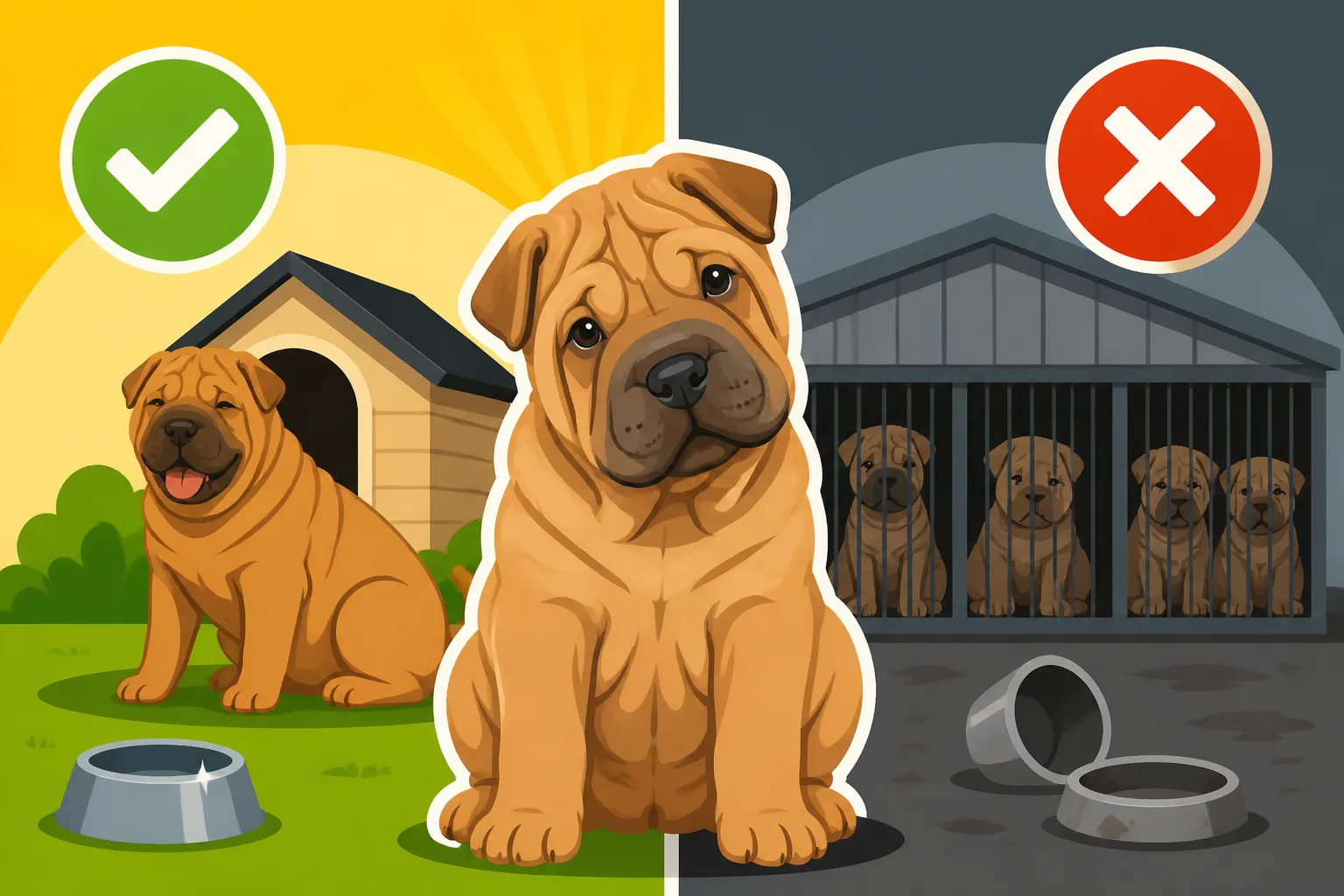
Whether a Cheap Shar Pei Came From a Volume Breeder
It’s a common scenario: you’ve fallen head over heels for the distinctive look of a Shar Pei, those soulful eyes, the charming wrinkles, and that unique swagger. Then you start looking at puppies and see a wide range of prices, some of which seem almost too good to be true. It's incredibly tempting to opt for the cheaper puppy, especially when faced with the often significant cost of a responsibly bred Shar Pei. This guide will walk you through why a low price tag on a Shar Pei puppy is almost always a huge red flag, often indicating it came from a volume breeder, and what devastating financial and emotional consequences that can lead to down the road.
The Lure of the Low-Priced Shar Pei Puppy
We’ve all been there, browsing online or visiting a pet store, and our eyes land on a picture of an adorable Shar Pei puppy that tugs at our heartstrings. But then the price tag flashes, and for many, it can be a moment of genuine shock. It's only natural to seek out a more "affordable" option, but with a breed as prone to specific health issues as the Shar Pei, that initial saving almost always becomes a massive liability.
Why "Bargain" Puppies Catch Our Eye
Let’s be honest, getting a puppy is an emotional decision wrapped in financial realities. The upfront cost of a well-bred Shar Pei can be intimidating. You see numbers that might be equivalent to a used car down payment, and suddenly that sweet wrinkled face comes with a hefty financial consideration. When you're dreaming of bringing home your new best friend, the desire to make that dream a reality quickly can override caution. Many families, understandably, operate on a budget and believe that a dog, regardless of breed, shouldn't cost an arm and a leg. This mindset, while common, can inadvertently lead prospective owners down a path of supporting irresponsible breeding practices.
The thought process often goes something like this: "A puppy is a puppy, right? They all need love and food, and if I can get one for less, that’s more money for toys and treats." It's a deeply empathetic perspective because nobody wants to feel priced out of pet ownership. However, for a breed like the Shar Pei, whose very defining physical characteristics are tied to specific health predispositions, a "bargain" often means you’re simply paying for problems in installments, sometimes very expensive ones.
The Immediate Red Flags of an "Affordable" Price Tag
When you see a Shar Pei puppy advertised for a price significantly lower than the breed standard, your internal alarm bells should be ringing, not because you’re being unfair, but because it almost certainly signals a compromise in quality, care, or genetic health. What exactly constitutes "too low"? While prices fluctuate based on region and breeder reputation, a Shar Pei puppy from health-tested parents and a responsible breeding program will generally command a certain price point. This cost reflects the extensive health clearances performed on both parents, the veterinary care for the mother during pregnancy and the puppies after birth, proper nutrition, early socialization efforts, and the breeder's ongoing support.
A breeder who charges a fraction of this typical range simply isn't investing in these crucial areas. They are cutting corners, and those corners often lead directly to future veterinary bills for you. This isn’t about status or pedigree papers alone; it’s about the fundamental health and well-being of the dog you are bringing into your home. A low price often means no health testing for inherited conditions, minimal if any vet checks for the puppies, subpar nutrition for the mother and her litter, and often, an environment that fosters fear and illness rather than confidence and health.
Understanding the Volume Breeder (or Puppy Mill) Model
The term "volume breeder" might sound innocuous, perhaps even efficient, but it's a euphemism for operations that prioritize profit above all else. These are not individuals passionate about improving the Shar Pei breed; they are businesses focused on churning out as many puppies as possible with minimal overhead, and the dogs themselves bear the brunt of this approach.
The Definition of a Volume Breeder
Imagine a factory assembly line, but instead of widgets, it’s living, breathing animals. That’s essentially the model of a volume breeder, often synonymous with a puppy mill. Their primary goal is quantity over quality. This means breeding dogs without proper health clearances, often regardless of genetic predispositions to serious ailments like Familial Shar Pei Fever or hip dysplasia. They rarely invest in the expensive health testing that responsible breeders consider non-negotiable for the future health of their lines.
The living conditions for these breeding dogs are often deplorable. They are typically housed in small, unsanitary kennels, with little to no exercise, socialization, or even basic affection. They are seen as breeding machines, not cherished family members. Puppies born in these environments suffer from a critical lack of early socialization. Instead of growing up in a stimulating home environment, exposed to various sights, sounds, and gentle human interaction, they are often confined, leading to underdeveloped temperaments, fearfulness, and potential aggression issues later in life. The focus is purely on getting puppies out the door as quickly as possible, often before they are even properly weaned or vaccinated.
How Volume Breeders Cut Costs
The cost savings that allow volume breeders to offer lower prices come directly at the expense of the animals. These aren't clever business strategies; they are neglectful practices that transfer the true cost of raising a healthy puppy onto the unsuspecting buyer.
One of the most significant ways they cut costs is by skipping essential health tests for the parent dogs. Responsible Shar Pei breeders will screen for conditions like hip and elbow dysplasia, patellar luxation, various eye conditions, thyroid issues, and genetic markers for conditions like Shar Pei Autoinflammatory Disease (SPAID) which causes Familial Shar Pei Fever. These tests are expensive, but they are vital in ensuring that inherited diseases aren't passed down to the next generation. A volume breeder simply won't bother. They might offer a "health guarantee" that is vague or impossible to enforce, usually requiring you to return the sick puppy – something few loving owners would ever consider.
Beyond genetic screening, volume breeders skimp on basic veterinary care for both breeding adults and their puppies. This means no regular check-ups, minimal vaccinations, and often, delayed or absent treatment for common ailments or injuries. Puppies might come home riddled with parasites, or harboring viruses like parvo, simply because the breeder refused to invest in deworming, proper sanitation, or timely vaccinations. They also cut corners on nutrition, feeding low-quality food that barely sustains the dogs, leading to poor development and weakened immune systems. Furthermore, proper socialization and enrichment, which are critical for a puppy's behavioral development, are completely neglected. The time and effort involved in exposing puppies to novel sights, sounds, textures, people, and other animals is an investment a volume breeder is unwilling to make. They might even sell puppies at an unnaturally young age, before they've had sufficient time with their mother and littermates to learn crucial canine social cues. This practice leaves puppies emotionally and behaviorally stunted, setting them up for a lifetime of fear and anxiety.
The Hidden Costs of a "Cheap" Shar Pei
That initial "saving" on a cheap Shar Pei puppy quickly evaporates, replaced by a cascade of veterinary bills that can dwarf the cost of a responsibly bred dog. This isn't just about money; it's about the emotional toll of watching your beloved pet suffer.
Immediate Health Concerns You'll Face
When you bring a cheap Shar Pei home, you often inherit a host of immediate health problems that require urgent and expensive veterinary intervention. These are not minor inconveniences; they are conditions that cause significant discomfort and can lead to permanent damage if not addressed quickly.
Perhaps the most common issue is entropion, where the eyelids roll inward, causing eyelashes and fur to rub against the cornea. This condition is not just irritating; it's incredibly painful and can lead to corneal ulcers, scarring, and even blindness. A Shar Pei puppy with this problem needs veterinary attention immediately. Often, temporary eye tacking is required to protect the eyes, which involves sutures placed to roll the eyelids out. This is usually a temporary fix until the puppy is old enough for permanent corrective surgery. You can learn more about What Eye Tacking Costs on a Shar Pei Puppy and What Entropion Does to a Shar Pei Puppy's Eye in our other articles. The necessity for this surgery, often in both eyes, can run into significant costs before your puppy is even a few months old.
Another prevalent issue in poorly bred Shar Pei is severe skin fold dermatitis. Those adorable wrinkles, when too exaggerated or left unhygienic, become breeding grounds for bacteria and yeast. This leads to painful, itchy, and often foul-smelling infections that require frequent medicated baths, topical treatments, and sometimes oral antibiotics. It’s an ongoing battle that can make your puppy miserable and your wallet considerably lighter. We’ve covered this in depth in Skin Fold Dermatitis on a Shar Pei.
Ear infections are almost a "subscription" with the Shar Pei breed due to their incredibly narrow ear canals, and this is made worse by breeders who don't prioritize clean ears or proper ventilation in their kennels. Expect frequent vet visits, ear cleanings, and prescription ear drops. Sometimes, repeated infections can even lead to more invasive procedures. Read more about why A Shar Pei Has the Narrowest Ear Canals of Any Breed. Furthermore, puppies from unsanitary conditions are often riddled with internal parasites like worms or giardia, leading to chronic diarrhea and failure to thrive. These require multiple rounds of specialized dewormers and diagnostics.
Long-Term Health Battles and Financial Drain
The immediate problems are just the tip of the iceberg. A cheap Shar Pei often comes with a higher risk of developing severe, chronic conditions that will plague them – and your bank account – for their entire lives.
Familial Shar Pei Fever (FSF), an auto-inflammatory disease unique to the breed, is a heartbreaking reality for many Shar Pei. This condition causes recurrent fevers, swelling of the hocks, and abdominal pain. More importantly, FSF can lead to amyloidosis, a fatal disease where an abnormal protein builds up in organs, most commonly the kidneys, leading to organ failure. This is what actually kills many Shar Pei prematurely. Volume breeders do not test for the genetic mutation linked to FSF, nor do they breed to reduce its prevalence. This means you are far more likely to end up with a dog prone to these life-threatening episodes. We delve into this complex issue further in articles like Familial Shar Pei Fever Is Not an Infection and Amyloidosis Is What Actually Kills a Shar Pei. Managing FSF and its potential progression to amyloidosis can involve daily medication like colchicine, regular bloodwork, and frequent emergency vet visits, all of which accrue substantial costs over time.
Beyond FSF, poorly bred Shar Pei are prone to a range of chronic health issues. Allergies and generalized chronic skin issues often become a lifelong battle, necessitating expensive prescription diets (brands like Chewy and Ollie offer a range of specialized foods that might be recommended by your vet), medicated shampoos, and potentially costly allergy testing and immunotherapy. The financial burden of managing a Shar Pei's skin can be enormous, as detailed in What a Shar Pei's Skin Costs a Year. Orthopedic problems like hip and elbow dysplasia, prevalent in many breeds but worsened by lack of genetic screening, can require pain management or even expensive surgeries as your dog ages.
Then there are the behavioral issues. A puppy deprived of proper socialization and positive early experiences in a volume breeding environment may grow into a fearful, anxious, or even aggressive adult. This can lead to destructive behaviors, difficulty with house-training, or reactivity towards other dogs and strangers. Addressing these issues often requires hiring professional dog trainers or veterinary behaviorists, adding another significant layer of expense and emotional stress.
Finally, consider pet insurance. While pet insurance, such as through Healthy Paws, is an invaluable tool for responsible pet owners to manage unexpected vet bills, it typically does not cover pre-existing conditions. If your cheap Shar Pei arrives with or quickly develops symptoms of entropion, skin issues, or FSF before your policy kicks in or during its waiting period, those conditions will likely be excluded from coverage. This means you're on the hook for every single bill. This makes getting a healthy puppy from a reputable breeder even more critical, as you can secure insurance early, before any potential issues arise, giving you peace of mind. While a Shar Pei's copy number can be tested to gauge risk, few volume breeders bother with such foresight, leaving you with an unknown genetic lottery.
The Ethical Considerations of Supporting Volume Breeders
Beyond the personal financial and emotional cost, choosing a cheap Shar Pei from a volume breeder carries a heavy ethical burden. It perpetuates a cycle of suffering for countless animals and undermines the dedicated efforts of those who strive to protect and improve the breed.
The Reality for Breeding Dogs in These Facilities
Imagine a life spent in a cage, never feeling grass beneath your paws, never experiencing the joy of a playful romp, or the comfort of a loving human touch. This is the grim reality for many breeding dogs in volume breeding operations. These dogs are treated as commodities, not companions. Their sole purpose is to produce litter after litter, often with insufficient recovery time between pregnancies. They are frequently denied proper nutrition, veterinary care, and mental stimulation.
Their existence is one of confinement, neglect, and exploitation. When their reproductive usefulness wanes, they are often unceremoniously discarded, either euthanized, sold off to unsuspecting buyers as "pets" with a host of untreated health issues, or simply abandoned. Supporting a volume breeder, even indirectly, means you are contributing financially to this horrific cycle of animal cruelty. The small saving you might see on a puppy's initial price tag is directly subsidized by the misery of its parents and the neglect of its littermates.
The Wider Impact on the Shar Pei Breed
The decisions individual buyers make have a ripple effect on the entire Shar Pei breed. When volume breeders flood the market with cheap, unhealthy puppies, it has several devastating consequences.
Firstly, it perpetuates and exacerbates the health problems already inherent in the breed. When breeders aren't testing for conditions like FSF, entropion, or hip dysplasia, these genetic predispositions are continually passed down, making the breed as a whole sicker and increasing the suffering of future generations. This genetic erosion undermines decades of hard work by responsible breeders who carefully select breeding pairs to produce healthier, more stable dogs.
Secondly, it places an immense strain on animal shelters and breed-specific rescues. Dogs from volume breeding operations often end up in these facilities because their new owners simply cannot cope with the escalating medical bills or the severe behavioral issues that arise from their poor start in life. These dogs require extensive and expensive rehabilitation, both medically and behaviorally, before they can even be considered for adoption. This is why Why Shar Pei Fill Rescues and What Adopting One Involves is such a critical topic. Rescues often become the unsung heroes, cleaning up the mess left by irresponsible breeders, but their resources are finite.
Lastly, it damages the reputation of the Shar Pei. When people repeatedly encounter Shar Pei with chronic illnesses or difficult temperaments, it unfairly paints the entire breed as "unhealthy" or "mean," discouraging responsible potential owners and making it harder for well-adjusted Shar Pei to find homes.
Finding a Responsible Shar Pei Breeder
It's clear that the allure of a cheap Shar Pei is a false economy, leading to heartache and significant financial strain. So, how do you find a Shar Pei that is truly a joy to own, both in health and temperament? The answer lies in seeking out a responsible breeder who prioritizes the welfare of their dogs above all else.
What a Responsible Breeder Does Differently
A responsible Shar Pei breeder operates with integrity, transparency, and a deep commitment to the health and future of the breed. They are not merely selling puppies; they are carefully cultivating healthy bloodlines and raising well-adjusted canine family members.
Firstly, health testing is non-negotiable for them. They will perform a comprehensive battery of health clearances on both parent dogs before breeding. This includes testing for hip and elbow dysplasia, patellar luxation, various eye conditions (like entropion and glaucoma), thyroid function, and genetic screening for conditions such as Shar Pei Autoinflammatory Disease (SPAID) and primary open-angle glaucoma. They will be eager to show you the results of these tests, often verified by organizations like the Orthopedic Foundation for Animals (OFA) or the Canine Eye Registration Foundation (CERF).
Secondly, a responsible breeder focuses heavily on temperament and early socialization. Their puppies are raised in a clean, stimulating home environment, not in isolated kennels. They are exposed to various household sights and sounds, handled gently by different people, and socialized with their littermates and other adult dogs (if applicable). This crucial early exposure helps the puppies develop into confident, well-adjusted adults, reducing the likelihood of future behavioral problems.
Thirdly, responsible breeders limit the number of litters they produce. They prioritize quality over quantity, breeding only when they believe it will improve the health, temperament, and conformity of the breed. They will also wait until their breeding dogs are physically and mentally mature before breeding them, and ensure adequate recovery time between litters.
Finally, they offer lifetime support and stand behind their puppies. They will have a comprehensive contract that outlines health guarantees, spay/neuter requirements, and crucially, a clause stating that if you can no longer care for your Shar Pei at any point in its life, it must be returned to them. This commitment ensures that no dog they breed ever ends up in a shelter. You can delve into the specifics of What a Shar Pei Breeder's Contract Should Cover. They will also provide you with extensive information on care, feeding, and training, and act as a lifelong mentor for any questions or concerns you might have.
What to Expect When Buying from a Reputable Source
When you connect with a responsible Shar Pei breeder, the experience will be vastly different from purchasing from a volume breeder. You should prepare for a thorough, sometimes lengthy, process.
First and foremost, expect a higher upfront cost for the puppy. This price reflects all the investments mentioned above – the health testing, superior veterinary care, quality nutrition, and dedicated early socialization. While it may seem steep initially, it is an investment in your dog’s health and well-being, which often translates into significantly lower veterinary bills over its lifetime. To understand the breakdown of this investment, check out What a Shar Pei Puppy Costs From a Health Testing Breeder.
You will likely encounter waitlists for puppies. Responsible breeders have limited litters and often have many interested families. This isn't a bad sign; it shows demand for healthy, well-bred dogs. Be wary of any breeder who always has puppies available immediately.
Expect to be screened thoroughly. A good breeder cares deeply about where their puppies go and will ask you detailed questions about your lifestyle, home environment, experience with dogs, and what you’re looking for in a companion. They want to ensure their puppies are placed in forever homes that are a good fit. They will also welcome your questions and encourage you to visit their facility (if local) to meet the parent dogs and see the puppies' living conditions. They will provide references from previous puppy buyers and their veterinarian.
You will receive detailed pedigrees and health clearances for both parents. This transparency is crucial. They will educate you about the breed's specific needs, potential health issues, and how to best care for your Shar Pei. You're not just buying a puppy; you're joining a community of support. This commitment to transparency and ongoing education is paramount for a breed like the Shar Pei, where proactive care and awareness of breed-specific conditions can make all the difference in a dog's quality of life.
Comparison: Cheap vs. Well-Bred Shar Pei
To illustrate the critical differences, let's look at a clear comparison between a "cheap" Shar Pei from a volume breeder and a well-bred Shar Pei from a responsible breeder.
| Feature | Cheap Shar Pei (Volume Breeder) | Well-Bred Shar Pei (Responsible Breeder) |
|---|---|---|
| Initial Cost | Significantly lower, often seems like a bargain | Higher upfront, reflects significant investment |
| Health Testing | Rarely performed, or superficial/unverified | Extensive genetic and physical health clearances on parents (OFA, CERF) |
| Parent Care | Minimal vet care, poor nutrition, confined conditions | Excellent vet care, high-quality food, well-socialized, cherished |
| Puppy Environment | Often unsanitary, confined, minimal human interaction | Clean, home environment, extensive early socialization |
| Veterinary History | Bare minimum vaccinations, likely parasites, often sickly | Age-appropriate vaccinations, dewormed, vet-checked, healthy start |
| Health Guarantee | Vague, short-term, often unenforceable | Comprehensive, long-term, backed by a take-back contract |
| Temperament | Higher risk of fear, anxiety, reactivity, or aggression | Confident, stable, well-socialized, adaptable |
| Breeder Support | Little to none after sale | Lifelong mentorship and support |
| Long-Term Costs | Very high, due to chronic health issues and behavioral problems | Lower, due to proactive health screening and good foundation |
| Pet Insurance | High risk of pre-existing conditions being excluded | Can be insured early, better coverage potential |
Conclusion
The temptation to buy a "cheap" Shar Pei puppy is completely understandable, especially when initial costs can seem daunting. However, as we've explored, that lower upfront price is almost always a bait-and-switch for astronomical veterinary bills, behavioral challenges, and immense emotional distress throughout your dog's life. It's a false economy that ultimately costs more in every conceivable way.
Choosing a Shar Pei from a volume breeder not only sets you up for potential heartbreak and financial burden but also contributes to the cruel cycle of animal exploitation and harms the breed as a whole. Instead, investing in a responsibly bred Shar Pei is an investment in a healthy, well-adjusted companion who will bring you years of joy rather than a lifetime of worry. Prioritize health, temperament, and ethical breeding practices over a bargain price, and you will find that the true value of your Shar Pei is immeasurable.
Disclaimer
This article is for general informational purposes only and does not constitute professional advice. Laws, prices and regulations vary by location and change over time. Consult a qualified professional for guidance on your specific situation.


