Meat Mouth and Bone Mouth Are Two Different Shar Pei
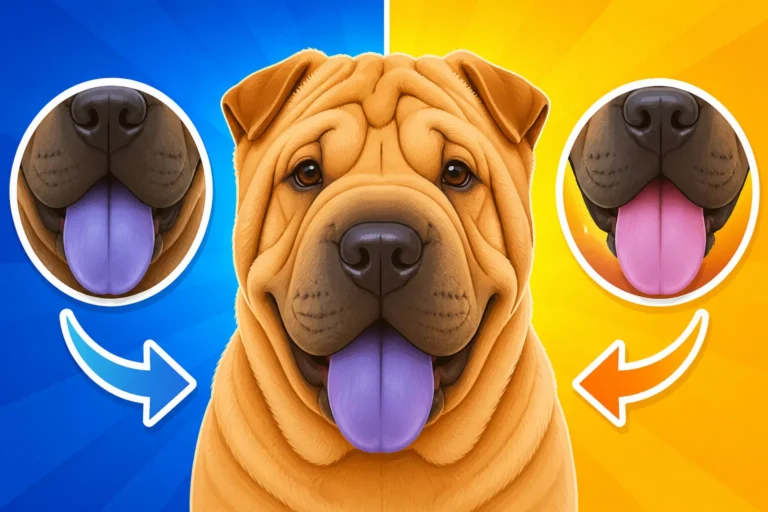
When you first start looking into Shar Pei, it's easy to feel a bit lost in all the terminology. Beyond the familiar image of a deeply wrinkled dog, you might stumble upon terms like "Meat Mouth" and "Bone Mouth," and suddenly, the picture gets a lot foggier. Many potential owners or even long-time enthusiasts wonder if these are just nicknames, or if they truly represent fundamentally different types of the breed. This guide is here to untangle that confusion, offering a deep dive into the historical origins, physical distinctions, and the overall implications of both the traditional Bone Mouth and the more contemporary Meat Mouth Shar Pei.
Understanding the Traditional "Bone Mouth" Shar Pei
Before the Shar Pei became a well-known, albeit unique, breed across the globe, it existed in a much more utilitarian form, particularly in the rural areas of southern China. This original version, known today as the "Bone Mouth" Shar Pei, was a dog bred for a purpose, and its physical attributes directly reflected those roles. It's a fascinating journey back in time to understand where our beloved wrinkled companions truly began.
The Historical Context of the Bone Mouth
Imagine ancient Chinese farmsteads and fishing villages, where a sturdy, alert, and capable dog was essential for daily life. The Bone Mouth Shar Pei was exactly that dog. Its history isn't one of pampered show dogs, but of working animals that earned their keep. They were used for hunting wild boar, guarding property against intruders both human and animal, and even herding livestock. Their very existence was intertwined with the survival and prosperity of the families they lived with. This lineage gave them a natural independence and a strong protective instinct, traits that still echo in the breed today. They weren't bred for excessive wrinkles or an exaggerated appearance, but for functionality and robustness. The few wrinkles they possessed were practical, designed to offer some protection during scuffles, rather than being an aesthetic focal point. Their role was clear: to be a diligent companion and an effective guardian.
Physical Characteristics of the Bone Mouth
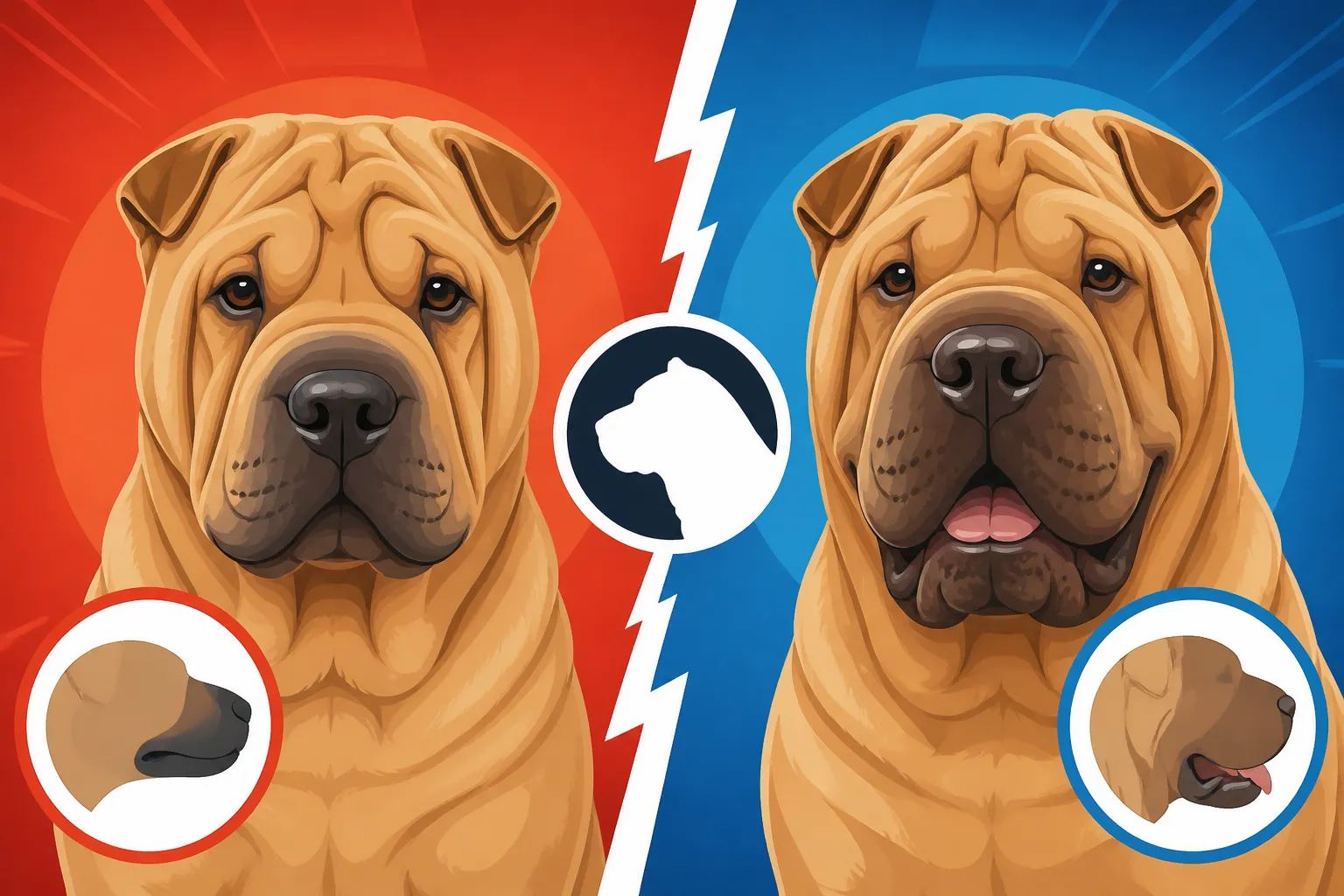
When people talk about the "original" Shar Pei, they're generally referring to the Bone Mouth type. These dogs possess a leaner, more athletic build than many of the Shar Pei seen in Western show rings today. Their most defining feature, and the origin of their name, is their muzzle. The Bone Mouth has a much less padded, flatter muzzle, allowing for a cleaner, more defined jawline, giving the appearance of bone structure. Their head is typically smaller in proportion to their body, and the wrinkles are far less pronounced. You'd expect to see some wrinkles on the forehead and perhaps a few around the neck, but certainly not the abundant, loose skin covering the entire body that is now often associated with the breed. The coat is often a "horse coat," short and prickly, which also harks back to their working heritage, offering a degree of protection without hindering movement. Their tails tend to be set higher and curl tightly over their backs, a characteristic still highly valued. Overall, the Bone Mouth presents a picture of efficiency and hardiness.
Temperament and Purpose of the Original Bone Mouth
The temperament of the Bone Mouth Shar Pei was as unexaggerated as its appearance. These were dogs of serious disposition, bred for vigilance and loyalty to their immediate family. They were courageous and tenacious, traits necessary for their roles as hunters and guardians. While deeply devoted to their chosen people, they were, and still are, notoriously aloof with strangers. This isn't shyness; it's a deep-seated distrust that makes them excellent watchdogs. Their independence meant they weren't eager to please in the same way a Labrador might be, often requiring a patient and consistent hand in training. The original purpose demanded a dog that could think for itself and act decisively, not one that constantly looked to its owner for direction. This ingrained protective instinct meant that A Shar Pei Was Bred to Guard, Not to Greet, a crucial distinction for anyone considering the breed. They thrive on clear boundaries and a strong, confident leader, preferring a quiet household where they can observe and protect, rather than a bustling, chaotic environment.
The Emergence of the "Meat Mouth" Shar Pei
The journey of the Shar Pei from rural China to global recognition is a dramatic one, marked by near extinction and a subsequent surge in popularity. This period of intense interest and breeding activity fundamentally altered the breed's appearance, leading to the development of what is now commonly known as the "Meat Mouth" Shar Pei. It's a story of survival, adaptation, and perhaps, unintended consequences.
How the Meat Mouth Developed
The Shar Pei faced a perilous future in the mid-20th century. Political and economic changes in China led to widespread culling of dogs, pushing the breed to the brink of extinction. Sixty Shar Pei Were Left in 1978, a staggering number that underscores the severity of their plight. It was a desperate plea from a Hong Kong breeder, Matgo Law, to a Western dog magazine that sparked international interest and ultimately saved the breed from vanishing entirely. One Letter to a Dog Magazine Saved the Shar Pei, and suddenly, the breed became an exotic sensation. As these few remaining Shar Pei were brought to the West, particularly the United States, their unique wrinkled appearance captured imaginations. Breeders, perhaps aiming to distinguish the breed further or simply responding to popular demand, began to selectively breed for more pronounced features, especially an abundance of loose skin and a fuller muzzle. This intensified selection for aesthetic traits, rather than the original utilitarian ones, inadvertently led to the creation of the "Meat Mouth" type we often see today. It was a period of rapid development, driven by rarity and novelty, which reshaped the breed's physical form.
Distinguishing Features of the Meat Mouth
The name "Meat Mouth" perfectly describes the most prominent characteristic of this type: a much fuller, often heavily padded muzzle that gives the face a distinct, almost hippopotamus-like appearance. Unlike the lean, defined jawline of the Bone Mouth, the Meat Mouth has a softer, fleshier profile. Accompanying this fuller muzzle is an abundance of wrinkles, not just on the head and neck, but often extending down the entire body. These deep folds of skin are a hallmark of the modern Shar Pei. The head tends to be larger and broader, creating a more "teddy bear" or "puppy-like" look, even in adulthood. While adorable, these exaggerated features come with their own set of considerations. Their bodies are generally heavier-boned and more substantial than their Bone Mouth ancestors, creating a more compact and less agile silhouette. The coats can vary, but even Brush Coat Shar Pei (which have a slightly longer, softer coat than the Horse Coat) often exhibit the more pronounced wrinkling. These visual differences are striking and represent a significant divergence from the breed's original form.
The Influence of the Breed Standard
When the Shar Pei was introduced to Western kennel clubs, standards needed to be established to define the ideal appearance for show purposes. Many of these standards, while often attempting to balance the original working dog traits with the now-popular aesthetic, leaned towards appreciating the distinct, heavily wrinkled look. The "Meat Mouth" features, particularly the full muzzle and abundant skin, became desirable traits within the show ring. This isn't to say that all kennel clubs endorse extreme exaggeration, but the general trend in Western breeding for decades prioritized the unique look over the original functionality. For instance, the AKC standard describes a "medium size" dog with a "loose skin covering the head and body, which when mature, becomes less prominent on the body." However, the interpretation often favored a more wrinkled look, especially on the head. This focus in the show ring often dictated breeding choices, as breeders aimed to produce dogs that would be successful competitors. Whether Western Breeders Made the Shar Pei Wrinklier is a question with a complex answer, but the market demand and show ring success undoubtedly played a significant role in shaping the modern Shar Pei's appearance.
Key Differences Between Bone Mouth and Meat Mouth
While both are undoubtedly Shar Pei, the Bone Mouth and Meat Mouth types represent two distinct evolutionary paths within the breed. Understanding these differences goes beyond mere aesthetics; it delves into historical purpose, physical challenges, and even potential health predispositions. It's not about which is "better," but about appreciating the diversity and the journey of this remarkable breed.
Muzzle and Head Structure
The most obvious and defining difference, as their names suggest, lies in their head and muzzle structure. The Bone Mouth Shar Pei exhibits a cleaner, more refined head. Their muzzle is comparatively slender and flatter, giving a clear definition to the skull and jawline. Think of a more angular, alert profile. The skin on their face is relatively taut, with wrinkles typically confined to the forehead and a few folds around the neck. This less exaggerated facial structure means their eyes are generally more open and less obscured by skin folds. This isn't just cosmetic; it allows for better peripheral vision and reduces the likelihood of certain eye issues.
In contrast, the Meat Mouth Shar Pei is characterized by a significantly broader, more padded muzzle that can appear quite fleshy and full, almost balloon-like. Their head is often larger and rounder, and the skin on their face is copious, creating deep, rolling wrinkles, especially around the muzzle, brow, and jowls. These abundant folds can sometimes give the impression of perpetually narrowed eyes or even partially obscure their vision. The overall effect is a softer, more rounded facial expression, sometimes described as "smushy" or "cobby." This distinction in head type is central to differentiating the two.
Body Type and Wrinkling
Beyond the head, the differences extend to the entire body. The Bone Mouth Shar Pei tends to have a more athletic and lithe build. They are typically lighter in bone structure, with a more streamlined and less compact body. Their overall wrinkling is minimal; while puppies might have more pronounced folds, an adult Bone Mouth will generally have a smoother coat across its body, with wrinkles primarily concentrated on the head and neck. This physical structure reflects their historical role as agile working dogs, capable of moving quickly and with endurance. They embody the original Shar Pei form, built for function rather than extreme aesthetics.
The Meat Mouth Shar Pei, on the other hand, often presents a more substantial and stocky physique. They tend to be heavier-boned and more densely built, giving them a more robust and less athletic appearance. The most striking feature, of course, is the sheer volume of loose skin and wrinkles that can cover their entire body, from their neck and shoulders down their back and legs. While the breed standard may suggest that adult Shar Pei should have fewer body wrinkles, the Meat Mouth type often retains a significant amount of loose skin throughout their lives. How Many Wrinkles an Adult Shar Pei Should Have is a point of contention and variation between interpretations of the standard, but the Meat Mouth consistently pushes the boundaries of this trait. This abundance of skin, while contributing to their unique and beloved look, also brings specific care challenges.
Health Implications of Each Type
It's important to approach the health aspects with a realistic understanding. The breed as a whole, regardless of specific type, faces certain genetic predispositions due to its extremely narrow gene pool after its near extinction. What Being Saved Did to the Shar Pei's Health is a complex issue. However, the exaggerated features of the Meat Mouth type can certainly exacerbate certain conditions.
Bone Mouth Shar Pei are generally considered to be closer to the original, healthier working dogs. While they are still Shar Pei and can be prone to conditions like Familial Shar Pei Fever and amyloidosis, their less exaggerated features often mean a lower incidence or severity of issues directly related to excessive skin. For example, their more open eye structure naturally reduces the risk of entropion (inward-rolling eyelids) which can cause corneal damage. Their fewer skin folds mean less surface area for skin fold dermatitis and yeast infections to take hold, provided proper care is still given. Their more athletic build can also lend itself to better joint health, though hip and elbow dysplasia can still occur in any dog.
The Meat Mouth Shar Pei, with its profound wrinkles and padded muzzle, faces heightened risks for several health problems directly linked to these features.
- Skin Fold Dermatitis: The deep, moist folds provide an ideal breeding ground for bacteria and yeast. Infections can become chronic and challenging to manage, often requiring diligent cleaning, medicated wipes, and sometimes systemic medications. Skin Fold Dermatitis on a Shar Pei is a constant battle for many owners.
- Entropion: The heavy facial wrinkles can cause the eyelids to roll inward, leading to eyelashes rubbing against the cornea. This is incredibly painful and, if left untreated, can lead to corneal ulcers, scarring, and even blindness. What Entropion Does to a Shar Pei Puppy's Eye is a serious concern that often requires surgical correction.
- Respiratory Issues: While not as severely brachycephalic as some other breeds, the very full, padded muzzle of the Meat Mouth can sometimes contribute to restricted airways, especially in hot or humid weather. They may be more prone to snoring or struggling with strenuous exercise.
- Ear Problems: While A Shar Pei Has the Narrowest Ear Canals of Any Breed regardless of type, the additional skin folds around the ear opening in a Meat Mouth can sometimes trap more moisture and debris, potentially increasing the frequency of ear infections.
Whether a Bone Mouth Shar Pei Is Healthier is a common question, and while generally they may suffer less from exaggeration-related issues, they are not immune to the breed's broader genetic health concerns. Responsible breeding, focused on health testing and temperament, is paramount for both types.
| Feature | Bone Mouth Shar Pei | Meat Mouth Shar Pei |
|---|---|---|
| Muzzle | Leaner, flatter, more defined jawline | Broader, heavily padded, fleshy, "hippopotamus-like" |
| Head Size | Smaller in proportion to body | Larger, rounder |
| Wrinkles (Face) | Minimal, primarily forehead and neck | Abundant, deep folds around muzzle, brow, jowls |
| Wrinkles (Body) | Minimal to none, smooth adult coat | Abundant, loose skin often covers entire body |
| Body Build | Leaner, athletic, lighter-boned | Stockier, heavier-boned, more compact |
| Eye Structure | More open, less obscured | Often partially obscured by folds, "squinty" look |
| General Health | Generally lower risk of skin/eye issues related to folds | Higher risk of skin fold dermatitis, entropion, potential minor respiratory issues |
| Historical Role | Working dog (hunter, guardian, herder) | Modern show/companion dog |
The Impact of Breed Standards and Popularity
The story of the Shar Pei, and the divergence into Bone Mouth and Meat Mouth types, cannot be told without acknowledging the powerful influence of breed standards and popular opinion. These forces, often working hand-in-hand, have shaped the very definition of what a Shar Pei should look like, impacting breeding decisions for generations.
The AKC and Other Kennel Club Standards
When a breed gains recognition from major kennel clubs like the American Kennel Club (AKC) or the Kennel Club in the UK, a breed standard is created. This document describes the ideal physical characteristics, temperament, and movement of the breed. For the Shar Pei, these standards were developed after the breed's introduction to the West, a period during which the more heavily wrinkled "Meat Mouth" type was gaining significant traction.
While most standards aim to promote health and functionality, the aesthetic appeal of the deeply wrinkled Shar Pei proved incredibly powerful. The AKC standard, for example, calls for "moderate wrinkles" on the adult body, with more prominent folds on the head. However, the interpretation of "moderate" can be subjective and has often leaned towards a more wrinkled appearance, particularly in the competitive show ring. This isn't necessarily a fault of the standard itself, but rather how it has been interpreted and prioritized by breeders and judges. Many purists and those who appreciate the original working qualities of the breed believe that Whether the Shar Pei Standard Should Change is a vital discussion, advocating for a standard that rewards a less exaggerated form to promote better health and functionality. The ideal often presented in show catalogues typically reflects the Meat Mouth type, reinforcing its dominance within the established kennel club world.
The Role of Media and Show Rings
The visual impact of the Shar Pei, especially the more heavily wrinkled Meat Mouth, cannot be overstated. From the moment the breed gained international attention, its unique appearance made it an instant celebrity. Photographs in magazines, appearances in advertising, and later, viral internet images, almost exclusively featured the type with the most dramatic folds and the fullest muzzle. This constant exposure created a strong public perception of what a Shar Pei should look like.
The show ring further cemented this ideal. Judges, adhering to interpretations of the breed standard, often awarded placements to dogs exhibiting pronounced wrinkles and the characteristic padded muzzle. This created a cycle: successful show dogs were highly sought after for breeding, further propagating the Meat Mouth traits. Breeders, naturally wanting to produce champions, focused on these features. While beauty is in the eye of the beholder, and there's no denying the charm of a well-presented Meat Mouth Shar Pei, this focus on aesthetic exaggeration sometimes inadvertently overlooked the functional and health implications that accompany extreme wrinkles and a heavily padded face. The demand for the "cute" wrinkled puppy often overshadowed the original purpose and health of the more traditional Bone Mouth.
Breeder Choices and Preservation Efforts
The choices made by breeders are at the heart of the Bone Mouth and Meat Mouth distinction. Early Western breeders, working with a very limited gene pool, made decisions that prioritized the distinctive look. While many breeders are incredibly responsible and dedicated to the health of their lines, the commercial boom of the Shar Pei in the late 20th century also led to less scrupulous breeding practices where health was secondary to producing puppies quickly, often with exaggerated features to meet market demand. Whether Puppy Mills Followed the Shar Pei Boom is a sad but real question for many breeds that experience a surge in popularity.
Today, there are dedicated efforts by some breeders and enthusiasts to preserve the original Bone Mouth type. These individuals often focus on breeding dogs with fewer wrinkles, leaner builds, and the characteristic flatter muzzle, aiming to restore the functional form and reduce the incidence of conformation-related health issues. They prioritize health testing, temperament, and adherence to the breed's historical roots. These "preservation breeders" often operate outside the mainstream show circuits, focusing on what they consider to be the truer essence of the Shar Pei. They understand that while the visual appeal of the Meat Mouth is strong, a return to the Bone Mouth's more moderate traits could lead to a healthier future for the breed as a whole. They are passionate about the future of the breed, carefully selecting their breeding pairs, and often have waiting lists for their puppies, reflecting a commitment to quality over quantity.
What This Means for Prospective Shar Pei Owners
Deciding to welcome a Shar Pei into your life is a wonderful commitment, but it's one that comes with a unique set of considerations. Understanding the difference between Bone Mouth and Meat Mouth types is more than just academic; it has tangible implications for the dog's health, care, and even your financial planning. As a prospective owner, being informed is your best defense against potential heartache and unexpected expenses.
Identifying Different Types When Choosing a Puppy
When you start looking for a Shar Pei puppy, you'll quickly notice a spectrum of appearances. Some puppies will have an abundance of loose skin that seems to dwarf them, particularly around their head and neck, with a very full, rounded muzzle. These are typically the "Meat Mouth" puppies, and they are often highly sought after for their undeniably adorable, plush toy-like appearance. Their wrinkles often look like they're wearing pajamas several sizes too big, a look that many find irresistible.
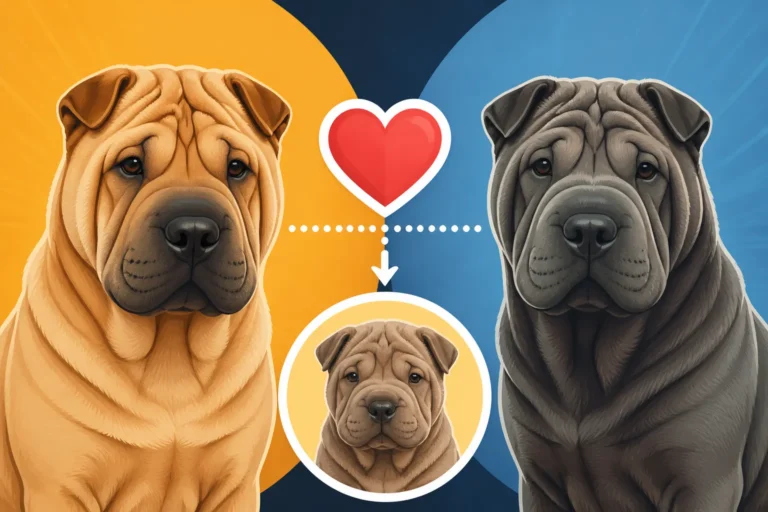
Other puppies might present a more streamlined look, even as youngsters. They'll have a less padded muzzle, a more defined jawline, and wrinkles that are primarily concentrated on their head, perhaps with some loose skin around the neck. This is indicative of the "Bone Mouth" type. These puppies often appear more alert and less "squishy." It's important to remember that all Shar Pei puppies are born with more wrinkles than they will have as adults, but the degree of wrinkling will differ significantly between the two types. A Meat Mouth puppy will be much more heavily wrinkled than a Bone Mouth puppy at the same age. Pay close attention to the parents if possible, as their features will be a strong indicator of what the puppies will grow into. A responsible breeder will be transparent about the type of Shar Pei they breed and will be able to show you the lineage and characteristics of both parents. Don't be afraid to ask questions about the parents' health history and conformation.
Potential Health Considerations for Each Type
Understanding the health implications related to each type is paramount. While both Bone Mouth and Meat Mouth Shar Pei are susceptible to breed-specific conditions like Familial Shar Pei Fever Is Not an Infection and the serious complications of amyloidosis, the exaggerated features of the Meat Mouth type can add another layer of health challenges.
For Meat Mouth Shar Pei, you should be prepared for potential issues related to their abundant skin and facial structure:
- Eye Issues (Entropion): The heavy facial folds can cause the eyelids to roll inward, leading to irritation and damage to the cornea. This often requires corrective surgery, sometimes multiple procedures throughout their life. What Eye Tacking Involves for a Shar Pei is a common procedure for puppies of this type.
- Skin Fold Dermatitis: The deep, moist folds on their body and face are prone to bacterial and yeast infections. This requires diligent cleaning and often medicated treatments. This isn't just a minor irritation; it can be incredibly uncomfortable for the dog and a persistent, costly issue for the owner.
- Breathing Concerns: While not as severe as some brachycephalic breeds, the extra padding in the muzzle can sometimes lead to slightly more restricted breathing, especially in hot weather or during strenuous exercise.
For Bone Mouth Shar Pei, these skin and eye-related issues are typically less prevalent or less severe due to their more moderate conformation. However, they are still Shar Pei, and other breed-specific health concerns, such as Shar Pei Fever and its potential progression to Amyloidosis Is What Actually Kills a Shar Pei, remain a risk. Regardless of the type, research reputable breeders who perform comprehensive health testing, including OFA clearances for hips and elbows, thyroid panels, and eye certifications. A good breeder will be open about the health history of their lines and provide documentation. Remember that Whether a Shar Pei That Never Fevers Is Safe is a common but complex question, as even those without obvious fevers can still carry the genetic predisposition.
Finding Reputable Breeders Focused on Health
Finding a reputable breeder is crucial, regardless of whether you're leaning towards a Bone Mouth or Meat Mouth. For Shar Pei, this search is even more critical due to the breed's specific health challenges. A responsible breeder prioritizes the health and temperament of their dogs above all else, not just the aesthetic appeal. They should be able to discuss the health history of their breeding stock, including any incidence of Familial Shar Pei Fever, amyloidosis, or eye and skin problems in their lines.
Look for breeders who:
- Conduct Health Testing: They should provide proof of health clearances for their breeding dogs, including OFA certifications for hips and elbows, eye exams (CERF or OFA Eye Certification), and thyroid testing. Some may also test for genetic markers related to Familial Shar Pei Fever, if available.
- Are Transparent: They should be willing to answer all your questions, show you where the puppies are raised, and introduce you to the dam (and potentially the sire). They should also be transparent about the pros and cons of the breed, including potential health issues and the financial commitment. What a Shar Pei Puppy Costs and Which Breeders to Avoid is a really important article to read, as price often correlates with the quality of breeding and health care.
- Prioritize Temperament: Good breeders focus on producing well-socialized, stable puppies. They should be able to tell you about the parents' temperaments and how the puppies are socialized from a young age.
- Offer a Health Guarantee: A reputable breeder will often provide a written health guarantee against specific genetic conditions.
- Are Lifelong Resources: They should be available to offer advice and support throughout your dog's life and insist that the dog be returned to them if you can no longer care for it.
Don't be swayed solely by a puppy's cute wrinkles. While undeniably charming, it's the health and welfare behind those wrinkles that truly matter. Be prepared for a wait, as responsible breeders often have limited litters and long waiting lists. This wait is a small price to pay for a healthy, well-adjusted companion. Whether you choose a Bone Mouth or a Meat Mouth, your primary concern should always be the health and well-being of your new family member.
Living with a Shar Pei: Care Considerations Regardless of Type
Bringing a Shar Pei into your home, whether a traditional Bone Mouth or a more modern Meat Mouth, means committing to a specific set of care routines that are unique to this incredible breed. Their distinctive features, especially their skin and ears, demand particular attention. Neglecting these areas can quickly lead to discomfort for your dog and significant veterinary bills for you. It's not just about managing potential issues; it's about proactive, consistent care that becomes a part of your daily rhythm.
Essential Grooming for Skin and Folds
The Shar Pei's defining feature, its skin, is also its most vulnerable. Every fold, especially in the more wrinkled Meat Mouth type, is a potential breeding ground for bacteria and yeast. This means regular, diligent cleaning is non-negotiable.
- Fold Cleaning: For heavily wrinkled Shar Pei, daily spot cleaning of visible folds, particularly those around the face, neck, and tail, is often necessary. Use a soft cloth or cotton ball dampened with a gentle, veterinarian-approved skin cleanser, or even just warm water. After cleaning, it is absolutely critical to dry the folds thoroughly. Moisture trapped in these areas creates the perfect warm, dark environment for infections like skin fold dermatitis. Unscented baby wipes can be used carefully, but always follow up with a dry cloth. For less wrinkled Bone Mouth Shar Pei, fold cleaning might be less frequent but still necessary, especially in the tail fold or under the chin.
- Bathing: How often you bathe your Shar Pei depends on their individual skin needs. Some may require weekly medicated baths to manage skin conditions, while others with healthier skin might only need a bath every few weeks or months. Always use a shampoo specifically formulated for dogs, ideally one recommended by your vet, especially if your dog has sensitive skin. Thorough rinsing is essential to remove all shampoo residue, as this can irritate the skin.
- Drying: This cannot be stressed enough: completely drying your Shar Pei after a bath or even after playing in the rain is crucial. Use absorbent towels, and for longer coats, a low-heat blow dryer can be helpful. Pay extra attention to drying deep within the folds. Drying Is More Important Than Washing on a Shar Pei because dampness is the enemy of healthy Shar Pei skin.
- Brushing: Even with their short coats, Shar Pei do shed. Regular brushing, 2-3 times a week, helps remove loose hair and stimulates the skin. A rubber curry brush or a shedding blade works well. For a Horse Coat Shar Pei, their short, stiff hairs can be quite irritating to human skin, so brushing outdoors can be beneficial. How Often a Shar Pei Needs Brushing really depends on the individual dog and its shedding cycle.
Nutritional Needs and Dietary Management
Nutrition plays a significant role in a Shar Pei's overall health, particularly for their skin and managing inflammatory conditions. Given their predisposition to sensitivities and allergies, careful dietary management is often required.
- High-Quality Diet: Regardless of type, feed a high-quality, balanced dog food. Look for foods with clearly named meat as the first ingredient. Avoid foods with excessive fillers, artificial colors, or by-products.
- Allergies and Sensitivities: Many Shar Pei can develop food allergies, which often manifest as skin issues (itching, redness, infections) or gastrointestinal upset. Common culprits include chicken, beef, dairy, wheat, and soy. If you suspect allergies, your vet might recommend an elimination diet or a limited ingredient diet. Brands like Chewy often carry a wide selection of specialized diets, including hydrolyzed protein or novel protein options, which can be invaluable in managing food sensitivities.
- Monitoring Weight: Shar Pei are prone to weight gain, and extra weight can exacerbate joint problems and even deepen skin folds, making them more prone to infection. Monitor your dog's caloric intake and ensure they get adequate exercise. You should be able to feel their ribs without pressing hard.
- Hydration: Always ensure your Shar Pei has access to fresh, clean water. Good hydration supports overall health, including skin and kidney function.
For Shar Pei with known sensitivities or those prone to skin issues, Feeding a Shar Pei That Reacts to Its Food becomes a crucial part of their daily care routine. Working closely with your veterinarian or a veterinary nutritionist is highly recommended to find the best dietary approach for your individual dog.
Training and Socialization Approaches
Shar Pei are intelligent, independent, and notoriously stubborn, regardless of their specific type. Their strong guarding instincts and often aloof nature mean that early and consistent training and socialization are non-negotiable for a well-adjusted companion.
- Early Socialization: This is perhaps the most critical aspect of raising a Shar Pei puppy. Between 8 and 16 weeks of age, expose your puppy to a wide variety of sights, sounds, people, and appropriate dogs. Positive experiences during this window are vital. Enroll in puppy classes, take them to safe, supervised environments, and have different people gently interact with them. An undersocialized Shar Pei can become fearful or reactive, leading to aggression. Socialize a Shar Pei Before Twelve Weeks or Pay for It Later is not an exaggeration; it's a fundamental truth for this breed.
- Positive Reinforcement Training: Shar Pei do not respond well to harsh methods or punishment. They will often dig in their heels and become more stubborn or even fearful. Positive reinforcement, using high-value treats and praise, is the most effective approach. Keep training sessions short, fun, and varied to maintain their interest. Consistency is key; everyone in the household needs to use the same commands and expectations.
- Leash Training: Shar Pei can be strong-willed on walks. Early leash training is important to prevent pulling. A front-clip harness can be very effective for control without putting pressure on their throat. Given their narrow peripheral vision, they can be easily startled, so predictable walks are often preferred.
- Containment and Supervision: Shar Pei are intelligent problem-solvers and can be escape artists. A secure, tall fence is essential. Due to their protective nature and sometimes dog-aggressive tendencies, they should always be supervised around other dogs and children, especially those outside their immediate family unit. Their wrinkled faces can make it difficult to read their expressions, so vigilance is important.
- Understanding Their Temperament: Remember that a Shar Pei was bred to be a guardian, and while they form deep bonds with their families, they are often reserved with strangers. Don't force interactions. Respect their independence and their need for personal space. Building trust takes time and consistency. For a breed that was once The Household a Shar Pei Was Built For, understanding their inherent traits means embracing their unique personality and working with it, rather than against it.
Living with a Shar Pei is a truly rewarding experience, but it requires dedication, patience, and a deep understanding of their unique needs. By committing to proactive care, consistent training, and recognizing their inherent breed traits, you can ensure a happy, healthy life for your wrinkly companion, regardless of whether they are a Bone Mouth or a Meat Mouth.
Disclaimer
This article is for general informational purposes only and does not constitute professional advice. Laws, prices and regulations vary by location and change over time. Consult a qualified professional for guidance on your specific situation.