Whether a Shar Pei’s Ears Should Be Tiny
A Shar Pei’s ears can look unusually small beside its broad head, and that can leave owners wondering whether they are normal or a warning sign. In most cases, small, triangular ears are a characteristic breed feature. This guide explains the typical ear shape, how to tell normal proportions from a health concern, and when an ear deserves a closer veterinary look.
What Shar Pei ears are supposed to look like
Small ears are part of the breed’s appearance
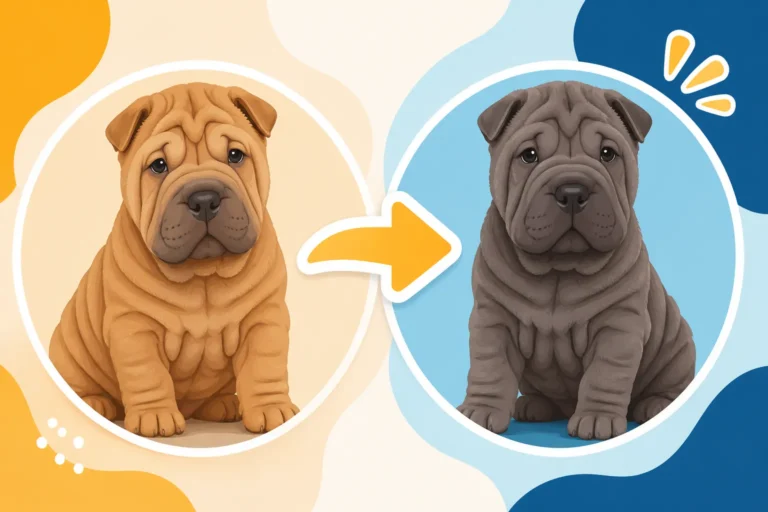
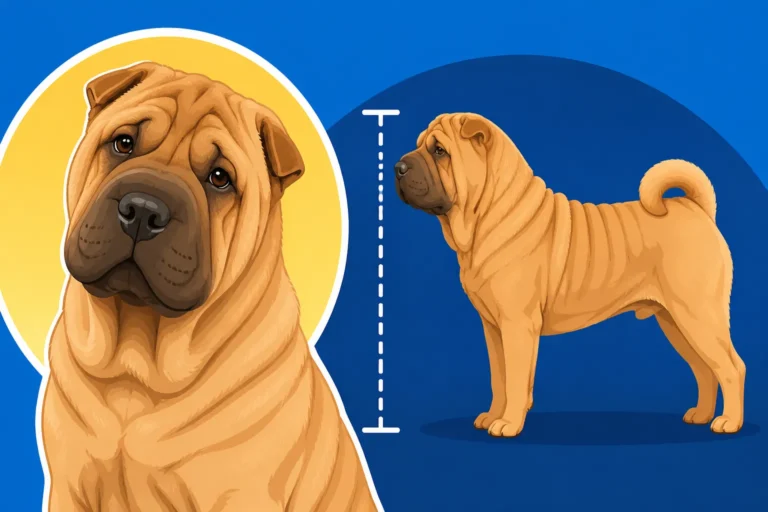
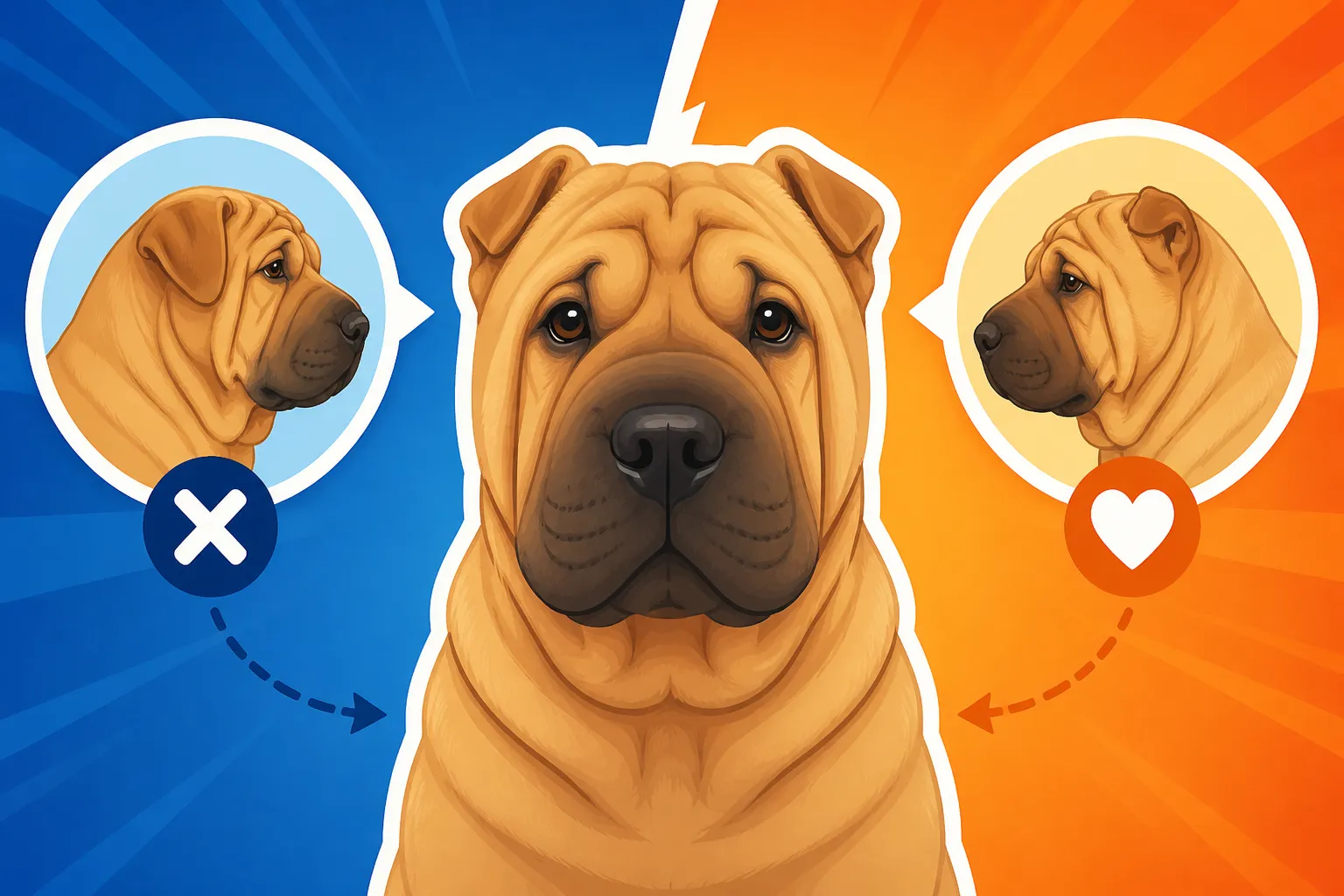
A Shar Pei is generally expected to have small, thick, triangular ears with softly rounded tips. They sit high on the head and lie close to it, with the tips angled toward the eyes. The result can look almost too tiny for the dog’s wide, wrinkled skull, especially when you are used to breeds with upright, open ears.
There is no simple measurement that determines whether an individual Shar Pei’s ears are “tiny enough.” Breed descriptions focus on their overall shape, set, and proportion rather than a specific length or width. A puppy’s ears may also appear especially small as its head and body develop, and photographs can make the difference seem more dramatic depending on the dog’s angle and the amount of facial skin.
Small ears alone are not usually a health problem. If your dog’s ears have been that way since puppyhood, look similar on both sides, and are not painful or inflamed, their size may simply be part of its natural build. It is still sensible to ask your veterinarian to look at them during routine examinations, since the visible ear flap does not tell the whole story about the canal underneath.
For more on the breed’s facial features and the shape described in its standard, see Whether a Shar Pei's Ears Should Be Tiny. The practical point is that a small ear flap can be normal, but changes in comfort, smell, or discharge are more useful health clues than appearance alone.
Tiny does not mean folded shut or damaged
A typical Shar Pei ear lies close to the head, but it should not look newly swollen, tightly stuck down, or dramatically different from its usual position. One ear that suddenly droops while the other remains unchanged may indicate pain or irritation. A dog that repeatedly shakes its head, scratches one side, or flinches when the ear is touched also deserves attention, regardless of how small its ears have always been.
Look at the whole picture rather than judging ear size in isolation. Healthy-looking ears are not necessarily perfectly pale or completely free of wax; some natural wax is normal. More concerning signs include redness, wet or dark discharge, a strong unpleasant odor, tenderness, crusting, or repeated rubbing against furniture or the floor. Avoid pulling the ear open to get a better look if your dog resists or seems sore.
The narrow opening and close-fitting shape can make inspection harder for owners. That is one reason Shar Pei ear concerns can be frustrating: a dog may seem uncomfortable while the source is difficult to see. A veterinarian can assess the ear safely and decide whether an examination of the canal is needed. For common warning signs, read Signs a Shar Pei's Ear Is Infected.
Why a small outer ear is not the whole story
The ear flap and the ear canal are different things
The part you can see is the outer ear flap, also called the pinna. The ear canal is the passage leading inward toward the eardrum. A small pinna does not, by itself, prove that the canal is narrow, blocked, or infected. But Shar Pei can have unusually narrow ear canals, and the canal’s shape can make it harder to see inside or allow air to circulate as freely as in some other dogs.
That distinction matters because owners sometimes focus on whether the ears look “too small” when the more relevant question is whether the dog’s ears are comfortable and healthy. A naturally small flap may be entirely ordinary, while a dog with a less noticeably small flap can still have a painful canal problem. Appearance cannot confirm or rule out an infection.
This anatomy can also make a routine check difficult. If the canal opening is very narrow, a veterinarian may not be able to see far inside with a standard otoscope, particularly if there is swelling, wax, or debris. The vet may recommend cleaning, medication, or a more thorough examination depending on what the dog is experiencing. Learn more about the anatomy in Why a Shar Pei's Ear Canal Is So Narrow and A Shar Pei Has the Narrowest Ear Canals of Any Breed.
| What you notice | What it may mean | A sensible next step |
|---|---|---|
| Small, triangular ears that have always looked similar | Often a normal breed feature | Mention them at routine veterinary visits |
| One ear suddenly looks lower or swollen | Possible pain, irritation, or injury | Contact your veterinarian, especially if it is tender |
| Persistent head shaking or scratching | Possible infection, irritation, or trapped debris | Arrange an examination rather than guessing at treatment |
| Strong odor, redness, or discharge | Possible inflammation or infection | Ask your veterinarian for guidance |
| Ear looks normal but your dog reacts to handling | Pain may be deeper in the canal | Do not force an inspection; book a veterinary check |
Ear symptoms can be easy to miss at first
A dog does not need to yelp for its ears to hurt. Some Shar Pei show discomfort subtly: they may turn their head away when you reach toward one ear, rub that side on the carpet, pause during grooming, or become irritable when their head is handled. If your dog normally accepts ear handling but suddenly avoids it, treat that change as meaningful.
Pay attention to repeated behavior, not just a single shake after a walk. A brief shake can be ordinary; frequent head shaking, persistent scratching, or a new odor is different. You can note when the behavior started and whether it affects one ear or both. That simple detail can help your veterinarian understand what is happening without your needing to probe the canal yourself.
If the ear appears very painful, has bloody or heavy discharge, is markedly swollen, or your dog develops a head tilt or balance problems, seek veterinary advice promptly. These signs are not explained by small ear size and may need more than routine home care. The guide Whether a Shar Pei's Ear Canal Can Be Examined at All explains why an examination can sometimes require extra care.
Everyday ear care without overdoing it
Clean only when there is a reason or a veterinary plan
Shar Pei owners can understandably feel tempted to clean the ears often, especially if they have heard that the breed is prone to ear trouble. But cleaning too frequently, using an unsuitable product, or pushing material farther into the canal can irritate the ear. A routine that works for one dog may not suit another, particularly if that dog has allergies, a history of infections, or very narrow canals.
Ask your veterinarian what cleaning schedule is appropriate for your dog. Some dogs need occasional cleaning; others need a specific plan as part of managing recurring problems. If the ear is red, painful, smelly, or producing discharge, do not assume that cleaning alone will fix it. The cause may need to be identified, and some ear medications are not safe to use unless the eardrum has been assessed.
When a veterinarian recommends a cleaner, follow the product directions and their instructions. Apply it only as directed, massage the base of the ear if your vet has shown you how, and let your dog shake its head if appropriate. Wipe away loosened material from the parts you can see with a soft pad. Do not insert cotton swabs, fingers, or tools into the canal. See What to Clean a Shar Pei's Ears With and How Often a Shar Pei's Ears Need Cleaning for more on building a safe routine.
Choose products carefully and keep the canal undisturbed
If your veterinarian recommends an ear-cleaning product, use one they consider suitable for your dog’s condition. Pet retailers, including Chewy, carry ear-care supplies, but a product being easy to find does not mean it is the right choice for a particular ear problem. Check with your veterinary clinic before buying a cleaner if your Shar Pei has pain, discharge, a history of ear disease, or a suspected ruptured eardrum.
Chewy may also be a convenient place to find basic grooming supplies such as soft pads, but those supplies should be used only on the visible outer ear. Avoid home remedies, leftover prescription drops, and products intended for people unless your veterinarian specifically directs you to use them. A treatment that helped during a previous episode may be wrong for a new problem, especially if the cause differs.
Ear hair is another area where restraint helps. Do not pluck or trim hair deep inside the ear just because you think it will improve airflow. That can irritate sensitive skin, and it does not correct a narrow canal. If you are unsure what can be safely removed, ask your veterinarian or groomer to show you. For guidance on routine ear-care decisions, see Whether a Shar Pei's Ears Should Be Cleaned Weekly and Whether a Shar Pei's Ear Hair Should Be Plucked.
When to ask a veterinarian about ear size or shape
Mention persistent differences at a routine visit
If both ears have looked small and similar for as long as you can remember, and your Shar Pei shows no signs of discomfort, there may be no urgent issue to solve. Still, it is reasonable to bring the question up at a regular checkup. Your veterinarian can look at the visible ear openings, ask about any history of head shaking or infections, and note whether the canals are difficult to examine.
A new difference deserves more attention than a lifelong feature. For example, if one ear suddenly seems smaller because it is held differently, or the surrounding tissue looks puffy, the apparent change may reflect swelling or pain rather than normal anatomy. Do not wait for the dog to scratch until the skin is raw if there is a clear change in behavior or appearance.
If your dog has repeated ear infections, ask whether an examination by a veterinarian with additional experience in ear disease would be useful. The right next step depends on the dog’s symptoms, previous treatment, and what the vet can see. In some cases, the canal may need a more thorough assessment; in others, the issue may be straightforward to manage. If an ordinary ear check is difficult, Whether a Shar Pei Needs Sedation for an Ear Exam covers why some dogs need extra support for a comfortable, complete examination.
Keep a short record of changes
A simple note on your phone can help you spot a pattern. Record which ear seems affected, when the head shaking or scratching began, whether there is an odor or discharge, and whether the problem followed bathing, swimming, or another change in routine. You do not need to inspect the canal yourself; the goal is to give your veterinarian a clearer timeline.
If you use an ear product under veterinary direction, write down its name and when you used it. Avoid adding multiple cleaners or drops before an appointment unless the clinic instructs you to do so. Several products can change what the ear looks or smells like, and some may irritate an already inflamed canal.
Chewy can be useful for reordering a product your veterinarian has already recommended, but keep the treatment plan anchored to the clinic’s instructions. A small ear flap is usually a breed trait, not a diagnosis. What matters most is whether the ear stays comfortable and whether any change is assessed before it turns into a harder-to-manage problem.
Disclaimer
This article is for general informational purposes only and does not constitute professional advice. Laws, prices and regulations vary by location and change over time. Consult a qualified professional for guidance on your specific situation.