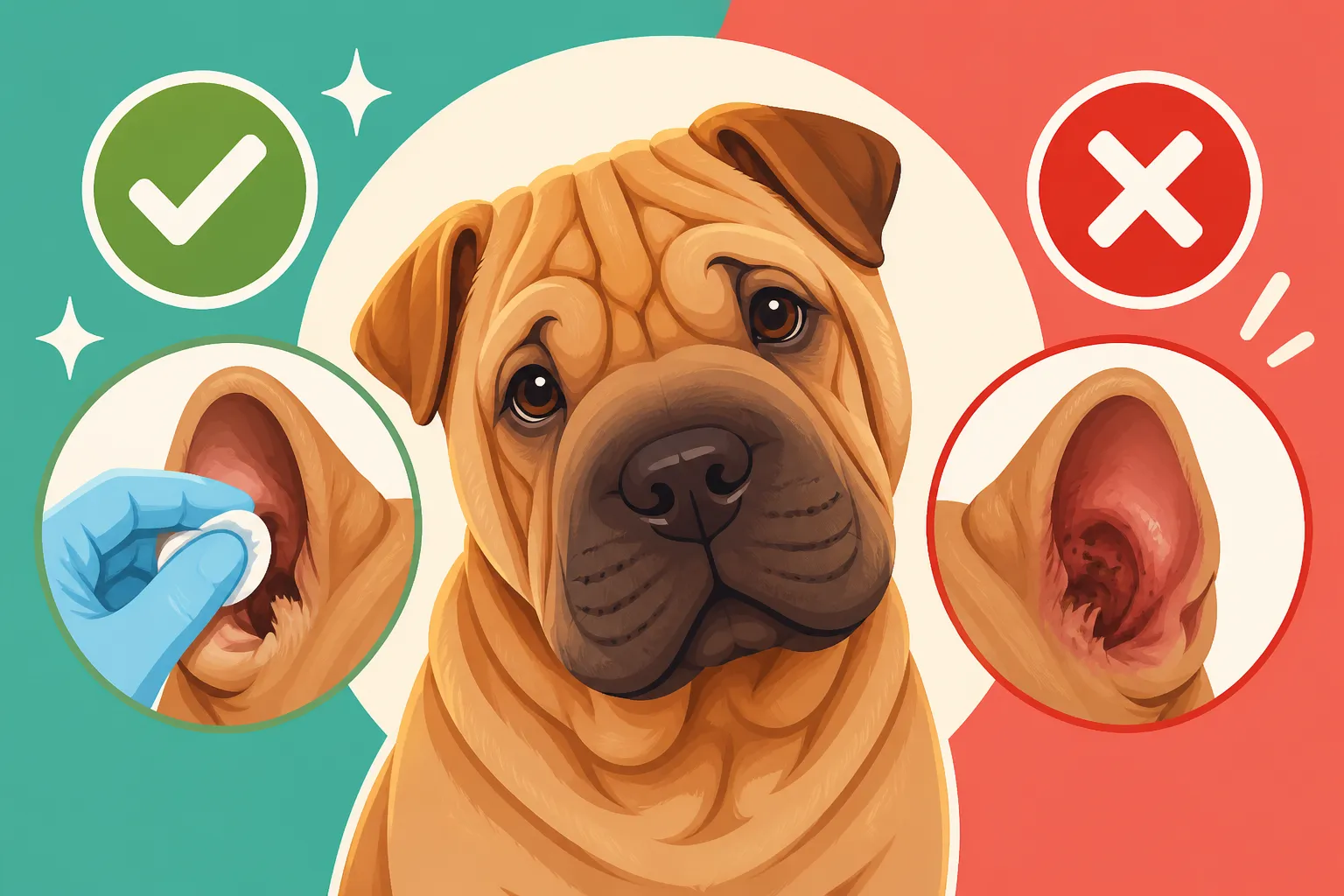
Whether a Shar Pei’s Ears Should Be Cleaned Weekly
One of the most common frustrations for Shar Pei owners is dealing with those notoriously tricky ears. It feels like a constant battle, doesn't it? Just when you think you have a handle on things, a new ear issue pops up, leaving you wondering if you're cleaning them enough, or perhaps even too much. This guide is here to shed some light on the unique challenges of Shar Pei ears and help you establish a realistic, effective cleaning routine to keep your beloved companion comfortable and healthy.
The Unique Challenges of Shar Pei Ears
Let's be honest, those adorable, tiny, folded-over ears are part of what makes a Shar Pei so distinct, but they're also a primary source of headaches for owners. Unlike many other breeds with open, erect ears that allow for plenty of airflow, a Shar Pei's ear structure is practically designed to trap trouble.
Why Their Ear Canals Are So Narrow
The deep-set, small, folded-over ears of a Shar Pei aren't just an external feature; they hint at a much more significant anatomical challenge beneath the surface. Picture a tunnel that's already incredibly narrow, then imagine it's also got a bend or two, and a heavy flap covering its entrance. That's essentially what your Shar Pei's ear canal looks like. It's a tight, convoluted space that makes it incredibly difficult for air to circulate and for any moisture or debris to escape naturally. We're talking about a breed that truly lives up to the reputation of having A Shar Pei Has the Narrowest Ear Canals of Any Breed.
This inherent narrowness means that even a normal amount of ear wax, which would easily migrate out of a more open ear, gets stuck and starts building up. Combine that with the lack of ventilation, and you've created an environment that's a warm, moist, dark paradise for unwelcome guests like bacteria and yeast. It's not just about what gets in; it's about what can't get out. This anatomical reality is the root cause of so many chronic ear issues in the breed, leading to frequent infections and discomfort for our wrinkly friends. Understanding this unique structure is the first step toward effective management and prevention, rather than just reacting to problems as they arise.
The Constant Battle Against Moisture and Debris
Given the narrow, poorly ventilated nature of a Shar Pei's ear canal, it's no surprise that moisture and debris become persistent adversaries. Every bath, every swim (if your Shar Pei is one of the rare ones who enjoy water!), or even just a humid day, introduces moisture into those canals. And because there’s no airflow to dry things out, that moisture gets trapped, sitting there like a tiny, damp sponge. This creates the perfect incubator for yeast and bacteria to multiply rapidly, turning a clean ear into a sticky, smelly mess in what feels like moments.
Beyond moisture, their ears are magnets for all sorts of debris. Normal ear wax, dead skin cells, environmental dirt, and even stray hairs find their way into the folds and down the canal, but they have nowhere to go. They accumulate, forming a thick, gooey plug that further blocks airflow and exacerbates the problem. Owners often struggle because these issues are hidden deep within the ear. You might not see redness or discharge on the outer ear until an infection is already well-established and causing significant discomfort. By then, your poor Shar Pei might be constantly scratching, shaking their head, or rubbing their ears on the furniture, trying desperately to find relief. It truly is a constant battle, and it requires a proactive approach to keep those ears healthy and clear.
How Often Should You Really Clean a Shar Pei's Ears?
This is the million-dollar question for many Shar Pei owners, and unfortunately, there's no universal "once a week" or "once a month" answer that fits every single dog. It's less about adhering strictly to a calendar and more about understanding your individual dog's needs and the factors that influence ear health.
The 'Weekly' Myth vs. Reality
The idea that all Shar Pei ears should be cleaned weekly is a common piece of advice, but it's often an oversimplification. For some Shar Pei, particularly those prone to chronic infections or living in very humid environments, a weekly cleaning might indeed be necessary, even crucial, to prevent flare-ups. However, for others with naturally drier ears or a less severe anatomical predisposition, weekly cleaning could actually be too much. Over-cleaning can strip the ear canal of its natural protective oils, leading to irritation, inflammation, and ironically, making the ear more susceptible to problems. It's a delicate balance.
Think of it this way: your Shar Pei's ears are unique, just like their personality. What works for your neighbor's Shar Pei might not be ideal for yours. Instead of blindly following a "weekly" rule, the reality lies in vigilant observation and tailoring the cleaning schedule to your dog's specific indicators. If you clean weekly and notice irritation, redness, or increased scratching, you might be overdoing it. If you clean every few weeks and notice a recurring odor or excessive wax buildup quickly, then increasing the frequency is probably wise. It's about finding that sweet spot for your dog, and sometimes that involves a bit of trial and error under veterinary guidance.
Factors Influencing Cleaning Frequency
Deciding on the optimal ear cleaning frequency for your Shar Pei means considering several key factors that can either mitigate or exacerbate their inherent ear challenges. It's a holistic approach, much like managing other aspects of their unique health, such as their skin.
Let's break down what influences how often those special ears need attention:
-
Individual Dog's Genetics and History: Every Shar Pei is an individual. Some will inherit slightly less narrow ear canals, or produce less wax, or simply have a more robust natural defense. If your Shar Pei has a history of recurrent ear infections, for instance, then a more frequent cleaning schedule is absolutely warranted. Conversely, if your vet has given their ears a clean bill of health consistently over a long period, you might be able to stretch the time between cleanings. Keeping a log of when you clean and what you find can be incredibly helpful in spotting patterns.
-
Environmental Conditions: The world your Shar Pei lives in plays a huge role. Do you live in a perpetually humid climate, like the southern states, where moisture is always in the air? This will naturally increase the risk of fungal and bacterial growth in those moist ear canals, meaning more frequent cleaning might be necessary. Does your dog love to swim? While many Shar Pei aren't keen on water, if yours is, those ears are going to get wet, and proper drying and potentially a post-swim ear cleaner will be critical. Even dusty environments or homes with lots of shedding can contribute to debris buildup.
-
Underlying Allergies: This is a huge one and often overlooked. Many Shar Pei suffer from environmental or Food Allergies in a Shar Pei, and one of the most common ways these allergies manifest is through chronic ear infections. If your Shar Pei is constantly battling ear problems despite diligent cleaning, it's not always an issue with your cleaning routine; it could be a sign of an underlying allergy. When a dog has an allergic reaction, their immune system goes into overdrive, often leading to inflammation and increased wax production in the ears, creating a perfect storm for secondary infections. Addressing the root cause, such as working with your vet on an elimination diet or allergy testing, can dramatically reduce the frequency and severity of ear issues.
-
Observable Signs to Watch For: Ultimately, your dog will tell you when something is amiss. Don't wait for a full-blown infection; learn to recognize the subtle cues. Are they shaking their head more than usual? Is there excessive scratching around the ear area? A quick sniff test can also reveal a lot: a healthy Shar Pei ear should have a very mild, neutral scent. If you detect any strong, yeasty, or foul odor, that's a red flag. Look for redness inside the ear flap, swelling, or any discharge (yellow, brown, black, or bloody). Even a sudden reluctance to have their head touched can indicate pain or discomfort in the ears. These are all signs that a cleaning, and possibly a vet visit, is immediately needed. Understanding Signs a Shar Pei's Ear Is Infected is paramount.
By carefully considering these factors and being observant, you can create a truly personalized and effective ear care regimen for your Shar Pei, moving beyond a one-size-fits-all approach to something that genuinely addresses their unique needs.
Best Practices for Cleaning Your Shar Pei's Ears
Once you've determined a cleaning frequency that suits your individual Shar Pei, the next step is ensuring you're doing it correctly and safely. Because of their unique ear anatomy, you can't just dive in with any old product or technique. Precision and gentleness are key.
Choosing the Right Products and Tools
This is not the time for guesswork or for grabbing whatever ear cleaner is cheapest on the shelf. The wrong product can do more harm than good, irritating delicate tissues or failing to address the specific type of buildup your Shar Pei experiences. Always, always, always start with a recommendation from your veterinarian. They know your dog's history and can advise on the best type of cleaner.
Generally, you'll find two main types of ear cleaners:
- Drying Solutions: These are great for Shar Pei who are prone to moisture-related infections, perhaps because they enjoy a rare swim or live in a very humid climate. They help evaporate moisture and keep the ear canal dry.
- Antiseptic Solutions: These often contain ingredients like chlorhexidine or ketoconazole, which are effective against bacteria and yeast. They're excellent for maintenance cleaning, especially if your Shar Pei tends to get yeasty ears. Some cleaners combine both properties.
When it comes to tools, put down the cotton swabs! I cannot stress this enough. Why Cotton Swabs Are Wrong for a Shar Pei's Ear. Their narrow ear canals mean a cotton swab can easily push debris further down, compacting wax against the eardrum and potentially causing damage. Instead, opt for soft cotton balls or gauze pads. You can order these easily from places like Amazon or Chewy, ensuring you always have a fresh supply on hand. These allow you to gently wipe away debris from the outer ear and the visible parts of the canal without risking deeper impaction. For the cleaning solution itself, you might find some excellent, vet-approved options available through reputable online pet supply retailers, making it convenient to re-order when you're running low. Remember, What to Clean a Shar Pei's Ears With is just as important as how often.
A Gentle, Effective Cleaning Routine
Now that you have the right products, let's talk about the actual cleaning process. This isn't a race; it's a careful, patient endeavor, especially if your Shar Pei isn't thrilled about having their ears handled. Consistency and positive reinforcement are your best friends here.
- Gather Your Supplies: Have your vet-approved ear cleaner, plenty of soft cotton balls or gauze pads, and some high-value treats ready. This isn't just for after; sometimes, a continuous stream of treats during the process can make a world of difference.
- Position Your Shar Pei: Find a comfortable spot where your dog feels secure, perhaps on your lap or on a grooming table. Gently hold their head steady. If they're a puppy, this is the perfect time to get them used to it, as early positive experiences can prevent future struggles. Remember, How to Teach a Shar Pei Puppy to Accept Ear Handling.
- Apply the Cleaner: Gently lift the ear flap to expose the ear canal. Carefully insert the tip of the ear cleaner bottle into the opening of the ear canal – do not force it down deep! Squeeze a generous amount of solution into the ear until the canal is visibly full. It might look like a lot, but this helps loosen debris.
- Massage the Base of the Ear: This is a crucial step. With the solution in the ear, gently massage the base of your Shar Pei's ear for about 30 seconds. You should hear a squishing sound, which means the cleaner is working its way through the canal and breaking up wax and debris. This massage also helps the cleaner reach all the nooks and crannies of that narrow canal.
- Allow Them to Shake: After massaging, let your Shar Pei shake their head. This helps to dislodge and bring up the loosened debris. Be prepared for a spray of ear gunk, so maybe do this outside or in a bathroom!
- Wipe Away Debris: Use your cotton balls or gauze pads to gently wipe away any visible solution and debris from the outer ear and the immediate opening of the ear canal. Continue wiping until the cotton comes out clean. Remember, you're only cleaning what you can see; never attempt to go deep into the canal with anything solid.
- Repeat (If Necessary): If the first round of wiping still yields a lot of gunk, you might repeat the process of applying cleaner, massaging, and wiping.
- Positive Reinforcement: Lavish your Shar Pei with praise and those high-value treats throughout and especially after the cleaning. Make it as positive an experience as possible.
- Drying is Paramount: After cleaning, ensure the ear is as dry as possible. You can use a fresh, dry cotton ball to gently absorb any remaining moisture from the outer ear and the visible canal. Some owners even use a very low, cool setting on a hairdryer held at a safe distance, but only if their dog tolerates it well. This step is critical, as any lingering moisture can quickly undo all your hard work by fostering bacterial or yeast growth. Always remember that Whether a Shar Pei's Ears Should Be Dried After Bathing is a non-negotiable step to prevent future issues.
By following this gentle yet thorough routine, you'll be well on your way to maintaining cleaner, healthier ears for your Shar Pei.
When to Seek Professional Veterinary Help
Despite your best efforts with regular cleaning, there will be times when your Shar Pei's ears need more than just a home remedy. It’s absolutely vital to know when to put down the ear cleaner and pick up the phone to call your vet. Delaying professional help can turn a minor irritation into a serious, painful infection, and could even lead to long-term damage or hearing loss.
Recognizing Signs of Infection or Deeper Issues
While you're cleaning your Shar Pei's ears, you're also performing a mini-inspection. Don't dismiss any persistent or worsening signs, as these are your dog's way of telling you they're in pain or facing a deeper problem.
Here are the key indicators that it's time to call the vet:
- Persistent or Strong Odor: A healthy ear has a mild, almost neutral smell. If you notice a strong, pungent, yeasty, or foul odor that doesn't disappear with cleaning, it's a clear sign of infection.
- Excessive Discharge: Any discharge that is not simply a small amount of normal, light brown wax is concerning. Look for yellow, green, black, or bloody discharge. Black, waxy discharge often indicates yeast or ear mites, while yellow or green usually points to a bacterial infection.
- Redness and Swelling: If the inside of the ear flap or the visible part of the ear canal appears red, inflamed, or swollen, this indicates irritation and potentially infection.
- Pain or Tenderness: Your Shar Pei might flinch, cry out, or become aggressive when you try to touch their ear. They may hold their head tilted, or scratch at their ear relentlessly. This pain is a critical sign that they need veterinary attention.
- Behavioral Changes: Beyond scratching and head shaking, watch for changes in your dog's overall demeanor. Are they more withdrawn, lethargic, or refusing to play? Are they rubbing their ear on furniture or the floor constantly? These can all be signs of significant discomfort.
- Recurrent Issues: If your Shar Pei seems to get an ear infection every few weeks or months, even with consistent cleaning, it's a sign that there's an underlying issue not being addressed. This could be allergies, anatomical complications, or a resistant strain of bacteria. Remember, How Often a Shar Pei Gets an Ear Infection is often linked to these chronic problems.
It's important to understand that your regular cleaning routine is fantastic for prevention and maintenance. It helps keep healthy ears healthy. But once an infection has taken hold, a simple ear cleaner isn't enough to treat it. You need targeted medication prescribed by a professional.
The Vet's Role: Diagnostics and Treatment
When you arrive at the vet with concerns about your Shar Pei's ears, they won't just guess what's going on. They'll perform a thorough examination and may recommend diagnostic tests to pinpoint the exact problem.
- Otoscopic Examination: Your vet will use an otoscope, a specialized tool with a light and magnifying lens, to look deep into your Shar Pei's ear canal. Because of the Shar Pei's extremely narrow canals, this often requires careful maneuvering. In many cases, especially if the ear is painful or the dog is uncooperative, sedation might be necessary to get a good, thorough look without causing undue stress or pain to your dog. It's often the case that Whether a Shar Pei Needs Sedation for Its Ear Exam is answered with a "yes" for a proper, pain-free examination.
- Ear Cytology: This is a quick and extremely useful test. The vet will take a swab from deep within the ear canal and examine it under a microscope. This allows them to identify whether the infection is bacterial, yeast, or a combination, and if ear mites are present. Knowing the culprit is essential for prescribing the correct medication. What a Shar Pei's Ear Culture Costs can vary, but it's a vital step to ensure proper treatment.
- Ear Culture and Sensitivity: If the infection is severe, recurrent, or not responding to initial treatments, your vet might recommend an ear culture. This involves sending a swab to a lab to grow the bacteria or yeast and then test which antibiotics or antifungals are most effective against them. This ensures the most targeted and potent treatment.
Once a diagnosis is made, your vet will prescribe the appropriate treatment. This could involve:
- Prescription Ear Drops: These usually contain a combination of antibiotics, antifungals, and anti-inflammatories to tackle the infection and reduce swelling. It's crucial to administer these exactly as directed, for the full course, even if the ear seems to improve quickly. What Prescription Ear Drops Cost a Shar Pei Owner can add up, especially for chronic issues, but they are essential.
- Oral Medications: For more severe or deep-seated infections, oral antibiotics or antifungals might be necessary to work systemically.
- Pain Relief: If your Shar Pei is in significant pain, your vet might prescribe anti-inflammatory medication to keep them comfortable while the infection clears.
Managing a Shar Pei's ears can feel like a never-ending saga for some owners, and chronic issues can significantly contribute to What a Shar Pei's Lifetime Ear Bill Comes To. However, with diligent preventative care, prompt veterinary intervention when needed, and a clear understanding of their unique anatomy, you can help keep your wrinkly companion much more comfortable and prevent many of the more serious, long-term complications.
| Factor | Recommended Cleaning Frequency (Approx.) | Why It Matters | Signs to Watch For (Increase Frequency) |
|---|---|---|---|
| Healthy, Low-Risk Shar Pei | Every 2-4 weeks | Good ventilation, minimal wax, no history of infection. | Head shaking, mild odor, slight wax buildup. |
| Humid Environment/Swimmer | Weekly to Bi-weekly | Trapped moisture fosters yeast/bacteria. | Dampness, musty smell, excessive scratching. |
| History of Mild Infections | Weekly to Bi-weekly | Prone to recurrence; needs proactive management. | Increased wax, slight redness, subtle discomfort. |
| Allergy-Prone Shar Pei | Weekly (or as advised by vet) | Allergies cause inflammation, increased wax, and secondary infections. | Persistent itching, redness, recurring discharge/odor. |
| Active Infection | As directed by vet (daily/twice daily) | Requires medicated treatment; home cleaning is insufficient. | Severe pain, foul odor, heavy discharge, swelling. |
Disclaimer
This article is for general informational purposes only and does not constitute professional advice. Laws, prices and regulations vary by location and change over time. Consult a qualified professional for guidance on your specific situation.